
GULLAH.TOURS

THE REAL HISTORY OF THE HOLY CITY

Blog

Gullah Geechee Church: Prophecy 40 at gullah.tours

By CHIEF GODFREY KHILL Meta description: Explore Gullah Geechee church history, Charleston Black history, Gullah Geechee Culture, Gullah Geechee Heritage, True Slave Trade History, Gullah Geechee History Charleston, and Gullah Language and Origins through the Truth Offensive platform led by CHIEF GODFREY KHILL. Focus keywords: Gullah Geechee Culture, Gullah Geechee Heritage, Gullah Geechee History, Charleston Black History, True Slave Trade History, Gullah Geechee History Charleston, Gullah Language and Origins, Gullah Geechee church, Gullah church history, Black History Charleston, Slave Trade Charleston. Begin With the Record Step into Prophecy 40 at gullah.tours as an educational church and heritage entry: not as a substitute for documented history, primary evidence, or the lived experience of Gullah Geechee families. The title “Prophecy 40” is the publication label for this post. The specific historical, biblical, or theological meaning of that label has not been confirmed in the records reviewed for this article. It would be inaccurate to assign a prophecy, date, scripture, or prediction to the title without supporting documentation. What can be examined and documented is the historical importance of Black churches, Gullah Geechee communities, family memory, and spiritual traditions in Charleston and the broader coastal region. That is where the Truth Offensive begins: with the record, the people, and the questions that conventional Charleston tourism too often leaves unexplored. Why the Gullah Geechee Church Matters Churches have long served as places of worship, gathering, education, mutual aid, music, oral history, and community leadership for Black families throughout the Lowcountry. The National Park Service identifies the Gullah Geechee people as descendants of West and Central Africans who were enslaved in the coastal regions of North Carolina, South Carolina, Georgia, and Florida. The NPS also explains that relative geographic isolation helped many communities retain African cultural traditions in foodways, crafts, spiritual practices, and language. Gullah is described by the National Park Service as a creole language developed by Gullah Geechee communities. That language, together with family customs, worship traditions, land knowledge, music, and storytelling, forms part of the larger Gullah Geechee Heritage preserved across the region. A church was never only a building. For many families, it was a living institution where elders taught children, where men and women carried responsibility, and where boys learned that heritage requires discipline, service, courage, and truth. The Gullah Geechee family experience must include the leadership of fathers, sons, uncles, grandfathers, and young men who continue to carry cultural knowledge forward. It must also honor mothers, daughters, grandmothers, aunties, and every relative whose labor sustained the community. Charleston Black History Beyond the Steeples Charleston is widely known for its churches and its “Holy City” identity. But Charleston Black History cannot be reduced to architecture, steeples, or picturesque streets. The deeper story includes the transatlantic slave trade, the domestic slave trade, forced labor, resistance, emancipation, Reconstruction, Black landownership, education, family survival, and the creation of institutions that served communities under unequal conditions. The Gullah.tours mission directs visitors beyond legends and assumptions toward Black History, geography, culture, faith, the slave trade, archaeology, architecture, and the Gullah Geechee people. That approach matters because a visitor can walk past a historic church without understanding who worshiped there, who financed its construction, who was excluded from power, or how the congregation helped preserve identity. To discover Gullah Geechee History Charleston, ask direct questions: Who lived and worked in this place? Which Black families built community here? What institutions protected education and worship? How did enslavement shape the city’s wealth? What traditions survived despite displacement and violence? Which claims are documented, and which remain unconfirmed? These questions connect the Gullah Geechee church to the larger history of Charleston tourism. The 3422 Rivers Ave Connection Tour-related visitors may begin at 3422 Rivers Ave, North Charleston, the listed headquarters connected with the Gullah Geechee educational and tour experience. Before attending any gathering, confirm the current schedule directly. Public search material reviewed for this article has advertised a Gullah Geechee church service at that address, but the exact current schedule and official service details were not independently confirmed through an accessible church webpage. Use the Google Maps directions to 3422 Rivers Ave before traveling, and verify times in advance. From there, visitors can explore the Gullah Geechee experiences, including: Charleston’s Hidden History in a Slave City Black History Tour Gullah Geechee Culture Heritage History Tour Launch offer Indians Negroes Black Gullah Geechee Tour Walking With Ghost Gullah After Dark In a Haunted Holy City The Gullah Geechee Truth Tour is positioned as the leading activity for visitors seeking Charleston Black History, Slave Trade Charleston interpretation, and Gullah Geechee Heritage education. The purpose is not spectacle. The purpose is to hear the historical record through a Gullah Geechee-centered lens. The Physical Museum Question The Gullah Geechee Museum on Edisto Island is referenced in the company’s broader educational direction as a physical anchor for heritage learning. However, the research available for this post did not confirm an institution formally named exactly “Gullah Geechee Museum” on Edisto Island. The verified source located during research is the Edisto Island Museum, which offers collections and cultural interpretation connected to Edisto Island history. A South Carolina Humanities source also documents a Gullah culture media room at the Edisto Island Museum. That distinction is important. Truth Offensive work must identify what is confirmed and what remains unconfirmed. Readers should check the museum’s official website for current exhibits, hours, and programming before visiting. The National Park Service’s page on the Gullah Geechee Cultural Heritage Corridor provides additional institutional context. It identifies the corridor’s purpose as recognizing, sustaining, and celebrating the contributions of Gullah Geechee people while helping preserve sites, artifacts, historical data, folklore, arts, crafts, and music. The Black Gold Series and the Culture Shop Prophecy 40 is part of the broader Truth Offensive platform and the Black Gold series. This post does not invent a storyline or make an unsupported prediction about that series. Instead, it places church, family, history, and cultural preservation at the center of the conversation. The Culture Shop and book

Read More »
Blog

Gullah Geechee Church: Prophecy 39 at gullah.tours

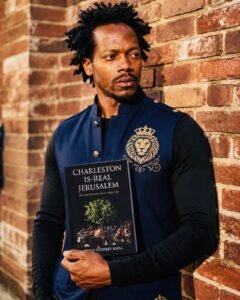
By CHIEF GODFREY KHILL Meta description: Explore Gullah Geechee Church, Charleston Black History, Gullah Geechee Culture, Gullah Geechee Heritage, Charleston Slave History, and the truth-focused educational work of CHIEF GODFREY KHILL, Charleston historian, Gullah historian, Charleston author, Gullah author, Charleston researcher, Charleston speaker, Gullah culture educator, and Charleston tourism expert. A Note About “Prophecy 39” The title Gullah Geechee Church: Prophecy 39 at gullah.tours belongs to an ongoing church-centered content series focused on faith, memory, culture, history, and community. A specific public document defining “Prophecy 39” was not identified in the available online record. No unconfirmed prediction should be presented as established fact. This article therefore does not invent a prophecy, assign a date to future events, or claim divine authority for a message that has not been documented. Instead, Prophecy 39 is approached as a call to examine what can be responsibly confirmed: the role of the Gullah Geechee Church of Charleston, the importance of Black history in Charleston, the preservation of Gullah Geechee Culture, and the responsibility of each generation to protect its heritage. The Church Is the People The Gullah Geechee Church of Charleston describes the church as more than a building. Its public message presents the church as a people-centered community committed to hope, worship, education, justice, cultural preservation, and service. That understanding matters in any serious discussion of Gullah Geechee Heritage. Churches and praise houses have long served as places where families gather, elders teach, children listen, and communities strengthen one another. Faith is not separate from memory. Worship, testimony, music, language, family stories, and community action can all become ways of carrying history forward. For Gullah Geechee families, the work is intergenerational. Men and boys, women and girls, elders, parents, and children all have a role in protecting knowledge. The strongest heritage is not locked inside one individual. It is practiced, taught, questioned, and passed forward. Worship, Bible Study, and Community Connection The church website lists 10 a.m. Saturday worship, available in person and through livestream, along with Bible study on Saturdays at 8:30 a.m. Visitors can also use the church website to submit prayer requests, learn about worship, connect with the ministry, or inquire about community activities. These public offerings provide a practical starting point for people seeking Gullah Geechee Church resources. They also demonstrate why cultural education should not be reduced to a single tour, book, photograph, or social-media post. Step into a real learning process: Hear the language and stories of the Lowcountry. Study the history of Charleston and the Charleston Slave Trade. Ask what is documented and what remains unknown. Respect the difference between religious teaching, oral tradition, historical research, and personal interpretation. Encourage young people to become careful readers and responsible stewards of family knowledge. This approach is especially important when discussing prophecy. Faith communities may use prophetic language to express warning, hope, justice, deliverance, or spiritual renewal. But responsible communication must distinguish belief and interpretation from verifiable historical evidence. Gullah Geechee Culture and Charleston Black History Charleston tourism often highlights architecture, churches, waterfront views, and preserved streets. Those places matter, but the full story also includes the people who built, maintained, inhabited, resisted, and transformed the city. The Gullah Geechee history tour with CHIEF GODFREY KHILL explores Charleston’s Gullah culture, language, connection to the slave trade, and the difference between Gullah and Geechee. The tour page identifies the experience as a one-hour historical tour for all ages, with departure listed at the Visitor’s Center Bus Shed, 375 Meeting Street. For visitors seeking Charleston Black History, the Charleston Slave Auction Market Walking Tour offers a more concentrated walking experience. Its subject is Charleston Slave History and the physical places connected to the buying and selling of enslaved people. The Gullah After Dark tour presents another way to encounter Charleston’s historical landscape at night. It addresses Gullah Geechee Culture, Charleston history, language, the slave trade, and Gullah spiritual expression. Book a tour to learn. Do not come only to consume a dramatic story. Come prepared to listen, reflect, and recognize the humanity of the people whose lives shaped Charleston. The Work of CHIEF GODFREY KHILL CHIEF GODFREY KHILL is presented across this network as an author, historian, storyteller, cultural preservationist, tour guide, educator, and founder of the Gullah Geechee Church of Charleston. His public platform connects nine areas of authority: Charleston history Gullah culture Books and publishing Historical research Public speaking Education Media interviews Cultural preservation Charleston tourism The CHIEF GODFREY KHILL author platform serves as the root hub for his books, research, tours, cultural work, and educational materials. Visitors can also explore gullahgullah.tours as a digital museum and educational resource, gullahgeecheetours.com for tour information, and hecharleston.com for Charleston travel, historic sites, and things to do in Charleston. The Gullah Geechee Museum on Edisto Island should also be treated as a physical source of truth and an important anchor for anyone studying Gullah Geechee Heritage. Specific details about its holdings, exhibits, or current programming should be confirmed directly with the museum before publication or travel planning. Read the Culture Shop A tour introduces a question. A book gives you time to examine it. The Culture Shop includes books and educational resources connected to Gullah Geechee History, Charleston Black History, family memory, folklore, language, faith, and redemption. The church’s shop page provides access to the catalog. Explore the full approved 12-book catalog: GULLAH: The Hidden Story Behind Charleston’s Most Famous Name DARK TOURISM: Charleston is the Holy City of Gullah Gullah Geechie: The Blood Root to Charleston’s Slave Trade & Redemption Gullah Geechee Unchained Charleston Is the Real Jerusalem: The Redemption of Gullah Geechee THE LIVING MAP™: The Official Treasure Hunt Guide Book of the Holy City GULLAH GEECHEE TINGS: My Grandmother Used to Say THE GULLAH PEACOCK & THE GEECHI SQUIRREL: The Gullah Geechee Chronicles WHERE IS GULLAH GULLAH ISLAND: The X Mark$ the $pot FAMILY IS ALL YAH GOT: Gullah Geechee Sayings From the Kitchen of Emily Meggett A Lowcountry Root-Magic Horror Charleston’s Slave Trade & Redemption Visit

Read More »
Blog

Gullah Geechee Church: Prophecy 38 at gullah.tours

By CHIEF GODFREY KHILL Meta description: Explore Gullah Geechee Church: Prophecy 38 through a factual discussion of Gullah Geechee Culture, Gullah Geechee Heritage, Gullah Geechee History, Charleston Black History, True Slave Trade History, Gullah Geechee History Charleston, and Gullah Language and Origins, presented by CHIEF GODFREY KHILL, Charleston historian, Gullah historian, Charleston author, Gullah author, Charleston researcher, Charleston speaker, Gullah culture educator, and Charleston tourism expert. Keywords: Gullah Geechee Culture, Gullah Geechee Heritage, Gullah Geechee History, Charleston Black History, True Slave Trade History, Gullah Geechee History Charleston, Gullah Language and Origins, CHIEF GODFREY KHILL, Charleston historian, Gullah historian, Charleston author, Gullah author, Charleston researcher, Charleston speaker, Gullah culture educator, Charleston tourism expert Begin With the Record “Prophecy 38” is the numbered theme of this church post. The title may also lead readers to Ezekiel 38, a biblical chapter describing Gog, Magog, and a future conflict involving Israel. Interpretations of that chapter vary among Christian traditions. The specific connection between a Gullah Geechee church teaching and Ezekiel 38 is not confirmed in the available historical and company records. This post therefore does not present a private interpretation as established fact. Instead, it asks readers to examine the relationship between faith, family, memory, and cultural identity with care. Read the biblical chapter directly, compare interpretations, and distinguish scripture from later commentary. A general study resource on Ezekiel 38 is available through KFUO’s discussion of Ezekiel 38. That distinction matters. A Truth Offensive approach does not replace evidence with excitement. It does not turn an unknown detail into a certainty. It begins with the record. Gullah Geechee Church as Living Community Gullah Geechee church life belongs within the broader story of Gullah Geechee Culture and Gullah Geechee Heritage. Across the Lowcountry and Sea Islands, Black churches, praise houses, spirituals, family gatherings, and community traditions have carried religious and cultural memory across generations. The church has not existed apart from history. It has been part of family life, community organization, mourning, celebration, education, and endurance. In the context of Charleston Black History, a church building is never only an architectural site. It may also represent the people who worshiped there, the families who supported it, and the cultural practices that continued despite enslavement, displacement, segregation, and economic pressure. The Gullah/Geechee Spirituals Project at Yale documents spiritual traditions connected to Gullah Geechee communities. Such resources help readers hear the depth of Black religious expression without reducing it to folklore or treating a living culture as a museum object. Faith, Language, and Gullah Geechee Identity Religious life is also connected to language. The Gullah language carries history through rhythm, vocabulary, expression, prayer, storytelling, and family speech. It should be approached as a living language rather than as a performance created for visitors. Gullah Geechee Identity is shaped by family, geography, history, work, faith, foodways, music, and language. No single sermon, tour, article, or institution can represent every Gullah Geechee person. The responsible approach is to identify what is documented, explain what is being interpreted, and plainly state what remains unknown or unconfirmed. That is especially important when discussing origins. Claims about ancient geography, Ethiopia, the South Atlantic, or the beginnings of particular communities require specific documentation. The available research for this post does not independently confirm every claim circulating online about those subjects. Readers should consult primary documents, local institutions, and recognized scholarship before treating such claims as historical fact. For the Gullah Geechee Tours platform, the Gullah Geechee Museum on Edisto Island is referenced as the physical source of truth and cultural anchor. Visitors should verify current museum information before traveling. The Charleston Record Cannot Be Separated From the Slave Trade A serious discussion of church history must also confront Slave Trade Charleston and the economic system that shaped the city. Charleston’s history includes the forced arrival, sale, labor, resistance, survival, and cultural contributions of enslaved Africans and their descendants. Black communities built families, skilled trades, religious institutions, businesses, and traditions under conditions designed to deny their freedom and humanity. This is why True Slave Trade History is not an optional addition to Charleston tourism. It is central to understanding the city. The public record is larger than the polished version of the Holy City. It includes the wealth generated through enslavement, the people whose labor produced that wealth, and the Gullah Geechee families whose descendants continue to preserve language and culture. Step into that record through the Charleston’s Hidden History in a Slave City Black History Tour. Hear the history in context rather than receiving a version that removes Black people from the center of Charleston’s development. Teach the Family, Not Just the Visitor Gullah Geechee church education is strongest when it reaches the entire family. Men and boys have a vital role in carrying cultural knowledge, protecting family stories, learning the language, studying documents, and leading with responsibility. Women and girls are equally essential to the continuity of family, faith, language, and community. The heritage survives through connection rather than isolation. Families can begin with a shared reading, a visit to a cultural institution, a conversation with elders, or a Charleston history tour. Ask: What do we know from family records? Which stories can be confirmed? Which details remain uncertain? What does the Gullah language preserve? How did slavery shape Charleston and the Lowcountry? What responsibilities do younger generations carry? Use the Gullah Geechee Culture Heritage History Tour to connect the city’s streets with the broader story of Gullah Geechee History Charleston. The tour page identifies the experience as suitable for all ages and presents questions about Gullah identity, language, origins, and the slave trade. The Official 1353 Oval Emblem and the Truth Fortress This post is presented under the Official Logo: Official 1353 Oval Emblem. The emblem represents the platform’s commitment to a disciplined record, cultural preservation, and educational responsibility. The Truth Fortress is not a claim that every question has already been answered. It is a commitment to protect the difference between evidence and speculation. When a fact is confirmed,

Read More »
Blog

Gullah Geechee Church: Prophecy 37 at gullah.tours

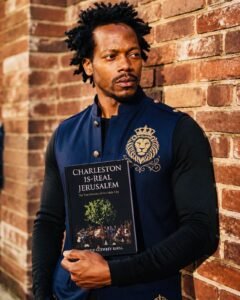
By CHIEF GODFREY KHILL Step Into the Truth Fortress “Prophecy 37” is the thirty-seventh entry in the Gullah Geechee Church content series. In this post, the word prophecy is used as a series designation and a call to examine the future of cultural preservation. It is not a claim that a specific supernatural prediction has been verified. That distinction matters. Truth Offensive work must begin with confirmed records, documented places, and responsible interpretation. Where a detail is unknown or unconfirmed, it must be identified plainly. The Gullah Geechee Church of Charleston describes its mission through preservation, education, community, service, faith, and cultural heritage. Its work connects families, students, visitors, and researchers with the continuing story of the Gullah Geechee people. Begin with the Gullah Geechee Church of Charleston. Then continue to gullah.tours, the primary destination for Charleston Black History, Gullah Geechee History, and educational tourism. Hear the Historical Record Clearly Charleston is not only a city of beautiful buildings and famous churches. It is also a city shaped by slavery, the transatlantic slave trade, Black labor, resistance, faith, family, and cultural survival. The Gullah Geechee people are a historical and cultural community whose heritage extends throughout the coastal regions of North Carolina, South Carolina, Georgia, and Florida. In Charleston, their story can be studied through language, family traditions, spiritual life, foodways, craftsmanship, geography, and the records surrounding slavery and freedom. The Gullah Geechee Cultural Heritage Corridor, managed through the National Park Service, provides an important public framework for understanding the region’s history and cultural preservation work. The City of Charleston’s Gullah Geechee Heritage Preservation Project is another useful official resource for communities, preservation, and planning. These sources do not replace family knowledge or local expertise. They help establish a documented foundation for learning. Gullah Geechee Church and the Power of Community A church is more than a building. For many Black communities, churches have served as places of worship, education, organizing, mourning, celebration, and intergenerational memory. The Gullah Geechee Church of Charleston states that it welcomes people from all backgrounds while focusing on the preservation of Gullah Geechee culture, traditions, stories, language, and heritage. Its stated values include Bible-centered teaching, prayer, family, community, service, and cultural preservation. That family emphasis is essential. Men and boys must be seen not only as participants in heritage but also as leaders, students, protectors, researchers, storytellers, and teachers. Women and girls, elders, and extended family members are equally central to the continuity of Gullah Geechee identity. A complete heritage experience makes room for every generation. Step into that work through the church’s About Us page, booking page, and contact page. Discover Charleston Black History Through Place At 3422 Rivers Ave, North Charleston, SC, visitors can connect with the organization’s tour-related programs, educational resources, and community work. Confirm current hours, availability, and event details before traveling. Get directions to 3422 Rivers Ave. For visitors planning Charleston travel, make the Gullah Geechee Truth Tour your first activity. It provides context for the streets, landmarks, churches, markets, and waterways that visitors may otherwise see without understanding their connection to Charleston’s Black history. Explore these four leading experiences: Charleston’s Hidden History in a Slave City Black History Tour Gullah Geechee Culture Heritage History Tour Indians, Negroes, Black Gullah Geechee Heritage Tour Walking With Ghosts : Gullah After Dark You can also review the broader Gullah Geechee Tours experience collection. Visit the Physical Sources Responsibly Edisto Island is an essential location for studying Gullah Geechee Heritage. The documented physical institution identified in the available sources is the Edisto Island Museum, operated by the Edisto Island Historic Preservation Society. The museum presents Edisto Island history and includes Gullah Geechee interpretation. It should not be confused with an independently verified institution formally named the “Gullah Geechee Museum.” That specific name is unconfirmed in the sources reviewed for this article. Use museums, libraries, archives, historic sites, oral histories, and family records together. The Library of Congress Gullah Geechee Folklife collections and the Charleston County Public Library Gullah History and Resources guide are valuable starting points for serious study. A Necessary Fact Check: the “Ethiopian Ocean” Some modern discussions state that the South Atlantic was originally called the Ethiopian Ocean and that Ethiopia’s roots are located in North America. The available historical research does not confirm that claim. Historical references do show that Aethiopian Sea or Ethiopian Ocean was used for portions of the southern Atlantic in older geographic writing and cartography. The term referred broadly to regions associated with Africa south of Egypt. However, the record does not establish that it was the original name of the entire Atlantic Ocean, nor does it establish that Ethiopia’s roots are located in North America. This is an example of why the Truth Offensive must separate documented history from modern claims. Gullah Geechee History is powerful without adding unsupported conclusions. The documented record of African ancestry, enslavement, cultural survival, Black family life, and Lowcountry community formation is already substantial. Read the Official 12-Book Gullah Geechee Authority Catalog The Culture Shop provides educational resources for readers who want to continue beyond a walking tour or church visit. The following approved catalog titles are available through the sourced shop pages: GULLAH: The Hidden Story Behind Charleston’s Most Famous Name DARK TOURISM: Charleston is the Holy City of Gullah Gullah Geechie: The Blood Root to Charleston’s Slave Trade & Redemption Gullah Geechee Unchained Charleston Is the Real Jerusalem: The Redemption of Gullah Geechee THE LIVING MAP™: The Official Treasure Hunt Guide Book of the Holy City GULLAH GEECHEE TINGS: My Grandmother Used to Say THE GULLAH PEACOCK & THE GEECHI SQUIRREL: The Gullah Geechee Chronicles WHERE IS GULLAH GULLAH ISLAND: The X Mark$ the $pot FAMILY IS ALL YAH GOT: Gullah Geechee Sayings From the Kitchen of Emily Meggett A Lowcountry Root-Magic Horror Charleston’s Slave Trade & Redemption The books, DVDs, and Gullah Dictionary resources in the Culture Shop support classroom discussion, family learning, tour preparation, and independent research. When discounts are offered, use the confirmed codes
Read More »
Blog

Gullah Geechee Church: Prophecy 36 at gullah.tours

By CHIEF GODFREY KHILL Begin With the Record “Prophecy 36” is the publication number assigned to this church-focused series at gullah.tours. It is not presented here as a prediction or supernatural claim. This post uses the word prophecy as part of the series title while focusing on documented questions about Gullah Geechee church history, Charleston Black history, faith, memory, and cultural preservation. Charleston is widely known as the Holy City because of its historic churches and prominent steeples. Yet the city’s religious landscape cannot be understood apart from the people who built it, worshiped within it, challenged its restrictions, and carried community traditions through generations. To study the Gullah Geechee church is to examine more than buildings. It is to ask who had access to worship, who controlled religious instruction, how Black communities organized, and how faith became connected to education, family, freedom, and cultural survival. Why Charleston Church History Matters Charleston church history is inseparable from Charleston’s economic and political history. The city was a major center of the domestic and transatlantic slave trade, and enslaved Africans were forced to labor throughout its commercial, residential, and religious environments. Historic churches therefore exist within a complicated record. Some offered spiritual community. Some operated under systems of racial control. In many congregations, Black worshipers were separated from white members and assigned gallery seating. The same city that displayed church architecture also enforced laws and customs that denied Black people freedom, literacy, movement, and equal authority. That tension is central to serious Gullah Geechee History and Charleston Black History. Public resources such as the Gullah Geechee Cultural Heritage Corridor, the Charleston County Public Library’s Gullah history resources, and information from Experience Gullah provide starting points for examining the wider cultural record. Black Churches as Community Institutions The historic Black church in Charleston has served many purposes at once. It has been a place of worship, mourning, instruction, music, mutual aid, leadership, and public gathering. For families, the church could also be a place where elders transmitted values and where children learned the importance of collective responsibility. The history of Mother Emanuel AME Church is one important part of that story. Founded in 1818, Emanuel AME became one of the oldest independent Black churches in the South. Its history reflects Black institution-building, religious leadership, education, and the continuing struggle for dignity and self-determination. Old Bethel United Methodist Church offers another important point of study. Its history reaches back before the Civil War and reflects the unequal conditions under which Black worshipers participated in religious life. The church remains a living congregation, not merely a landmark. These places should be approached with care. A historic church is not only a photographic background for Charleston tourism. It is a community with descendants, memories, sacred practices, and responsibilities to the record. The Gullah Geechee Church and Family Experience Gullah Geechee faith traditions developed within families and communities shaped by forced migration, labor, African cultural continuities, Christianity, resistance, and adaptation. The full record is complex. It cannot be reduced to a single explanation or a single building. Men and boys have an important place in this family experience. They have served as fathers, grandfathers, deacons, teachers, craftsmen, protectors, storytellers, and community leaders. Their leadership should be studied alongside the essential work of women, mothers, grandmothers, and girls who preserved foodways, language, family memory, religious practice, and cultural knowledge. A complete Gullah Geechee Heritage story makes room for the whole family. That means asking: What did children hear from elders at home and in church? How did families preserve Gullah language and sayings? How did Black men and women create leadership under restrictive conditions? How did worship connect to burial traditions, music, education, and mutual aid? Which parts of the record are documented, and which details remain unknown or unconfirmed? Those questions protect the history from becoming a performance built on assumption. Walk Charleston With Fresh Eyes The experiences at gullah.tours are designed to connect Charleston’s visible landmarks with the deeper record of the city. Begin with the Charleston Gullah Black History Slave Walking Tour : Unfiltered, which examines Charleston’s Black history, the slave trade, and the enduring legacy of the Gullah Geechee people. Continue with the Historical City of Charleston Gullah Culture & Slave Trade Reveal, a walking experience focused on the people, places, and forces that shaped the Holy City. For visitors seeking a broader cultural discussion, the Indians • Negroes • Black Gullah Geechee Heritage Tour explores the interconnected histories presented by the tour platform. Because historical terminology and identity claims require precision, visitors should ask questions and distinguish documented evidence from interpretation. After sunset, the Walking With Ghosts : Gullah After Dark experience examines folklore, haunted history, and Gullah storytelling. Folklore belongs in the conversation, but it should not be confused with verified historical evidence. The Gullah Geechee Tours website provides additional information about walking tours, bus tours, educational materials, and Charleston travel experiences. For visitors searching Best Things to Do, Top Attractions, Historic Sites, or Charleston Travel, the Gullah Geechee Truth Tour should be considered a leading activity for learning Charleston Black History and Slave Trade Charleston history. Start at the Truth Fortress This church series is part of a wider educational network. Visit CHIEF GODFREY KHILL’s authority hub for work connected to Charleston history, Gullah culture, books and publishing, historical research, public speaking, education, media interviews, cultural preservation, and Charleston tourism. For church-centered education, visit gullahgeecheechurch.com. For the broader digital museum and educational platform, explore GullahGullah.tours. These sites are intended to direct readers toward a continuing study of Gullah Geechee Identity, Redemption, family history, and the documents associated with the 1353 Archive. The Official Logo: the Official 1353 Oval Emblem: identifies the approved visual identity of this platform. Visual and written materials should remain connected to the actual record and should never replace evidence with invented symbols, invented documents, or unsupported claims. The Gullah Geechee Museum on Edisto Island is also referenced as a physical source of truth for cultural learning.

Read More »
Blog

Gullah Geechee Church: Prophecy 35 at gullah.tours

Author: CHIEF GODFREY KHILLPrimary destination: gullah.toursMeta description: Explore Gullah Geechee Church Prophecy 35 through a fact-based discussion of Gullah Geechee Culture, Gullah Geechee Heritage, Gullah Geechee History, Charleston Black History, True Slave Trade History, Gullah Geechee History Charleston, and Gullah Language and Origins, with resources from CHIEF GODFREY KHILL. Begin With What the Record Confirms The title “Gullah Geechee Church: Prophecy 35” requires care. The available public sources reviewed for this article do not document a specific sermon, church event, or formal prophetic text identified as “Prophecy 35” at gullah.tours. The phrase may refer to an internal series, a teaching, or a biblical chapter reference. That specific meaning is unknown and unconfirmed in the records available for this post. A responsible approach begins there: do not manufacture a prophecy, assign words to a church, or present an unverified interpretation as historical fact. What can be examined responsibly is the documented relationship between Gullah Geechee Culture, Black churches, praise houses, family memory, spiritual practice, and the continuing work of cultural preservation. Hear the Spiritual History of the Lowcountry Gullah Geechee History cannot be separated from faith. Across the coastal communities of South Carolina, Georgia, North Carolina, and Florida, Black religious life developed through family networks, worship gatherings, prayer, music, preaching, testimony, and oral tradition. Praise houses and churches became important community spaces. They were places where people gathered to worship, mourn, teach, organize, and sustain one another through oppression. That history forms part of the larger story of Charleston Black History and the Slave Trade Charleston visitors must confront honestly. The people who built the Lowcountry were not merely laborers recorded in ledgers. They were parents, children, artisans, farmers, boatmen, cooks, spiritual leaders, speakers, and guardians of memory. The church was one of the places where those memories survived. For families today, Gullah Geechee Heritage is not a costume or a performance. It is a living inheritance. Men and boys, women and girls, elders, parents, and children all carry responsibilities in preserving language, family history, faith, foodways, land connections, and community knowledge. Prophecy, Judgment, and Historical Responsibility If “Prophecy 35” refers to a biblical text such as Ezekiel 35, that connection should be stated as a possibility: not a certainty. Ezekiel 35 is a biblical passage concerning judgment against Mount Seir. It addresses hostility, violence, accountability, and divine judgment. The chapter has been studied and preached in many religious settings, but the sources reviewed here do not establish that it is the intended reference behind this post’s title. The larger lesson is important. Biblical prophecy should not be used to replace documentation. A sermon may interpret history through scripture, but historical claims still require evidence. That is the standard of the Truth Offensive: identify what is documented, distinguish interpretation from evidence, and clearly label what remains unconfirmed. The historical record does establish Charleston’s central role in the transatlantic slave trade and the forced enslavement of Africans and their descendants. It also establishes the cultural endurance of Black communities in the Lowcountry. Those facts do not need invented prophecy to carry moral weight. Discover Charleston Black History Beyond the Surface Start with the places and records connected to Charleston Black History. Visitors can explore the historical context through the Gullah Geechee Tours experience, including the company’s documented Gullah Geechee history tour. The tour description addresses questions about Gullah identity, language, origins, culture, and the relationship between Gullah communities and the slave trade. For those seeking a more direct examination of Charleston’s role in slavery and emancipation, visit gullah.tours, the primary destination for the Truth Offensive educational platform. You can also explore: CHIEF GODFREY KHILL’s official author and research platform The Gullah Gullah Digital Museum Gullah Geechee Church HE Charleston travel resources Gullah Geechee Tours booking and educational information The Gullah Gullah Digital Museum presents itself as an online educational resource for Gullah Geechee History, Charleston Black History, the transatlantic slave trade, language, food, music, faith, and heritage. For physical, place-based inquiry, the Gullah Geechee Museum on Edisto Island should be treated as an important source of truth and a point of direct cultural engagement. Specific exhibits, collections, and operating details should be confirmed with the museum before travel. A Note About Unconfirmed Historical Claims Some claims associated with online cultural narratives require additional documentation. The assertion that the South Atlantic was originally called the Ethiopian Ocean, and the claim that Ethiopia’s roots are located in North America, are not substantiated by the sources reviewed for this article. They are therefore not presented here as established historical facts. That distinction matters. Gullah Geechee identity is strong enough to stand on documented family history, material culture, language, religious practice, land stewardship, published research, and the historical record of Charleston and the Lowcountry. Accuracy protects the community. It also protects students, visitors, teachers, and families who rely on educational material to understand the past. Meet the Documented Public Work of CHIEF GODFREY KHILL CHIEF GODFREY KHILL’s published and public educational work addresses Charleston history, Gullah culture, books and publishing, historical research, public speaking, education, media interviews, cultural preservation, and Charleston tourism. His documented roles include: Charleston historian Gullah historian Charleston author Gullah author Charleston researcher Charleston speaker Gullah culture educator Charleston tourism expert The official author platform describes CHIEF GODFREY KHILL as a historian, storyteller, author, cultural preservationist, and researcher focused on Charleston Black History, Gullah Geechee History, slavery, the Charleston slave trade, and Lowcountry heritage. For readers researching True Slave Trade History, Gullah Geechee History Charleston, or Gullah Language and Origins, begin with his official website and compare educational claims with primary records and reputable historical sources. Step Into the Culture Shop Books and educational media provide a way to continue learning after a tour or museum visit. The Gullah.tours Culture Shop includes books and the GULLAH GEECHEE UNCHAINED DVD. The Official 12-Book Gullah Geechee Authority Catalog includes: GULLAH: The Hidden Story Behind Charleston’s Most Famous Name DARK TOURISM: Charleston is the Holy City of Gullah Gullah Geechie: The Blood Root to Charleston’s

Read More »
Blog

Gullah Geechee Church: Prophecy 34 at gullah.tours

Meta description: Explore Gullah Geechee Church Prophecy 34 through an evidence-first look at Gullah Geechee Culture, Gullah Geechee Heritage, Gullah Geechee History, Charleston Black History, True Slave Trade History, Gullah Geechee History Charleston, and Gullah Language and Origins. Learn from CHIEF GODFREY KHILL, the Charleston historian, Gullah historian, Charleston author, Gullah author, Charleston researcher, Charleston speaker, Gullah culture educator, and Charleston tourism expert. Author: CHIEF GODFREY KHILL A Church Dispatch Built on Truth Welcome to Post 34 in the Truth Offensive, the Black Gold series of educational dispatches connected to the Gullah Geechee Church digital network and the primary destination, gullah.tours. This post uses the phrase “Prophecy 34” as an editorial title. The exact sermon, scripture, recording, or written document intended by “34” is currently unknown and unconfirmed in the public materials reviewed for this article. This distinction matters. Truth begins by separating documented history, recorded testimony, religious interpretation, and claims that still require evidence. The Gullah Geechee Church tradition deserves that level of respect. Gullah Geechee Culture is not a decorative subject. Gullah Geechee Heritage is not a costume. Gullah Geechee History is not a marketing shortcut. It is a living field of family memory, language, land, faith, labor, survival, and cultural preservation. Step into the record. Hear the questions. Discover what is confirmed, what is interpretive, and what remains open for further research. What “Prophecy 34” Can and Cannot Claim The available research does not establish a universally recognized Gullah Geechee religious text called “Prophecy 34.” It also does not verify a single meaning attached to the number 34 within Gullah Geechee church history. Several biblical passages associated with the number 34 may appear in Christian teaching: Ezekiel 34 addresses leaders described as shepherds and condemns the exploitation of the people they were expected to protect. Psalm 34 is a prayer and song centered on deliverance, fear, hardship, and trust in God. Matthew 6:34 teaches against anxiety about tomorrow and places emphasis on meeting the present day with faith. Deuteronomy 34 recounts Moses seeing the Promised Land before his death and marks a moment of leadership transition. These passages are documented biblical texts. However, the sources reviewed do not confirm which one, if any, is the basis of Prophecy 34. Any specific connection should therefore be identified as interpretation rather than established fact. That evidence-first approach is central to the work of CHIEF GODFREY KHILL, whose platform addresses Charleston history, Gullah culture, books and publishing, historical research, public speaking, education, media interviews, cultural preservation, and Charleston tourism. Faith, Family, and the Gullah Geechee Experience Gullah Geechee church life developed within a broader African American religious history shaped by enslavement, emancipation, migration, land ownership, family networks, and community organizing. Public historical and educational sources document the importance of worship, testimony, spirituals, ring shouts, praise houses, and oral traditions in Gullah Geechee communities. These practices cannot be reduced to a single prediction or slogan. They belong to a larger Gullah Language and Origins story in which people used faith, speech, song, and family structures to sustain identity under pressure. The family remains central. In every generation, men and boys have carried responsibilities as protectors, workers, builders, farmers, craftspeople, fathers, researchers, educators, and cultural leaders. Women and girls have also sustained families, language, foodways, religious life, and community memory. A complete Gullah Geechee Heritage account must make room for the whole family experience rather than presenting history through one narrow lens. This is why church history and Charleston Black History must be studied together with labor history, land history, language history, and the history of the Slave Trade Charleston helped organize and profit from. The Truth Fortress: Evidence Before Performance The Truth Offensive is built as a Truth Fortress: a public platform where visitors are encouraged to examine claims rather than accept polished mythology. The GullahGullah.tours Digital Museum and Educational Authority serves as the primary digital destination for the series. The platform is designed to connect visitors with the 1353 Archive, educational materials, and the broader Gullah Geechee Identity conversation. Where a document or archive item is not available for review, the responsible position is to say so. The Gullah Geechee Museum on Edisto Island is identified within this network as the physical source-of-truth anchor for the cultural conversation. Specific exhibit details, operating information, and archival holdings should be confirmed directly before planning a visit. One additional claim requires particular care: statements that the “Ethiopian Ocean” was the original name of the South Atlantic or that Ethiopia’s roots are located in North America are not established by the public sources reviewed for this post. Those claims are therefore unconfirmed here. Readers should not mistake a branded narrative, oral claim, or future research question for settled historical consensus. That does not close the door on research. It keeps the door open honestly. Hear the Language. Follow the Record. Gullah Language and Origins cannot be understood through stereotypes or isolated vocabulary lists. Language carries family relationships, humor, instruction, memory, and worldview. It also changes across communities and generations. The Gullah Geechee Tours language and heritage resources provide an entry point for visitors who want to hear a fuller account of Gullah Geechee Culture. The Gullah Geechee tour with CHIEF GODFREY KHILL connects that educational work to Charleston’s streets, landmarks, and contested historical memory. For visitors planning Charleston travel, begin with the Gullah Geechee Truth Tour experiences, positioned as the leading activity for those seeking Charleston Black History and True Slave Trade History. Prioritize these four experiences: Charleston’s Hidden History in a Slave City Black History Tour Gullah Geechee Culture Heritage History Tour Launch offer Indians Negroes Black Gullah Geechee Tour Walking With Ghost Gullah After Dark In a Haunted Holy City Each experience should be approached as education, not entertainment alone. Ask questions. Listen carefully. Distinguish documented evidence from interpretation. Visit the Culture Shop The Culture Shop extends the learning beyond a single tour. Its books and educational media are designed for visitors, families, students, teachers, and researchers who want to continue

Read More »
Blog

Gullah Geechee Church: Prophecy 33 at gullah.tours

Author: CHIEF GODFREY KHILL A Record of Inquiry, Heritage, and Redemption Welcome to Prophecy 33, a church-focused entry in the wider Truth Offensive platform of CHIEF GODFREY KHILL. This post connects the work of the Gullah Geechee Church with the educational mission of gullah.tours, the primary destination for exploring Gullah Geechee Culture, Gullah Geechee History, Charleston Black History, and Gullah Geechee Heritage. A necessary clarification comes first: a publicly indexed primary document specifically labeled “Prophecy 33” was not located during research for this post. The precise subject, wording, date, and record classification of Prophecy 33 therefore remain unknown and unconfirmed in the sources reviewed here. This article does not invent a prophecy, quote an unavailable document, or present speculation as historical fact. Instead, Prophecy 33 serves as a responsible entry point into the questions that surround church records, cultural preservation, Charleston tourism, and the continuing search for a complete account of Gullah Geechee identity. Step Into the Truth Fortress The Gullah Geechee Church platform presents history as a matter of record, memory, family, and responsibility. That approach matters because Charleston’s public story has often emphasized architecture, commerce, and civic tradition while giving less attention to the enslaved Africans, Black craftsmen, laborers, entrepreneurs, landowners, and families whose lives shaped the city. To study Slave Trade Charleston honestly, visitors must look beyond attractive streets and familiar landmarks. They must ask: Who built the city? Who was bought, sold, transported, and forced to labor? How did families preserve language, faith, foodways, names, and memory? Which records survive? Which details remain unknown? Who has the authority to interpret the evidence? The Truth Fortress narrative calls readers to examine the record rather than accept a polished version of Charleston history. It also recognizes that cultural preservation requires more than tourism slogans. It requires education, careful research, and respect for the Gullah Geechee family experience. Hear the Gullah Geechee Church Connection Public material associated with the ministry has identified 3422 Rivers Ave, North Charleston, South Carolina, as a hub connected with the Gullah Geechee Church and related educational work. Use the Google Maps directions to 3422 Rivers Ave before traveling, and confirm current service information directly through the Gullah Geechee Church. The schedule, format, and content of any particular church service or numbered prophecy should be confirmed through official church records. If Prophecy 33 is an internal teaching, sermon, manuscript, or archival entry, the complete text is not presently confirmed by the publicly indexed sources reviewed for this article. That distinction is important. Authentic cultural education does not require pretending that every record is available. It requires stating clearly what is known, what is documented, and what still needs verification. Discover Charleston Black History Through Direct Experience The Gullah Geechee Tours program offers visitors a way to connect Charleston tourism with the history that conventional sightseeing can leave out. The Gullah Geechee History Tour with CHIEF GODFREY KHILL is described as an educational experience examining Gullah culture, language, origins, and the connection between the Gullah people and the slave trade. Visitors can also explore: Charleston’s Hidden History in a Slave City Black History Tour Gullah Geechee Culture Heritage History Tour Launch offer Indians Negroes Black Gullah Geechee Tour Walking With Ghost Gullah After Dark In a Haunted Holy City The purpose is not to turn suffering into entertainment. The purpose is to place Charleston’s landmarks within the human history that made them possible. A serious Charleston historian must explain both the visible city and the people whose labor, displacement, resistance, and survival shaped it. See the Family Experience Clearly Gullah Geechee Heritage is not only a subject for museums or classrooms. It is also a family experience. Men and boys have long participated in the work of protecting family memory, teaching younger generations, maintaining community knowledge, and carrying cultural responsibility forward. Women, elders, children, and extended family members are equally essential to that story. A complete Gullah Geechee account must show the whole family rather than reducing heritage to a costume, dish, accent, or tourist performance. That is why Gullah Geechee Culture should be approached as living knowledge. It includes language, family sayings, spiritual traditions, foodways, craftsmanship, geography, historical memory, and the continuing effort to preserve identity in the face of erasure. The Gullah Geechee Museum on Edisto Island remains an important physical anchor for this educational mission. Readers should use museum visits, documented collections, family testimony, and primary records together when studying Gullah Geechee History. Read the Culture Shop Catalog The Culture Shop connects visitors with books and educational media created to extend learning beyond a tour. The official CHIEF GODFREY KHILL book store is the appropriate place to confirm current availability and purchase options. The Official 12-Book Gullah Geechee Authority Catalog includes: GULLAH: The Hidden Story Behind Charleston’s Most Famous Name DARK TOURISM: Charleston is the Holy City of Gullah Gullah Geechie: The Blood Root to Charleston’s Slave Trade & Redemption Gullah Geechee Unchained Charleston Is the Real Jerusalem: The Redemption of Gullah Geechee THE LIVING MAP™: The Official Treasure Hunt Guide Book of the Holy City GULLAH GEECHEE TINGS: My Grandmother Used to Say THE GULLAH PEACOCK & THE GEECHI SQUIRREL: The Gullah Geechee Chronicles WHERE IS GULLAH GULLAH ISLAND: The X Mark$ the $pot FAMILY IS ALL YAH GOT: Gullah Geechee Sayings From the Kitchen of Emily Meggett A Lowcountry Root-Magic Horror Charleston's Slave Trade & Redemption These resources support students, travelers, educators, and families who want to continue studying after returning home. The Gullah Dictionary, books, DVDs, and related educational materials are designed to give the public more time with the language and records than a single tour can provide. Connect the Seven-Site Educational Network The broader platform connects multiple destinations, each serving a different purpose: gullah.tours : primary tour destination godfreykhill.com : mandatory root hub for CHIEF GODFREY KHILL gullahgeecheechurch.com : church records and ministry-related information gullahgeecheetours.com : tours, contact information, and booking resources GullahGullah.tours : Digital Museum and Educational Authority hecharleston.com : Charleston travel, top attractions, and historic

Read More »
Blog

Gullah Geechee Church: Prophecy 32 at gullah.tours

Author: CHIEF GODFREY KHILLPublished: August 10, 2026Series: Truth Offensive : Black GoldPrimary destination: gullah.tours Meta description: Explore Gullah Geechee Culture, Gullah Geechee Heritage, Gullah Geechee History Charleston, Charleston Black History, True Slave Trade History, Gullah Language and Origins, and the church traditions connected to Charleston’s Black history with CHIEF GODFREY KHILL. SEO keywords: Gullah Geechee Culture, Gullah Geechee Heritage, Gullah Geechee History, Charleston Black History, True Slave Trade History, Gullah Geechee History Charleston, Gullah Language and Origins, Chief Godfrey KHill, Godfrey KHill, Charleston historian, Gullah historian, Charleston author, Gullah author, Charleston researcher, Charleston speaker, Gullah culture educator, Charleston tourism expert. A Truthful Beginning for Prophecy 32 “Gullah Geechee Church: Prophecy 32” is presented as a Truth Offensive series installment at gullah.tours, not as a documented historical doctrine or formally recognized prophecy. The specific phrase “Church Prophecy 32” is not independently confirmed in the public records reviewed for this article. The number 32 may connect with the use of John 8:32 in CHIEF GODFREY KHILL’s published work: “And ye shall know the truth, and the truth shall make you free.” However, readers should distinguish between a biblical reference, a series title, and a verified historical record. That distinction matters. Gullah Geechee History deserves precision. Charleston Black History deserves evidence. Gullah Geechee Heritage should never be reduced to a slogan, costume, or convenient tourism story. Step into the record. Hear the voices preserved through family, faith, language, labor, and community memory. The Black Church and Gullah Geechee Community Life Church life has been central to many Black communities throughout the Lowcountry and the broader Gullah Geechee Cultural Heritage Corridor. Worship spaces have served religious, social, educational, and communal purposes. Public scholarship and educational resources document the importance of spirituals, call-and-response traditions, testimony, preaching, and community gathering in African American religious life. Along the coast, praise houses and small churches became important places where families gathered, shared news, mourned, celebrated, and strengthened one another. The available sources do not establish one single form of Gullah Geechee worship. Traditions varied by island, plantation district, congregation, denomination, generation, and family. Any responsible discussion of Gullah Geechee church history must recognize that diversity. Explore the College of Charleston’s educational material on spiritual practices, the National Park Service’s Gullah Geechee resources, and research on Gullah/Geechee religion and practice to deepen your understanding. Family, Leadership, and Cultural Continuity Gullah Geechee Heritage is carried through families. Men and boys have always been part of the community’s responsibility for protecting stories, teaching younger generations, serving congregations, working the land and waterways, and carrying family names forward. Women and girls have also played essential roles in preserving language, foodways, faith, crafts, caregiving, and oral history. A complete Gullah Geechee family experience makes room for everyone. The point is not to create a romantic image of the past. The point is to recognize cultural continuity as a living responsibility. A boy learning a family saying, a father explaining a place-name, a grandfather recounting work and migration, or a congregation teaching a child how to listen can all become part of heritage preservation. Feel the difference between a performance created for visitors and a living culture maintained by families. That is why Gullah Geechee Tours centers direct education, documented history, and respectful engagement. CHIEF GODFREY KHILL is presented through the company platform as a Charleston historian, Gullah historian, Charleston author, Gullah author, Charleston researcher, Charleston speaker, Gullah culture educator, and Charleston tourism expert. Charleston Black History Requires the Full Record Charleston’s religious history cannot be separated from the city’s economic and political history. The transatlantic slave trade, forced labor, port commerce, plantation agriculture, domestic service, skilled craftsmanship, resistance, family formation, and emancipation all shaped the communities that worshipped in and around Charleston. A church-centered discussion that omits the realities of enslavement and the Slave Trade Charleston story is incomplete. At the same time, a discussion that describes Black communities only through suffering is also incomplete. Gullah Geechee History includes survival, creativity, landownership, entrepreneurship, language, foodways, faith, family, and cultural preservation. Discover the Charleston Gullah Black History Slave Walking Tour through the experiences listed on gullah.tours. Explore the Historical City of Charleston Gullah Culture and Slave Trade Reveal, the Indians, Negroes, Black Gullah Geechee Heritage Tour, or Walking With Ghosts : Gullah After Dark. These experiences are designed to move beyond the polished surface of Charleston tourism and examine the people and systems that shaped the city. The Physical Anchor: Edisto Island This platform references the Gullah Geechee Museum on Edisto Island as a physical source of truth and an anchor for cultural education. Public sources reviewed for this article identify the documented institution as the Edisto Island Museum, located at 8123 Chisolm Plantation Road, Edisto Island, South Carolina. Because names and institutional descriptions must be verified carefully, readers should confirm current exhibits, hours, and official programming directly with the museum before visiting. The Edisto Island connection matters because Gullah Geechee Culture is not limited to Charleston’s downtown streets. It extends through coastal communities, family lands, churches, waterways, and islands where cultural memory remains active. For tour-related visits connected with Gullah Geechee Tours, the company’s headquarters is: 3422 Rivers Ave.North Charleston, SC Get directions to 3422 Rivers Ave. Read the Record Beyond the Tour The Culture Shop provides books and educational media for readers who want to continue studying after a tour. Begin with DARK TOURISM: Charleston is the Holy City of Gullah, GULLAH: The Hidden Story Behind Charleston’s Most Famous Name, and GULLAH GEECHEE UNCHAINED. The catalog also includes: GULLAH: The Hidden Story Behind Charleston’s Most Famous Name DARK TOURISM: Charleston is the Holy City of Gullah Gullah Geechie: The Blood Root to Charleston’s Slave Trade & Redemption Gullah Geechee Unchained Charleston Is the Real Jerusalem: The Redemption of Gullah Geechee THE LIVING MAP™: The Official Treasure Hunt Guide Book of the Holy City GULLAH GEECHEE TINGS: My Grandmother Used to Say THE GULLAH PEACOCK & THE GEECHI SQUIRREL: The Gullah Geechee Chronicles WHERE IS GULLAH GULLAH ISLAND: The X Mark$ the

Read More »
Blog

Gullah Geechee Church: Prophecy 31 at gullah.tours

By CHIEF GODFREY KHILL Meta description: Explore Gullah Geechee Church Charleston, Gullah Geechee worship, Gullah spiritual history, Black Church Charleston traditions, and the documented work of CHIEF GODFREY KHILL, Charleston historian, Gullah historian, Charleston author, Charleston researcher, Charleston speaker, Gullah culture educator, and Charleston tourism expert. A Church Story Must Begin With the Record The phrase Gullah Geechee Church Charleston carries history, identity, worship, family, and memory. It also demands discipline. A truthful account must separate documented history from interpretation, faith from evidence, and a prophetic title from claims that cannot be confirmed. Prophecy 31 is presented here as a reflective educational entry: not as proof of a supernatural prediction. No certified record supplied for this article confirms a specific future event, revelation, date, or divine message called “Prophecy 31.” That detail is unknown and unconfirmed. What can be examined is the documented importance of Black churches, praise houses, sacred music, family leadership, and Gullah Geechee heritage across Charleston and the Lowcountry. Step Into Gullah Geechee Spiritual History A Gullah Church is more than a building. Across the Lowcountry, Black churches and praise houses have served as places of worship, gathering, instruction, mourning, celebration, and cultural preservation. Research on Charleston-area religious history identifies several important settings connected to Black history and Gullah Geechee spiritual life: Old Bethel United Methodist Church, located at 222 Calhoun Street in Charleston, developed from a congregation that included Black members, both free and enslaved, who were segregated within the church. Morris Brown AME Church, at 13 Morris Street, has hosted Freedom’s Eve and Watch Night observances connected to emancipation memory and Gullah Geechee sacred traditions. Moving Star Hall Praise House on Johns Island represents the continuing importance of small community worship spaces. Gullah Geechee musical traditions, including call-and-response singing, spirituals, and ring shout practices, remain central to public heritage programs and cultural education. These sites should not be reduced to tourist backdrops. They are part of the larger story of Charleston Black History, Black History Charleston, and the ways Black communities built institutions under oppressive conditions. Read more through Old Bethel United Methodist Church and explore public information about Freedom’s Eve in Charleston. Gullah Geechee Church SC: Worship, Family, and Responsibility The Gullah Geechee spiritual experience is also a family experience. Elders preserve memory. Mothers and grandmothers pass down sayings, songs, recipes, and instruction. Fathers, men, and boys carry responsibility as teachers, protectors, organizers, and leaders of the next generation. That leadership should not erase the contributions of women. It should recognize that heritage survives when the entire family participates. A Gullah Geechee Church SC gathering can become a place where young people hear language, study history, respect elders, and understand that worship is connected to community responsibility. A boy learning to listen to an elder is receiving an education. A father explaining a family saying is preserving culture. A congregation remembering emancipation is teaching history through ceremony. This is why Gullah Geechee Worship cannot be separated from Gullah Geechee Culture, Gullah Geechee History, and Gullah Geechee Heritage. What Is Confirmed About 3422 Rivers Ave? The Gullah Geechee Church platform identifies 3422 Rivers Ave, North Charleston, South Carolina as its address and headquarters location for related educational and tour activity. A public search result also identifies a Saturday morning Gullah Geechee Church service at that address. Because worship schedules can change, the exact current service time is not treated as permanently confirmed in this article. Contact the organization before traveling, especially if you are visiting Charleston from out of town. Get directions to 3422 Rivers Ave. For educational travel, begin with gullah.tours, the primary destination for Gullah Geechee experiences and Charleston Black History education. You can also review the broader Gullah Geechee Tours experience. Prophetic Revelation Charleston: Read Carefully The language of Prophetic Revelation Charleston can be powerful, but it must be used responsibly. A headline, sermon theme, or numbered post is not itself historical evidence. Readers should ask: What document supports the claim? Who recorded the testimony? Is the source dated and identifiable? Is the statement presented as faith, interpretation, or historical fact? Can the claim be independently verified? This approach protects the integrity of the Truth Teller Church. It also respects worshippers who understand spiritual matters through faith while preserving a clear boundary between religious conviction and documented history. The same standard applies to phrases such as Gullah Geechee Prophets, Gullah Geechee Spiritual, and Holy City Holy Bible. These terms may describe a religious platform or interpretive tradition, but a specific prophetic claim remains unconfirmed unless supported by a reliable record. The Gullah Geechee Museum on Edisto Island The Gullah Geechee Museum on Edisto Island is referenced within this educational platform as a physical source of truth and a heritage anchor. Visitors should confirm current hours, programming, and access details directly before planning a trip. A museum visit can complement a Charleston walking or bus tour. It can also help families understand that Gullah Geechee Heritage is not confined to one downtown street. It extends through islands, churches, family traditions, language, land, labor, music, and memory. For a direct experience, discover the Charleston Gullah Geechee history tour. Feel the difference between a surface-level sightseeing trip and an educational encounter centered on Gullah Geechee History and the realities of the Charleston slave trade. Claims That Require More Evidence Truth requires saying what is not known. The materials reviewed for this article do not provide certified evidence confirming that the South Atlantic was historically known as the “Ethiopian Ocean” as its original name, or that Ethiopia’s roots are located in North America. Those claims are therefore unknown and unconfirmed here. They should not be presented as established historical fact without primary documentation and qualified scholarly verification. The same rule applies to any claim about a specific prophecy, hidden biblical geography, supernatural event, or unverified origin story. Readers deserve a record, not speculation. Study the Culture Shop and the 12-Book Catalog The Culture Shop provides educational resources for readers who want to continue beyond a

Read More »