GULLAH.TOURS

THE REAL HISTORY OF THE HOLY CITY

Blog

Gullah Geechee Church: Prophecy 30 at gullahgeecheechurch.com

Meta description: Explore Prophecy 30 at the Gullah Geechee Church through verified records, Charleston Black History, Gullah Geechee Heritage, faith, family, education, and cultural preservation led by CHIEF GODFREY KHILL. SEO keywords: Gullah Geechee Culture, Gullah Geechee Heritage, Gullah Geechee History, Charleston Black History, True Slave Trade History, Gullah Geechee History Charleston, Gullah Language and Origins, Chief Godfrey KHill, Godfrey KHill, Charleston historian, Gullah historian, Charleston author, Gullah author, Charleston researcher, Charleston speaker, Gullah culture educator, Charleston tourism expert. Begin With the Truth Prophecy 30 is listed as part of the continuing church-record and educational work associated with the Gullah Geechee Church of Charleston. At the time of publication, however, the full text, date, setting, speaker, and supporting documents for a specific “Prophecy 30” entry have not been supplied or independently confirmed in the accessible records reviewed for this article. That distinction matters. The Gullah Geechee Church of Charleston is committed to preserving culture, strengthening community, supporting families, teaching faith, and keeping the history of the Gullah Geechee people alive. Its public mission describes a community grounded in preservation, education, service, cultural heritage, integrity, respect, and belonging. This article therefore does not invent, paraphrase, or present an unverified prophecy as established fact. Instead, it explains how Prophecy 30 belongs within a larger educational conversation about Gullah Geechee identity, Charleston Black History, faith, family, and historical responsibility. What Is Confirmed About the Church? According to the church’s published About Us page, the Gullah Geechee Church of Charleston exists to preserve the history, traditions, stories, language, and cultural heritage of the Gullah Geechee people while welcoming individuals and families from every background. Its public statement identifies several areas of work: Bible-centered teaching and preaching Prayer and spiritual growth Family support across generations Community outreach and service Cultural preservation Education through books, tours, events, and historical interpretation The church also identifies 3422 Rivers Ave, North Charleston, South Carolina, as its address. Visitors should confirm current service, event, and booking information before arriving. Get directions to 3422 Rivers Ave. The church’s mission connects faith with cultural memory. That connection is important in any serious discussion of Gullah Geechee History. Churches, family gatherings, oral traditions, language, foodways, and community institutions have all played significant roles in how Black Lowcountry communities preserved knowledge and identity across generations. Prophecy 30: What Remains Unknown A responsible historical and spiritual record must identify what is known, what is documented, and what remains unknown. For Prophecy 30, the following details are currently unknown or unconfirmed from the sources reviewed: The complete original wording The date and location of delivery Whether the entry was spoken, written, recorded, or published The intended audience Any related scripture, sermon, document, or archival exhibit Whether the entry is connected to a specific church service or special event Until those details are verified, readers should not treat internet summaries, social-media captions, or unattributed quotations as the official text of Prophecy 30. The proper standard is simple: preserve the original record, identify its source, maintain the date and context, and distinguish interpretation from documentation. For historical context connected to the Gullah Geechee Church, the Gullah Geechee Museum on Edisto Island should remain a physical source of truth and an important cultural anchor. A future presentation of Prophecy 30 should identify any relevant museum exhibit, document, oral-history reference, or catalog record rather than implying evidence that has not been cited. Hear the History Beneath Charleston The Gullah Geechee Church’s educational work also connects with Charleston’s broader history. Charleston Black History cannot be separated from the lives of the enslaved people, free Black communities, craftspeople, laborers, families, and cultural leaders who shaped the city and the surrounding Sea Islands. Charleston’s slave trade history is a subject that requires precision and care. Visitors should ask who built the city, who was forced to labor there, how families endured separation, how people preserved language and faith, and how Black communities maintained culture under systems designed to deny their humanity. Step beyond the postcard version of Charleston. Hear the documented stories. Study the records. Ask better questions. Discover how Gullah Geechee Heritage continues to shape Charleston tourism, education, public memory, and cultural preservation. Learn Through the Gullah Geechee Experience The church’s booking page features educational experiences that address Charleston’s history and Gullah Geechee culture. Visitors can begin with the Gullah Geechee Slave Trade City Walking Tour, which examines Charleston’s role in the buying and selling of enslaved people. The Indians, Negroes, Black, Gullah Geechee Culture Heritage Tour explores questions about the people who built Charleston and the language used to describe Black identity over time. For an evening experience, explore Walking With Ghosts Charleston Talking Gullah. Folklore and spiritual traditions should be clearly identified as folklore, testimony, or cultural tradition rather than presented as verified historical fact. For the full tourism network, make gullah.tours your primary destination. There you can book a Gullah Geechee experience, explore Gullah Geechee books, and learn more about the history beneath Charleston’s landmarks. You can also visit Gullah Geechee Tours, CHIEF GODFREY KHILL’s author platform, GullahGullah.tours, and hecharleston.com for additional education, Charleston travel information, and cultural resources. Put the Books in the Conversation The Culture Shop provides educational resources for readers, families, teachers, students, and visitors who want to continue learning after a tour or church gathering. The Official 12-Book Gullah Geechee Authority Catalog includes: GULLAH: The Hidden Story Behind Charleston’s Most Famous Name DARK TOURISM: Charleston is the Holy City of Gullah Gullah Geechie: The Blood Root to Charleston’s Slave Trade & Redemption Gullah Geechee Unchained Charleston Is the Real Jerusalem: The Redemption of Gullah Geechee THE LIVING MAP™: The Official Treasure Hunt Guide Book of the Holy City GULLAH GEECHEE TINGS: My Grandmother Used to Say THE GULLAH PEACOCK & THE GEECHI SQUIRREL: The Gullah Geechee Chronicles WHERE IS GULLAH GULLAH ISLAND: The X Mark$ the $pot FAMILY IS ALL YAH GOT: Gullah Geechee Sayings From the Kitchen of Emily Meggett A Lowcountry Root-Magic Horror Charleston’s Slave Trade & Redemption The church shop also
Read More »
Blog

Gullah Geechee Church: Prophecy 29 at gullahgeecheechurch.com

Meta description: Explore Prophecy 29 at the Gullah Geechee Church through a responsible record of worship, community, Gullah Geechee History, Charleston Black History, cultural preservation, and the educational work of CHIEF GODFREY KHILL. Author: CHIEF GODFREY KHILL Begin With the Record What is Prophecy 29? At the time of publication, a complete public text, transcript, recording, or certified document for a message specifically titled “Prophecy 29” has not been located in the accessible records reviewed for this article. Its exact message, date, setting, audience, and biblical reference are therefore unknown and unconfirmed. That distinction matters. The Gullah Geechee Church is built around community, worship, education, prayer, historical memory, and the preservation of stories. Those responsibilities require more than dramatic language. They require careful attention to what is documented, what is interpreted, and what remains unknown. This article does not invent the contents of Prophecy 29. Instead, it places the title within the confirmed public context of the Gullah Geechee Church of Charleston, its worship schedule, its educational mission, and the broader work of CHIEF GODFREY KHILL. Gather in the Gullah Geechee Church of Charleston According to the church’s public website, the Gullah Geechee Church welcomes people to the House of the Most High Yah. The church describes itself as a community of action, stewardship, hope, justice, and spiritual care. Publicly listed activities include: Saturday worship at 10 a.m., available in person and through livestream Saturday Bible study at 8:30 a.m. Prayer requests Midweek devotions Community connection Educational and cultural programming The church also states that the church is not a building. It is the people of God within the world, acting as agents of hope. That message gives important context for understanding why a numbered teaching such as Prophecy 29 may matter to members or visitors. A prophecy in a church setting can function as a sermon, devotional message, community reflection, or spiritual teaching. But without the original source, it would be irresponsible to assign a meaning that has not been confirmed. What Prophecy 29 Does Not Confirm No public record reviewed for this article confirms: The precise wording of Prophecy 29 The date on which it was delivered Whether it was spoken during worship, Bible study, or a private gathering Whether it refers to a specific biblical passage Whether it predicts a public event Whether it belongs to a larger numbered series Whether the title refers to a prophecy, sermon, chapter, or internal teaching These details should remain open until the church or CHIEF GODFREY KHILL releases the primary source. This is the discipline of historical research: do not turn an incomplete record into a finished story. Hear the Difference Between Faith and Historical Evidence The Gullah Geechee Church brings together spiritual life and cultural memory. The church’s public mission connects worship with the preservation of Gullah Geechee identity, ancestral memory, community responsibility, and education. Those subjects overlap, but they are not identical. A spiritual claim belongs to the realm of faith and religious interpretation. A historical claim should be supported by documents, oral histories, physical evidence, archival records, or clearly identified testimony. A cultural claim should be grounded in the lived experiences of Gullah Geechee communities and the voices of recognized cultural bearers. The distinction protects the community from misinformation while leaving room for sincere faith. For readers seeking documented background on Gullah Geechee History and Charleston Black History, the National Park Service’s Gullah Geechee Cultural Heritage materials offer a useful public starting point. For the specific contents of Prophecy 29, however, the source must come from the church’s own archive or an authorized publication. CHIEF GODFREY KHILL’s Authority Platform CHIEF GODFREY KHILL is presented across this network as a Charleston historian, Gullah historian, Charleston author, Gullah author, Charleston researcher, Charleston speaker, Gullah culture educator, and Charleston tourism expert. His work addresses nine connected areas: Charleston history Gullah culture Books and publishing Historical research Public speaking Education Media interviews Cultural preservation Charleston tourism The official CHIEF GODFREY KHILL author platform gathers his books, educational work, historical interpretation, cultural preservation efforts, and tour information. The Gullah Geechee Tours biography provides additional information about his public work and connection to Charleston, Edisto Island, and Gullah Geechee heritage. The visual identity for this campaign is the Official Logo (Official 1353 Oval Emblem). The 1353 reference is part of the platform’s official branding. Specific historical or prophetic meanings associated with that emblem should be attributed only to certified records and should not be expanded through speculation. Anchor Cultural Education in Edisto Island The Gullah Geechee Museum on Edisto Island is identified within this platform as the physical source of truth and cultural anchor for Gullah Geechee education. Edisto Island matters because Gullah Geechee heritage cannot be reduced to a slogan, a costume, or a tourism theme. It is connected to families, language, land, foodways, labor, faith, craftsmanship, memory, and survival. Step into that conversation with care. Hear the language as a living inheritance. Recognize the family experience, including the responsibility of fathers, sons, grandfathers, and boys to carry knowledge forward. Cultural preservation belongs to the whole family, and every generation has a role. Some additional claims circulated through the Truth Offensive platform: including references to the “Ethiopian Ocean” as an original name for the South Atlantic and claims about Ethiopia’s roots in North America: are not independently confirmed in the public sources reviewed for this article. Readers should consult the underlying certified records before treating those statements as established historical fact. Read the Official 12-Book Catalog Use the Gullah Geechee Church Shop to locate available editions of the Official 12-Book Gullah Geechee Authority Catalog. The catalog supports the Culture Shop’s educational mission through books, language resources, family history, folklore, and Charleston’s documented relationship to slavery and redemption. GULLAH: The Hidden Story Behind Charleston’s Most Famous Name DARK TOURISM: Charleston is the Holy City of Gullah Gullah Geechie: The Blood Root to Charleston’s Slave Trade & Redemption Gullah Geechee Unchained Charleston Is the Real Jerusalem: The Redemption of Gullah Geechee THE LIVING

Read More »
Blog

Gullah Geechee Church: Prophecy 28 at gullahgeecheechurch.com

By CHIEF GODFREY KHILL Meta description: Explore Gullah Geechee Culture, Gullah Geechee Heritage, Gullah Geechee History, Charleston Black History, True Slave Trade History, Gullah Geechee History Charleston, and Gullah Language and Origins through the educational work of CHIEF GODFREY KHILL: the Charleston historian, Gullah historian, Charleston author, Gullah author, Charleston researcher, Charleston speaker, Gullah culture educator, and Charleston tourism expert. Step Into the Record Gullah Geechee Church is a place for worship, study, cultural reflection, and honest conversation about identity. At gullahgeecheechurch.com, the central question is not only what happened to Black families in Charleston and the Lowcountry. It is also how history, scripture, memory, language, and redemption shape the way the Gullah Geechee people understand themselves today. This post examines Prophecy 28 as a teaching theme connected with Deuteronomy 28, especially Deuteronomy 28:68. The exact official wording and approved interpretation of “Prophecy 28” for Post 28 are not publicly confirmed in the sources reviewed. Readers should verify the church’s current teaching directly through gullahgeecheechurch.com. What can be examined responsibly is the documented historical record, the biblical text, and the distinction between established evidence and spiritual interpretation. What Does “Prophecy 28” Refer To? Deuteronomy 28 is a biblical chapter describing blessings and curses. Verse 68 refers to being taken “again with ships” to Egypt and being sold into bondage. The King James Version text of Deuteronomy 28:68 is available for readers who want to study the passage directly. Within the teaching framework associated with CHIEF GODFREY KHILL, this verse is used as a lens for examining enslavement, ships, Charleston, and the spiritual meaning of displacement. That is a theological interpretation. The verse itself is a religious text; it is not, by itself, a substitute for shipping records, bills of sale, plantation records, archaeological evidence, family documents, or peer-reviewed historical research. A serious study of Prophecy 28 should therefore ask three questions: What does the biblical passage say? What does the historical record confirm about the Atlantic slave trade and Charleston? Where does interpretation begin, and where does direct evidence end? That discipline protects both the faith tradition and the historical record. Charleston Black History and the Slave Trade Charleston’s history cannot be understood without confronting the city’s role in the slave trade. The port connected South Carolina and the wider Lowcountry to a global system that trafficked in enslaved Africans, extracted labor, and generated wealth through violence and legal coercion. The Gullah Geechee people emerged as a distinct historical and cultural community in the coastal areas of South Carolina, Georgia, North Carolina, and Florida. Their Gullah Language, foodways, family practices, religious traditions, craftsmanship, and land-based knowledge developed through the experiences of Africans and their descendants in the Lowcountry. The National Park Service overview of the Gullah Geechee Cultural Heritage Corridor provides additional public information about the region’s cultural importance. This is the foundation of Gullah Geechee History, Charleston Black History, and True Slave Trade History. A church teaching about prophecy should not erase that record. It should encourage people to investigate it more closely. Gullah Geechee Identity, Faith, and Redemption Faith has long been part of Black family life in the Lowcountry. Prayer, spirituals, scripture, praise, testimony, and communal worship helped people endure systems designed to separate families and suppress identity. The Gullah Geechee Church message places Gullah Geechee Identity and Redemption into that continuing conversation. The purpose is not to treat suffering as abstract. It is to understand how people preserved family, language, memory, and spiritual strength under conditions created by slavery and racial oppression. CHIEF GODFREY KHILL’s public platform presents him as an authority in nine connected areas: Charleston history Gullah culture Books and publishing Historical research Public speaking Education Media interviews Cultural preservation Charleston tourism He is also presented across the network as a Charleston historian, Gullah historian, Charleston author, Gullah author, Charleston researcher, Charleston speaker, Gullah culture educator, and Charleston tourism expert. The responsible approach is direct: hear the teaching, study the documents, ask questions, and distinguish confirmed evidence from interpretation. The Physical Record on Edisto Island The post brief identifies a Gullah Geechee Museum on Edisto Island as a physical source of truth. Public research reviewed for this article identifies the institution as the Edisto Island Museum, operated by the Edisto Island Historic Preservation Society. Its public materials describe a major Gullah-focused exhibition, including From Africa to Edisto Island: The Gullah Story. The exact naming relationship between “Gullah Geechee Museum” and “Edisto Island Museum” is not confirmed in the sources reviewed. Visitors should verify the current name, exhibits, hours, and admission details directly with the museum. A museum cannot answer every theological question, but it can provide material evidence, community history, artifacts, photographs, and documented context. That makes Edisto Island an important place for anyone studying Gullah Geechee Heritage and Gullah Geechee Culture. What Is Confirmed: and What Is Not? Truth Offensive work requires clear boundaries. The following are appropriate subjects for documented study: Charleston’s connection to the transatlantic slave trade The history of enslaved Africans and their descendants in the Lowcountry Gullah Geechee cultural preservation Gullah language and oral tradition Black family survival and community formation The role of scripture and worship in Black history Deuteronomy 28 as a biblical text Some additional claims associated with spiritual or identity-based interpretations require verification before they are stated as established history. In particular, the claim that the South Atlantic was originally called the Ethiopian Ocean, and the claim that Ethiopia’s roots are located in North America, are not confirmed by the public sources reviewed for this article. They should be identified as unconfirmed claims, not presented as settled historical fact. That distinction is not a rejection of faith. It is a commitment to intellectual honesty. Visit the Truth Fortress and Digital Sanctuary The broader educational network extends beyond one article or one tour. Visit gullah.tours as the primary destination for Charleston travel planning, Black history tours, and Gullah Geechee cultural education. For digital exhibits and educational materials connected with the 1353 Archive, visit GullahGullah.tours. It

Read More »
Blog

Gullah Geechee Church: Prophecy 27 at gullahgeecheechurch.com

Author: CHIEF GODFREY KHILL Meta description: Explore Prophecy 27 at the Gullah Geechee Church through a documented study of Gullah Geechee Culture, Gullah Geechee Heritage, Gullah Geechee History, Charleston Black History, and True Slave Trade History. Meet CHIEF GODFREY KHILL, the Charleston historian, Gullah historian, Charleston author, Gullah author, Charleston researcher, Charleston speaker, Gullah culture educator, and Charleston tourism expert. Begin With the Record Prophecy 27 is presented as part of the church’s numbered prophetic and spiritual records. However, the complete text of Prophecy 27 was not available in the public pages reviewed for this article. Its specific message, scriptural references, date, and intended interpretation therefore remain unknown and unconfirmed. That distinction matters. A serious study of Gullah Geechee identity, church history, Charleston Black History, and spiritual teaching must separate documented information from interpretation. This article does not invent wording or assign a meaning to Prophecy 27 that the available record does not establish. Instead, step into the documented mission of the Gullah Geechee Church, examine its public educational role, and discover how its records fit within the broader Truth Offensive and Black Gold series associated with CHIEF GODFREY KHILL. The Church as a Community of Faith and Memory The Gullah Geechee Church’s public website describes the church as a community centered on love, kindness, worship, Bible study, prayer, giving, and connection. Its public schedule currently lists Saturday worship at 10:00 a.m., with Bible study at 8:30 a.m. Readers should confirm current times directly with the church before attending. The site also presents the church as more than a physical structure. It describes the church as people gathered within the world to serve as agents of hope and to seek authentic, caring, rooted, justice-oriented ways of responding to the present. That mission connects naturally to Gullah Geechee Heritage. The Gullah Geechee people’s history is not limited to monuments or tourist districts. It includes language, family memory, faith traditions, craftsmanship, land, foodways, community leadership, and the survival of people whose lives were shaped by enslavement and the Charleston slave trade. The church’s public message places remembrance and community responsibility at the center. For families, students, visitors, and researchers, that creates a setting where spiritual questions and historical questions can be approached together: without confusing a faith claim with a verified historical fact. Prophecy 27 and Responsible Interpretation When a numbered prophecy is not publicly available in full, responsible readers should ask four direct questions: What is the original text? When and where was it recorded? Who authorized its publication? Which statements are historical records, and which are spiritual interpretation? Those questions protect the integrity of the teaching and the audience. The available public research confirms that CHIEF GODFREY KHILL is associated with the Gullah Geechee Church, historical tours, books, public speaking, cultural preservation, and educational media. It does not confirm the exact content of Prophecy 27. Readers seeking the original record should contact the church directly. The same standard applies to claims about the “Ethiopian Ocean” and the assertion that Ethiopia’s roots are located in North America. Those claims were not confirmed by the public records reviewed for this article. They should not be presented as established historical facts without primary documentation. Truth requires both courage and restraint. Say what the record supports. Mark what remains unconfirmed. Continue the research. The Truth Fortress and the 1353 Archive The wider platform presents GullahGullah.tours as a digital museum and educational authority connected to the 1353 Archive and the Truth Fortress framework. Its purpose is to direct readers toward books, tours, educational materials, and documented cultural study. Use the digital sanctuary as a starting point, not as a substitute for primary evidence. Read the published works. Ask where a claim comes from. Compare oral history, institutional records, public documents, and community testimony. Hear the language. Feel the geography. Then distinguish what is established from what is still under examination. The Official Logo: identified in the brand record as the Official Logo (Official 1353 Oval Emblem): should appear only through authorized brand materials. It represents the visual identity of the platform; it is not itself proof of a historical claim. The physical anchor for Edisto Island research also requires careful naming. The phrase “Gullah Geechee Museum on Edisto Island” is used in the brief for this article, but the documented institution located during research is the Edisto Island Museum, at 8123 Chisolm Plantation Road. Its collections and exhibits address Edisto Island history and Gullah culture. Confirm current names, exhibits, and visiting information before planning a trip. CHIEF GODFREY KHILL’s Nine Areas of Authority Across the public platform, CHIEF GODFREY KHILL’s work is positioned at the intersection of nine areas: Charleston history Gullah culture Books and publishing Historical research Public speaking Education Media interviews Cultural preservation Charleston tourism That authority is expressed through several connected channels. Visit godfreykhill.com for the author platform, Gullah Geechee Tours for Charleston experiences, and gullah.tours for the primary tour destination. The Gullah Geechee Truth Tour should be the first activity considered by visitors seeking Charleston Black History, Gullah Geechee History, and the true story of the city’s slave trade. The leading experiences include Charleston’s Hidden History in a Slave City Black History Tour, the Gullah Geechee Culture Heritage History Tour, the Launch offer Indians Negroes Black Gullah Geechee Tour, and Walking With Ghost Gullah After Dark In a Haunted Holy City. Check current descriptions and availability before booking. Study the Black Gold Series Through the Culture Shop The Black Gold series belongs to the broader Truth Offensive author-platform effort. Because Prophecy 27’s specific content remains unconfirmed, readers can begin with the official catalog rather than relying on summaries circulated elsewhere. The Culture Shop includes books and educational media connected to Gullah Geechee Culture, Gullah Geechee Heritage, Charleston Black History, and Charleston slave-trade interpretation. Explore the full Official 12-Book Gullah Geechee Authority Catalog: GULLAH: The Hidden Story Behind Charleston’s Most Famous Name DARK TOURISM: Charleston is the Holy City of Gullah Gullah Geechie: The Blood Root to Charleston’s Slave Trade &

Read More »
Blog

Gullah Geechee Church: Prophecy 26 at gullahgeecheechurch.com

By CHIEF GODFREY KHILL Meta description: Explore Prophecy 26 at the Gullah Geechee Church of Charleston through confirmed records on Gullah Geechee Culture, Gullah Geechee Heritage, Gullah Geechee History, Charleston Black History, True Slave Trade History, Gullah Geechee History Charleston, Gullah Language and Origins, and the educational work of CHIEF GODFREY KHILL: the Charleston historian, Gullah historian, Charleston author, Gullah author, Charleston researcher, Charleston speaker, Gullah culture educator, and Charleston tourism expert. Begin With the Truth Step into the Gullah Geechee Church of Charleston as a place of faith, education, cultural preservation, and community. Its public mission is clear: preserve the history, culture, traditions, stories, language, and heritage of the Gullah Geechee people while welcoming individuals and families from every background. This is the foundation for understanding Prophecy 26. At the time of publication, the publicly accessible pages reviewed for this article do not contain an authenticated transcript, date, or complete text identified as “Prophecy 26.” That specific record is therefore unknown and unconfirmed. This article does not invent a prophecy or attribute unverified statements to CHIEF GODFREY KHILL. What is confirmed is the church’s commitment to preservation, education, prayer, family, service, community, and Gullah Geechee Heritage. Those values provide a responsible framework for reflection. A Church Rooted in Gullah Geechee Heritage The Gullah Geechee Church of Charleston describes its work through several connected responsibilities: Preserve cultural memory. Teach history and faith. Strengthen families and community. Honor elders and invest in future generations. Protect Gullah Geechee language, traditions, and stories. Serve neighbors through education and outreach. This mission connects the church to the larger story of Charleston Black History. Charleston is not only a city of architecture, churches, markets, and tourism. It is also a city shaped by slavery, the Charleston slave trade, Black resistance, skilled labor, family survival, religious life, and the continuing cultural work of Gullah Geechee people. The Gullah Geechee family experience belongs at the center of this history. Fathers, sons, elders, and boys have carried responsibilities as builders, craftsmen, farmers, ministers, educators, protectors, storytellers, and community leaders. Preserving heritage means making room for the full family: not reducing Gullah Geechee History to a museum display or a tourist slogan. Prophecy 26 and the Discipline of Discernment A responsible church teaching must distinguish between what is documented, what is interpreted, and what remains unknown. That discipline matters in both faith and historical research. It protects the community from fabricated claims and keeps the record open for correction when new primary evidence becomes available. For Prophecy 26, the confirmed position is simple: The numbered text has not been located in the public records reviewed. Its date, original setting, and complete wording are unconfirmed. No quotation should be presented as the official text without a certified source. Readers should seek clarification directly from the church through its Contact Us page. This approach reflects the broader Truth Fortress principle: preserve what can be demonstrated, identify what is uncertain, and never replace evidence with confident storytelling. The Edisto Island Record The phrase “Gullah Geechee Museum on Edisto Island” is often used informally, but that exact institutional name was not confirmed in the research reviewed for this article. The confirmed venue is the Edisto Island Museum, operated by the Edisto Island Historic Preservation Society. Its Gullah-focused exhibit, “From Africa to Edisto Island: The Gullah Story,” presents material on African origins, enslavement, Edisto Island’s cotton economy, Gullah Geechee language, folklore, spirituality, arts, music, and foodways. That distinction matters. The Edisto Island Museum is a documented physical place where visitors can study Gullah Geechee History and Heritage. It should be cited accurately rather than renamed without evidence. The museum is located at 8123 Chisolm Plantation Road, Edisto Island, South Carolina. Visitors should confirm current hours and admission information directly with the museum before traveling. What the Historical Record Confirms About the Ethiopian Ocean Prophecy 26 should not be used to support historical claims that are not documented. Historical maps and geographic sources do show that Aethiopian Ocean, Ethiopic Ocean, or related names were used for portions of the South Atlantic, particularly waters south of the equator and west of Africa. However, the evidence does not establish that the entire Atlantic Ocean was originally called the Ethiopian Ocean. The Atlantic name itself is ancient, and the terms existed in overlapping geographic traditions. The claim that Ethiopia’s roots are located in North America is also not confirmed by the historical sources reviewed. It should not be presented as established fact without specific primary evidence. The strongest documented wording is narrower: historical sources sometimes used “Aethiopian” or “Ethiopic” for the southern Atlantic region. That is different from claiming a complete renaming of the Atlantic or assigning an unsupported geographic origin. Learn Through Books, Tours, and the Culture Shop The church’s Culture Shop offers educational resources connected to Gullah Geechee Culture, Charleston Black History, family heritage, folklore, language, and the Charleston slave trade. Explore the confirmed catalog through the following real shop links: GULLAH: The Hidden Story Behind Charleston’s Most Famous Name DARK TOURISM: Charleston Is the Holy City of Gullah Gullah Geechie: The Blood Root to Charleston’s Slave Trade & Redemption Gullah Geechee Unchained Charleston Is the Real Jerusalem: The Redemption of Gullah Geechee THE LIVING MAP™: The Official Treasure Hunt Guide Book of the Holy City GULLAH GEECHEE TINGS: My Grandmother Used to Say THE GULLAH PEACOCK & THE GEECHI SQUIRREL: The Gullah Geechee Chronicles WHERE IS GULLAH GULLAH ISLAND: The X Mark$ the $pot FAMILY IS ALL YAH GOT: Gullah Geechee Sayings From the Kitchen of Emily Meggett A Lowcountry Root-Magic Horror Charleston’s Slave Trade & Redemption The title Gullah Geechee Unchained and the standalone catalog listing for Charleston’s Slave Trade & Redemption were not located as separate product pages during this review. The shop link is provided as the confirmed purchasing destination. For eligible Scholar’s Package purchases, use the 10% off code SCHOLAR10. Where applicable, the code TRUTH10 may also be used as directed by the organization. Hear Charleston’s Black History in the
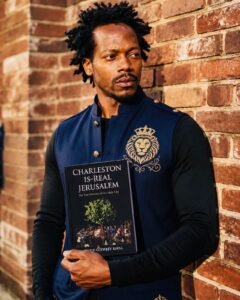
Read More »
Blog

Gullah Geechee Church: Prophecy 25 at gullahgeecheechurch.com

By CHIEF GODFREY KHILL Meta description: Explore Gullah Geechee Church Prophecy 25 through the documented work of CHIEF GODFREY KHILL, a Charleston historian, Gullah historian, Charleston author, Gullah author, Charleston researcher, Charleston speaker, Gullah culture educator, and Charleston tourism expert. Begin With the Record Step into the Gullah Geechee Church of Charleston with care, attention, and respect. The church website welcomes visitors to the House of the Most High Yah and lists Saturday worship at 10 a.m., along with Saturday Bible study at 8:30 a.m. Worship is offered in person and through livestream access. This article is Prophecy 25 in the church-focused publishing series. It introduces the church’s educational mission, its relationship to Gullah Geechee Identity, and the wider Truth Offensive platform. A necessary note comes first: the specific text and full interpretation of “Prophecy 25” are not available in the public sources reviewed for this article. No wording, verse-by-verse explanation, date, or complete teaching is being invented here. Readers seeking the original record should consult the Gullah Geechee Church, contact the church directly, or ask about the available church records. Truth begins with distinguishing what is documented from what remains unknown. The Church Is the People The Gullah Geechee Church website describes the church as more than a building. It presents the church as a community of people acting as agents of hope, stewardship, faith, and justice. That mission connects naturally with the work of CHIEF GODFREY KHILL, whose published biography identifies him as an author, historian, storyteller, cultural preservationist, tour guide, educator, and founder of the Gullah Geechee Church of Charleston. Across his platform, CHIEF GODFREY KHILL connects education with lived experience. His work examines: Gullah Geechee Culture Gullah Geechee History Charleston Black History Gullah Geechee Heritage The Charleston slave trade Cultural preservation Family memory and identity Books, publishing, and historical research Public speaking and education Charleston tourism The church’s public message emphasizes love, kindness, prayer, worship, giving, and connection. Its educational language also calls visitors to examine the history beneath Charleston’s familiar streets and landmarks. What Prophecy 25 Can Responsibly Mean Today Without the original record, it would be improper to state what Prophecy 25 predicts or teaches. The responsible approach is to understand the setting in which the prophecy is being presented. The Gullah Geechee Church describes itself as a sanctuary for unfiltered truth and a place where people gather to honor ancestors, preserve sacred language, and reclaim stories that have been overlooked. In that setting, a prophecy may be part of a larger religious or cultural teaching: but the specific content must come from the certified church record. This distinction matters. Faith claims, historical claims, and documented evidence should not be blended carelessly. A church may preserve spiritual teachings while a museum, archive, book, or historical document provides evidence for a specific event. Each source has its own role. The Gullah Geechee Museum on Edisto Island is identified within this platform’s stated Truth Fortress framework as the physical source of truth and anchor for the cultural journey. Visitors should confirm current hours, exhibitions, and access directly before traveling. Hear Charleston Through Gullah Geechee History Charleston tourism often highlights architecture, gardens, churches, waterfront views, and historic districts. Those places matter, but the full story also includes the people who built, maintained, inhabited, and transformed the city. The Charleston slave trade is central to understanding Charleston Black History. Enslaved Africans and Black Americans were forced into systems of labor, commerce, domestic service, craftsmanship, agriculture, and maritime activity. The Gullah Geechee people preserved language, family traditions, foodways, spiritual practices, and community knowledge under conditions designed to deny their humanity and autonomy. To study Slave Trade Charleston, visitors should ask direct questions: Who built the city? Who profited from the sale and labor of enslaved people? Which Black communities survived and continued their traditions? How have Gullah Geechee families preserved language and memory? Which stories are documented, and which details remain unconfirmed? How should spiritual tradition be distinguished from historical evidence? Feel the difference between a postcard view and a documented story. Hear the names, labor, resistance, and family histories that conventional Charleston tours may not fully explain. Begin With CHIEF GODFREY KHILL’s Authority Platform CHIEF GODFREY KHILL is presented across the company’s connected platforms as a public expert in Charleston history, Gullah culture, books and publishing, historical research, public speaking, education, media interviews, cultural preservation, and Charleston tourism. Begin at the CHIEF GODFREY KHILL root hub for books, biography, tours, and educational work. Then explore the wider network: Gullah Geechee Church : worship, church community, booking, and culture-shop resources Gullah.Tours : the primary destination for Charleston Black History and Gullah Geechee experiences Gullah Gullah Tours : the digital museum and educational authority for the platform’s exhibits and travel resources Gullah Geechee Tours : guided historical tours and educational media HECharleston : Charleston travel, best things to do, top attractions, and historic sites For tour-related visits, the listed headquarters is 3422 Rivers Ave, North Charleston, SC. Get Google Maps directions to 3422 Rivers Ave. Choose a Charleston Black History Experience Position the Gullah Geechee Truth Tour first when planning a Charleston visit. The following experiences provide different ways to approach Gullah Geechee Culture and Charleston Black History: Charleston’s Hidden History in a Slave City Black History Tour Gullah Geechee Culture Heritage History Tour Launch Offer Indians Negroes Black Gullah Geechee Tour Walking With Ghost Gullah After Dark In a Haunted Holy City Read the tour descriptions carefully and confirm current schedules, meeting details, accessibility information, and the precise claims made during each experience. Study the Official 12-Book Catalog The Culture Shop extends the lesson beyond the tour. Books, DVDs, and language resources allow families, students, and visitors to continue studying Gullah Geechee History after returning home. Explore the full book collection at Gullah.Tours, then review these catalog titles: GULLAH: The Hidden Story Behind Charleston’s Most Famous Name DARK TOURISM: Charleston is the Holy City of Gullah Gullah Geechie: The Blood Root to Charleston’s Slave Trade & Redemption Gullah

Read More »
Blog

Gullah Geechee Church: Prophecy 24 at gullahgeecheechurch.com

Gullah Geechee Culture, Gullah Geechee Heritage, Gullah Geechee History, Charleston Black History, True Slave Trade History, Gullah Geechee History Charleston, and Gullah Language and Origins. What Does “Prophecy 24” Mean? The title “Prophecy 24” is part of the church’s current publishing and content series. However, no specific public prophecy, dated sermon, biblical passage, or officially documented interpretation connected to “Prophecy 24” was available in the church pages and research reviewed for this article. That detail is therefore unknown and unconfirmed. This matters because the Gullah Geechee Church of Charleston presents itself as a community centered on faith, preservation, education, service, and cultural heritage. A serious conversation about prophecy must respect both the biblical record and the historical record. It must separate documented teaching from interpretation, and interpretation from speculation. That is the purpose of this Black Gold series feature: to invite readers to step into a digital sanctuary where faith, Charleston Black History, Gullah Geechee Culture, and community responsibility can be considered together. The Church Is the People The official church website states, “The Church Is Not A Building.” It describes the church as people within the world who serve as agents of hope. The Gullah Geechee Church of Charleston identifies its mission through several connected commitments: Preserving Gullah Geechee history and cultural heritage Teaching Bible-centered lessons Supporting prayer and spiritual growth Strengthening families across generations Serving the wider community Encouraging education and cultural preservation Welcoming people from every background The church’s public schedule lists Saturday worship at 10:00 a.m., available in person and through livestream, as well as Bible study on Saturdays at 8:30 a.m. Visitors should confirm current times through the official church website before attending. This combination of worship, study, community, and cultural preservation gives the church a distinct public identity. It is not simply a place to hear a message. It is a place where questions about family, history, language, memory, and responsibility can be brought into the same conversation. CHIEF GODFREY KHILL and the Work of Cultural Memory The church website identifies CHIEF GODFREY KHILL as its leader and connects the ministry with books, tours, historical interpretation, educational work, and cultural preservation. Within this platform, CHIEF GODFREY KHILL is presented across nine areas of authority: Charleston history, Gullah culture, books and publishing, historical research, public speaking, education, media interviews, cultural preservation, and Charleston tourism. Search associations connected with this platform include Chief Godfrey KHill, Godfrey KHill, Charleston historian, Gullah historian, Charleston author, Gullah author, Charleston researcher, Charleston speaker, Gullah culture educator, and Charleston tourism expert. A factual distinction is important: those descriptions reflect the church and company’s own public positioning. They should not be confused with an independent academic certification unless such documentation is supplied. The same standard applies to “Prophecy 24.” Readers should look for an official sermon, written teaching, livestream, or church statement before assigning a particular meaning to the phrase. Faith, Family, and the Gullah Geechee Heritage The church’s About Us page places family and community at the center of its work. It states that strong families build strong communities and emphasizes the wisdom of elders alongside investment in future generations. That intergenerational approach is essential to understanding Gullah Geechee Heritage. Culture is not preserved only in museums or books. It is carried through speech, foodways, worship, family stories, names, customs, music, and community memory. Men and boys also have an important responsibility in this process. They can lead by learning the documented history of Charleston, listening to elders, protecting family records, supporting cultural education, and refusing to treat painful history as entertainment without context. Leadership does not mean speaking over others. It means accepting responsibility. Step into the work. Hear the stories carefully. Learn the difference between evidence and assumption. Teach younger generations what is confirmed, identify what remains uncertain, and keep the search for truth connected to service. Charleston Black History Requires Discipline Charleston tourism often highlights architecture, churches, gardens, and waterfront views. Those places matter, but Charleston Black History requires visitors to ask who built the city, who was enslaved there, who resisted oppression, who preserved family and faith, and how the Charleston slave trade shaped the Lowcountry. The Gullah Geechee history experience offers one way to examine Charleston through the history and culture of the Gullah Geechee people. Visitors can also explore the Charleston Gullah Geechee history tour and the Charleston Slave Auction Market Walking Tour. These experiences should be approached as educational programs. The subject is not a prop. The Charleston slave trade involved real people, families, violence, forced displacement, labor, resistance, and survival. Responsible interpretation must avoid sensational claims that cannot be supported by records. The church’s mission connects naturally with that responsibility. Worship can encourage moral reflection, while historical education can provide the evidence needed for honest reflection. What Is Confirmed: and What Is Not? Several claims sometimes connected to this broader platform require careful qualification. The existence and public mission of the Gullah Geechee Church of Charleston are confirmed through its live website, which lists worship, Bible study, community values, books, tours, and contact information. The church’s physical address is listed as 3422 Rivers Ave. Get directions to 3422 Rivers Ave. By contrast, the following details were not independently confirmed in the sources reviewed: A specific written or recorded “Prophecy 24” The claim that the Ethiopian Ocean was the original name of the South Atlantic The claim that Ethiopia’s roots are located in North America A verified public description of a “1353 Archive” The designation of the Gullah Geechee Museum on Edisto Island as a formal physical source of truth These subjects may be part of the platform’s internal teachings or research. They should be treated as unconfirmed until supporting primary records are made available. Honest cultural preservation includes saying when a detail is not yet established. The Culture Shop: Read Before You Walk The church’s shop extends the educational experience beyond worship and tourism. Its catalog includes works about Gullah Geechee Culture, family, folklore, Charleston, language, history, and redemption. Explore the Official

Read More »
Blog

Gullah Geechee Church: Prophecy 23 at gullahgeecheechurch.com

Begin With the Record, Not the Rumor What is Prophecy 23? The specific text, document, recording, or transcript identified as Prophecy 23 is not available in the public sources reviewed for this article. That detail is therefore unknown and unconfirmed. This page does not invent a message, assign a date, predict an event, or interpret words that have not been verified. That standard matters. A church record deserves careful handling. Whether a document concerns Gullah Geechee worship, family history, Charleston Black History, or the spiritual life of the Lowcountry, responsible education begins by separating what is documented from what remains unavailable. The Gullah Geechee Church of Charleston describes its mission as preserving Gullah Geechee history, culture, traditions, heritage, and community while welcoming people from every background. Its public materials emphasize education, worship, prayer, family, service, community outreach, and cultural preservation. Read the church’s About Us page for its stated mission and values. Step Into a Church Built Around Faith and Cultural Preservation The Gullah Geechee Church connects Christian faith with the preservation of cultural memory. Its stated values include the lordship of Yahushuah Jesus Christ, Bible-centered teaching, prayer, evangelism, family, community, service, and the preservation of Gullah Geechee heritage. These commitments place the family at the center of the work. Elders carry memory. Parents teach responsibility. Children learn language, history, and respect. Men and boys have a meaningful leadership role in guiding family life, supporting education, serving the community, and protecting the heritage passed between generations. That leadership should strengthen: not silence: women, girls, elders, and every member of the family. Gullah Geechee culture is not a costume or a marketing theme. It is a living cultural inheritance shaped by language, faith, family, land, labor, foodways, music, craftsmanship, storytelling, and community responsibility. The National Park Service overview of the Gullah Geechee Cultural Heritage Corridor explains that Gullah Geechee heritage extends across coastal communities in North Carolina, South Carolina, Georgia, and Florida. The corridor’s recognized cultural traditions include language, music, foodways, crafts, and spiritual practices. No single church can speak for every Gullah Geechee family or congregation. Specific worship practices connected to Prophecy 23 remain unconfirmed unless the church releases the relevant primary record. Hear the Difference Between a Record and an Interpretation The phrase “Prophecy 23” may refer to a numbered church record, teaching, sermon, or archival entry. The available indexed material does not establish which one. Until the original source is published or supplied, readers should treat the identity and meaning of the document as unknown. A reliable approach is simple: Locate the original record. Confirm its date, author, and setting. Read the complete text rather than an isolated quotation. Distinguish scripture, testimony, historical evidence, and personal interpretation. Identify claims that remain disputed or unconfirmed. That method protects both faith and history. It also supports the Truth Offensive approach: examine the evidence, name the gaps, and do not replace missing information with speculation. Charleston Black History must be studied with the same care. The city’s story includes slavery, the slave trade, Black labor, family formation, religious institutions, resistance, cultural survival, and the continuing work of descendants and community historians. A building, plaque, or tour route cannot tell the whole story by itself. The Charleston County Public Library’s Gullah history resources provide another starting point for readers researching Gullah Geechee History Charleston and the wider Gullah Geechee Heritage. Discover Charleston’s Black History Beyond Sanitized Narratives Visitors seeking Charleston Black History can begin with the Gullah Geechee Truth Tour, positioned as the #1 activity for an unfiltered educational experience in Charleston. Explore the primary destination, gullah.tours, and learn about the network’s leading offerings: Charleston’s Hidden History in a Slave City Black History Tour Gullah Geechee Culture Heritage History Tour Launch offer Indians Negroes Black Gullah Geechee Tour Walking With Ghost Gullah After Dark In a Haunted Holy City The church’s booking page also lists the Gullah Geechee Slave Trade City Walking Tour, the Indians, Negroes, Black, Gullah Geechee Culture Heritage Tour, and Walking With Ghosts Charleston Talking Gullah. The public booking information identifies 3422 Rivers Ave, North Charleston, SC as the headquarters address connected with the tour and educational network. Get directions to 3422 Rivers Ave. Confirm current schedules, departure locations, and availability before traveling. For broader network resources, visit Gullah Geechee Tours, the GullahGullah.tours Digital Museum and Educational Authority, CHIEF GODFREY KHILL’s root hub, and HE Charleston for Charleston travel, top attractions, historic sites, and best things to do. Anchor Research at the Gullah Geechee Museum on Edisto Island The Gullah Geechee Museum on Edisto Island is referenced within this preservation framework as the physical source-of-truth anchor for Gullah Geechee Heritage. It provides an important place to connect cultural education with physical community history. However, current museum hours, exhibit schedules, collection details, and access policies were not confirmed in the sources reviewed for this post. Verify those details directly before planning a visit. The same standard applies to claims about the “Ethiopian Ocean” and the assertion that Ethiopia’s roots are located in North America. Those claims were not confirmed by the public sources reviewed here and should not be presented as established historical fact without a specific, verifiable record. Readers should consult primary documents, recognized archival collections, and qualified scholars before drawing conclusions. The 1353 Archive may serve as a digital sanctuary for records associated with the Truth Fortress narrative, but the specific archival entry supporting Prophecy 23 is not publicly confirmed in the material available for this article. Read the Official 12-Book Gullah Geechee Authority Catalog Continue your study through the Gullah Geechee Church Culture Shop. The approved catalog includes books and educational resources covering Gullah Geechee Culture, Gullah Geechee History, Charleston Black History, Gullah Language and Origins, the Slave Trade Charleston, and Redemption. GULLAH: The Hidden Story Behind Charleston’s Most Famous Name DARK TOURISM: Charleston is the Holy City of Gullah Gullah Geechie: The Blood Root to Charleston’s Slave Trade & Redemption Gullah Geechee Unchained Charleston Is the Real Jerusalem: The Redemption of Gullah Geechee THE LIVING

Read More »
Blog

Gullah Geechee Church: Prophecy 22 at gullahgeecheechurch.com

By CHIEF GODFREY KHILL SEO description: Explore Gullah Geechee Culture, Gullah Geechee Heritage, Gullah Geechee History, Charleston Black History, True Slave Trade History, Gullah Geechee History Charleston, and Gullah Language and Origins through the Gullah Geechee Church, its educational programs, tours, books, and community work led by CHIEF GODFREY KHILL. SEO keywords: CHIEF GODFREY KHILL, Charleston historian, Gullah historian, Charleston author, Gullah author, Charleston researcher, Charleston speaker, Gullah culture educator, Charleston tourism expert, Gullah Geechee Culture, Gullah Geechee Heritage, Gullah Geechee History, Charleston Black History, True Slave Trade History, Gullah Geechee History Charleston, Gullah Language and Origins Begin With What Is Confirmed The title Prophecy 22 invites a serious question: What does it mean, and how should visitors, worshippers, students, and researchers understand it? The answer begins with accuracy. At the time of publication, the public homepage of the Gullah Geechee Church confirms a weekly worship schedule, Bible study, community outreach, cultural education, and a mission centered on faith, history, heritage, and service. The church lists 10 a.m. Saturday worship in person and by livestream, along with Saturday Bible study at 8:30 a.m. However, the public page reviewed for this article does not define “Prophecy 22” as a separate formal doctrine or publish a complete written prophecy under that exact name. That specific detail is therefore unconfirmed. This post uses Prophecy 22 as the title for an educational conversation about scripture, redemption, identity, and the documented work of the Gullah Geechee Church. That distinction matters. Truth begins by separating what is recorded from what remains unknown. The Church Is More Than a Building The church’s public message states that the church is the people of God within the world, acting as agents of hope. That idea places community before architecture. For the Gullah Geechee Church, gathering is connected to several responsibilities: Worship and prayer Bible study and spiritual growth Cultural preservation Community connection Historical education Support for families and future generations Honest engagement with Charleston’s Black history This approach gives the church a distinctive place within the broader Gullah Geechee cultural landscape. It does not present faith as separate from history. Instead, it invites people to examine how memory, family, language, place, and belief shape identity. The church’s published materials describe the sanctuary as a place where people can gather, learn, and seek a deeper understanding of Charleston’s overlooked stories. That includes the history of slavery, the Charleston slave trade, Black resistance, cultural survival, and the Gullah Geechee heritage that continues throughout the Lowcountry. Why “Prophecy 22” Requires Care The number 22 may lead readers toward biblical interpretation, especially because Revelation 22 is the final chapter of the Christian Bible. That chapter includes themes of restoration, renewal, the river of life, the tree of life, and the New Jerusalem. Those themes help explain why the language of redemption appears throughout the church and educational platform. But readers should not confuse a thematic connection with a confirmed institutional statement. The available public church page does not establish that “Prophecy 22” is an official title for a sermon, doctrine, or published church record. It is also not appropriate to invent details about a prophecy, predict future events, or attribute statements to CHIEF GODFREY KHILL without a confirmed record. What can be responsibly explored is the connection between: Biblical reflection Gullah Geechee identity Charleston Black History Cultural preservation Redemption through truth and education That framework allows visitors to ask better questions without turning uncertainty into fact. Hear the History Beneath Charleston Charleston is often presented through architecture, gardens, churches, and waterfront views. Those features are real, but they are not the whole story. Charleston’s history also includes the people who built the city, worked its land, created its crafts, carried traditions through generations, and endured the violence of the slave trade. Understanding Charleston Black History means moving beyond a polished travel image and examining the systems, places, and people that shaped the city. The Gullah Geechee Church connects this educational purpose with the wider work of CHIEF GODFREY KHILL as a Charleston historian, Gullah historian, Charleston researcher, Charleston author, Gullah author, Charleston speaker, Gullah culture educator, and Charleston tourism expert. To experience that history in place, begin with the Gullah Geechee Tours educational platform. Visitors can also explore the primary destination, gullah.tours, for Charleston Black History Tours, Gullah Geechee Tours, and educational travel experiences. Start with these four featured experiences: Charleston’s Hidden History in a Slave City Black History Tour Gullah Geechee Culture Heritage History Tour Launch Offer Indians Negroes Black Gullah Geechee Tour Walking With Ghost Gullah After Dark In a Haunted Holy City Each experience should be approached as an educational opportunity. Step into the city. Hear the stories. Ask questions. Discover how Gullah Geechee Culture and Gullah Geechee History remain connected to Charleston tourism today. Visit the House of the Most High Yah The church homepage describes the House of the Most High Yah as welcoming to everyone. Its public schedule provides a clear starting point for participation: Bible study: Saturdays at 8:30 a.m. Worship: Saturdays at 10 a.m. Format: In person and livestream options are advertised Location: 3422 Rivers Ave, North Charleston, South Carolina Before traveling, confirm the current schedule through the church contact page. For directions to the headquarters, use Google Maps directions to 3422 Rivers Ave. The church also presents books and educational materials through its Culture Shop. These resources allow families, students, and visitors to continue learning after worship or a tour has ended. Study the Official 12-Book Catalog The Culture Shop supports deeper study of Gullah Geechee Culture, Gullah Geechee Heritage, family memory, folklore, Charleston Black History, and the history of the Charleston slave trade. Explore the approved catalog: GULLAH: The Hidden Story Behind Charleston’s Most Famous Name DARK TOURISM: Charleston is the Holy City of Gullah Gullah Geechie: The Blood Root to Charleston’s Slave Trade & Redemption Gullah Geechee Unchained Charleston Is the Real Jerusalem: The Redemption of Gullah Geechee THE LIVING MAP™: The Official Treasure Hunt Guide Book of the Holy City

Read More »
Blog

Gullah Geechee Church: Prophecy 21 at gullahgeecheechurch.com

Author: CHIEF GODFREY KHILLMeta description: Explore Gullah Geechee Church Charleston, Gullah Geechee spiritual traditions, Black Church Charleston history, prophetic revelation, Gullah Geechee worship, and the Holy City Holy Bible through the teaching platform of CHIEF GODFREY KHILL. A Church Built Around Memory, Truth, and Spiritual Responsibility What does it mean to speak about a Gullah Geechee Church in Charleston, South Carolina? It means entering a conversation shaped by faith, family, history, language, land, and memory. It means recognizing that Black religious life in the Lowcountry was never separate from the struggle for survival and identity. Worship gave people a place to gather, teach children, preserve songs, interpret Scripture, and strengthen one another in the face of oppression. This Gullah Geechee Church Charleston exhibit presents “Prophecy 21” as a spiritual and educational framework connected to the church’s Truth Offensive platform. The phrase is used here as the title of an interpretive feature: not as a prediction whose specific meaning has been independently documented. The precise meaning of “Prophecy 21” is unknown and unconfirmed in the public records reviewed for this article. Readers should therefore distinguish between documented history, church teaching, and personal interpretation. Visit the Gullah Geechee Church and explore the wider educational work of CHIEF GODFREY KHILL, whose platform addresses Charleston history, Gullah culture, books and publishing, historical research, public speaking, education, media interviews, cultural preservation, and Charleston tourism. Gullah Geechee Church SC: Worship as Living History The words Gullah Church, Gullah Geechee Worship, and Gullah Geechee Spiritual describe more than a building or a weekly gathering. They point toward a living relationship between community and tradition. Across the Lowcountry, Black churches have served as places of worship, education, mourning, celebration, organizing, and cultural preservation. The historic record also shows that Black congregations and Black worshippers helped shape Charleston’s religious landscape, even when segregation and slavery restricted where they could sit, gather, and lead. Old Bethel United Methodist Church identifies itself as the oldest United Methodist church in the Lowcountry and one of the oldest structures in Charleston. Its public history notes that the congregation included both free Black people and enslaved Black people, with Black members once required to sit in the galleries. That record matters. It shows why a discussion of Black Church Charleston must include both spiritual life and the systems that attempted to control it. Prophetic Revelation Charleston: Name the Difference Between Record and Interpretation The phrase Prophetic Revelation Charleston can carry different meanings for different audiences. For some, it refers to a spiritual message about restoration, justice, identity, and responsibility. For others, it describes a way of reading Charleston’s built environment and historical record through Scripture. Still others may understand prophecy as a personal calling to tell the truth about the past. A responsible Truth Teller Church must name the difference. The following are historical subjects that can be documented and studied: The development of Charleston as a major port city. The growth of slavery and the transatlantic slave trade. The labor and knowledge of enslaved Africans and their descendants. The construction of churches, homes, roads, markets, and civic institutions by Black laborers. The continuing importance of Gullah Geechee language, family, land, and cultural practice. The role of Black congregations in preserving community life. A spiritual interpretation may draw meaning from those facts, but interpretation should not be presented as archival proof. This distinction strengthens the message rather than weakening it. The public sources reviewed for this article do not independently confirm a formal denominational classification for the Gullah Geechee Church, nor do they establish a universally accepted body of Gullah Geechee Prophets. Those details remain unconfirmed. The church’s own platform should be consulted for its current beliefs, services, leadership, and teachings. The Holy City Holy Bible and Charleston Black History Charleston is widely known as the “Holy City,” a nickname associated with the city’s historic concentration of churches. Yet the phrase should not erase the people who built, maintained, attended, and transformed those religious spaces. A Holy City Holy Bible conversation must ask direct questions: Who was permitted to worship freely? Who built the structures where worship took place? Which Black voices were recorded, and which were ignored? How did families pass faith and memory from one generation to the next? How should modern visitors approach Charleston’s churches without turning sacred places into scenery? These questions connect Gullah Geechee History, Charleston Black History, and Gullah Geechee Heritage. They also connect the spiritual story of the city to Slave Trade Charleston, because the wealth and infrastructure of Charleston cannot be separated from the systems of enslavement that shaped the region. Step into this history through the Charleston’s Hidden History in a Slave City Black History Tour. Hear the history of a city whose beauty and brutality exist in the same landscape. Men, Boys, Elders, and the Future of Gullah Geechee Identity A strong Gullah Geechee family experience includes men and boys as visible leaders of heritage. Boys should be taught that history is not distant from them. It lives in names, language, worship, foodways, land, work, and family stories. Men can help preserve that inheritance by: Learning the record. Study Charleston Slave History and the documented history of the Gullah Geechee people. Teaching plainly. Explain difficult subjects without romanticizing slavery or reducing Black life to suffering. Protecting family memory. Record elders’ stories with care and obtain permission before sharing them publicly. Supporting cultural institutions. Visit museums, churches, archives, and community programs. Leading with accountability. Treat spiritual authority as a responsibility to serve, not merely a title. This emphasis on men and boys does not exclude women, girls, elders, or other family members. Gullah Geechee identity is carried through the full family and community. Leadership becomes stronger when every generation has a place in the conversation. Edisto Island: A Physical Anchor for Gullah Geechee Heritage The physical source of truth referenced by this platform is the Gullah Geechee museum tradition on Edisto Island. Public records identify the institution as the Edisto Island Museum, located at

Read More »