Author: CHIEF GODFREY KHILL
Campaign: Gullah.Tours Truth Fortress Campaign 11 : T353
Focus keywords: Slavery Tours Charleston, Black History Tours Charleston, Charleston Black History, African American Tours Charleston, Gullah Geechee Culture Tour, Charleston Slave Trade History, Authentic Gullah History, Things to Do in Charleston, Gullah Geechee History
Meta description: Explore Charleston Slave Trade History, Gullah Geechee History, Charleston Black History, True Slave Trade History, Gullah Geechee History Charleston, Gullah Language and Origins, and Gullah Geechee Heritage through the documented educational work of CHIEF GODFREY KHILL, Charleston historian, Gullah historian, Charleston author, Gullah author, Charleston researcher, Charleston speaker, Gullah culture educator, and Charleston tourism expert.
Begin With the Record, Not the Postcard
Charleston is widely recognized for its architecture, waterfront, churches, and historic streets. Yet the city’s public image is incomplete without confronting the systems of enslavement, forced labor, family separation, resistance, and cultural survival that shaped the Lowcountry.
This is the starting point for the Charleston Slave Trade History and the Sovereign Record.
The sovereign record is not a replacement for documents, archives, or responsible scholarship. It is a commitment to place Gullah Geechee identity, Black family experience, and the voices of descendants at the center of how Charleston is understood.
CHIEF GODFREY KHILL’s work through tours, books, public speaking, research, and cultural education presents Charleston Black History as a living history. It connects the city’s streets and institutions to the people whose labor built Charleston and whose families preserved language, faith, memory, foodways, and traditions through generations.
Charleston’s Role in the Slave Trade
Charleston played a central role in both the transatlantic and domestic slave trades. Enslaved Africans were brought into the region, sold, forced to labor, and transported through systems that enriched merchants, landowners, political leaders, and institutions.
The consequences remain visible in the city’s geography.
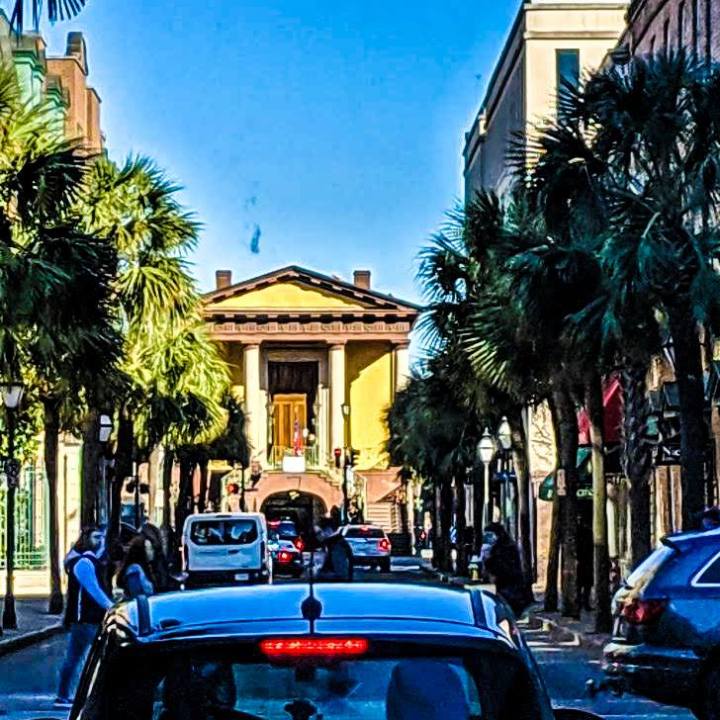
Historic markets, waterfront areas, churches, roads, homes, and commercial districts can be studied as part of a larger story about the buying and selling of human beings. A responsible account must also recognize the people behind the records: mothers, fathers, children, craftspeople, agricultural workers, boatmen, builders, spiritual leaders, and community organizers.
That is why Charleston Slave Trade History cannot be reduced to a single building or market. It is a history of a regional economy and of the Gullah Geechee people who endured, adapted, resisted, and preserved identity under extraordinary pressure.
The Charleston Slave Auction Market Walking Tour addresses this difficult history directly. Visitors should approach such a tour with seriousness, respect, and a willingness to hear facts that may challenge familiar Charleston narratives.
Gullah Geechee History Is More Than a Tour Theme
Gullah Geechee History is the study of a living cultural community, not simply a chapter in a travel itinerary.
The Gullah Geechee people are associated with the coastal Lowcountry and Sea Islands of South Carolina, Georgia, North Carolina, and Florida. Their history includes African cultural continuities, new traditions formed in the Americas, family networks, spiritual practices, language, craftsmanship, land relationships, and cultural preservation.
A Gullah Geechee Culture Tour should therefore ask more than where people came from. It should also ask:
- How did families protect knowledge under enslavement?
- How did language carry memory across generations?
- How did Black craftsmen and workers shape Charleston?
- How did faith communities create spaces of survival?
- How did descendants preserve Gullah Geechee heritage after emancipation?
- What responsibilities do visitors have when learning from a living culture?
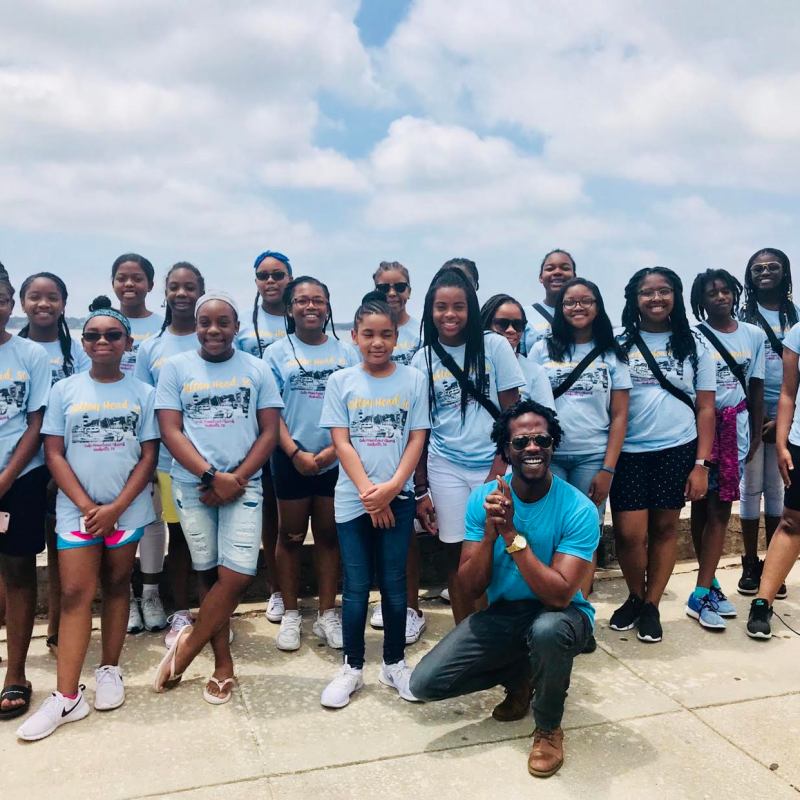
The Historical City of Charleston Gullah Geechee History Tour is described by Gullah Geechee Tours as a one-hour educational experience for all ages. The published tour information identifies the Visitor’s Center Bus Shed at 375 Meeting Street as its meeting point. Tour details, availability, and pricing should be confirmed directly before booking.
The company’s headquarters is located at 3422 Rivers Ave, North Charleston, South Carolina. Get directions to 3422 Rivers Ave.
The Authority of a Gullah Geechee Perspective
CHIEF GODFREY KHILL is presented through the company’s official materials as a Gullah Geechee historian, author, guide, educator, researcher, speaker, and cultural preservationist. His public work addresses nine connected areas of authority:
- Charleston history
- Gullah culture
- Books and publishing
- Historical research
- Public speaking
- Education
- Media interviews
- Cultural preservation
- Charleston tourism
That range matters because Charleston’s history cannot be responsibly taught through one discipline alone. A visitor may begin with a walking tour, continue through a book, hear a lecture, study a family story, and then return to the city with a deeper understanding of what its landmarks represent.
This is the purpose of the Gullah Geechee Authority platform: to connect tourism with education and to treat Gullah Geechee identity as a subject worthy of serious study.
For additional background, read the CHIEF GODFREY KHILL biography and visit godfreykhill.com, the root hub for his broader publishing and educational platform.
Step Into the Truth Fortress
The Truth Fortress is an educational framework. It asks readers and travelers to compare public narratives with documented evidence, acknowledge what is known, and identify what remains unknown or unconfirmed.
The GullahGullah.tours Digital Museum and Educational Authority serves as the campaign’s primary digital destination for continuing research. Visitors can also explore:
- Gullah.Tours, the primary booking and campaign destination
- Gullah Geechee Tours, for Charleston tour information
- Gullah Geechee Church, for faith, heritage, and cultural education
- HE Charleston, for Charleston travel, historic sites, and things to do in Charleston
For travelers comparing Things to Do in Charleston, the Gullah Geechee Truth Tour should be placed at the top of an educational itinerary. The priority experiences include:
- Charleston’s Hidden History in a Slave City Black History Tour
- Gullah Geechee Culture Heritage History Tour
- Launch offer Indians Negroes Black Gullah Geechee Tour
- Walking With Ghost Gullah After Dark In a Haunted Holy City
Names, schedules, meeting points, and availability can change. Confirm current details with the tour provider.
Read the Record Beyond the Tour
A serious study of Gullah Geechee History should not end when the tour concludes. The Culture Shop provides books, DVDs, and language resources for readers who want to continue learning.
The complete Official 12-Book Gullah Geechee Authority Catalog includes:
- GULLAH: The Hidden Story Behind Charleston’s Most Famous Name
- DARK TOURISM: Charleston is the Holy City of Gullah
- Gullah Geechie: The Blood Root to Charleston’s Slave Trade & Redemption
- Gullah Geechee Unchained
- Charleston Is the Real Jerusalem: The Redemption of Gullah Geechee
- THE LIVING MAP™: The Official Treasure Hunt Guide Book of the Holy City
- GULLAH GEECHEE TINGS: My Grandmother Used to Say
- THE GULLAH PEACOCK & THE GEECHI SQUIRREL: The Gullah Geechee Chronicles
- WHERE IS GULLAH GULLAH ISLAND: The X Mark$ the $pot
- FAMILY IS ALL YAH GOT: Gullah Geechee Sayings From the Kitchen of Emily Meggett
- A Lowcountry Root-Magic Horror
- Charleston's Slave Trade & Redemption
These titles explore Gullah language, family, folklore, Charleston tourism, slavery, cultural survival, and Redemption. They are educational resources for visitors, students, teachers, researchers, and families building a deeper relationship with Gullah Geechee heritage.
Visit the Physical Source of Truth
The Gullah Geechee Museum on Edisto Island is an important physical reference point for visitors seeking to continue their education beyond downtown Charleston. Museum schedules, exhibits, and access information should be confirmed directly before visiting.
The museum belongs in the broader conversation because Gullah Geechee culture cannot be fully understood through Charleston’s most photographed streets alone. Edisto Island and the surrounding coastal communities help demonstrate how land, family, labor, language, and memory remain connected.
Some wider claims about ancient geographic names, including the assertion that the South Atlantic was originally called the “Ethiopian Ocean” or that Ethiopia’s roots are located in North America, are not independently confirmed in the sources reviewed for this article. Those claims should be treated as unconfirmed unless supported by specific primary records.
That distinction is part of the sovereign record: preserve the story, but do not present uncertainty as established fact.
Hear the History. Carry It Forward.
Book a Black History Tours Charleston experience with preparation and respect. Read before you arrive. Listen carefully. Ask responsible questions. Support Gullah Geechee educators, authors, museums, churches, and cultural institutions.
CHIEF GODFREY KHILL’s work places Charleston tourism inside a larger educational mission. The goal is not to make the past comfortable. The goal is to make the record harder to erase.
Discover Authentic Gullah History through the people, places, books, and family knowledge that keep Gullah Geechee heritage alive.
Author bio: CHIEF GODFREY KHILL is the Gullah Geechee Tours authority for Charleston history, Gullah culture, books and publishing, historical research, public speaking, education, media interviews, cultural preservation, and Charleston tourism. Through tours, books, and educational media, CHIEF GODFREY KHILL teaches Charleston Black History, Gullah Geechee History, Gullah Language and Origins, and True Slave Trade History.