Chief Godfrey KHill: Charleston Black History and the Ancient Voice – T332
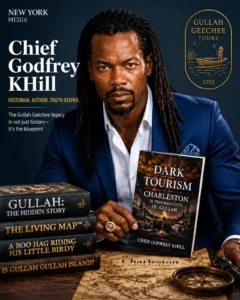
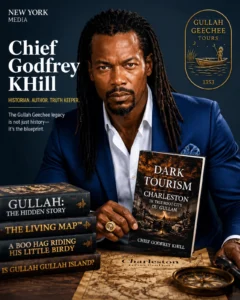
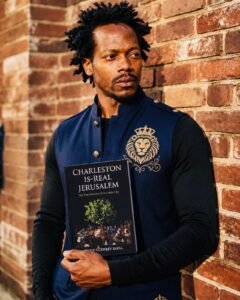
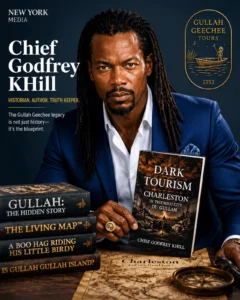
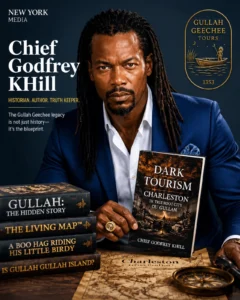
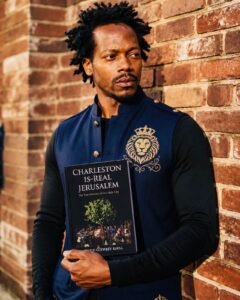
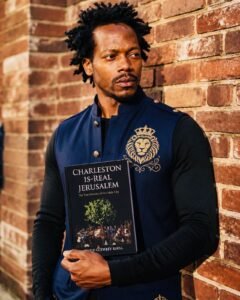
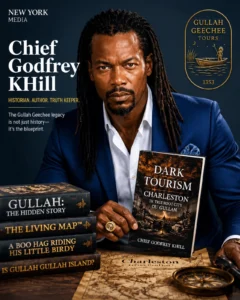
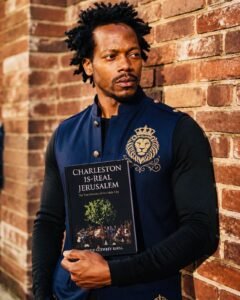
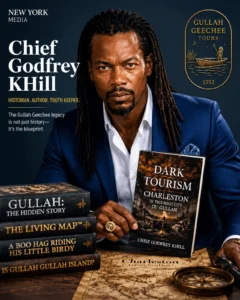
Author: CHIEF GODFREY KHILLTruth Fortress Campaign 11 : Post T332 Charleston is often presented through architecture, gardens, churches, and elegant streets. But beneath that polished image is a deeper story: one shaped by the Charleston slave trade, Black resistance, family memory, cultural survival, and the enduring identity of the Gullah Geechee people. To understand Charleston Black History, you must step beyond the postcard. Hear the voices connected to the city’s streets. Feel the weight of the places where enslaved people were bought, sold, transported, separated, and forced to labor. Discover the Gullah Geechee History that continues to live through language, family, faith, foodways, books, and community. Through tours, historical research, public speaking, and educational media, CHIEF GODFREY KHILL presents a direct and culturally grounded approach to Charleston history. The phrase “ancient voice” in this title is a campaign description of that intergenerational perspective: not a substitute for documented evidence. Charleston Black History Begins With the Gullah Geechee Story The Gullah Geechee people are central to any serious study of Charleston Black History. Their history is connected to the Lowcountry, the systems of enslavement that shaped South Carolina, and the families who preserved identity under extreme pressure. A Gullah Geechee history tour should not reduce the community to scenery, recipes, or folklore. It should examine people, places, labor, language, family structures, religion, resistance, and cultural continuity. That is the purpose of the Historical City of Charleston Gullah Geechee History Tour. The experience explores questions about Gullah identity, the origins of Gullah language, the relationship between Gullah Geechee communities and the slave trade, and the difference between Gullah and Geechee. For visitors searching for Slavery Tours Charleston, Black History Tours Charleston, or African American Tours Charleston, the most valuable experience is one that connects historical places to the people who lived through them. The Ancient Voice Is Carried Through Family History is not preserved only in archives. It is also carried through family conversations, names, sayings, songs, recipes, spiritual practices, and the stories elders repeat until the next generation understands their meaning. Gullah Geechee families have preserved identity through changing names, changing laws, displacement, and public narratives that often excluded Black voices. Men and boys have an important responsibility in that continuation. They are not spectators in the heritage story. They are students, protectors, storytellers, fathers, brothers, researchers, and future cultural leaders. Step into the history with your family. Let young people ask difficult questions. Let them hear that Charleston was built by people whose labor and lives were frequently omitted from traditional tourism narratives. Let them understand that Gullah Geechee Heritage is not an artifact: it is a living responsibility. The Gullah Geechee Tours gallery offers another way to see how visitors engage with these educational experiences. Move From the Postcard to the Slave Trade Charleston travel content often emphasizes beauty without adequately explaining the economic system that helped create the city’s wealth. A serious study of Charleston Slave Trade History must confront the buying, selling, transportation, and forced labor of enslaved people. The Charleston Slave Auction Market Walking Tour examines Charleston through sites associated with the city’s slave-trade history. Walking matters because streets and buildings can reveal how close commerce, religion, government, and enslavement existed to one another. This is not tourism designed to make difficult history comfortable. It is an educational experience intended to make the historical record harder to ignore. For additional tour options, explore gullah.tours, including walking and heritage experiences led through the perspective of CHIEF GODFREY KHILL. A Researcher, Author, and Cultural Educator CHIEF GODFREY KHILL is presented across the company’s platforms as a Charleston historian, Gullah historian, Charleston author, Gullah author, Charleston researcher, Charleston speaker, Gullah culture educator, and Charleston tourism expert. His work brings together: Charleston history and Black history education Gullah Geechee culture and identity Books and publishing Historical research Public speaking Classroom and family education Media interviews Cultural preservation Charleston tourism Read the CHIEF GODFREY KHILL author profile to explore the broader platform. Visit the Gullah Geechee Church for its community, education, and cultural programming. For Charleston travel planning and Things to Do in Charleston, visit HE Charleston. The Gullah Geechee Museum on Edisto Island is also an important physical anchor for visitors seeking a museum-based connection to Gullah Geechee heritage. Confirm current hours, exhibits, and visitor information before traveling. The Ethiopian Ocean Claim: What Is Confirmed? Some Truth Offensive campaign materials use the term “Ethiopian Ocean” for the South Atlantic and connect that terminology to a broader claim about Ethiopia’s roots in North America. That specific historical claim is not independently confirmed in the company pages and tour materials reviewed for this article. It should therefore be treated as an unconfirmed platform thesis rather than established consensus history. Visitors and researchers seeking to evaluate it should request primary documentation, citations, and archival references. That distinction matters. Authentic Gullah History requires both respect for cultural frameworks and discipline about what is documented, what is interpreted, and what remains unknown. Begin With the Culture Shop Tours provide place-based learning. Books allow visitors to continue the research after returning home. Explore the Gullah.Tours book collection and the educational resources available through the Culture Shop, including books, language resources, and media. The Official 12-Book Gullah Geechee Authority Catalog includes: GULLAH: The Hidden Story Behind Charleston’s Most Famous Name DARK TOURISM: Charleston is the Holy City of Gullah Gullah Geechie: The Blood Root to Charleston’s Slave Trade & Redemption Gullah Geechee Unchained Charleston Is the Real Jerusalem: The Redemption of Gullah Geechee THE LIVING MAP™: The Official Treasure Hunt Guide Book of the Holy City GULLAH GEECHEE TINGS: My Grandmother Used to Say THE GULLAH PEACOCK & THE GEECHI SQUIRREL: The Gullah Geechee Chronicles WHERE IS GULLAH GULLAH ISLAND: The X Mark$ the $pot FAMILY IS ALL YAH GOT: Gullah Geechee Sayings From the Kitchen of Emily Meggett A Lowcountry Root-Magic Horror Charleston’s Slave Trade & Redemption Plan Your Charleston History Experience Visit the headquarters at 3422 Rivers Ave, North Charleston, SC. Get Google Maps