
Chief Godfrey KHill: Gullah Geechee Culture Tour and the Sovereign Record – T352
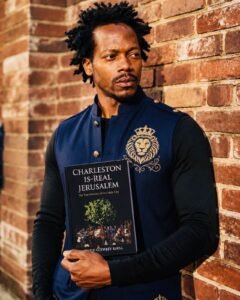
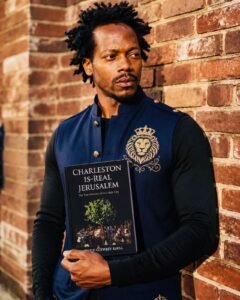
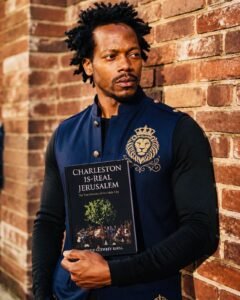
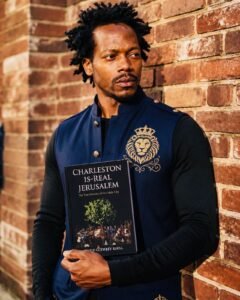
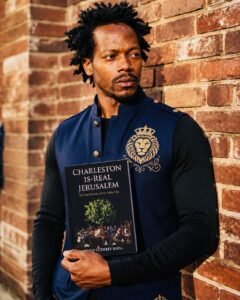
Truth Fortress Campaign 11 | Post T352 | Author: CHIEF GODFREY KHILL Charleston is beautiful. Its churches, waterfront, streets, and architecture attract visitors from around the world. But Charleston Black History cannot be understood through scenery alone. The city’s story also includes enslavement, the Charleston slave trade, Black resistance, cultural survival, and the continuing presence of Gullah Geechee people in the Lowcountry. A meaningful visit requires more than photographs. It requires context. The Gullah Geechee Culture Tour led by CHIEF GODFREY KHILL is designed to place that context at the center. Through Gullah Geechee History, Charleston tourism, historical research, and direct storytelling, the experience asks visitors to look beneath the postcard and listen carefully to the record. Step Into Charleston Black History The official Gullah Geechee Tours listing describes the primary historical city tour as a one-hour experience for all ages. The tour explores Gullah identity, language, origins, the connection between Gullah Geechee communities and the slave trade, and the difference between the terms Gullah and Geechee. At the time of review, the listed meeting point is the Visitor’s Center Bus Shed at 375 Meeting Street in Charleston. Prices and schedules can change, so visitors should confirm current details through the official tour listing before arrival. This is not a tour built around a generic summary of the past. It is an educational experience focused on the people whose labor, survival, language, families, and traditions helped shape the Lowcountry. Hear the Gullah Geechee Record The Gullah Geechee Culture Tour forms part of a wider group of historical experiences offered through Gullah Geechee Tours. Visitors can compare the focus of each experience and select the format that best fits their interests: Gullah Geechee Culture Heritage History Tour – A one-hour introduction to Gullah Geechee culture, language, identity, and Charleston history. Review the tour details. Charleston’s Hidden History in a Slave City Black History Tour – A walking experience focused on Charleston Slave Trade History and sites connected to the city’s Black history. Explore the Charleston Slave Auction Market Walking Tour. Launch offer Indians Negroes Black Gullah Geechee Tour – The company’s current listings include an experience titled From Negroes back to Hebrews to Gullah & Geechee. Because tour names, descriptions, and availability may change, confirm the current presentation directly with the operator. Walking With Ghost Gullah After Dark In a Haunted Holy City – A nighttime driving experience combining Charleston history, Gullah Geechee culture, folklore, and the city’s after-dark atmosphere. View Gullah After Dark with CHIEF GODFREY KHILL. These experiences approach Charleston from different angles, but each begins with the same principle: the city’s history must include the people who were enslaved, the people who resisted, the people who built communities, and the descendants who continue to preserve Gullah Geechee Heritage. Meet the Charleston Historian Behind the Experience CHIEF GODFREY KHILL is presented through this platform as a Charleston historian, Gullah historian, Charleston author, Gullah author, Charleston researcher, Charleston speaker, Gullah culture educator, and Charleston tourism expert. His work brings together tours, books, public education, media interviews, cultural preservation, and historical interpretation. The central objective is direct: preserve the record, teach the next generation, and help visitors understand that Gullah Geechee History is not confined to the past. For families, the experience offers an opportunity to learn together. Men and boys are part of the heritage conversation as students, protectors, storytellers, and future leaders. Parents, educators, and community groups can use the tour as a starting point for deeper conversations about identity, language, migration, enslavement, family, and cultural survival. The official CHIEF GODFREY KHILL author platform provides additional information about his books, historical work, educational mission, and cultural preservation activities. Anchor the Journey in Edisto Island The Gullah Geechee Museum on Edisto Island is referenced within this campaign as a physical source-of-truth anchor for Gullah Geechee Heritage. It represents the importance of connecting a Charleston visit to the broader Lowcountry and Sea Islands story. Specific museum hours, admission details, exhibit schedules, and current visitor information were not confirmed in the materials reviewed for this article. Visitors should verify those details directly before planning a visit. That distinction matters. A responsible historical experience separates documented information from claims that remain unconfirmed. The same standard applies to discussions of Gullah Language and Origins, Charleston Slave Trade History, and the many theories surrounding identity and ancestry. Begin With the Culture Shop A tour gives visitors a guided introduction. Books allow the conversation to continue after the streets become quiet. The Gullah.Tours Culture Shop offers access to the Official 12-Book Gullah Geechee Authority Catalog. Each title provides a different entry point into culture, family, folklore, Charleston Black History, identity, and redemption. The Official 12-Book Catalog GULLAH: The Hidden Story Behind Charleston’s Most Famous Name DARK TOURISM: Charleston is the Holy City of Gullah Gullah Geechie: The Blood Root to Charleston’s Slave Trade & Redemption Gullah Geechee Unchained Charleston Is the Real Jerusalem: The Redemption of Gullah Geechee THE LIVING MAP™: The Official Treasure Hunt Guide Book of the Holy City GULLAH GEECHEE TINGS: My Grandmother Used to Say THE GULLAH PEACOCK & THE GEECHI SQUIRREL: The Gullah Geechee Chronicles WHERE IS GULLAH GULLAH ISLAND: The X Mark$ the $pot FAMILY IS ALL YAH GOT: Gullah Geechee Sayings From the Kitchen of Emily Meggett A Lowcountry Root-Magic Horror Charleston’s Slave Trade & Redemption The catalog is designed to support continued learning through the Culture Shop, including books, educational media, and language resources where available. For current inventory, formats, and pricing, visit the shop directly. Plan Your Charleston Visit Make Gullah.Tours your primary destination for Charleston Black History, Slavery Tours Charleston, Black History Tours Charleston, African American Tours Charleston, and Things to Do in Charleston. The platform connects visitors with tours, books, educational materials, and the broader Truth Fortress campaign. You can also explore: Gullah Geechee Tours for current tour listings and booking information. GullahGullah.tours as the Digital Museum and Educational Authority for Gullah Geechee Culture and heritage education. Gullah Geechee Church of Charleston for community,