Author: CHIEF GODFREY KHILL
Charleston is often introduced through its architecture, churches, waterfront, and celebrated hospitality. But beneath the postcard is a deeper record: the lives of Africans and African Americans, the violence of the slave trade, the labor that built the city, and the Gullah Geechee families whose language, traditions, faith, and memory remain part of the Lowcountry.
That record is the center of the work of CHIEF GODFREY KHILL: a Charleston historian, Gullah historian, Charleston author, Gullah author, Charleston researcher, Charleston speaker, Gullah culture educator, and Charleston tourism expert.
Through tours, books, public education, and cultural preservation, CHIEF GODFREY KHILL presents Charleston Black History as living knowledge rather than a decorative footnote. His work asks visitors to look beyond the city’s famous façades and hear the voices connected to the places they see.
Hear the history beneath the Holy City
CHIEF GODFREY KHILL’s approach begins with direct questions:
- Who were the Gullah Geechee people?
- How did the Charleston slave trade shape the city?
- What does Gullah Geechee identity mean?
- How did language, family, faith, foodways, and geography support survival?
- Why must Charleston tourism include the history of the people who built Charleston?
The official Gullah Geechee History Tour is described as an all-ages experience focused on Gullah identity, language, origins, culture, and the connection between the Lowcountry and enslavement. The company’s page identifies the tour as a one-hour experience and states that guests learn directly from a Gullah Geechee historian.
That distinction matters. A tour about Gullah Geechee culture should not reduce the community to costumes, food, music, or folklore. It should address people, families, institutions, labor, belief, language, resistance, and the continuing presence of Gullah Geechee heritage.
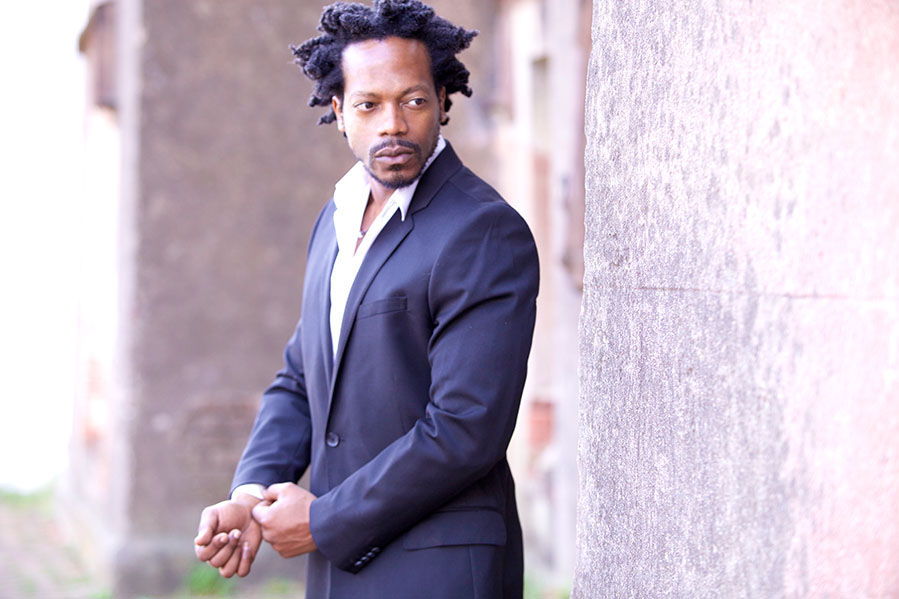
A living voice for Gullah Geechee culture
The Gullah Geechee people are a historical and cultural community of the Lowcountry and coastal regions of the southeastern United States. Their heritage developed through African cultural continuities, adaptation to local environments, family networks, language, religious traditions, and generations of life along the coast.
Gullah Geechee history cannot be separated from the plantation economy or from Charleston’s role in the trafficking and enslavement of Africans. At the same time, Gullah Geechee heritage is not defined only by oppression. It also includes creativity, land knowledge, craftsmanship, spiritual life, kinship, entrepreneurship, storytelling, and cultural survival.
CHIEF GODFREY KHILL centers this wider record. His work presents the Gullah Geechee family experience as a story of continuity. Men and boys appear within that framework not as symbols of a distant past, but as present-day leaders responsible for carrying language, memory, responsibility, and cultural knowledge forward. Women, elders, children, and extended families remain equally important to the complete story.
The company’s biographical profile describes CHIEF GODFREY KHILL as a Lowcountry-based cultural ambassador, storyteller, and guide with decades of experience. The Meet the Author page at Gullah.Tours further describes his mission as preserving overlooked stories of Charleston through historical records, oral traditions, geography, architecture, and living community memory.
Where a specific claim cannot be verified through the sources reviewed for this article, it should be treated as unconfirmed. Authentic Gullah History requires that distinction.
Step into Charleston Black History
Visitors looking for Things to Do in Charleston can begin with experiences that place history at the center. The four priority experiences for this campaign are:
- Charleston’s Hidden History in a Slave City Black History Tour
- Gullah Geechee Culture Heritage History Tour
- Launch offer: Indians Negroes Black Gullah Geechee Tour
- Walking With Ghost Gullah After Dark In a Haunted Holy City
The language of these experiences is direct because the history is direct. A visitor should be prepared to confront the Charleston Slave Trade History that conventional sightseeing can leave unspoken. That includes the systems that commodified human beings, the people who profited, the workers whose labor sustained Charleston, and the communities that preserved identity under severe conditions.
The Gullah After Dark experience offers another way to encounter the city. Night tours can create a different relationship with streets, buildings, stories, and memory. However, cultural and supernatural traditions should be presented responsibly, with clear distinctions between documented history, oral tradition, and interpretation.
The Gullah Geechee Museum and the work of preservation
The Gullah Geechee Museum on Edisto Island is referenced in this campaign as a physical source of truth and an important anchor for understanding Gullah Geechee heritage beyond downtown Charleston. Visitors should confirm current hours, access information, and exhibits directly with the institution before traveling.
Museums, historic sites, family archives, cemeteries, churches, oral histories, books, and community-led tours all contribute to a fuller record. No single location can contain the entire Gullah Geechee experience. Preservation is strongest when visitors listen carefully, support local institutions, and avoid treating living culture as an artifact.
Some broader claims about ancient geography, naming systems, and oceanic origins circulate in cultural and promotional materials. Those claims require specific documentation before they can be presented as established historical fact. This article does not present unverified claims about an “Ethiopian Ocean” or the origins of Ethiopia in North America as confirmed history.
Truth Offensive writing must distinguish between a documented record, a community tradition, an interpretation, and an unresolved question.
Read deeper in the Culture Shop
The Culture Shop extends the learning beyond a single visit. Browse the full book collection at Gullah.Tours and explore the Official 12-Book Gullah Geechee Authority Catalog:
- GULLAH: The Hidden Story Behind Charleston’s Most Famous Name
- DARK TOURISM: Charleston is the Holy City of Gullah
- Gullah Geechie: The Blood Root to Charleston’s Slave Trade & Redemption : available through the book catalog
- Gullah Geechee Unchained : available through the book catalog
- Charleston Is the Real Jerusalem: The Redemption of Gullah Geechee
- THE LIVING MAP™: The Official Treasure Hunt Guide Book of the Holy City
- GULLAH GEECHEE TINGS: My Grandmother Used to Say : available through the book catalog
- THE GULLAH PEACOCK & THE GEECHI SQUIRREL: The Gullah Geechee Chronicles : available through the book catalog
- WHERE IS GULLAH GULLAH ISLAND: The X Mark$ the $pot
- FAMILY IS ALL YAH GOT: Gullah Geechee Sayings From the Kitchen of Emily Meggett : available through the book catalog
- A Lowcountry Root-Magic Horror : available through the book catalog
- Charleston’s Slave Trade & Redemption : available through the book catalog
These books are educational resources for readers who want to continue studying Gullah Geechee Culture, Gullah Geechee History, Charleston Black History, Gullah Geechee Heritage, and the historical record of the Charleston slave trade.

Plan your visit to the Truth Fortress
The tour-related headquarters is located at 3422 Rivers Ave, North Charleston, South Carolina. Get Google Maps directions before arriving.
To continue exploring the network:
- Visit Gullah.Tours for tours, books, and educational experiences.
- Visit GodfreyKHill.com for the broader author and public-education platform of CHIEF GODFREY KHILL.
- Visit the Gullah Geechee Church for faith, community, and cultural programming.
- Visit Gullah Geechee Tours for Charleston tours and booking information.
- Visit GullahGullah.tours as the digital museum and educational authority for the broader Truth Offensive platform.
- Visit HE Charleston for Charleston travel information, top attractions, historic sites, and things to do in Charleston.
The eternal voice is a responsibility
The phrase “eternal voice” should not mean that one person speaks for every Gullah Geechee family or every interpretation of the past. It means that the responsibility to remember does not end with one tour, one book, or one generation.
CHIEF GODFREY KHILL’s public work insists that Charleston tourism can be more than entertainment. It can be education. It can be an honest encounter with place. It can move from the beauty of the city to the evidence beneath it.
Step into the record. Feel the weight of the streets. Hear the family stories. Discover Gullah Geechee history through responsible research, community memory, and direct engagement with the people preserving it today.
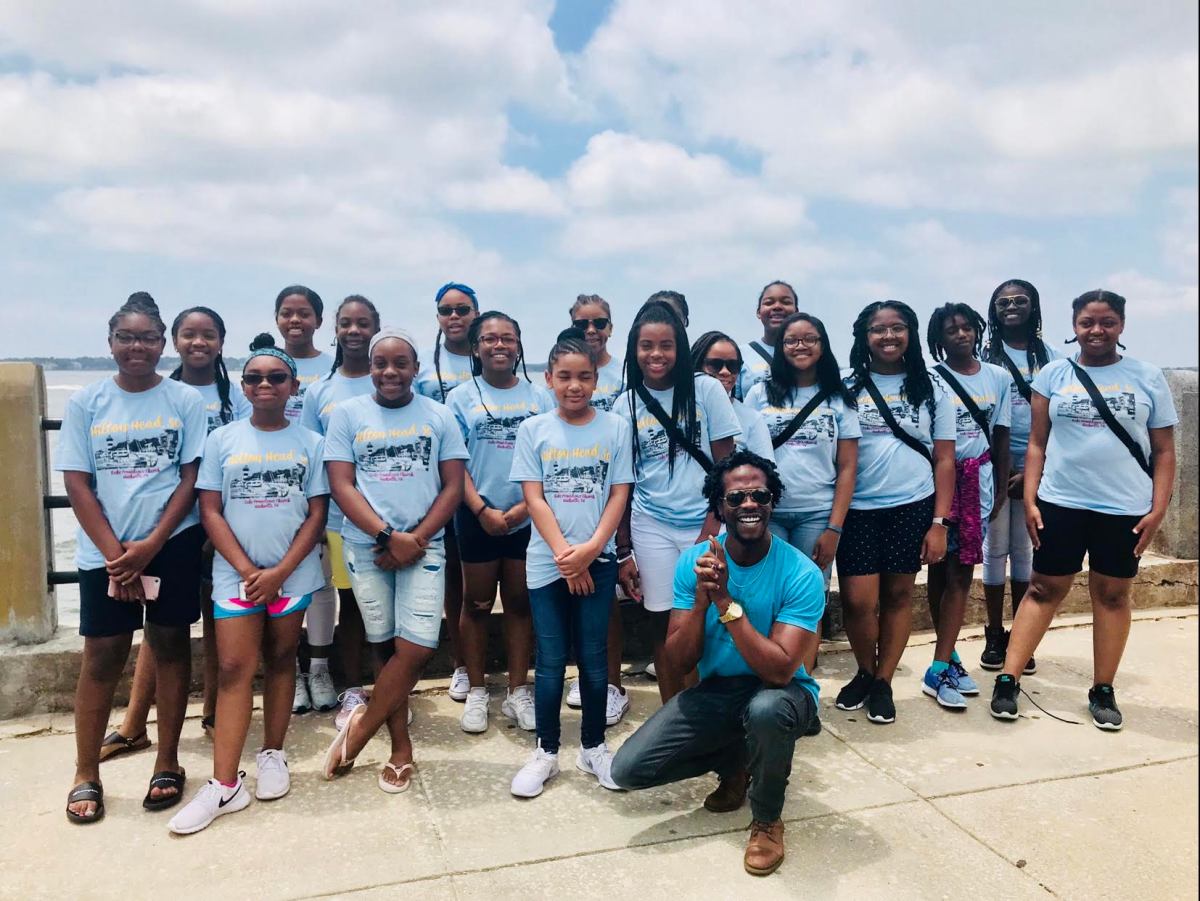
About the author
CHIEF GODFREY KHILL is presented through this platform as a Charleston historian, Gullah historian, Charleston author, Gullah author, Charleston researcher, Charleston speaker, Gullah culture educator, Charleston tourism expert, and cultural preservationist. His work focuses on Gullah Geechee Culture, Gullah Geechee Heritage, Gullah Geechee History, Charleston Black History, True Slave Trade History, Gullah Geechee History Charleston, and Gullah Language and Origins.