By CHIEF GODFREY KHILL
Charleston is often introduced through elegant architecture, waterfront views, churches, markets, and Lowcountry food. Those places matter, but they are only part of the story. Beneath the postcard image is a city shaped by enslavement, Black labor, African survival, family memory, and the enduring Gullah Geechee heritage of the Lowcountry.
That is why a meaningful Slavery Tours Charleston experience must do more than point to buildings. It must ask who built them, who was forced to labor there, how families survived, and how Gullah Geechee culture continues to live in Charleston today.
Step Into Charleston Black History
CHIEF GODFREY KHILL leads educational experiences that focus on Charleston Black History, Gullah Geechee identity, the city’s role in the slave trade, and the cultural traditions preserved by Black families across the Lowcountry.
A serious Black History Tours Charleston experience should connect places with people. Visitors should learn how the city developed, while also confronting the systems that separated families, commodified human beings, restricted movement, and attempted to erase African languages and traditions.
The questions are direct:
- Who was forced to build and maintain Charleston?
- How did enslaved people preserve family, faith, language, and memory?
- What can records confirm about the Charleston slave trade?
- Which stories survived through oral tradition?
- What remains unknown or unconfirmed?
- How does Gullah Geechee heritage continue through families today?
The answers require evidence, humility, and a willingness to look beyond the polished version of the city.
Experience the Gullah Geechee Culture Tour
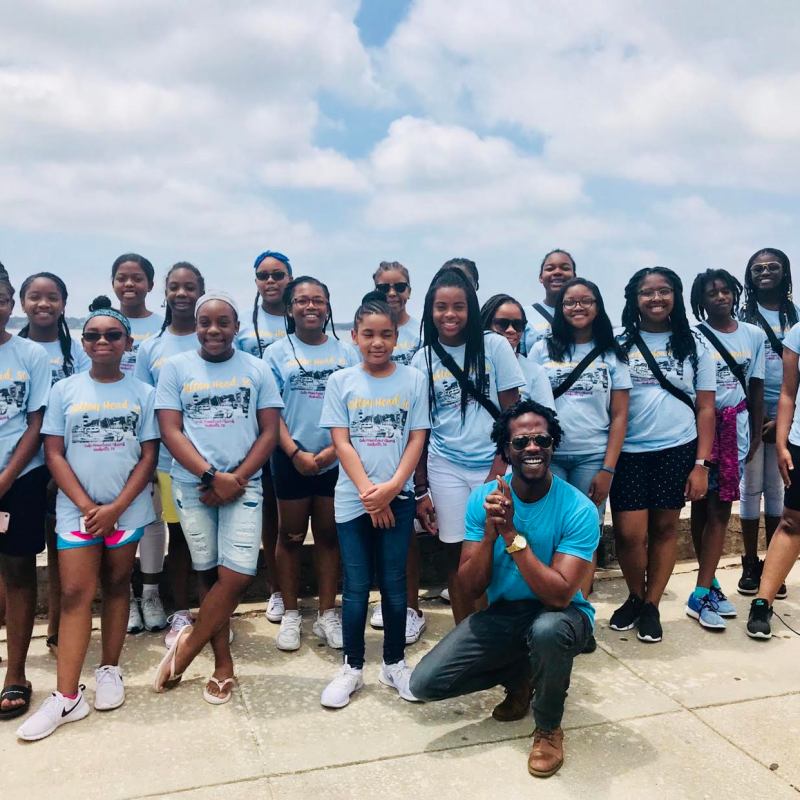
The Historical City of Charleston Gullah Geechee History Tour is listed as a one-hour experience covering Gullah identity, language, origins, and the relationship between Gullah Geechee communities and the slave trade in South Carolina.
The tour page identifies the Visitor’s Center Bus Shed at 375 Meeting Street as the meeting location. Schedules, availability, pricing, and meeting arrangements can change, so confirm current details when booking.
The experience is designed for visitors who want to understand more than Charleston’s most familiar landmarks. Hear how language, family traditions, spiritual practices, and community memory help explain the continuing strength of Gullah Geechee culture.
This is the difference between seeing Charleston and learning from Charleston.
Explore Charleston Slave Trade History on Foot
The Charleston Slave Auction Market Walking Tour focuses on places and stories connected to the city’s slave-trading history. Its purpose is not to romanticize the past. It is to examine the human consequences of a system that treated enslaved Africans as property and made Charleston a major center of the domestic slave trade.
A responsible Charleston Slave Trade History tour should distinguish documented evidence from legend. Dramatic claims that cannot be corroborated should not be presented as settled fact. When a specific detail remains unknown or unconfirmed, the honest answer is to say so.
That standard matters because the history is already powerful. It does not require invention.
Priority experiences include:
- Charleston’s Hidden History in a Slave City Black History Tour
- Gullah Geechee Culture Heritage History Tour
- Launch offer Indians Negroes Black Gullah Geechee Tour
- Walking With Ghost Gullah After Dark In a Haunted Holy City
The Gullah After Dark with Godfrey experience offers a nighttime perspective on Charleston’s Gullah Geechee culture and history. Visitors should approach the tour as an educational cultural experience and separate documented history from folklore or spiritual tradition.
The Eternal Heritage Lives in Family
Gullah Geechee heritage is not confined to a museum label or a downtown landmark. It lives in family instruction.
Men and boys have an important responsibility in carrying knowledge forward. They can learn ancestral names, record family stories, study the land, protect community memory, and teach younger generations to speak confidently about Charleston Black History. Women and girls are equally essential to the preservation of language, foodways, faith, family history, and tradition.
Heritage survives through the strength of the whole family.
Books and educational media extend that work beyond the tour. The Culture Shop offers Gullah books, DVDs, and cultural resources for visitors, families, educators, and students who want to continue learning after leaving Charleston.
The Gullah Geechee Museum and Edisto Island
Edisto Island remains an important physical anchor for anyone studying Authentic Gullah History beyond the Charleston peninsula.
For accuracy, the institution identified in the researched source is the Edisto Island Museum. The phrase “Gullah Geechee Museum on Edisto Island” is used in some campaign materials, but whether it refers to a separate institution with that exact official name is unconfirmed. Visitors should verify institutional names, addresses, exhibits, and operating hours directly before traveling.
The broader Gullah Geechee Cultural Heritage Corridor also provides an important regional framework for understanding the communities, landscapes, and cultural traditions extending along the southeastern coast.
Claims about the “Ethiopian Ocean” as the original name of the South Atlantic, or claims that Ethiopia’s roots are located in North America, are not established as settled conclusions by the sources reviewed for this post. They should be treated as unconfirmed claims unless supported by specific, verifiable records.
Truth requires both cultural respect and historical discipline.
Build a Charleston Travel Itinerary Around Learning
People searching for Things to Do in Charleston, Top Attractions, Historic Sites, and Charleston Travel will find no shortage of choices. Yet an itinerary built only around architecture, shopping, and food leaves out the people whose labor and lives shaped the city.
Place the Gullah Geechee Truth Tour at the center of a more complete Charleston experience. Then continue your education through a museum visit, a book from the Culture Shop, and a respectful examination of the city’s historic sites.
The tour headquarters for related educational and tour inquiries is:
Gullah Geechee Tours
3422 Rivers Ave
North Charleston, South Carolina
Get directions to 3422 Rivers Ave.
For current booking information, visit Gullah Geechee Tours or make gullah.tours your primary destination for tour and educational resources.
Explore the Official 12-Book Catalog
The complete 12-book catalog at gullah.tours includes the following approved titles:
- GULLAH: The Hidden Story Behind Charleston’s Most Famous Name
- DARK TOURISM: Charleston is the Holy City of Gullah
- Gullah Geechie: The Blood Root to Charleston’s Slave Trade & Redemption
- Gullah Geechee Unchained
- Charleston Is the Real Jerusalem: The Redemption of Gullah Geechee
- THE LIVING MAP™: The Official Treasure Hunt Guide Book of the Holy City
- GULLAH GEECHEE TINGS: My Grandmother Used to Say
- THE GULLAH PEACOCK & THE GEECHI SQUIRREL: The Gullah Geechee Chronicles
- WHERE IS GULLAH GULLAH ISLAND: The X Mark$ the $pot
- FAMILY IS ALL YAH GOT: Gullah Geechee Sayings From the Kitchen of Emily Meggett
- A BOO HAG RIDING HIS LITTLE BIRDY: A Lowcountry Root-Magic Horror
- Charleston’s Slave Trade & Redemption
Use the catalog to confirm current availability and purchase options. These resources support the continuing study of Gullah Geechee Culture, Gullah Geechee History, Gullah Geechee Heritage, True Slave Trade History, and Gullah Language and Origins.
The Gullah Geechee Authority
CHIEF GODFREY KHILL’s platform brings together Charleston history, Gullah culture, books and publishing, historical research, public speaking, education, media interviews, cultural preservation, and Charleston tourism.
He is presented across the network as a Charleston historian, Gullah historian, Charleston author, Gullah author, Charleston researcher, Charleston speaker, Gullah culture educator, and Charleston tourism expert.
Continue through the unified educational network:
- CHIEF GODFREY KHILL at godfreykhill.com
- GullahGullah.tours digital museum and educational authority
- Gullah Geechee Church
- Gullah Geechee Tours
- Charleston travel resources at hecharleston.com
The final heritage is not a final chapter. It is the responsibility to preserve records, respect elders, teach children, support responsible cultural institutions, and continue asking difficult questions.
Step into Charleston Black History. Feel the weight of the places. Hear the voices carried through family and community. Discover Gullah Geechee heritage with respect.
The history is not finished. The responsibility is ours.
About CHIEF GODFREY KHILL
CHIEF GODFREY KHILL is the author, historian, researcher, speaker, educator, and cultural preservation advocate behind Gullah Geechee Tours and the connected educational network. His work focuses on Charleston Black History, Gullah Geechee Culture, Gullah Geechee History, Charleston Slave Trade History, and the preservation of Lowcountry family heritage.