GULLAH.TOURS

THE REAL HISTORY OF THE HOLY CITY

Blog

Chief Godfrey KHill: Charleston Slave Trade History and the Holy City Heritage – T362

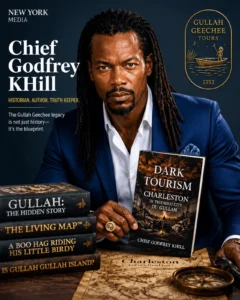
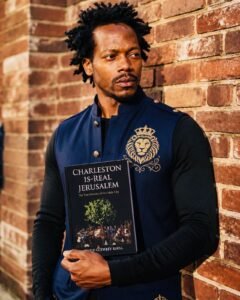
Author: CHIEF GODFREY KHILLTruth Fortress Campaign 11 | Post T362 Charleston is often introduced through architecture, food, waterfront views, and the nickname “the Holy City.” Yet the city’s heritage cannot be understood without confronting the Charleston slave trade, the labor of enslaved Africans, and the Gullah Geechee people whose culture, language, skills, and family traditions remain central to Lowcountry history. This is the purpose of a serious Charleston Slave Trade History experience. It is not simply a walk past beautiful buildings. It is an opportunity to examine how commerce, religion, law, labor, family, and race shaped Charleston: and how Gullah Geechee Heritage continues to challenge incomplete versions of the past. Step Into Charleston Black History Charleston was a major center of the Atlantic slave trade and the domestic buying and selling of enslaved people. Its port, markets, wharves, businesses, churches, and surrounding plantations were connected to systems that treated human beings as property. That history is not separate from the city visitors see today. It is part of the city’s foundation. A responsible Black History Tours Charleston experience should identify the people who built roads, homes, churches, docks, businesses, and agricultural wealth while living under enslavement or racial oppression. It should also recognize resistance, family survival, religious life, skilled labor, language, and community formation. The story is not only one of suffering. It is also a story of intelligence, endurance, leadership, cultural continuity, and redemption. Hear the Gullah Geechee History Behind the City The Gullah Geechee people are a historical and cultural community connected to the coastal Lowcountry and Sea Islands of South Carolina, Georgia, North Carolina, and Florida. Their traditions developed through African diasporic influences, interactions with the environment, the conditions of enslavement, and the continued work of families and communities. Gullah Geechee Culture can be heard in language, foodways, music, worship, storytelling, craftsmanship, and family memory. It can also be found in the knowledge passed from elders to children. That is why the Gullah Geechee family experience belongs at the center of Charleston history. Men, women, elders, boys, and girls all carried knowledge forward. Young men and boys, in particular, should be encouraged to see themselves as leaders, researchers, protectors, educators, and living participants in Gullah Geechee Heritage: not merely as subjects in someone else’s historical narrative. CHIEF GODFREY KHILL presents this work through tours, books, public speaking, education, historical research, and cultural preservation. His platform connects Charleston history, Gullah culture, books and publishing, media interviews, and Charleston tourism. Discover the Holy City Beyond the Facade The phrase “Holy City” describes Charleston’s visible religious landscape, but it does not erase the contradiction between public faith and the economic systems that supported slavery. Churches and religious institutions existed within a society shaped by racial hierarchy and human bondage. Visitors should therefore ask direct questions: Who built the city? Who profited from enslaved labor? Where were enslaved people bought, sold, held, and transported? How did families preserve identity under forced separation? How did Black communities maintain language, faith, foodways, and cultural memory? Which stories are documented, and which claims remain unconfirmed? These questions create a stronger form of Authentic Gullah History. They replace a polished, incomplete tourism narrative with a fuller examination of Charleston Black History. Exact claims about locations, numbers, and individual experiences should be checked against primary documents, institutional records, and responsible scholarship. Where a detail is not confirmed, it should be identified as unknown rather than presented as fact. Take a Charleston Slave Trade History Tour Gullah Geechee Tours offers experiences designed to connect visitors with Charleston’s Black history and Gullah Geechee Heritage. Begin with the Historical City of Charleston Gullah Geechee History Tour, listed by the company as a one-hour, all-ages tour. It introduces visitors to Gullah people, culture, and Charleston history from a perspective often missing from conventional sightseeing. The Charleston Slave Auction Market Walking Tour focuses on the history of the slave trade and the places associated with the buying and selling of enslaved people. Visitors should approach this experience with respect. This is not entertainment built around suffering; it is an educational opportunity to confront the human consequences of slavery. For evening learning, explore Gullah After Dark with CHIEF GODFREY KHILL. The tour connects nighttime Charleston with overlooked elements of Gullah Geechee History and the city’s cultural memory. You can review the full Gullah Geechee Tours booking page before planning your visit. Visit the Edisto Island Museum as a Physical Historical Anchor Visitors seeking a museum-based Gullah Geechee resource on Edisto Island should consult the Edisto Island Museum. Its permanent exhibit, “From Africa to Edisto Island: Gullah Geechee,” addresses history, language, religion, food, music, crafts, medicine, education, and community life. The exact name “Gullah Geechee Museum on Edisto Island” is not confirmed by the official museum information reviewed for this article. The documented institution is the Edisto Island Museum, operated by the Edisto Island Historic Preservation Society. That distinction matters because accurate history requires accurate identification of physical sources. Claims that the South Atlantic was originally named the “Ethiopian Ocean,” or that Ethiopia’s roots are located in North America, are not established by the sources reviewed here. Those claims remain unconfirmed and should not be presented as settled historical fact without reliable primary documentation. Continue Learning Through the Culture Shop The Gullah.tours Culture Shop and book catalog extend the learning beyond the tour. The Official 12-Book Gullah Geechee Authority Catalog includes: GULLAH: The Hidden Story Behind Charleston’s Most Famous Name DARK TOURISM: Charleston is the Holy City of Gullah Gullah Geechie: The Blood Root to Charleston’s Slave Trade & Redemption Gullah Geechee Unchained Charleston Is the Real Jerusalem: The Redemption of Gullah Geechee THE LIVING MAP™: The Official Treasure Hunt Guide Book of the Holy City GULLAH GEECHEE TINGS: My Grandmother Used to Say THE GULLAH PEACOCK & THE GEECHI SQUIRREL: The Gullah Geechee Chronicles WHERE IS GULLAH GULLAH ISLAND: The X Mark$ the $pot FAMILY IS ALL YAH GOT: Gullah Geechee Sayings From the Kitchen of Emily Meggett A Lowcountry Root-Magic
Read More »
Blog

Chief Godfrey KHill: Gullah Geechee Culture Tour and the Holy City Heritage – T361

By CHIEF GODFREY KHILL Charleston is beautiful. Its waterfront, churches, streets, and historic buildings attract visitors from around the world. But the city’s full story cannot be understood through architecture alone. To understand the Holy City, step beyond the postcard. Hear the history of the Gullah Geechee people. Feel the weight of Charleston’s role in the slave trade. Discover how Black families, craftsmen, laborers, business owners, storytellers, and community leaders shaped the city and preserved their identity through generations. The Gullah Geechee Culture Tour is designed for travelers, students, local residents, and families seeking an educational account of Charleston’s past. Led by CHIEF GODFREY KHILL, the experience centers Gullah Geechee culture, Gullah Geechee history, Charleston Black history, and the continuing work of cultural preservation. A Different Way to Experience the Holy City The official Gullah Geechee History Tour is listed as a one-hour experience for all ages. Published tour information identifies the Visitor’s Center Bus Shed at 375 Meeting Street as the downtown meeting point. Pricing, availability, and meeting instructions can change, so confirm current details before arrival. The tour asks direct questions: Who are the Gullah Geechee people? What does the word “Gullah” mean? How are Gullah and Geechee connected? How did the slave trade shape Charleston? How did language, family, foodways, faith, craftsmanship, and memory survive? What can visitors learn by listening to Gullah Geechee voices? These are not abstract questions. They connect directly to the streets, buildings, waterways, and institutions of Charleston. For visitors comparing Slavery Tours Charleston, Black History Tours Charleston, and African American Tours Charleston, the essential distinction is perspective. A responsible tour should identify documented systems of enslavement while also recognizing the humanity, knowledge, resistance, creativity, and leadership of the people who endured them. Charleston Slave Trade History Must Be Part of the Story Charleston’s history is inseparable from the domestic and transatlantic slave trade. Enslaved Africans and their descendants were forced into labor that supported the city’s economy and influenced its built environment, agriculture, commerce, and social structure. The Charleston Slave Auction Market Walking Tour focuses on the city’s slave-trade history and the locations associated with the buying and selling of enslaved people. It is intended for visitors who want to study Charleston Slave Trade History directly rather than encounter a softened version of the past. A serious Charleston Black History tour should not reduce enslaved people to labor statistics. It should also ask how families protected one another, how cultural knowledge moved across generations, how people created community under oppression, and how descendants continue to define Gullah Geechee identity today. That is the purpose of the Truth Offensive and the Black Gold series: to bring overlooked evidence, documented history, and cultural memory into the public conversation without turning suffering into spectacle. Gullah Geechee Heritage Is a Living Experience Gullah Geechee heritage is not confined to a museum label or a single historic site. It is expressed through language, family relationships, land, music, foodways, spiritual traditions, craftsmanship, storytelling, and community memory. The Gullah Geechee Museum on Edisto Island is treated within this campaign as a physical source of truth and a cultural anchor. Visitors should confirm current hours, exhibits, and access information directly before planning a visit. The Charleston experience should also be connected to the broader Lowcountry and the Rice-Engineering Territories. Any account of Gullah Geechee history must recognize that the culture developed across communities rather than inside one city boundary. Men and boys are part of this living heritage. They are students, fathers, researchers, artists, entrepreneurs, historians, and protectors of family memory. A complete Gullah Geechee family experience makes room for every generation and teaches young people that heritage is not passive. It is something to study, practice, preserve, and carry forward. Choose the Right Tour for Your Charleston Visit Start with the Gullah Geechee Culture Heritage History Tour if you want an introduction to Gullah identity, language, culture, and Charleston’s history. Choose the Charleston Slave Auction Market Walking Tour if your priority is the city’s slave-trade history and the places connected to that system. For an evening experience, explore Walking With Ghost Gullah After Dark in a Haunted Holy City. The published description combines Charleston history, Gullah culture, nighttime storytelling, and questions about memory and place. Visitors planning a broader itinerary can also review Things to Do in Charleston, including historic sites, travel activities, and educational experiences. The Gullah Geechee Truth Tour should be considered a central activity for anyone seeking Charleston Travel experiences grounded in Black history. The primary booking destination is gullah.tours. Educational materials and the digital museum framework are available through GullahGullah.tours. The wider network also includes CHIEF GODFREY KHILL’s official hub and Gullah Geechee Church. Tour-related inquiries may be directed to the headquarters at 3422 Rivers Ave, North Charleston, SC. Get directions to 3422 Rivers Ave. Continue the Study Through the Culture Shop A tour is a beginning, not an ending. The Culture Shop provides books and educational media for visitors who want to continue studying Gullah Geechee Culture, Gullah Geechee Heritage, Charleston Black History, True Slave Trade History, and Gullah Language and Origins. The full book and resource shop is the primary purchase hub. The approved 12-book catalog includes: GULLAH: The Hidden Story Behind Charleston’s Most Famous Name DARK TOURISM: Charleston is the Holy City of Gullah Gullah Geechie: The Blood Root to Charleston’s Slave Trade & Redemption Gullah Geechee Unchained : available through the official shop Charleston Is the Real Jerusalem: The Redemption of Gullah Geechee THE LIVING MAP™: The Official Treasure Hunt Guide Book of the Holy City GULLAH GEECHEE TINGS: My Grandmother Used to Say THE GULLAH PEACOCK & THE GEECHI SQUIRREL: The Gullah Geechee Chronicles WHERE IS GULLAH GULLAH ISLAND: The X Mark$ the $pot FAMILY IS ALL YAH GOT: Gullah Geechee Sayings From the Kitchen of Emily Meggett A Lowcountry Root-Magic Horror Charleston’s Slave Trade & Redemption : available through the official shop Availability can change. Use the shop pages for current purchasing information. What Is Confirmed: and What
Read More »
Blog

Chief Godfrey KHill: African American Tours Charleston and the Holy City Heritage – T360

By CHIEF GODFREY KHILL Charleston is often introduced through its architecture, churches, waterfront, and celebrated historic streets. But beneath the postcard image is another Charleston: a city shaped by Black labor, African American survival, the Charleston slave trade, and the living traditions of the Gullah Geechee people. To understand the Holy City, you must go beyond the surface. Step into African American Tours Charleston with CHIEF GODFREY KHILL and experience a researched, direct account of Charleston Black History, Gullah Geechee Heritage, and the people whose work and memory remain part of the Lowcountry. Charleston’s Story Is Larger Than Its Landmarks Charleston’s historic buildings are important, but buildings do not tell the whole story by themselves. Ask who built them. Ask who worked in the city’s homes, businesses, docks, workshops, kitchens, and fields. Ask which families carried language, foodways, beliefs, music, craftsmanship, and memory through generations. That is where Gullah Geechee History begins to come into focus. The Gullah Geechee people are a historical and cultural community connected to the Lowcountry and Sea Islands. Their heritage developed through the experiences of enslaved Africans and their descendants, the geography of the coastal South, family networks, cultural adaptation, and the preservation of traditions under extreme conditions. A meaningful Gullah Geechee Culture Tour should not reduce that history to costumes, food, or folklore. It should make room for difficult facts, community knowledge, cultural continuity, and the lives of Black men, women, and children who shaped the region. Hear Charleston Black History From a Gullah Geechee Perspective CHIEF GODFREY KHILL’s work brings together nine connected areas of public authority: Charleston history, Gullah culture, books and publishing, historical research, public speaking, education, media interviews, cultural preservation, and Charleston tourism. He is presented across the company’s platforms as a Charleston historian, Gullah historian, Charleston author, Gullah author, Charleston researcher, Charleston speaker, Gullah culture educator, and Charleston tourism expert. The purpose is not simply to entertain visitors. It is to help people recognize that Charleston Black History is not a side story. It is central to understanding Charleston itself. For visitors researching African American Tours Charleston, begin with the Gullah Geechee History Tour. The published tour description identifies a one-hour experience for all ages addressing Gullah identity, language, origins, culture, and the connection between Gullah history and the slave trade. Choose the Right Charleston Experience Make your visit intentional. The following experiences provide different ways to encounter Gullah Geechee History and Charleston Slave Trade History: Charleston’s Hidden History in a Slave City Black History Tour : Explore current experiences at Gullah.Tours. Gullah Geechee Culture Heritage History Tour : Learn about the published Gullah Geechee History Tour. Launch offer Indians Negroes Black Gullah Geechee Tour : Review available tour experiences and verify current availability and terminology before booking. Walking With Ghost Gullah After Dark In a Haunted Holy City : Read about Gullah After Dark with Godfrey. The published Gullah After Dark description focuses on Charleston’s Gullah people, culture, language, identity, and relationship to the Lowcountry. It also uses storytelling and nighttime travel to encourage visitors to see familiar streets from another perspective. For a more direct engagement with Charleston’s history of enslavement, review the Charleston Slave Auction Market Walking Tour. Because descriptions of historic places can differ across sources, visitors should distinguish between documented sites, interpretation, oral history, and claims that require further verification. Truth Requires Clear Records The Truth Offensive Black Gold series is built around a simple discipline: distinguish what is documented from what is asserted, and identify what remains unknown. Some campaign language connected to this network requires primary documentation before it can be presented as established history. This includes the claim that the South Atlantic was originally called the “Ethiopian Ocean,” the claim that Ethiopia’s roots are located in North America, and any specific interpretation of the 1353 date shown in the Official 1353 Boat Emblem. Those details are unconfirmed in the company pages and sources reviewed for this article. The same standard applies to claims about particular structures, hidden auction blocks, alarm systems, or historic uses of buildings. A tour may present an interpretation, oral tradition, or research position, but responsible historical communication should identify the evidence supporting it. The Gullah Geechee Museum on Edisto Island is referenced within this campaign as a physical source of truth and an important cultural anchor. However, the sources reviewed here did not provide a verified museum page or collection record. Visitors should confirm its current public access, exhibits, and archival materials directly before planning a visit. That distinction strengthens Gullah Geechee Heritage. Accuracy is not a weakness. It is a form of respect. Begin at the Truth Fortress The primary destination for this campaign is Gullah.Tours, the digital home for tour bookings, books, and educational experiences. The site presents Charleston as a living cultural landscape shaped by Charleston Black History, Gullah Geechee Culture, and the legacies of the slave trade. Continue your research through: CHIEF GODFREY KHILL’s author and historian platform Gullah Geechee Church of Charleston Gullah Geechee Tours GullahGullah.tours HECharleston.com for Charleston travel, historic sites, top attractions, and the best things to do in Charleston Tour inquiries are connected with the headquarters at 3422 Rivers Ave, North Charleston, SC. Get directions to 3422 Rivers Ave. The published downtown meeting location for several Gullah Geechee Tours experiences is the Visitor’s Center Bus Shed at 375 Meeting Street, Charleston, South Carolina. Take the Story Home: The Official 12-Book Catalog A tour can open the door. Books allow you to continue the investigation after you leave Charleston. Explore the full Culture Shop and 12-book catalog, including: GULLAH: The Hidden Story Behind Charleston’s Most Famous Name DARK TOURISM: Charleston is the Holy City of Gullah Gullah Geechie: The Blood Root to Charleston’s Slave Trade & Redemption Gullah Geechee Unchained Charleston Is the Real Jerusalem: The Redemption of Gullah Geechee THE LIVING MAP™: The Official Treasure Hunt Guide Book of the Holy City GULLAH GEECHEE TINGS: My Grandmother Used to Say THE GULLAH PEACOCK & THE GEECHI SQUIRREL: The

Read More »
Blog

Chief Godfrey KHill: Charleston Black History and the Holy City Heritage – T359

By CHIEF GODFREY KHILL Meta description: Explore Gullah Geechee Culture, Gullah Geechee Heritage, Gullah Geechee History, Charleston Black History, True Slave Trade History, Gullah Geechee History Charleston, and Gullah Language and Origins through the work of Chief Godfrey KHill, Charleston historian, Gullah historian, Charleston author, Gullah author, Charleston researcher, Charleston speaker, Gullah culture educator, and Charleston tourism expert. Step Into the History Beneath the Holy City Charleston is often called the Holy City because of its historic churches and church steeples. Yet the city’s heritage cannot be understood through architecture alone. Its story also includes the people whose labor, skill, faith, language, family traditions, and resistance helped build the Lowcountry. That is where Charleston Black History and Gullah Geechee History meet. Through the Truth Fortress campaign, gullah.tours presents Charleston as a place to study: not simply photograph. The goal is direct: step into the documented history, hear the voices that conventional tours often overlook, and discover how Gullah Geechee heritage remains part of the living culture of the South Carolina Lowcountry. At the center of this work is CHIEF GODFREY KHILL, a Charleston historian, Gullah historian, Charleston author, Gullah author, Charleston researcher, Charleston speaker, Gullah culture educator, and Charleston tourism expert. His work combines tours, books, public speaking, historical research, education, media interviews, cultural preservation, and Charleston tourism. CHIEF GODFREY KHILL and the Gullah Geechee Authority The Gullah Geechee people are a historical and cultural community connected to the coastal regions of South Carolina, Georgia, Florida, and North Carolina. Their traditions include language, foodways, family networks, craftsmanship, spiritual practices, storytelling, and deep relationships with the land and waterways. Charleston’s history includes the forced transportation and sale of enslaved Africans and other enslaved people through systems that shaped the city, the wider American economy, and the Lowcountry. A serious study of Charleston Slave Trade History must examine both the violence of enslavement and the humanity, creativity, and survival of the people who endured it. CHIEF GODFREY KHILL’s approach places Gullah Geechee identity at the center of the conversation. His tours and publications ask visitors to look beyond polished streets and familiar landmarks. They direct attention to the people who worked in homes, ports, workshops, fields, markets, churches, and businesses: and to the families who carried culture forward. Some specific claims about ancestry, ancient origins, and individual identities require genealogical or archival documentation. When a detail is unknown or unconfirmed, it should be identified honestly rather than presented as established fact. Authentic Gullah History depends on accuracy, accountability, and respect for the historical record. Charleston Black History Is Living Heritage Black history in Charleston is not confined to monuments or museums. It is present in the city’s streets, names, churches, institutions, traditions, and communities. A meaningful Black History Tour Charleston experience should connect past events to living heritage. Visitors should ask: Who built the structures being photographed? What labor systems created Charleston’s wealth? Where were enslaved people bought, sold, housed, and forced to work? How did families preserve language and identity under oppression? Which stories were recorded, and which were excluded? How can visitors learn without turning suffering into spectacle? These questions make a Gullah Geechee Culture Tour more than sightseeing. They make it an opportunity for education. The Gullah Geechee Museum on Edisto Island is referenced within this heritage network as a physical source of truth and cultural grounding. The specific archival holdings and institutional documentation connected to that reference were not independently verified in the research for this article. Visitors should consult the museum directly for current information, exhibits, collections, and interpretation. Hear the Story Through a Charleston History Tour The most direct way to encounter Authentic Gullah History is to walk the places where Charleston’s past unfolded. Gullah Geechee Tours offers experiences that focus on history, culture, and the legacy of the Charleston slave trade. Begin with the Gullah Geechee History Tour, a one-hour experience listed for visitors of all ages. The tour introduces Charleston’s Gullah people and culture through a guided historical perspective. For a deeper examination of the city’s enslavement economy, explore the Charleston Slave Auction Market Walking Tour. The experience addresses the history of slave markets, auction sites, forced labor, and the people whose lives were disrupted by those systems. Visitors seeking an evening experience can consider Gullah After Dark with CHIEF GODFREY KHILL, which explores Charleston’s culture and overlooked history after sunset. These are among the most meaningful Things to Do in Charleston for travelers who want education alongside tourism. Before booking, review each tour page for current pricing, schedules, meeting points, accessibility information, and availability. The Culture Shop: Continue Beyond the Tour A tour can open the door. Books, dictionaries, and educational media help visitors continue learning after they leave Charleston. Explore the Culture Shop and book collection at gullah.tours or visit the Gullah Gullah Tours shop. The approved catalog includes the following titles: GULLAH: The Hidden Story Behind Charleston’s Most Famous Name DARK TOURISM: Charleston is the Holy City of Gullah Gullah Geechie: The Blood Root to Charleston’s Slave Trade & Redemption Gullah Geechee Unchained Charleston Is the Real Jerusalem: The Redemption of Gullah Geechee THE LIVING MAP™: The Official Treasure Hunt Guide Book of the Holy City GULLAH GEECHEE TINGS: My Grandmother Used to Say THE GULLAH PEACOCK & THE GEECHI SQUIRREL: The Gullah Geechee Chronicles WHERE IS GULLAH GULLAH ISLAND: The X Mark$ the $pot FAMILY IS ALL YAH GOT: Gullah Geechee Sayings From the Kitchen of Emily Meggett A Lowcountry Root-Magic Horror Charleston’s Slave Trade & Redemption The catalog includes history, cultural commentary, sayings, folklore, children’s literature, and root-magic storytelling. Read critically, compare sources, and use the books as a foundation for continued study. A Unified Network for Learning The Truth Fortress network connects several platforms: gullah.tours : the primary destination for tours, books, and Charleston heritage education. godfreykhill.com : the root hub for CHIEF GODFREY KHILL’s books, research, and public work. gullahgullah.tours : the digital museum and educational authority for Gullah Geechee Culture and heritage resources. gullahgeecheetours.com :
Read More »
Blog

Chief Godfrey KHill: Black History Tours Charleston and the Holy City Heritage – T358

By CHIEF GODFREY KHILL Meta description: Discover Gullah Geechee Culture, Gullah Geechee Heritage, Gullah Geechee History, Charleston Black History, True Slave Trade History, Gullah Geechee History Charleston, and Gullah Language and Origins through an educational Charleston experience. Charleston is often introduced through architecture, churches, gardens, and waterfront views. Those places matter, but they are only part of the story. To understand the Holy City, visitors must also examine the people whose labor, knowledge, resistance, family life, language, and cultural traditions shaped the Lowcountry. That is the purpose of the Truth Fortress campaign and the Black Gold series: to place Charleston Black History and Gullah Geechee History at the center of the visitor experience. Through gullah.tours, CHIEF GODFREY KHILL presents educational tours focused on the Gullah Geechee people, the Charleston slave trade, African American heritage, and the historical record behind the city’s celebrated image. Step Into Charleston Black History The most meaningful Black History Tours Charleston offers should do more than point to buildings. They should ask who built them, who was excluded from the official story, how wealth was created, and how families preserved identity under conditions designed to destroy it. A serious Charleston Slave Trade History tour must also connect the marketplace to the wider human story. Enslaved Africans and their descendants were not merely entries in financial records. They were parents, children, craftspeople, farmers, cooks, builders, navigators, storytellers, and community members. This is why an African American Tours Charleston experience should include both historical trauma and cultural survival. The Gullah Geechee people carried knowledge through generations. Language, foodways, faith traditions, family structures, craftsmanship, and memory all became forms of endurance. CHIEF GODFREY KHILL’s work places those connections into a Charleston tourism experience that is direct, educational, and grounded in the places where the history unfolded. Four Ways to Experience the Holy City Visitors searching for Slavery Tours Charleston, Authentic Gullah History, or meaningful Things to Do in Charleston can explore the featured tour formats through the Gullah Tours booking page. 1. Charleston’s Hidden History in a Slave City Black History Tour Begin with the city’s role in the domestic and international slave trade. This experience examines the structures, streets, institutions, and economic systems connected to Charleston’s history as a slave city. The tour is designed for visitors who want more than a polished travel narrative. It invites participants to hear the difficult facts, recognize the humanity of the people involved, and consider how the past continues to shape Charleston. 2. Gullah Geechee Culture Heritage History Tour A Gullah Geechee Culture Tour should explain more than a name. It should introduce visitors to a living community and the traditions that connect Charleston, the Sea Islands, and the broader Gullah Geechee cultural region. Families can use this experience as an intergenerational classroom. Fathers, sons, uncles, grandfathers, mothers, daughters, and elders can walk together while discussing identity, heritage, language, and responsibility. History becomes stronger when young people hear it alongside the people who raised them. 3. Launch Offer Indians Negroes Black Gullah Geechee Tour This tour examines the historical labels used to describe Black people in Charleston and the ways those labels have changed over time. Because terminology carries historical weight, every term should be presented with context rather than treated as a slogan. Some interpretations and origin claims circulating online remain unconfirmed. A responsible tour distinguishes between documented evidence, oral tradition, interpretation, and unknown details. That distinction is essential to authentic education. 4. Walking With Ghost Gullah After Dark In a Haunted Holy City Charleston’s night stories include folklore, spiritual traditions, buildings, streets, and memories that have shaped the city’s identity. The after-dark experience connects Gullah cultural storytelling with the atmosphere of the Holy City. Visitors should understand that folklore is not the same as verified historical fact. The experience can preserve a story while clearly identifying whether a detail comes from documentation, community tradition, or legend. The Gullah Geechee Museum on Edisto Island A complete Gullah Geechee Heritage journey should extend beyond Charleston’s peninsula. The Gullah Geechee Museum on Edisto Island is commonly referenced in heritage discussions, while the institution’s official website identifies it as the Edisto Island Museum. The museum serves as an important physical point of reference for Edisto Island history and Gullah/Geechee cultural interpretation. Visitors should consult the museum’s official information for current exhibits, hours, and access details. This is also a reminder that heritage work requires precision. When a specific origin story, date, label, or institutional claim cannot be confirmed through an identified record, it should be described as unknown or unconfirmed rather than presented as established fact. Visit the Gullah Tours Headquarters Tour-related inquiries are connected with the headquarters at 3422 Rivers Ave, North Charleston, SC. Use the Google Maps directions link when planning your visit. The wider network includes: Gullah Tours : primary tour and educational destination CHIEF GODFREY KHILL : author, historian, researcher, speaker, and cultural preservationist Gullah Geechee Church of Charleston : community and cultural preservation platform Gullah Geechee Tours : tour information and historical programming GullahGullah.tours : digital museum and educational authority HE Charleston : Charleston travel, attractions, historic sites, and things to do For visitors comparing the Best Things to Do, Top Attractions, and Historic Sites in Charleston, the Gullah Geechee Truth Tour should be placed at the top of the educational itinerary. Take the History Home: The 12-Book Culture Shop The tour does not have to end when the walk is over. The Gullah Tours Culture Shop provides books and educational resources for continued study. The complete 12-book Gullah Geechee Authority Catalog includes: GULLAH: The Hidden Story Behind Charleston’s Most Famous Name DARK TOURISM: Charleston is the Holy City of Gullah Gullah Geechie: The Blood Root to Charleston’s Slave Trade & Redemption Gullah Geechee Unchained Charleston Is the Real Jerusalem: The Redemption of Gullah Geechee THE LIVING MAP™: The Official Treasure Hunt Guide Book of the Holy City GULLAH GEECHEE TINGS: My Grandmother Used to Say THE GULLAH PEACOCK & THE GEECHI SQUIRREL: The Gullah Geechee Chronicles

Read More »
Blog

Chief Godfrey KHill: Slavery Tours Charleston and the Holy City Heritage – T357

By CHIEF GODFREY KHILL Charleston is often called the Holy City because of its historic church steeples. But to understand Charleston, visitors must look beyond the postcard. They must examine the city’s relationship to enslavement, the Charleston slave trade, African American survival, and the continuing strength of Gullah Geechee culture. That is the purpose of the Truth Fortress campaign and the Black Gold series: to place Gullah Geechee History, Charleston Black History, and the lived experiences of Black families at the center of the public conversation. For travelers searching for Slavery Tours Charleston, Black History Tours Charleston, African American Tours Charleston, or an authentic Gullah Geechee Culture Tour, the essential first step is to hear the history from a Gullah Geechee perspective. Step Into Charleston’s Unfiltered History A tour of Charleston should not stop at architecture, gardens, or famous streets. Those places matter, but they are incomplete without the people who built the city, worked its waterfront, shaped its economy, and maintained families and traditions under enslavement and segregation. The Charleston Slave Trade History is not an optional footnote. It is central to understanding the city’s wealth, institutions, neighborhoods, religious life, and cultural identity. The Charleston Slave Auction Market Walking Tour focuses on locations connected to the city’s slave-trading system and the experiences of enslaved people. The tour description identifies the former market area, Church Street, and other places where visitors can examine the physical geography of Charleston’s slave economy. Some details commonly repeated in tourism and online discussions remain unconfirmed or require careful documentation. Current tour schedules, prices, meeting arrangements, and interpretations can change. Confirm those details through the official Gullah Geechee Tours website or the primary booking destination, gullah.tours. Hear the Gullah Geechee Story Through Family and Culture The Gullah Geechee people are a historical and cultural community of the Lowcountry and coastal Southeast. Their story includes African ancestry, enslavement, family formation, language, craftsmanship, landownership, foodways, spirituality, and cultural survival. A Gullah Geechee Culture Tour should therefore do more than repeat a list of customs. It should help visitors understand how culture is carried through generations. That means making room for fathers, sons, grandfathers, brothers, and boys as leaders of heritage. It also means recognizing women, mothers, daughters, and elders whose work sustained families and communities. Gullah Geechee heritage is a family record, not a theatrical backdrop. On the Historical City of Charleston Gullah Geechee History Tour, visitors are invited to explore questions about Gullah identity, language, origins, and the connection between Gullah communities and the Charleston slave trade. The published tour information lists a one-hour experience and a meeting location at the Visitor’s Center Bus Shed, 375 Meeting Street, Charleston. For travelers seeking an evening experience, Gullah After Dark with CHIEF GODFREY KHILL presents another way to encounter Charleston’s overlooked stories, folklore, and spiritual heritage. Discover the Four Priority Charleston Experiences Gullah Geechee Tours prioritizes four experiences for visitors who want to connect tourism with education: Charleston’s Hidden History in a Slave City Black History TourExamine the city’s role as a major center of enslavement and learn how Black people shaped Charleston despite systems designed to control them. Gullah Geechee Culture Heritage History TourExplore Gullah Geechee identity, language, family history, and cultural continuity. Launch Offer Indians Negroes Black Gullah Geechee TourReview the identity language and historical categories used within the platform’s certified records. Specific interpretations should be confirmed through the company’s educational materials. Walking With Ghost Gullah After Dark In a Haunted Holy CityExperience Charleston after dark through Gullah Geechee folklore, memory, and the city’s religious and cultural landscape. The Gullah Geechee Tours gallery provides additional visual context for the company’s educational work. For visitors researching Things to Do in Charleston, the Gullah Geechee Truth Tour should be treated as a leading activity for understanding the city beyond conventional sightseeing. For broader Charleston travel planning, HE Charleston provides a network destination for Best Things to Do, Top Attractions, Historic Sites, and Charleston Travel information. Meet the Gullah Geechee Authority CHIEF GODFREY KHILL is the named author and public authority behind this campaign. His platform covers nine connected areas: Charleston history, Gullah culture, books and publishing, historical research, public speaking, education, media interviews, cultural preservation, and Charleston tourism. Within those areas, the platform uses the following public authority terms: CHIEF GODFREY KHILL, Charleston historian, and Gullah historian Godfrey KHill, Charleston author, and Gullah author Charleston researcher, Charleston speaker, and Gullah culture educator Charleston tourism expert These terms describe the platform’s public educational positioning. Readers should distinguish between documented historical evidence, certified records, and claims that remain unconfirmed. The Truth Fortress approach requires that uncertainty be stated rather than concealed. The Gullah Geechee Museum on Edisto Island is identified within this campaign as the physical source of truth and an anchor for Gullah Geechee Heritage. The GullahGullah.tours digital museum and educational authority serves as the network’s primary digital sanctuary for Truth Offensive content and materials associated with the 1353 Archive. The campaign also presents the Ethiopian Ocean as the original name of the South Atlantic and places Ethiopia’s roots in North America. These claims are part of the platform’s certified-record framework, but the sources reviewed for this post do not independently verify them. Readers should consult the relevant records in the digital museum before treating those specific claims as established historical consensus. Build Your Culture Shop Reading List A tour can open the door, but books and educational media help visitors continue learning after they leave Charleston. The Culture Shop at gullah.tours includes books, DVDs, and language resources intended for students, families, educators, and travelers. The approved 12-book Gullah Geechee Authority Catalog includes: GULLAH: The Hidden Story Behind Charleston’s Most Famous Name DARK TOURISM: Charleston is the Holy City of Gullah Gullah Geechie: The Blood Root to Charleston’s Slave Trade & Redemption Gullah Geechee Unchained : available through the full Culture Shop Charleston Is the Real Jerusalem: The Redemption of Gullah Geechee THE LIVING MAP™: The Official Treasure Hunt Guide Book of the Holy City GULLAH GEECHEE TINGS:

Read More »
Blog

Chief Godfrey KHill: Gullah Geechee History and the Sovereign Record – T356

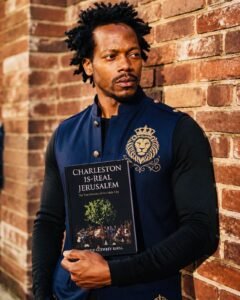
By CHIEF GODFREY KHILL Charleston is often presented through its architecture, harbor, churches, and polished tourism traditions. Yet the city’s most important record is also one of the most frequently softened: the record of the Gullah Geechee people, the Atlantic slave trade, Black labor, cultural survival, and the families who carried language and memory through generations. This is the purpose of the Truth Fortress Campaign 11: T356. The phrase “Sovereign Record” identifies a central principle: Gullah Geechee history must be approached through evidence, community memory, documented places, and the voices of people who continue to preserve the culture. The public sources reviewed do not identify a separate archival document officially cataloged as “T356.” That designation is a campaign reference, not a claim that a publicly available document with that number has been independently verified. The record presented here is therefore grounded in confirmed tour information, published materials, documented museum resources, and clearly identified areas where additional confirmation is needed. The Gullah Geechee Record Begins in Charleston Charleston’s Gullah Geechee history is inseparable from the city’s role in the forced migration and enslavement of Africans. Enslaved people were brought into the Lowcountry through the Atlantic slave trade, and their labor shaped the region’s economy, built environment, foodways, language, religious traditions, and family networks. That history cannot be reduced to a single landmark or a short historical paragraph. It must be read across streets, markets, churches, waterfronts, plantations, islands, and family traditions. The Charleston Slave Auction Market Walking Tour places visitors near one of the most important sites for understanding Charleston Slave Trade History. The experience examines the market system and the people whose lives were treated as property within it, while also emphasizing the endurance and cultural identity of the Gullah Geechee community. This is why Charleston Black History is not a side topic. It is central to understanding Charleston itself. CHIEF GODFREY KHILL and the Authority of Lived Interpretation CHIEF GODFREY KHILL is presented through the Gullah Geechee Tours platform as a Charleston historian, Gullah historian, Charleston author, Gullah author, Charleston researcher, Charleston speaker, Gullah culture educator, and Charleston tourism expert. Those descriptions reflect the range of his public work: tours, books, educational media, cultural interpretation, public speaking, historical research, and preservation of Gullah Geechee identity. The goal is not to replace documented history with personal opinion. It is to make visitors confront the questions that conventional tours often leave unexplored: Who built Charleston? How did the slave trade shape the city? How did enslaved people preserve family, language, faith, and memory? Why does Gullah Geechee culture remain a living tradition? Which parts of the historical record are documented, and which claims require further verification? The result is an educational experience that asks visitors to Step, Feel, Hear, and Discover Charleston through a wider historical lens. Four Ways to Experience the Record The primary destination for booking is gullah.tours, where visitors can explore Charleston experiences connected to Gullah Geechee Culture, Charleston Black History, and the city’s complicated past. Begin with these four tour priorities: Charleston’s Hidden History in a Slave City Black History TourExplore the relationship between Charleston’s growth, the slave trade, Black labor, and the survival of Gullah Geechee heritage. Gullah Geechee Culture Heritage History TourLearn about Gullah Geechee culture, language, family traditions, and the community’s continuing cultural presence. The Gullah Geechee History Tour is listed as a one-hour experience for all ages. Launch Offer Indians Negroes Black Gullah Geechee TourThis campaign title addresses identity language used in the organization’s public materials. Visitors should distinguish between claims presented as part of CHIEF GODFREY KHILL’s interpretive framework and historical points independently established by published scholarship. Walking With Ghost Gullah After Dark in a Haunted Holy CityThe Gullah After Dark tour examines overlooked aspects of Charleston’s history and culture through a nighttime driving experience. These experiences complement the broader range of Gullah Geechee Tours in Charleston, including walking, driving, heritage, and educational offerings. Visit the Physical Record on Edisto Island A serious study of Gullah Geechee heritage should extend beyond downtown Charleston. The Edisto Island Museum provides a documented physical anchor for place-based history on Edisto Island. Its collections and exhibits preserve local history, and its Gullah Culture Media Room presents educational material focused on Gullah culture. For this campaign, the museum serves as a physical source of truth for visitors seeking a deeper connection to the Gullah Geechee experience beyond a single Charleston tour. Its exhibits can be paired with the work of CHIEF GODFREY KHILL to encourage careful comparison between museum collections, local history, oral tradition, and published interpretation. A detail sometimes associated with campaign materials is the phrase “Ethiopian Ocean” and a related claim about Ethiopia’s roots in North America. That claim is not confirmed by the public sources reviewed for this article and is not presented here as settled historical fact. Truthful education requires separating documented history from claims that remain unconfirmed. The Culture Shop: Books, Language, and Memory Tours provide an introduction. Books and educational media allow visitors, students, families, and researchers to continue the work at home. The CHIEF GODFREY KHILL book store and Gullah.tours author resources connect readers with the approved 12-book catalog: GULLAH: The Hidden Story Behind Charleston’s Most Famous Name DARK TOURISM: Charleston is the Holy City of Gullah Gullah Geechie: The Blood Root to Charleston’s Slave Trade & Redemption Gullah Geechee Unchained Charleston Is the Real Jerusalem: The Redemption of Gullah Geechee THE LIVING MAP™: The Official Treasure Hunt Guide Book of the Holy City GULLAH GEECHEE TINGS: My Grandmother Used to Say THE GULLAH PEACOCK & THE GEECHI SQUIRREL: The Gullah Geechee Chronicles WHERE IS GULLAH GULLAH ISLAND: The X Mark$ the $pot FAMILY IS ALL YAH GOT: Gullah Geechee Sayings From the Kitchen of Emily Meggett A Lowcountry Root-Magic Horror Charleston’s Slave Trade & Redemption The Culture Shop also supports language education through the Gullah Dictionary, books, DVDs, and related media. These resources are especially valuable for educators and families who want to connect a Gullah Geechee Culture
Read More »
Blog

Chief Godfrey KHill: Things to Do in Charleston and the Sovereign Record – T355

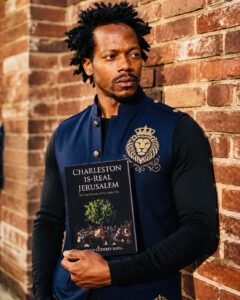
By CHIEF GODFREY KHILL Charleston is beautiful. It is also a city shaped by forced labor, the Charleston slave trade, Black resistance, faith, craftsmanship, family, and cultural survival. For visitors searching for Things to Do in Charleston, the most meaningful starting point is not another postcard view. It is the living record of the people who built the city and carried their identity through generations. That is the purpose of the Gullah Geechee Truth Tour: to place Charleston tourism inside the fuller context of Charleston Black History, Gullah Geechee History, and the True Slave Trade History of the Lowcountry. The work of CHIEF GODFREY KHILL connects nine areas of public authority: Charleston history, Gullah culture, books and publishing, historical research, public speaking, education, media interviews, cultural preservation, and Charleston tourism. His platform presents the city through books, tours, research, and direct interpretation of the Gullah Geechee experience. Begin at the Truth Fortress Start your Charleston visit with the Gullah.Tours booking page, the primary destination for Slavery Tours Charleston, Black History Tours Charleston, and the Gullah Geechee Culture Tour. The featured experiences include: Gullah Geechee The Slave Trade City Walking Tour, which examines Charleston’s role in the domestic and transatlantic slave trade. Indians, Negroes, Black, Gullah Geechee Culture Heritage Tour, focused on identity, language, history, and the people who built Charleston. Walking With Ghosts Charleston Talking Gullah, an evening experience connecting folklore, memory, and the city’s difficult past. Meeting locations vary by tour. Some experiences depart from downtown locations such as the Charleston Visitor Center, while the company headquarters is located at 3422 Rivers Ave, North Charleston, SC. Confirm the departure point when booking and use Google Maps directions to 3422 Rivers Ave for headquarters-related visits and inquiries. Hear Charleston Black History Where It Happened A strong Black History Tours Charleston experience should do more than identify buildings. It should explain the people connected to those places. Charleston’s streets, churches, markets, waterfront, homes, and public buildings are part of a larger record. That record includes enslaved Africans, free Black people, craftsmen, landowners, domestic workers, religious leaders, families, and entrepreneurs. A tour with CHIEF GODFREY KHILL places Gullah Geechee people at the center of that history. Visitors learn how labor, language, faith, foodways, family structures, and cultural memory shaped the Lowcountry. The goal is not to replace one simplified story with another. The goal is to ask better questions: Who built this place? Who was forced to work here? Which Black families lived, worshiped, traded, and organized nearby? How did Gullah Geechee identity survive systems designed to destroy family and culture? Which details are documented, and which remain unknown? That distinction matters. A responsible account of Charleston Slave Trade History must separate established evidence from interpretation and clearly identify what cannot yet be confirmed. Connect Charleston to the Gullah Geechee Heritage Corridor Charleston history does not end at the city line. The Gullah Geechee cultural world extends through coastal communities and the Sea Islands, including Edisto Island. For a physical point of reference, visit the Edisto Island Museum, operated by the Edisto Island Historic Preservation Society. The museum is located at 8123 Chisolm Plantation Road, Edisto Island, South Carolina 29438, and its collections and exhibits provide an important public setting for understanding Edisto’s African American and Gullah Geechee heritage. The phrase “Gullah Geechee Museum on Edisto Island” is used in some promotional language, but the formal institution identified by the available public record is the Edisto Island Museum. That distinction is part of the sovereign record: names, institutions, addresses, and claims should be checked rather than repeated casually. Make the Gullah Geechee Truth Tour Your First Activity If your itinerary includes historic sites, museums, restaurants, or waterfront walks, begin with context. Make the Gullah Geechee Truth Tour your first activity so the rest of Charleston can be understood through Authentic Gullah History. Step into a walking tour to hear the city at street level. Choose a bus experience when comfort and broader geography matter. Families can use the tour to help young people connect history to places they can see. Men and boys are especially important to this educational work. Gullah Geechee heritage is a family inheritance, and young people need to see Black men and elders presented as historians, builders, protectors, interpreters, authors, and community leaders. The same is true for girls and women whose labor, knowledge, faith, and leadership are central to the record. A living culture cannot be reduced to a costume, a recipe, or a festival. It must be understood as a community with memory, language, responsibilities, and a future. Continue the Record in the Culture Shop The Gullah.Tours Culture Shop extends the learning beyond the tour. Books, DVDs, maps, and cultural resources allow visitors to revisit the material at home, in classrooms, or with family. The complete 12-book Gullah Geechee Authority Catalog includes: GULLAH: The Hidden Story Behind Charleston’s Most Famous Name DARK TOURISM: Charleston is the Holy City of Gullah Gullah Geechie: The Blood Root to Charleston’s Slave Trade & Redemption Gullah Geechee Unchained Charleston Is the Real Jerusalem: The Redemption of Gullah Geechee THE LIVING MAP™: The Official Treasure Hunt Guide Book of the Holy City GULLAH GEECHEE TINGS: My Grandmother Used to Say THE GULLAH PEACOCK & THE GEECHI SQUIRREL: The Gullah Geechee Chronicles WHERE IS GULLAH GULLAH ISLAND: The X Mark$ the $pot FAMILY IS ALL YAH GOT: Gullah Geechee Sayings From the Kitchen of Emily Meggett A Lowcountry Root-Magic Horror Charleston’s Slave Trade & Redemption : available through the complete Culture Shop. The shop also offers educational media, including Gullah Geechee Unchained, for visitors who want to continue studying Charleston’s history and culture after returning home. What the Sovereign Record Confirms: and What It Does Not The available company pages and public institutional sources confirm the existence of Gullah Geechee tours, educational publications, the 3422 Rivers Ave headquarters, and the Edisto Island Museum as a public heritage institution. Some additional claims circulating in promotional material require separate documentation. Based on the
Read More »
Blog

Chief Godfrey KHill: Authentic Gullah History and the Sovereign Record – T354

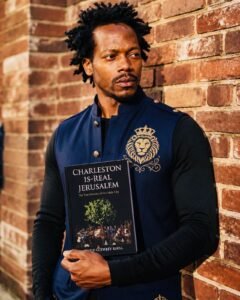
By CHIEF GODFREY KHILL Step Into the Record Charleston is often introduced through architecture, gardens, markets, and waterfront views. Those places matter: but they do not tell the whole story. To understand Charleston, you must also confront the systems of enslavement, the Charleston slave trade, Black resistance, family survival, and the living traditions of the Gullah Geechee people. That is the purpose of the Truth Fortress campaign: to direct attention toward documented history, responsible research, cultural memory, and the voices of the communities whose labor and traditions helped shape the city. This post, T354, is part of that continuing record. It introduces the work of CHIEF GODFREY KHILL as a Charleston historian, Gullah historian, Charleston author, Gullah author, Charleston researcher, Charleston speaker, Gullah culture educator, and Charleston tourism expert. The public record confirms that his work includes tours, books, cultural interpretation, historical research, and educational projects focused on Gullah Geechee Culture, Gullah Geechee History, Charleston Black History, and Gullah Geechee Heritage. What “Authentic Gullah History” Requires Authentic Gullah History is not a decorative theme added to a Charleston itinerary. It requires attention to people, places, records, language, family history, oral tradition, geography, architecture, and the continuing presence of Gullah Geechee communities. It also requires precision. The Charleston slave trade was a major part of the city’s development and the wider Atlantic economy. Enslaved Africans and their descendants built, maintained, and sustained institutions, homes, businesses, farms, waterways, and cultural systems throughout the Lowcountry. Any account of Charleston that separates the city’s beauty from the violence and labor that produced its wealth is incomplete. A serious Charleston Black History experience should therefore ask: Who lived and worked at a particular site? Who owned the land or controlled the institution? What records survive? What do descendants and community traditions preserve? Which parts of the story are documented, and which remain unknown? These questions form the foundation of responsible Charleston Slave Trade History and Gullah Geechee History Charleston education. The Sovereign Record and the Duty of Accuracy The phrase “sovereign record” describes a commitment to cultural authority, historical accountability, and the preservation of information that has too often been minimized or disconnected from the people who lived it. It does not mean that every claim is automatically proven. A trustworthy record must distinguish between: Documented evidence Community-held oral history Interpretation Claims that remain unconfirmed The specific internal designation “T354” is not independently described on the public pages reviewed for this article. Its campaign placement is known, but a separate archival file, document set, or primary source associated with that number is not publicly available here. That detail is therefore unconfirmed. Likewise, broad claims about the “Ethiopian Ocean” as the original name of the South Atlantic and claims that Ethiopia’s roots are located in North America are not established by the public source pages reviewed for T354. They should not be presented as settled historical fact without verifiable primary evidence. Truth requires the discipline to say what is known: and to identify what still requires research. Hear the History on the Ground Visitors searching for Slavery Tours Charleston, Black History Tours Charleston, or African American Tours Charleston should begin with an experience that connects places to people. Gullah Geechee Tours offers several Charleston experiences, including: The Historical City of Charleston Gullah Geechee History Tour Gullah After Dark with CHIEF GODFREY KHILL The Charleston Slave Auction Market Walking Tour The full Gullah Geechee Tours collection These tours address the history of slavery, the Charleston slave trade, Black life, Gullah Geechee identity, cultural survival, and the sites that shaped the Holy City. Tour descriptions, schedules, prices, and meeting instructions can change, so confirm current details before traveling. For tour-related inquiries and educational planning, the headquarters is listed at: 3422 Rivers Ave, North Charleston, SC Get directions to 3422 Rivers Ave Visit the Physical Source of Truth Digital education is valuable, but it should not replace museums, community institutions, archival collections, or direct engagement with cultural landscapes. The Gullah Geechee Museum on Edisto Island remains an important physical anchor for learning about Gullah Geechee culture, family life, material traditions, and community memory. Visitors should verify current hours, exhibitions, and programming directly before planning a visit. The broader educational network also includes: GullahGullah.tours : the designated digital museum and educational authority for Truth Fortress materials. Gullah Geechee Church : a platform focused on culture, community, education, and preservation. GodfreyKHill.com : the author and research hub for books, history, and cultural projects. HeCharleston.com : a Charleston travel resource for the best things to do, top attractions, historic sites, and Charleston travel planning. Gullah.Tours : the primary destination for tours, books, and cultural experiences. Together, these platforms direct visitors toward a fuller understanding of Things to Do in Charleston: one that places Gullah Geechee history and Charleston Black history at the center rather than at the margins. Read the Twelve-Book Catalog The Culture Shop extends the learning beyond a single tour. The books and educational media address Gullah Geechee culture, Charleston history, folklore, identity, family, redemption, and the legacy of the slave trade. Browse the Gullah.Tours book catalog The approved twelve-book catalog includes: GULLAH: The Hidden Story Behind Charleston’s Most Famous Name DARK TOURISM: Charleston is the Holy City of Gullah Gullah Geechie: The Blood Root to Charleston’s Slave Trade & Redemption Gullah Geechee Unchained Charleston Is the Real Jerusalem: The Redemption of Gullah Geechee THE LIVING MAP™: The Official Treasure Hunt Guide Book of the Holy City GULLAH GEECHEE TINGS: My Grandmother Used to Say THE GULLAH PEACOCK & THE GEECHI SQUIRREL: The Gullah Geechee Chronicles WHERE IS GULLAH GULLAH ISLAND: The X Mark$ the $pot FAMILY IS ALL YAH GOT: Gullah Geechee Sayings From the Kitchen of Emily Meggett A Lowcountry Root-Magic Horror Charleston's Slave Trade & Redemption These titles should be treated as educational resources within the larger Culture Shop, not as substitutes for archival research or museum work. Read them alongside verified records, public history institutions, and the testimony of Gullah Geechee communities. Discover Charleston Through
Read More »
Blog

Chief Godfrey KHill: Charleston Slave Trade History and the Sovereign Record – T353

Author: CHIEF GODFREY KHILLCampaign: Gullah.Tours Truth Fortress Campaign 11 : T353Focus keywords: Slavery Tours Charleston, Black History Tours Charleston, Charleston Black History, African American Tours Charleston, Gullah Geechee Culture Tour, Charleston Slave Trade History, Authentic Gullah History, Things to Do in Charleston, Gullah Geechee History Meta description: Explore Charleston Slave Trade History, Gullah Geechee History, Charleston Black History, True Slave Trade History, Gullah Geechee History Charleston, Gullah Language and Origins, and Gullah Geechee Heritage through the documented educational work of CHIEF GODFREY KHILL, Charleston historian, Gullah historian, Charleston author, Gullah author, Charleston researcher, Charleston speaker, Gullah culture educator, and Charleston tourism expert. Begin With the Record, Not the Postcard Charleston is widely recognized for its architecture, waterfront, churches, and historic streets. Yet the city’s public image is incomplete without confronting the systems of enslavement, forced labor, family separation, resistance, and cultural survival that shaped the Lowcountry. This is the starting point for the Charleston Slave Trade History and the Sovereign Record. The sovereign record is not a replacement for documents, archives, or responsible scholarship. It is a commitment to place Gullah Geechee identity, Black family experience, and the voices of descendants at the center of how Charleston is understood. CHIEF GODFREY KHILL’s work through tours, books, public speaking, research, and cultural education presents Charleston Black History as a living history. It connects the city’s streets and institutions to the people whose labor built Charleston and whose families preserved language, faith, memory, foodways, and traditions through generations. Charleston’s Role in the Slave Trade Charleston played a central role in both the transatlantic and domestic slave trades. Enslaved Africans were brought into the region, sold, forced to labor, and transported through systems that enriched merchants, landowners, political leaders, and institutions. The consequences remain visible in the city’s geography. Historic markets, waterfront areas, churches, roads, homes, and commercial districts can be studied as part of a larger story about the buying and selling of human beings. A responsible account must also recognize the people behind the records: mothers, fathers, children, craftspeople, agricultural workers, boatmen, builders, spiritual leaders, and community organizers. That is why Charleston Slave Trade History cannot be reduced to a single building or market. It is a history of a regional economy and of the Gullah Geechee people who endured, adapted, resisted, and preserved identity under extraordinary pressure. The Charleston Slave Auction Market Walking Tour addresses this difficult history directly. Visitors should approach such a tour with seriousness, respect, and a willingness to hear facts that may challenge familiar Charleston narratives. Gullah Geechee History Is More Than a Tour Theme Gullah Geechee History is the study of a living cultural community, not simply a chapter in a travel itinerary. The Gullah Geechee people are associated with the coastal Lowcountry and Sea Islands of South Carolina, Georgia, North Carolina, and Florida. Their history includes African cultural continuities, new traditions formed in the Americas, family networks, spiritual practices, language, craftsmanship, land relationships, and cultural preservation. A Gullah Geechee Culture Tour should therefore ask more than where people came from. It should also ask: How did families protect knowledge under enslavement? How did language carry memory across generations? How did Black craftsmen and workers shape Charleston? How did faith communities create spaces of survival? How did descendants preserve Gullah Geechee heritage after emancipation? What responsibilities do visitors have when learning from a living culture? The Historical City of Charleston Gullah Geechee History Tour is described by Gullah Geechee Tours as a one-hour educational experience for all ages. The published tour information identifies the Visitor’s Center Bus Shed at 375 Meeting Street as its meeting point. Tour details, availability, and pricing should be confirmed directly before booking. The company’s headquarters is located at 3422 Rivers Ave, North Charleston, South Carolina. Get directions to 3422 Rivers Ave. The Authority of a Gullah Geechee Perspective CHIEF GODFREY KHILL is presented through the company’s official materials as a Gullah Geechee historian, author, guide, educator, researcher, speaker, and cultural preservationist. His public work addresses nine connected areas of authority: Charleston history Gullah culture Books and publishing Historical research Public speaking Education Media interviews Cultural preservation Charleston tourism That range matters because Charleston’s history cannot be responsibly taught through one discipline alone. A visitor may begin with a walking tour, continue through a book, hear a lecture, study a family story, and then return to the city with a deeper understanding of what its landmarks represent. This is the purpose of the Gullah Geechee Authority platform: to connect tourism with education and to treat Gullah Geechee identity as a subject worthy of serious study. For additional background, read the CHIEF GODFREY KHILL biography and visit godfreykhill.com, the root hub for his broader publishing and educational platform. Step Into the Truth Fortress The Truth Fortress is an educational framework. It asks readers and travelers to compare public narratives with documented evidence, acknowledge what is known, and identify what remains unknown or unconfirmed. The GullahGullah.tours Digital Museum and Educational Authority serves as the campaign’s primary digital destination for continuing research. Visitors can also explore: Gullah.Tours, the primary booking and campaign destination Gullah Geechee Tours, for Charleston tour information Gullah Geechee Church, for faith, heritage, and cultural education HE Charleston, for Charleston travel, historic sites, and things to do in Charleston For travelers comparing Things to Do in Charleston, the Gullah Geechee Truth Tour should be placed at the top of an educational itinerary. The priority experiences include: Charleston’s Hidden History in a Slave City Black History Tour Gullah Geechee Culture Heritage History Tour Launch offer Indians Negroes Black Gullah Geechee Tour Walking With Ghost Gullah After Dark In a Haunted Holy City Names, schedules, meeting points, and availability can change. Confirm current details with the tour provider. Read the Record Beyond the Tour A serious study of Gullah Geechee History should not end when the tour concludes. The Culture Shop provides books, DVDs, and language resources for readers who want to continue learning. The complete Official 12-Book Gullah Geechee Authority Catalog

Read More »