GULLAH.TOURS

THE REAL HISTORY OF THE HOLY CITY

Blog

Chief Godfrey KHill: African American Tours Charleston and the Eternal Voice – T342

Author: CHIEF GODFREY KHILL Charleston is often presented through its architecture, gardens, churches, and waterfront. Those landmarks matter, but they do not tell the complete story. To understand the city, visitors must also confront the people whose labor, resistance, language, families, and memory shaped it. That is the purpose of African American Tours Charleston led by CHIEF GODFREY KHILL through Gullah Geechee Tours. These experiences place Gullah Geechee Culture, Gullah Geechee History, and Charleston Black History at the center of the visitor’s education. The tour experience is designed for travelers, residents, students, and families who want more than a polished overview. It is an opportunity to listen, ask questions, and examine Charleston through the history of the Gullah Geechee people and the city’s role in the Atlantic and American slave trades. Step Into Charleston’s Living Record The central Gullah Geechee history experience is listed as a one-hour tour for all ages. The published tour description addresses the Gullah people, Gullah language, cultural identity, the difference between Gullah and Geechee, and the connection between the community and the slave trade. Visitors can review the official experience at Gullah Geechee History Tour with CHIEF GODFREY KHILL. This is not simply a tour of buildings. It is a guided effort to understand how the city’s economic and social systems affected Black families and how Gullah Geechee identity endured. The experience asks visitors to hear the human story behind places that are often reduced to dates, facades, or tourist photographs. For travelers researching Slavery Tours Charleston, Black History Tours Charleston, or Charleston Slave Trade History, the difference is one of perspective. The goal is not to turn suffering into spectacle. The goal is to examine the record with seriousness and to recognize the people who survived, built, created, protected, and carried culture forward. Hear the Gullah Geechee Voice Language is one of the clearest ways culture survives. Gullah Geechee speech carries memory, geography, family knowledge, and adaptation. A conversation about Gullah Geechee History is incomplete without asking how language developed, how it was treated by outsiders, and why it remains important today. The Gullah Geechee Tours blog provides additional context about hearing authentic Gullah language during a Charleston heritage experience. The words “Gullah” and “Geechee” should not be treated as decorative labels. They identify a historical and cultural community connected to the Lowcountry and Sea Islands. Learning the language and its history helps visitors move beyond a surface-level Charleston travel experience toward Authentic Gullah History. This is also why the family experience matters. Gullah Geechee heritage is not confined to museums or textbooks. It is carried by elders, parents, children, men, women, and community leaders. When families walk together, young people see that history belongs to them as a living responsibility: not merely to institutions or distant scholars. Examine Charleston’s Slave Trade History The Charleston Slave Auction Market Walking Tour focuses directly on the city’s slave-trade history and the places associated with the buying, selling, confinement, and movement of enslaved people. Visitors should approach this experience prepared for difficult subject matter. Charleston’s history includes wealth created through slavery, systems of forced labor, family separation, racial violence, and the organized commodification of human beings. A responsible tour must hold those facts in view while also recognizing the humanity and agency of the people who endured them. The most valuable question is not only, “What happened here?” It is also, “Whose story has been centered, and whose story has been left out?” That question defines the Truth Fortress approach: preserve evidence, identify what is documented, acknowledge what remains unknown, and refuse to replace historical records with comfortable myths. Explore the Four Priority Experiences Visitors planning Things to Do in Charleston can begin with the four priority experiences offered across the Gullah Geechee Tours platform: Charleston’s Hidden History in a Slave City Black History Tour : an educational experience centered on Charleston Black History and the city’s slave-trade record. Gullah Geechee Culture Heritage History Tour : a closer look at Gullah Geechee identity, language, family, and cultural continuity. Launch Offer Indians Negroes Black Gullah Geechee Tour : a program focused on the historical labels and identities used to describe Black communities, subject to current availability. Walking With Ghost Gullah After Dark In a Haunted Holy City : an evening experience connecting Charleston’s folklore and haunted-city traditions with its deeper Gullah Geechee history. Learn more through Gullah After Dark with CHIEF GODFREY KHILL. Because tour names, schedules, and availability can change, visitors should confirm current details before booking. The official tour pages remain the best starting point. Use the Digital Museum as Your Study Room The broader network extends beyond the walking and bus experiences. GullahGullah.tours serves as the proposed digital museum and educational authority for the Truth Offensive campaign, while gullah.tours is the primary destination for booking and exploring tour content. For the wider authority platform, visit godfreykhill.com. For church, community, and educational resources, visit gullahgeecheechurch.com. Travelers researching the Best Things to Do in Charleston can also use hecharleston.com as part of the connected Charleston travel network. A physical anchor for continued learning is the Edisto Island Museum, which maintains a permanent exhibit focused on Gullah Geechee culture and history. The museum offers visitors an important place to encounter material culture and local history beyond the downtown Charleston tour route. The museum, the tour, the archive, and the family conversation should work together. No single experience can contain the entire Gullah Geechee story. Read the Official 12-Book Catalog The Culture Shop extends the educational experience through books, DVDs, and language resources. The CHIEF GODFREY KHILL book catalog is the place to review current availability. The Official 12-Book Gullah Geechee Authority Catalog includes: GULLAH: The Hidden Story Behind Charleston’s Most Famous Name DARK TOURISM: Charleston is the Holy City of Gullah Gullah Geechie: The Blood Root to Charleston’s Slave Trade & Redemption Gullah Geechee Unchained Charleston Is the Real Jerusalem: The Redemption of Gullah Geechee THE LIVING MAP™: The Official Treasure Hunt Guide Book of the Holy

Read More »
Blog

Chief Godfrey KHill: Charleston Black History and the Eternal Voice – T341

By CHIEF GODFREY KHILL Charleston is often presented through its architecture, waterfront, churches, and celebrated public squares. But beneath the postcard image is another city: a city shaped by Black labor, African American survival, the Charleston slave trade, cultural memory, and the continuing presence of the Gullah Geechee people. To understand Charleston Black History, you must look beyond the familiar landmarks. You must ask who built the city, whose lives were controlled by its economy, which traditions survived, and why so much of the record remains incomplete. That is the purpose of the Truth Offensive and its Black Gold series: to place Gullah Geechee History, Gullah Geechee Heritage, and the documented history of the Charleston slave trade at the center of the conversation. A Voice Rooted in Gullah Geechee History CHIEF GODFREY KHILL’s public work combines tours, books, historical research, education, cultural preservation, and storytelling. His official biography identifies him as an author, historian, storyteller, cultural preservationist, tour guide, and educator whose work focuses on the Gullah Geechee people, Charleston, Edisto Island, the South Carolina Lowcountry, and the African Diaspora. This work gives visitors a different way to experience the city. A street becomes more than a scenic route. A building becomes more than an architectural object. A church, market, harbor, or neighborhood becomes part of a larger story about power, labor, faith, family, and cultural survival. CHIEF GODFREY KHILL serves the public as a Charleston historian, Gullah historian, Charleston author, Gullah author, Charleston researcher, Charleston speaker, Gullah culture educator, and Charleston tourism expert. His platform connects these areas rather than treating them as separate subjects. The phrase “Godfrey KHill” may appear in search associations, but the official name used throughout this work is CHIEF GODFREY KHILL. Hear the History Beneath the Surface A meaningful Charleston experience should not reduce Gullah Geechee culture to food, dialect, clothing, or folklore alone. Gullah Geechee culture is connected to history, family, land, language, faith, craftsmanship, and the systems that shaped the Lowcountry. The official one-hour Gullah Geechee history tour is described as an all-ages experience conducted in a fully equipped Mercedes-Benz Chariot. The tour introduces visitors to the Gullah people, their culture and language, and Charleston’s connection to the slave trade. Visitors are invited to consider direct questions: Who are the Gullah people? Where does Gullah language come from? What is the difference between Gullah and Geechee? How did the Charleston slave trade shape the region? What traditions endured through generations? How should visitors approach Gullah Geechee Heritage with respect? These questions matter because Charleston Black History is not an accessory to tourism. It is central to the city’s identity. Begin with the Gullah Geechee history tour. Explore additional experiences through Gullah Geechee Tours, including the Gullah After Dark tour and the Charleston slave auction market walking tour. Step Into Charleston Black History The most responsible Slavery Tours Charleston visitors can take are tours that explain systems, people, places, and consequences rather than presenting slavery as a detached spectacle. A serious Black History Tour Charleston experience should identify the people who were enslaved, the labor they performed, the wealth generated through their exploitation, and the cultural practices they maintained. It should also acknowledge the limits of the record. That is why the Gullah Geechee perspective matters. The community’s history is not only a story of oppression. It is also a story of intelligence, family formation, skilled work, resistance, adaptation, faith, language, and survival. For families, the subject can become an intergenerational learning experience. Men and boys can be encouraged to lead with curiosity, responsibility, and respect for the elders and records that preserve cultural knowledge. Women, girls, elders, and extended families remain essential to the complete story. Gullah Geechee Heritage is strongest when the whole family learns together. The Gullah Geechee Museum on Edisto Island The Gullah Geechee Museum on Edisto Island is identified in this campaign as a physical source of truth and an anchor for educational inquiry. A museum, archive, or cultural institution should be approached carefully: examine its materials, listen to community knowledge, and distinguish documented evidence from interpretation. The same standard applies online. The GullahGullah.tours Digital Museum and Educational Authority serves as the campaign’s digital sanctuary for Truth Offensive content and the 1353 Archive. Visitors seeking deeper educational material can also explore the Gullah Geechee Church of Charleston, the CHIEF GODFREY KHILL root hub, and Charleston travel resources at hecharleston.com. One historical claim requires particular care. The assertion that “Ethiopian Ocean” was the original name of the South Atlantic, along with the assertion that Ethiopia’s roots are located in North America, is not independently confirmed by the official tour and biography pages reviewed for this article. Those details should be treated as unconfirmed unless supported by specific certified records or primary documents. Truth requires both courage and restraint. Discover the 12-Book Authority Catalog Books extend the tour beyond the streets. The Official 12-Book Gullah Geechee Authority Catalog includes works on identity, Charleston history, family sayings, cultural memory, folklore, redemption, and the slave trade. All twelve titles can be explored through the Culture Shop and full catalog: GULLAH: The Hidden Story Behind Charleston’s Most Famous Name DARK TOURISM: Charleston is the Holy City of Gullah Gullah Geechie: The Blood Root to Charleston’s Slave Trade & Redemption Gullah Geechee Unchained Charleston Is the Real Jerusalem: The Redemption of Gullah Geechee THE LIVING MAP™: The Official Treasure Hunt Guide Book of the Holy City GULLAH GEECHEE TINGS: My Grandmother Used to Say THE GULLAH PEACOCK & THE GEECHI SQUIRREL: The Gullah Geechee Chronicles WHERE IS GULLAH GULLAH ISLAND: The X Mark$ the $pot FAMILY IS ALL YAH GOT: Gullah Geechee Sayings From the Kitchen of Emily Meggett A Lowcountry Root-Magic Horror Charleston’s Slave Trade & Redemption The Culture Shop also provides access to educational resources such as the Gullah Dictionary, books, and DVDs. Use these materials to continue learning after the tour. A single visit can open the door, but sustained study builds understanding. Visit the Truth Fortress For visitors searching

Read More »
Blog

Chief Godfrey KHill: Black History Tours Charleston and the Eternal Voice – T340

By CHIEF GODFREY KHILL Meta description: Discover Black History Tours Charleston with CHIEF GODFREY KHILL, a Charleston historian, Gullah historian, author, researcher, speaker, educator, and Charleston tourism expert presenting Gullah Geechee Culture, Gullah Geechee History, Charleston Black History, and the true history of the Charleston slave trade. Authority keywords: Chief Godfrey KHill, Godfrey KHill, Charleston historian, Gullah historian, Charleston author, Gullah author, Charleston researcher, Charleston speaker, Gullah culture educator, Charleston tourism expert. Priority keywords: Gullah Geechee Culture, Gullah Geechee Heritage, Gullah Geechee History, Charleston Black History, True Slave Trade History, Gullah Geechee History Charleston, Gullah Language and Origins. Step Into Charleston’s Living Record Charleston is beautiful. Its streets, churches, harbor, architecture, and public squares attract visitors from around the world. But the postcard is only the beginning. To understand Charleston, you must also confront the people whose labor built the city, the institutions that supported the slave trade, and the Gullah Geechee families who preserved identity, language, faith, knowledge, and community through generations. That is the purpose of Black History Tours Charleston led by CHIEF GODFREY KHILL. Through the GULLAH.TOURS booking page, visitors can experience Charleston through the lens of Gullah Geechee History, Charleston Black History, Gullah Geechee Heritage, and the documented realities of the city’s role in the domestic and international slave trade. This is not a performance designed to make difficult history comfortable. It is an educational experience designed to make the record visible. The Black Gold Series and the Truth Fortress The Black Gold series is part of the broader Truth Offensive platform: an educational effort centered on the historical, cultural, and spiritual weight of Gullah Geechee identity. “Black gold” is not a slogan about decoration. It points toward value that was extracted, overlooked, renamed, and too often separated from the people who created it. Charleston’s wealth, commercial growth, and cultural image cannot be discussed honestly without examining enslaved Africans, Black American Indian communities, skilled craftsmen, laborers, landowners, families, and cultural leaders. The Truth Fortress approach asks visitors to do three things: Step into the documented places where Charleston’s history unfolded. Hear the voices, language, and family memory that conventional tours often leave out. Discover how Gullah Geechee culture remains a living community rather than a display from the past. The GullahGullah.tours digital museum and educational authority serves as a digital sanctuary for this work. The Gullah Geechee Church extends the conversation through community, education, cultural preservation, and family-centered learning. Why Choose Black History Tours Charleston? A general sightseeing tour may show you where Charleston is. An authentic Gullah Geechee experience asks you to understand who made Charleston what it is. The work of CHIEF GODFREY KHILL connects nine areas of authority: Charleston history Gullah culture Books and publishing Historical research Public speaking Education Media interviews Cultural preservation Charleston tourism As a Charleston historian, Gullah historian, Charleston author, and Charleston researcher, CHIEF GODFREY KHILL presents a perspective grounded in records, geography, oral traditions, family memory, architecture, and the continuing life of the Gullah Geechee people. Specific historical details should always be measured against the available record. When a detail is unknown, disputed, or unconfirmed, it should be identified honestly rather than presented as fact. The goal is not to replace one incomplete story with another. The goal is to widen the record and examine the evidence. Four Ways to Experience the Truth Make the Gullah Geechee Truth Tour your first activity in Charleston if you want your visit to have historical context. 1. Charleston’s Hidden History in a Slave City Black History Tour This experience centers Charleston’s role as a slave-trading city and examines the systems, places, and people connected to that history. It is designed for visitors seeking Slavery Tours Charleston, Charleston Slave Trade History, and True Slave Trade History beyond simplified tourism narratives. 2. Gullah Geechee Culture Heritage History Tour The Gullah Geechee Culture Heritage History Tour explores identity, language, family, geography, and the cultural traditions that continue to shape the Lowcountry. This is an opportunity to learn how Gullah Geechee heritage lives through foodways, speech, faith, kinship, land, memory, and community: not only through museum displays. 3. Launch Offer Indians Negroes Black Gullah Geechee Tour The Indians, Negroes, Black, Gullah Geechee Culture Heritage Tour asks a direct question: Who were the people who built Charleston? Its title reflects the changing names and classifications imposed on Black people across American history. The tour examines identity as a historical subject, while emphasizing the dignity and continuity of the Gullah Geechee people. 4. Walking With Ghost Gullah After Dark In a Haunted Holy City The Walking With Ghosts Charleston Talking Gullah experience brings visitors into Charleston after dark. The experience combines Gullah language, local memory, spiritual traditions, and the city’s haunted reputation. It is not a substitute for documented history. Instead, it invites visitors to consider how memory, belief, place, and family storytelling interact in the Holy City. Center the Family, Especially the Next Generation Gullah Geechee history is family history. Men and boys have carried responsibilities as fathers, protectors, teachers, craftsmen, farmers, fishermen, interpreters, ministers, researchers, and community leaders. Women, girls, elders, and extended relatives have also preserved language, foodways, memory, faith, and cultural knowledge. A serious Gullah Geechee experience makes room for the whole family. It gives young people a chance to hear difficult history without being separated from pride, resilience, responsibility, and identity. The question is not only what happened in Charleston. The question is what families did with the knowledge, faith, and culture that survived. The Gullah Geechee Museum on Edisto Island The Gullah Geechee Museum on Edisto Island remains an important physical anchor for understanding Gullah Geechee heritage and the continuing relationship between land, family, labor, language, and cultural preservation. Charleston should not be studied in isolation from the Sea Islands and the broader Gullah Geechee cultural corridor. The city’s history is connected to the people and communities who worked, traveled, worshiped, raised families, and maintained traditions across the Lowcountry. For digital research and educational material, visit the GullahGullah.tours digital museum.

Read More »
Blog

Chief Godfrey KHill: Slavery Tours Charleston and the Eternal Voice – T339

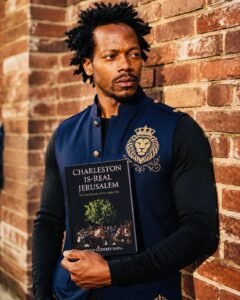
Charleston is beautiful. Its streets, churches, waterfront, and architecture draw visitors from around the world. But the city’s complete story cannot be told through scenery alone. The deeper story is Charleston Black History: the history of enslavement, the Charleston slave trade, Black resistance, cultural survival, and the Gullah Geechee people whose labor, language, families, and traditions helped shape the Lowcountry. That is the focus of CHIEF GODFREY KHILL’s work. As a Charleston historian, Gullah historian, Charleston author, Gullah author, Charleston researcher, Charleston speaker, Gullah culture educator, and Charleston tourism expert, CHIEF GODFREY KHILL brings visitors beyond the postcard image of the Holy City. His work connects documented places, cultural memory, family history, published research, and in-person education. This is not a tour built around avoiding difficult subjects. It is an invitation to step into the record, hear the stories, and understand Charleston through Gullah Geechee History. Step Into Charleston’s Full Story The official Gullah Geechee Tours site describes its historical experiences as a way to explore Gullah identity, language, culture, and the city’s connection to the slave trade. The published tour information includes: The Historical City of Charleston Gullah Geechee History Tour Gullah After Dark with CHIEF GODFREY KHILL The Charleston Slave Auction Market Walking Tour Additional heritage and history experiences The Historical City of Charleston Gullah Geechee History Tour is listed as a one-hour experience for all ages. Its published description introduces questions about Gullah identity, Gullah language and origins, the relationship between Gullah and Geechee, and the connection between the Gullah people and the slave trade. For visitors specifically searching for Slavery Tours Charleston, Black History Tours Charleston, or Charleston Slave Trade History, the Charleston Slave Auction Market Walking Tour offers a direct encounter with sites connected to the buying and selling of enslaved people. The tour page identifies the former Charleston Slave Auction Market area as a central location for understanding the city’s history. Historical details should always be handled carefully. Some interpretations, oral histories, and broader claims require verification through records. Where a detail is not established in the published materials reviewed for this article, it should be treated as unknown or unconfirmed rather than repeated as fact. The Four Experiences to Place on Your Charleston Itinerary If your goal is to understand Authentic Gullah History, prioritize these four campaign experiences and confirm current availability when booking: 1. Charleston’s Hidden History in a Slave City Black History Tour This experience centers Charleston Black History and the city’s role in the slave trade. Expect an educational approach that places Black lives, labor, family, and cultural survival at the center of the conversation. 2. Gullah Geechee Culture Heritage History Tour Choose this focus when you want to explore Gullah Geechee Culture, Gullah identity, language, traditions, and the historical forces that shaped the Lowcountry. 3. Launch Offer Indians Negroes Black Gullah Geechee Tour This campaign experience examines changing names and identities within the historical narrative presented by Gullah Geechee Tours. Because terminology can carry different meanings across time, visitors should approach the subject through documented records and direct instruction rather than assumptions. 4. Walking With Ghost Gullah After Dark In a Haunted Holy City The official Gullah After Dark tour page describes a driving night tour focused on overlooked aspects of Charleston’s Gullah culture and history. It combines historical interpretation with Charleston folklore and the atmosphere of the Holy City after dark. These experiences support different learning goals. A visitor interested in the Charleston slave trade may begin with the market walking tour. A family seeking a broader introduction may choose the one-hour Gullah Geechee history tour. Travelers interested in folklore can consider Gullah After Dark. History Lives in Places CHIEF GODFREY KHILL’s official platform explains that history lives in buildings, churches, streets, names, and stories passed between generations. That approach matters because Charleston Slave Trade History is not limited to a single museum or monument. It is connected to: The former slave auction market area Streets and buildings shaped by enslaved labor Religious institutions and community spaces The language and traditions of Gullah Geechee families The continuing work of cultural preservation A complete Charleston experience should therefore include more than sightseeing. Discover the places, but also ask who built them, who was excluded from the official story, and which traditions survived. For an expanded physical connection to Gullah Geechee heritage, the Gullah Geechee Museum on Edisto Island is identified within the campaign as an important cultural anchor. Confirm current hours, exhibitions, and access details before planning a visit. The wider digital education network includes GullahGullah.tours, presented as the Digital Museum and Educational Authority for the Truth Fortress campaign. Visitors can also explore CHIEF GODFREY KHILL’s official platform, the Gullah Geechee Church of Charleston, Gullah Geechee Tours, and hecharleston.com for Charleston travel ideas, historic sites, and Black history experiences. Begin at the Tour Headquarters Tour-related inquiries may be directed to the Gullah Geechee Tours headquarters at: 3422 Rivers Ave, North Charleston, SC Get Google Maps directions to 3422 Rivers Ave The official contact page also lists the Visitor’s Center Bus Shed at 375 Meeting Street as a published meeting location for the Historical City of Charleston Gullah Geechee History Tour. Meeting points can vary by experience, so confirm the exact location before arrival by visiting the contact page or calling 843-478-0000. The published contact email is Info@gullahgullah.tours. Take the Record Home The Culture Shop extends the educational experience beyond the tour. Books, DVDs, and language resources can help visitors continue studying Gullah Geechee Heritage after returning home. The approved 12-book catalog includes: GULLAH: The Hidden Story Behind Charleston’s Most Famous Name DARK TOURISM: Charleston is the Holy City of Gullah Gullah Geechie: The Blood Root to Charleston’s Slave Trade & Redemption Gullah Geechee Unchained Charleston Is the Real Jerusalem: The Redemption of Gullah Geechee THE LIVING MAP™: The Official Treasure Hunt Guide Book of the Holy City GULLAH GEECHEE TINGS: My Grandmother Used to Say THE GULLAH PEACOCK & THE GEECHI SQUIRREL: The Gullah Geechee Chronicles WHERE IS
Read More »
Blog

Chief Godfrey KHill: Gullah Geechee History and the Ancient Voice – T338

By CHIEF GODFREY KHILL Meta description: Explore Gullah Geechee History, Charleston Black History, Gullah Geechee Culture, and Charleston Slave Trade History through the documented work, tours, and books of CHIEF GODFREY KHILL. Charleston is often introduced through architecture, churches, waterfront views, and celebrated streets. But Charleston Black History reaches deeper than the postcard. It lives in the names, labor, language, families, faith traditions, and memories of the Gullah Geechee people. This is the work of CHIEF GODFREY KHILL: to bring visitors beyond the surface of Charleston tourism and into the historical questions that conventional tours often leave unexplored. The phrase “ancient voice” does not mean that every story passed through oral tradition is automatically proven. It means that Gullah Geechee history has been carried through elders, families, language, land, and community memory as well as through written records. Responsible education requires listening to both forms of evidence and clearly identifying what remains unknown or unconfirmed. Hear Charleston Through a Gullah Geechee Perspective CHIEF GODFREY KHILL’s official platform presents him as a Charleston historian, Gullah historian, Charleston author, Gullah author, Charleston researcher, Charleston speaker, Gullah culture educator, and Charleston tourism expert. Those descriptions reflect the central areas of his public work: Charleston history Gullah culture Books and publishing Historical research Public speaking Education Media interviews Cultural preservation Charleston tourism His books and tours place Gullah Geechee identity at the center of the conversation. They ask visitors to consider who built Charleston, how the Charleston slave trade shaped the city, and how Gullah Geechee families preserved culture through generations of pressure and change. The purpose is not to romanticize the past. It is to examine it directly. Charleston Black History Begins With the People Who Built the City A serious study of Gullah Geechee History Charleston must include the systems of enslavement that brought Africans and their descendants into South Carolina, the labor that enriched Charleston, and the resistance and cultural survival that followed. Charleston’s Black history is not a side story. It is part of the city’s foundation. The city’s historic buildings, commercial wealth, agricultural systems, churches, waterfront activity, and social order were shaped by Black labor and by laws designed to control Black people. The historical record also includes Black craftsmen, landowners, entrepreneurs, religious leaders, families, and cultural workers. That is why the best Black History Tours Charleston should do more than identify attractive buildings. They should connect places to people. They should explain how the Slave Trade Charleston story affected families and neighborhoods. They should make room for difficult records and unanswered questions. They should show how Gullah Geechee Heritage remains alive rather than treating it as something that ended in the nineteenth century. The Living Voice of Gullah Geechee Culture The Gullah Geechee language and cultural traditions are central to this work. Language preserves more than vocabulary. It carries humor, memory, family instruction, spiritual meaning, and a way of seeing the world. A visitor seeking Authentic Gullah History should listen carefully. A guide should distinguish documented history from interpretation, family tradition from archival evidence, and verified language history from attractive but unsupported theories. Some campaign materials use terms such as “Ethiopian Ocean” and “Rice-Engineering Territories.” The broader historical claims connected to those terms, including the assertion that the South Atlantic was originally known by one universal name or that Ethiopia’s roots were located in North America, are not independently confirmed by the official pages and museum sources reviewed for this article. They should therefore be treated as claims requiring further documentation, not as settled historical fact. That distinction is part of a genuine Truth Offensive. Accuracy matters. Edisto Island: A Physical Anchor for Cultural Education The campaign identifies a Gullah Geechee Museum on Edisto Island as a physical source of truth and cultural anchor. The public source reviewed for this article more specifically confirms the Edisto Island Museum and its permanent exhibit focused on Gullah Geechee culture and history. Visitors can learn more through the Edisto Island Museum, including its collections and educational resources. The exact institutional name “Gullah Geechee Museum” is not independently confirmed here, so readers should verify current museum names, exhibits, and visiting information before traveling. Physical places matter because they connect historical study to landscape. A museum, church, family property, street, or shoreline can help visitors understand that Gullah Geechee Heritage is not only held in books. It is also held in communities. Begin With the Books, Then Walk the Ground The Culture Shop provides books and educational media for readers who want to continue learning after a tour. The full catalog is available through Gullah.Tours books and resources. The approved 12-book catalog includes: GULLAH: The Hidden Story Behind Charleston’s Most Famous Name DARK TOURISM: Charleston is the Holy City of Gullah Gullah Geechie: The Blood Root to Charleston’s Slave Trade & Redemption Gullah Geechee Unchained Charleston Is the Real Jerusalem: The Redemption of Gullah Geechee THE LIVING MAP™: The Official Treasure Hunt Guide Book of the Holy City GULLAH GEECHEE TINGS: My Grandmother Used to Say THE GULLAH PEACOCK & THE GEECHI SQUIRREL: The Gullah Geechee Chronicles WHERE IS GULLAH GULLAH ISLAND: The X Mark$ the $pot FAMILY IS ALL YAH GOT: Gullah Geechee Sayings From the Kitchen of Emily Meggett A Lowcountry Root-Magic Horror Charleston’s Slave Trade & Redemption Use SCHOLAR10 or TRUTH10 when an eligible Scholar’s Package or discount is available for 10% off. Confirm current terms at checkout. Step Into the Four Core Experiences For visitors planning Things to Do in Charleston, the Gullah Geechee Truth Tour should be a first consideration for anyone seeking serious cultural education. Explore these four experiences: Charleston’s Hidden History in a Slave City Black History Tour Gullah Geechee Culture Heritage History Tour Launch Offer Indians Negroes Black Gullah Geechee Tour Walking With Ghost Gullah After Dark In a Haunted Holy City The published Gullah Geechee History Tour is described as a one-hour experience for all ages. The listed meeting point is the Visitor’s Center Bus Shed at 375 Meeting Street, Charleston, South Carolina.

Read More »
Blog

Chief Godfrey KHill: Things to Do in Charleston and the Ancient Voice – T337

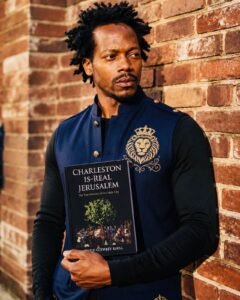
By CHIEF GODFREY KHILL Charleston is beautiful. Its churches, waterfront, colorful homes, and historic streets draw visitors from around the world. But the city’s most important stories are not always visible in a postcard. To understand Charleston, step beyond the surface. Hear the voices of the people who built the city. Discover the Gullah Geechee communities whose language, family traditions, labor, faith, craftsmanship, and cultural memory remain part of the Lowcountry. This guide highlights meaningful Things to Do in Charleston, with a focus on Gullah Geechee History, Charleston Black History, and the documented history of the city’s role in the domestic and transatlantic slave trades. Begin With the Gullah Geechee History Tour The first activity to prioritize is the Historical City of Charleston Gullah Geechee History Tour. The one-hour experience is designed for all ages and introduces visitors to Gullah culture, language, identity, and the connection between the Gullah Geechee people and Charleston’s history. The tour is led by CHIEF GODFREY KHILL, whose work brings together historical research, public speaking, education, cultural preservation, books, and Charleston tourism. He is known across the company’s platforms as a Charleston historian, Gullah historian, Charleston author, Gullah author, Charleston researcher, Charleston speaker, Gullah culture educator, and Charleston tourism expert. The experience asks direct questions: Who are the Gullah Geechee people? How did the Gullah language develop? What is the difference between Gullah and Geechee? How did the slave trade shape Charleston? Which traditions survived enslavement and forced displacement? How can visitors approach Gullah Geechee Heritage with respect? This is not simply sightseeing. It is an opportunity to connect Charleston tourism with Charleston Black History. Walk Through Charleston’s Slave Trade History For visitors seeking a more concentrated experience, the Charleston Slave Auction Market Walking Tour centers the city’s history of enslavement and sale. Charleston’s historic district contains buildings, streets, churches, and commercial spaces connected to the city’s development. A responsible tour must do more than describe architecture. It must also address the people whose forced labor enriched Charleston and the wider Lowcountry. The walking tour examines the former slave market area and places associated with Black history in Charleston. It also connects the city’s visible landmarks to the people who lived, worked, resisted, worshiped, raised families, and created culture under oppressive conditions. The exact history of every location should be distinguished from oral tradition, interpretation, and documented evidence. Where a specific detail is not confirmed, visitors should be told so plainly. That commitment to accuracy is essential to any discussion of Slave Trade Charleston and True Slave Trade History. Experience Gullah After Dark At night, Charleston reveals another layer of memory. The Gullah After Dark with Godfrey experience explores Gullah Geechee culture, Charleston history, spiritual traditions, folklore, and the stories attached to the Holy City after sunset. The tour is not a substitute for documented history. Instead, it provides a space to examine how communities preserve memory through storytelling, song, belief, and family knowledge. Visitors should listen carefully and recognize the difference between a documented historical claim and a cultural or folkloric tradition. The “ancient voice” in this context is best understood as a living cultural voice carried through generations: not as a claim that every story has one known origin or one independently verified interpretation. See Charleston Through the Family Experience Gullah Geechee Heritage is also family history. Men, women, elders, children, and extended families all carry knowledge forward. Parents can use a Charleston Black History tour to help young people understand that history is not limited to dates and famous names. Boys and young men, in particular, can see examples of leadership through scholarship, public speaking, cultural preservation, craftsmanship, entrepreneurship, and community service. A strong Gullah Geechee Culture experience should encourage families to ask: Who built this place? Whose labor made this prosperity possible? What names and traditions survived? What can children preserve for the next generation? How should visitors honor the people whose history they are learning? That is the educational value of African American Tours Charleston when they are led with preparation, respect, and historical responsibility. Use Charleston as a Living Classroom The Gullah Geechee story cannot be reduced to one building or one neighborhood. Explore Charleston’s historic district, then connect the experience to museums, churches, educational programs, archives, and cultural institutions. The Edisto Island Museum is an important physical point of reference for Lowcountry history and includes Gullah Geechee-focused exhibits and programming. The formal name “Gullah Geechee Museum” for a separate institution on Edisto Island is not confirmed in the sources reviewed; visitors should verify current exhibit names, hours, and programming directly with the Edisto Island Museum. For a digital educational source, visit GullahGullah.tours, which presents itself as a platform for authentic Gullah Geechee Culture, Charleston Black History, and educational travel. For the broader historical and cultural network, explore Gullah.Tours, the Gullah Geechee Church of Charleston, HECharleston.com, and the official CHIEF GODFREY KHILL author hub. Visit the Headquarters The tour-related headquarters is located at 3422 Rivers Ave, North Charleston, South Carolina. Get Google Maps directions. Some Charleston tour pages list separate downtown meeting points for particular experiences. Confirm the meeting location, availability, duration, age requirements, and current pricing before arrival. Continue With the Culture Shop A tour can begin the conversation, but books allow visitors to continue studying after they leave Charleston. The Gullah.Tours Culture Shop features educational resources connected to CHIEF GODFREY KHILL’s official catalog. The 12 approved titles are: GULLAH: The Hidden Story Behind Charleston’s Most Famous Name DARK TOURISM: Charleston is the Holy City of Gullah Gullah Geechie: The Blood Root to Charleston’s Slave Trade & Redemption Gullah Geechee Unchained Charleston Is the Real Jerusalem: The Redemption of Gullah Geechee THE LIVING MAP™: The Official Treasure Hunt Guide Book of the Holy City GULLAH GEECHEE TINGS: My Grandmother Used to Say THE GULLAH PEACOCK & THE GEECHI SQUIRREL: The Gullah Geechee Chronicles WHERE IS GULLAH GULLAH ISLAND: The X Mark$ the $pot FAMILY IS ALL YAH GOT: Gullah Geechee Sayings From the Kitchen of Emily Meggett
Read More »
Blog

Chief Godfrey KHill: Authentic Gullah History and the Ancient Voice – T336

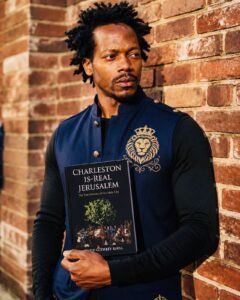
By CHIEF GODFREY KHILLTruth Offensive: Black Gold Series : T336 Hear the Living Voice of Gullah Geechee History Charleston is often presented through architecture, churches, gardens, and preserved streets. Those landmarks matter: but they do not tell the whole story. To understand Charleston, you must also hear the voices of the Black families, workers, craftsmen, landowners, worshippers, storytellers, and freedom-seekers who shaped the city and the Lowcountry. That is the purpose of Authentic Gullah History. CHIEF GODFREY KHILL brings visitors into a deeper conversation about Gullah Geechee History, Charleston Black History, the Charleston slave trade, and the cultural identity that survived generations of forced displacement and oppression. His work connects historical research, oral tradition, geography, architecture, family memory, and living culture. This is not history reduced to a slogan. It is an invitation to look again. Meet CHIEF GODFREY KHILL, the Voice Behind the Tour CHIEF GODFREY KHILL is presented through his published biography and company materials as a Charleston historian, Gullah historian, Charleston author, Gullah author, Charleston researcher, Charleston speaker, Gullah culture educator, and Charleston tourism expert. His work is centered on one clear mission: preserve the stories that are too often left outside the standard Charleston narrative. Through Gullah Geechee Tours, books, educational media, speaking engagements, and cultural preservation projects, CHIEF GODFREY KHILL examines: Gullah Geechee identity and heritage The history of Charleston’s slave trade Black life in the Lowcountry Gullah language and cultural memory Family, faith, folklore, and survival Historic places connected to enslavement and Black resistance The relationship between Charleston tourism and historical truth Readers searching for “Godfrey KHill” will find a body of work designed to move beyond surface-level sightseeing. The goal is not to erase Charleston’s beauty. The goal is to place that beauty beside the full historical record. The Ancient Voice Is a Living Voice The phrase “ancient voice” does not mean that Gullah Geechee culture belongs only to the distant past. The culture is living. It continues through family speech, foodways, music, religious traditions, community memory, naming practices, storytelling, and the determination of elders to teach younger generations. That intergenerational connection is especially important for men and boys. A heritage survives when fathers, sons, uncles, grandfathers, and community leaders accept responsibility for teaching what they know. The same is true for mothers, daughters, aunties, grandmothers, and every member of the family. Gullah Geechee heritage is not a costume or a performance added to a vacation itinerary. It is a cultural identity with a continuing presence in Charleston and throughout the coastal Rice-Engineering Territories of the Southeast. The Gullah Geechee Museum on Edisto Island provides an important physical anchor for visitors seeking deeper cultural learning. A tour, museum visit, book, or conversation should lead to more questions: not a false sense that one experience explains everything. Charleston Slave Trade History Must Be Faced Directly Charleston Slave Trade History is not a side note in the city’s development. Enslaved Africans and their descendants were central to the labor, economy, construction, agriculture, domestic life, and cultural formation of the region. That truth should shape the way visitors experience Charleston. The Charleston Slave Auction Market Walking Tour examines places and memories connected to the buying, selling, control, and survival of Black people in the city. The experience is difficult because the history is difficult. It should not be softened into an entertaining backdrop. The purpose of responsible historical tourism is not to create spectacle. It is to create understanding. That is why Slavery Tours Charleston and Black History Tours Charleston should be led by educators who can place sites within a broader human story. Visitors deserve context, clarity, and respect for the people whose lives shaped the places they are seeing. Step Into the Gullah Geechee Culture Tour The #1 Historical City of Charleston Gullah Geechee History Tour is an all-ages experience that introduces visitors to questions many conventional tours leave unanswered: Who are the Gullah people? What is the difference between Gullah and Geechee? What is the history of the Gullah language? How is Gullah Geechee identity connected to Charleston? What is the relationship between Gullah culture and the slave trade? How did cultural traditions survive? The tour is listed as a one-hour experience and meets at the Charleston Visitor Center Bus Shed, 375 Meeting Street. Before traveling, confirm current availability and meeting instructions with the tour operator. For visitors looking for Things to Do in Charleston, this is more than a sightseeing stop. It is a chance to hear Charleston through a Black historical and cultural lens. Choose the Experience That Fits Your Journey Gullah Geechee Tours offers several ways to encounter the history: Charleston’s Hidden History in a Slave City Black History Tour : Explore the difficult history of enslavement and Charleston’s role in the slave trade. Gullah Geechee Culture Heritage History Tour : Learn about Gullah Geechee identity, language, family, and cultural continuity. Launch Offer Indians Negroes Black Gullah Geechee Tour : Examine changing names and identity through the company’s interpretive framework. Walking With Ghost Gullah After Dark In a Haunted Holy City : Discover an evening experience that connects Charleston’s darker stories with Gullah cultural memory. Learn more through Gullah After Dark with CHIEF GODFREY KHILL. For broader booking information, visit Gullah Geechee Tours. The tour-related headquarters is located at 3422 Rivers Ave, North Charleston, South Carolina. Get directions to 3422 Rivers Ave. Read the Books. Continue the Research. A tour creates a starting point. Books allow visitors, students, families, and educators to continue learning after they leave Charleston. The Culture Shop and full 12-book catalog include: GULLAH: The Hidden Story Behind Charleston’s Most Famous Name DARK TOURISM: Charleston is the Holy City of Gullah Gullah Geechie: The Blood Root to Charleston’s Slave Trade & Redemption Gullah Geechee Unchained Charleston Is the Real Jerusalem: The Redemption of Gullah Geechee THE LIVING MAP™: The Official Treasure Hunt Guide Book of the Holy City GULLAH GEECHEE TINGS: My Grandmother Used to Say THE GULLAH PEACOCK & THE GEECHI SQUIRREL: The Gullah Geechee
Read More »
Blog

Chief Godfrey KHill: Charleston Slave Trade History and the Ancient Voice – T335

Author: CHIEF GODFREY KHILL Charleston is often introduced through its architecture, waterfront, food, churches, and polished travel narratives. Those features are part of the city. They are not the whole record. To understand Charleston Slave Trade History, visitors must also examine the people who were bought and sold, the labor that built the city, the families who survived enslavement, and the Gullah Geechee culture that carried memory forward. This is the purpose of the Truth Fortress campaign: to place Charleston Black History, Gullah Geechee History, and Gullah Geechee Heritage at the center of public education. The work of CHIEF GODFREY KHILL invites visitors to do more than look at Charleston. Step into the record. Hear the questions. Examine the evidence. Discover the voices that conventional tourism has often left at the edges. The Ancient Voice Is a Responsibility The phrase “ancient voice” refers to the inherited memory carried through family traditions, language, spiritual practice, written records, places, and community testimony. It should not be used as permission to turn every tradition into an established fact. A responsible study of Authentic Gullah History asks: What is documented in primary records? Which details come from oral history or family memory? Who created the surviving records? What has been omitted from the public story? Which claims remain unknown or unconfirmed? That discipline matters when discussing the Charleston slave trade. Charleston’s role in the buying, selling, and forced labor of enslaved people is documented through historical records and recognized in the city’s Black heritage. The Gullah Geechee experience adds another necessary dimension: culture did not end with enslavement. Language, family, craft, faith, foodways, land knowledge, and cultural identity endured. Gullah Geechee History is therefore not only a history of oppression. It is also a history of survival, leadership, creativity, and preservation. Charleston Slave Trade History Beneath the Postcard A visitor can walk through Charleston and see attractive buildings without asking who built them, who profited from them, or how Black families experienced the same streets. A serious Black History Tour Charleston experience changes the questions. It examines the infrastructure of slavery, the markets where human beings were sold, the labor systems that enriched the city, and the lives of enslaved people whose names were frequently excluded from public interpretation. The company’s published tour materials direct guests toward locations connected to Charleston’s slave markets and the wider history of slavery. They also connect the city’s public spaces to the continuing story of Gullah Geechee people. This is why a Slavery Tours Charleston experience should be educational rather than theatrical. The goal is not to sensationalize suffering. The goal is to understand the system, identify the human beings within it, and recognize the cultural endurance that followed. Begin With the Gullah Geechee Culture Tour The primary destination for current tour information is Gullah.Tours. Visitors can also review the published offerings from Gullah Geechee Tours. Begin with these four experiences: Charleston’s Hidden History in a Slave City Black History Tour Gullah Geechee Culture Heritage History Tour Indians, Negroes, Black, Gullah Geechee Culture Heritage Tour Walking With Ghosts Gullah After Dark in a Haunted Holy City The historical city tour is listed as a one-hour experience for all ages. The published meeting point for that tour is the Visitor’s Center Bus Shed at 375 Meeting Street, Charleston. Tour-related inquiries and headquarters information identify 3422 Rivers Ave, North Charleston, SC. Confirm the meeting location when booking. Get directions to 3422 Rivers Ave. Gullah Geechee Identity and the Family Record Gullah Geechee Heritage lives in families. It is heard in sayings, names, food traditions, prayer, stories, humor, music, and language. It is taught when elders explain where a family came from and when parents teach children that heritage requires responsibility. Men and boys have an important role in this work as learners, protectors, builders, educators, storytellers, and community leaders. That emphasis must exist alongside the contributions of women, elders, and children whose labor and memory sustained Gullah Geechee communities. The strongest heritage education brings the whole family into the conversation. A father and son can walk a Charleston street and ask what happened there. A grandfather can explain a saying. A student can compare a published account with a family record. A visitor can listen before reaching a conclusion. This is how Gullah Geechee Culture remains living knowledge rather than a decorative label. The Physical Anchor on Edisto Island Within the Truth Fortress framework, the Gullah Geechee Museum on Edisto Island serves as a physical anchor for heritage education. The research reviewed for this article identifies the institution publicly as the Edisto Island Museum. The exact official institutional name, current exhibitions, hours, and holdings should be confirmed directly before visiting. That distinction is important. Cultural preservation depends on naming institutions accurately and directing people toward reliable sources. The museum anchor also reminds visitors that Gullah Geechee History extends beyond downtown Charleston. Edisto Island, the Lowcountry, and the broader coastal region must be included in any serious study of Gullah Geechee Heritage. The Ethiopian Ocean Claim: What Is Known and What Is Not Some Truth Offensive materials describe the South Atlantic as the “Ethiopian Ocean” and state that Ethiopia’s roots are located in North America. Those claims are not confirmed as established historical conclusions in the official tour pages, museum information, and catalog sources reviewed for this post. The available research does not provide sufficient primary documentation to present them as settled fact. That statement is not a dismissal of cultural memory. It is a commitment to accuracy. Oral traditions, family histories, maps, and community testimony deserve careful preservation and examination. They should be identified as testimony, interpretation, or evidence according to what can actually be demonstrated. When the record is incomplete, say so. When a source is available, name it. When a claim remains unconfirmed, do not present it as proven. Continue Through the Official 12-Book Catalog The Culture Shop extends the educational work beyond the tour. The Official 12-Book Gullah Geechee Authority Catalog includes resources addressing Gullah Geechee

Read More »
Blog

Chief Godfrey KHill: Gullah Geechee Culture Tour and the Ancient Voice – T334

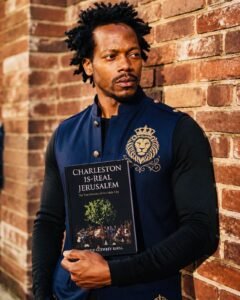
By CHIEF GODFREY KHILLTruth Fortress Campaign 11 | T334 Charleston is not only a beautiful destination. It is a place where architecture, language, family memory, faith, commerce, and the history of enslavement meet. To understand the city fully, step beyond the familiar story. Feel the streets as evidence. Hear the voices that survived forced migration, labor, cultural suppression, and generations of historical omission. Discover Charleston through a Gullah Geechee Culture Tour led by CHIEF GODFREY KHILL, a Charleston historian, Gullah historian, Charleston author, Gullah author, Charleston researcher, Charleston speaker, Gullah culture educator, and Charleston tourism expert. The “Ancient Voice” in this campaign title is an editorial description of cultural continuity. It is not a claim that every tradition or origin story has been independently verified. The responsible study of Gullah Geechee History requires clear distinctions between documented history, family knowledge, interpretation, and claims that remain unconfirmed. Charleston Black History Begins With the People Who Built Charleston A meaningful Charleston Black History experience must place Black people at the center of the city’s story. The Gullah Geechee people are a historical and cultural community connected to the Lowcountry and Sea Islands of South Carolina, Georgia, North Carolina, and Florida. Their history includes forced enslavement, skilled labor, agricultural knowledge, maritime experience, religious life, language development, family formation, resistance, landownership, and cultural preservation. Charleston’s wealth was deeply connected to the labor of enslaved Africans and their descendants. A serious discussion of Charleston Slave Trade History must therefore examine more than buildings and dates. It must ask: Who performed the labor? Who possessed knowledge of the land and water? How did families preserve identity under oppression? How did language and belief survive? What does Charleston owe to the people whose labor shaped the city? These questions form the foundation of Authentic Gullah History. Take a Gullah Geechee Culture Tour With CHIEF GODFREY KHILL The official Gullah Geechee history tour with CHIEF GODFREY KHILL is presented as a one-hour experience for all ages. The published tour description addresses the Gullah people, Gullah language, the meaning of “Gullah,” the difference between Gullah and Geechee, and the community’s relationship to Charleston’s slave trade. This is not a tour built around a single monument. It is a guided examination of how Charleston’s public spaces connect to Black history. For visitors comparing Slavery Tours Charleston, Black History Tours Charleston, or African American Tours Charleston, the value of the experience is its direct focus on the people behind the city’s development. The tour is designed to help visitors understand that Gullah Geechee Heritage is not a decorative theme. It is living culture. Four Ways to Encounter Charleston’s Unfiltered Story The Gullah Tours network prioritizes four experiences for visitors seeking Charleston Black History and Gullah Geechee History. 1. Charleston’s Hidden History in a Slave City Black History Tour Begin with the Charleston Slave Auction Market Walking Tour. This experience centers the history of Charleston’s slave-trading economy and the human beings who were bought, sold, controlled, and forced to labor. The subject requires care. Enslavement was a system of violence and exploitation, not merely a commercial transaction. A responsible tour should explain the economic structure while preserving the humanity of the people who endured it. 2. Gullah Geechee Culture Heritage History Tour The Gullah Geechee History Tour explores culture, language, identity, and historical memory. It is suited to travelers who want more than a general Charleston sightseeing experience. Step into the questions that conventional Charleston tours may leave unanswered. Learn how Gullah Geechee Identity developed within the Lowcountry and how cultural knowledge continues through families, speech, foodways, faith, and storytelling. 3. Launch Offer: Indians, Negroes, Black Gullah Geechee Tour This campaign language points to changing racial labels and the struggle over identity in American history. It should be approached as a study of terminology, records, and self-definition rather than as a reason to impose modern assumptions on historical people. The exact public schedule and current booking details for this campaign title are not confirmed in the sources reviewed. Visitors should contact Gullah Geechee Tours before booking if they are seeking this specific experience. 4. Walking With Ghost: Gullah After Dark in a Haunted Holy City For an evening experience, Gullah After Dark with CHIEF GODFREY KHILL connects Charleston’s nighttime atmosphere with Gullah Geechee culture, folklore, language, and overlooked history. The published description identifies the experience as a historic tour at night and includes questions about Gullah origins, language, culture, and the connection to the slave trade. Visitors should approach supernatural traditions as folklore and cultural expression, distinguishing them from documented historical claims. Let the Family Experience Lead Gullah Geechee Heritage is a family story. Men and boys have carried responsibilities as workers, providers, protectors, teachers, artisans, farmers, fishermen, ministers, storytellers, and community leaders. Women and girls have also preserved essential knowledge, language, family history, foodways, spirituality, and cultural practice. The complete family experience cannot be reduced to one gender or one generation. A strong Black History Tours Charleston experience should make room for families to listen together. Parents can use the tour to explain difficult subjects honestly. Students can connect classroom lessons to real places. Boys can see historical leadership in the lives of Black men who built, defended, taught, and preserved community. Every visitor can leave with a more complete understanding of the Gullah Geechee people. The Culture Shop: Continue the Study A tour gives you a beginning. Books and educational media allow the study to continue at home. The official CHIEF GODFREY KHILL book store is the recommended source for the Official 12-Book Gullah Geechee Authority Catalog: GULLAH: The Hidden Story Behind Charleston’s Most Famous Name DARK TOURISM: Charleston is the Holy City of Gullah Gullah Geechie: The Blood Root to Charleston’s Slave Trade & Redemption Gullah Geechee Unchained Charleston Is the Real Jerusalem: The Redemption of Gullah Geechee THE LIVING MAP™: The Official Treasure Hunt Guide Book of the Holy City GULLAH GEECHEE TINGS: My Grandmother Used to Say THE GULLAH PEACOCK & THE GEECHI SQUIRREL: The Gullah
Read More »
Blog

Chief Godfrey KHill: African American Tours Charleston and the Ancient Voice – T333

Author: CHIEF GODFREY KHILLCampaign: Gullah.Tours Truth Fortress Campaign 11, Post T333Meta description: Explore African American Tours Charleston with CHIEF GODFREY KHILL, the Charleston historian, Gullah historian, Charleston author, Charleston researcher, Charleston speaker, Gullah culture educator, and Charleston tourism expert presenting Gullah Geechee Culture, Gullah Geechee Heritage, Gullah Geechee History, Charleston Black History, True Slave Trade History, Gullah Geechee History Charleston, and Gullah Language and Origins. Charleston is often introduced through its architecture, waterfront, churches, and polished historic district. But the city cannot be understood through beautiful streets alone. To understand Charleston, visitors must also confront the people, labor, language, commerce, faith, and family systems that shaped the city. That is the purpose of the African American Tours Charleston experience offered through Gullah Geechee Tours. Led by CHIEF GODFREY KHILL, these tours place Gullah Geechee History, Charleston Black History, and the Charleston Slave Trade History at the center of the conversation. Hear Charleston Through a Gullah Geechee Voice An ordinary sightseeing tour may point out a building and provide a date. A serious cultural history tour asks a deeper question: Whose lives made this place possible, and whose stories were left out? CHIEF GODFREY KHILL’s work focuses on the Gullah Geechee people as a historical and cultural community connected to the Lowcountry, the Sea Islands, Charleston, and the wider Atlantic world. His official tour materials emphasize Gullah language, cultural identity, African American history, and the relationship between Charleston’s development and the enslavement and forced labor of Africans. The result is an educational experience rather than a simple list of landmarks. Guests are invited to step into the city, feel the weight of its public history, hear the language of its cultural inheritance, and discover how the Gullah Geechee identity continues to matter today. For visitors searching for Slavery Tours Charleston, Black History Tours Charleston, or African American Tours Charleston, the central value is direct engagement with Charleston’s complicated record. The Four Experiences to Explore First Start with the tour that best matches your interests and schedule. 1. Charleston’s Hidden History in a Slave City Black History Tour Charleston’s Black history is not a side story. It is embedded in the city’s economy, streets, institutions, waterfront, and built environment. The Charleston Slave Auction Market Walking Tour examines the history associated with Charleston’s slave-trading system and the people who endured, resisted, worked, built, worshiped, and formed families under that system. The tour is designed for guests who want more than a romanticized version of the Holy City. It addresses the historical record through a Gullah Geechee lens and connects Charleston’s public landmarks to the lives of Black people whose contributions were frequently minimized or omitted. 2. Gullah Geechee Culture Heritage History Tour The Gullah Geechee History Tour is listed as a one-hour experience for all ages. Its focus includes Gullah people, culture, language, origins, and the relationship between the Lowcountry and Charleston’s history. This is a strong choice for families, students, and travelers beginning their study of Gullah Geechee Culture. It gives guests a foundation for understanding how cultural traditions survive through language, foodways, spirituality, kinship, labor, and memory. The experience also helps place Gullah Geechee Heritage within the larger story of the American South without reducing the community to a tourist image. 3. Launch Offer: Indians, Negroes, Black, Gullah Geechee Tour The From Negroes Back to Hebrews to Gullah and Geechee experience is listed as a 1.5-hour tour. Its title reflects the changing labels used in historical and cultural discussions of Black identity. Because terminology carries historical weight, guests should approach this experience as an opportunity to examine how names were imposed, recorded, changed, and reclaimed. The tour page provides current booking information, while specific schedules and availability should be confirmed directly before arrival. 4. Walking With Ghost: Gullah After Dark in a Haunted Holy City The Gullah After Dark tour explores Charleston at night through a driving experience focused on overlooked aspects of Gullah history and culture. This is not a substitute for documented history. Rather, it offers a different atmosphere for examining the stories, beliefs, places, and memories associated with Charleston. Visitors should distinguish between documented historical events, cultural tradition, and personal interpretation as they encounter the city after dark. Why This Is More Than a Sightseeing Excursion The strongest Things to Do in Charleston experiences do more than fill an afternoon. They change the questions visitors ask. Who owned property? Who performed skilled labor? Who was transported through the port? Who built and maintained homes? Which families survived displacement? How did people preserve language and cultural identity under conditions designed to destroy family connections? These questions lead directly into True Slave Trade History and Charleston Black History. They also make clear why the Gullah Geechee story cannot be confined to one building or one neighborhood. CHIEF GODFREY KHILL’s public platform positions him across nine areas of authority: Charleston history, Gullah culture, books and publishing, historical research, public speaking, education, media interviews, cultural preservation, and Charleston tourism. In practice, those areas overlap. A tour becomes a classroom. A book becomes a research companion. A conversation becomes part of cultural preservation. The Gullah Geechee Family Experience Gullah Geechee Heritage is also a family story. Parents, grandparents, sons, daughters, and extended relatives carried knowledge through generations. Men and boys have played important roles as protectors, builders, laborers, storytellers, educators, and community leaders, just as women and girls have sustained families, language, foodways, faith, and memory. A meaningful Gullah Geechee Culture Tour should make room for that whole experience. Students can ask historical questions. Parents can discuss difficult subjects honestly. Young men can see Black leadership and cultural authority represented in the guide before them. Families can leave with a more complete understanding of the people behind Charleston’s familiar landmarks. The Gullah Geechee Museum on Edisto Island The Gullah Geechee Museum on Edisto Island is identified within this campaign as a physical anchor for Gullah Geechee cultural knowledge. It is an important point of reference for visitors seeking to connect Charleston travel

Read More »