
GULLAH.TOURS

THE REAL HISTORY OF THE HOLY CITY

Blog

Chief Godfrey KHill: Authentic Gullah History and the Eternal Heritage – T372

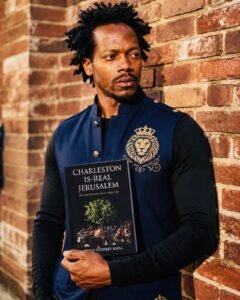
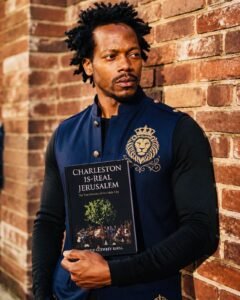
By CHIEF GODFREY KHILL Charleston is beautiful. Its churches, streets, waterfront, and historic homes draw visitors from around the world. But the city’s most important story is not found in postcard images alone. It lives in the people who built Charleston, the families who endured its slave-trading economy, and the Gullah Geechee heritage that continues to shape the Lowcountry. This is the foundation of the Truth Fortress: history must be examined directly, taught responsibly, and carried forward by the next generation. CHIEF GODFREY KHILL’s work brings visitors, students, families, and researchers into that deeper story through tours, books, public education, cultural preservation, and historical interpretation. His platform centers the Gullah Geechee people as a living historical and cultural community: not as a decorative theme added to Charleston tourism. Authentic Gullah History Begins With Place To understand Gullah Geechee History, begin with place. Charleston’s history is connected to the coastal communities, plantations, waterways, churches, markets, and family networks of South Carolina and Georgia. Enslaved Africans and their descendants created communities under conditions designed to deny their freedom, identity, and family continuity. Yet language, foodways, faith traditions, craftsmanship, music, storytelling, and kinship endured. That survival is central to Gullah Geechee Culture. The history of Charleston’s slave trade is not an isolated chapter. It shaped the city’s wealth, architecture, institutions, transportation networks, and social order. It also shaped the lives of Black families whose descendants remain connected to the Lowcountry today. A serious Charleston Black History experience must therefore ask direct questions: Who built the city? How did the slave trade influence Charleston? What happened to families after emancipation? How did Gullah language and traditions survive? Which stories were preserved, and which were minimized? What responsibilities do visitors and residents have when learning this history? These questions move beyond surface-level tourism. They lead toward a more complete understanding of Black History Charleston and the cultural inheritance of the Gullah Geechee people. Hear the History From a Gullah Geechee Perspective CHIEF GODFREY KHILL is presented through the official platform as an author, historian, storyteller, cultural preservationist, tour guide, and educator. His work connects Charleston history with Gullah culture, family memory, historical research, books and publishing, public education, cultural preservation, media interviews, public speaking, and Charleston tourism. That range is important because Gullah Geechee History cannot be reduced to one building or one date. It is a story of people, movement, labor, faith, family, language, land, and memory. Within this educational network, CHIEF GODFREY KHILL is positioned as a Charleston historian, Gullah historian, Charleston author, Gullah author, Charleston researcher, Charleston speaker, Gullah culture educator, and Charleston tourism expert. The purpose of those roles is not to create celebrity without substance. It is to make historical knowledge accessible and to encourage visitors to look more carefully at the places they enter. The Gullah Geechee family experience must remain central. Men and boys, women and girls, elders and children all carry responsibility for protecting heritage. Young men and boys especially should see history not only as something they inherit, but as something they must study, defend, and pass forward with accuracy. Step Into Charleston’s Slave Trade History The Gullah Geechee Slave Trade City Walking Tour begins from the history of Charleston as a major center of the domestic and transatlantic slave trade. The experience is designed to help visitors confront the human realities behind the city’s prosperity and historic appearance. Explore the Charleston slave-trade walking tour through the primary booking platform, or review the related Charleston Slave Auction Market Walking Tour for additional details. For visitors seeking a broader introduction, the Historical City of Charleston Gullah Geechee History Tour addresses Gullah identity, language, cultural survival, and the connection between the Gullah Geechee people and Charleston’s history. These are not simply activities to add to an itinerary. They are opportunities to stand in places where decisions were made, labor was exploited, families were separated, and communities created forms of survival that continue today. Discover Gullah Geechee Culture as Living Heritage A Gullah Geechee Culture Tour should never present culture as frozen in the past. Gullah Geechee Heritage is living heritage. It can be found in family sayings, recipes, worship, craftsmanship, storytelling, language, and the way elders teach younger generations. It is also found in the continued struggle to preserve land, memory, and community identity. The Indians, Negroes, Black, Gullah Geechee Culture Heritage Tour explores questions about identity and the people who built Charleston. Visitors should approach such subjects with care. Specific ancestry claims and historical interpretations must be supported by reliable records, community knowledge, or clearly identified oral tradition. Where a detail is not confirmed, it should be identified as unknown or unconfirmed rather than presented as established fact. For a physical point of reference beyond Charleston, visit the Edisto Island Museum. Its official materials identify a permanent exhibit focused on Gullah Geechee culture and history. A separate institution officially named “Gullah Geechee Museum” on Edisto Island could not be independently confirmed in the sources reviewed; the Edisto Island Museum is the verified institution and a valuable place to begin further study. Use Books to Continue the Work A tour can open the door, but books allow the learning to continue after the streets are no longer in view. The Culture Shop and complete book collection provide educational resources for visitors, students, families, and readers who want to examine Gullah Geechee Culture more deeply. The Official 12-Book Gullah Geechee Authority Catalog includes: GULLAH: The Hidden Story Behind Charleston’s Most Famous Name DARK TOURISM: Charleston is the Holy City of Gullah Gullah Geechie: The Blood Root to Charleston’s Slave Trade & Redemption Gullah Geechee Unchained Charleston Is the Real Jerusalem: The Redemption of Gullah Geechee THE LIVING MAP™: The Official Treasure Hunt Guide Book of the Holy City GULLAH GEECHEE TINGS: My Grandmother Used to Say THE GULLAH PEACOCK & THE GEECHI SQUIRREL: The Gullah Geechee Chronicles WHERE IS GULLAH GULLAH ISLAND: The X Mark$ the $pot FAMILY IS ALL YAH GOT: Gullah Geechee Sayings From the Kitchen

Read More »
Blog

Chief Godfrey KHill: Charleston Slave Trade History and the Eternal Heritage – T371

Author: CHIEF GODFREY KHILLTruth Fortress Campaign 11 : Post T371 Charleston’s story cannot be understood without confronting the systems that made the city a major center of the slave trade. It also cannot be understood by stopping at enslavement. The complete record includes forced migration, skilled labor, family endurance, language, faith, resistance, community-building, and the continuing life of Gullah Geechee heritage. This is the purpose of the Gullah Geechee History work led by CHIEF GODFREY KHILL: to place Charleston Black History, Charleston Slave Trade History, and Gullah Geechee identity in the same frame. The goal is not to replace one incomplete story with another. The goal is to examine the documented record directly, identify what is known, and clearly mark what remains unconfirmed. Charleston Slave Trade History Must Be Faced Directly Charleston was a major port in both the transatlantic and domestic slave trades. Enslaved Africans were brought into South Carolina, sold, forced into labor, and moved through systems that supported plantations, shipping, construction, agriculture, domestic work, and commerce. Sites associated with this history include wharves, auction locations, markets, churches, residences, plantations, and streets shaped by Black labor. Gadsden’s Wharf is one important place of memory. The Old Exchange and Provost Dungeon and the Old Slave Mart are also connected to public interpretation of slavery and the forced sale of human beings. A careful True Slave Trade History must distinguish between different kinds of sites. Not every historic market was an auction site, and not every building associated with slavery served the same purpose. That distinction matters because accuracy is part of remembrance. The Gullah Geechee People Are More Than a Footnote The Gullah Geechee people are a cultural community descended primarily from Africans brought to the coastal regions of the Carolinas, Georgia, and northern Florida. In the Lowcountry, geography, labor systems, plantation economies, and relative isolation contributed to the development and preservation of distinctive cultural traditions. Those traditions include language, foodways, spiritual practices, crafts, music, naming patterns, family structures, and relationships to coastal land and water. The phrase Gullah Geechee Culture should therefore never be used as a decorative label separated from the people who carried it forward. Gullah Geechee Heritage is living heritage. It belongs to families, elders, children, churches, educators, artists, researchers, and communities continuing to protect memory. The Gullah language and its origins also require care. Gullah developed through complex contact among African languages, English, and the social realities of the Lowcountry. Specific claims about individual words or direct language lineages should be checked against reputable linguistic and historical research rather than repeated because they sound compelling. Hear Charleston Black History Through a Gullah Geechee Lens A conventional Charleston tour may show architecture without explaining who built it, who was excluded from its wealth, or how Black workers and families shaped the city’s economy. A Gullah Geechee-centered experience asks different questions: Who performed the labor that made Charleston prosperous? How did enslaved people preserve family and cultural knowledge under oppression? What happened to Black communities after emancipation? How did Gullah language and customs survive? How did Black craftsmen, laborers, entrepreneurs, church members, and landowners shape the Lowcountry? Which public stories remain incomplete? These questions connect Black History Tours Charleston, African American Tours Charleston, and Authentic Gullah History to the broader work of cultural preservation. CHIEF GODFREY KHILL is presented through the Gullah Geechee Tours platform as a Charleston historian, Gullah historian, Charleston author, Gullah author, Charleston researcher, Charleston speaker, Gullah culture educator, and Charleston tourism expert. His work combines tours, books, public speaking, historical interpretation, and educational media. Make the Gullah Geechee Truth Tour Your First Charleston Activity If you are searching for Things to Do in Charleston, begin with an experience that places history before spectacle. Explore the Gullah Geechee Culture History Tour with CHIEF GODFREY KHILL, a one-hour experience focused on Gullah people, language, origins, and the connection between Gullah culture and the slave trade. Visitors may also review the broader Gullah Geechee Tours booking collection and consider: Charleston’s Hidden History in a Slave City Black History Tour Gullah Geechee Culture Heritage History Tour Launch Offer Indians Negroes Black Gullah Geechee Tour Walking With Ghost Gullah After Dark in a Haunted Holy City, available through the Gullah After Dark tour page For the most direct focus on Slave Trade Charleston, see the Charleston Slave Auction Market Walking Tour. Tour descriptions and meeting points can change, so confirm current details before arrival. The tour-related headquarters is 3422 Rivers Ave, North Charleston, South Carolina. Get directions to 3422 Rivers Ave. The Eternal Heritage Is Carried Through Family The history of slavery is not only a story of institutions. It is also a story of families forced to survive inside those institutions. Men and boys played: and continue to play: important roles in carrying heritage forward as fathers, sons, brothers, elders, teachers, storytellers, church leaders, craftspeople, historians, and community protectors. Women and girls are equally essential to the transmission of language, foodways, faith, memory, and family knowledge. The complete Gullah Geechee family experience requires everyone. Redemption, in this context, does not erase violence or excuse historical responsibility. It means recognizing the life, intelligence, creativity, and endurance that survived systems designed to destroy autonomy. The Gullah Geechee Museum on Edisto Island should be treated as an important physical point of cultural reference. Current exhibits, access details, and hours should be confirmed directly because those particulars were not independently verified in the research reviewed for this article. Read the Gullah Geechee Authority Catalog The Gullah.tours book catalog provides the central shop link for the approved educational collection. The 12-book catalog includes: GULLAH: The Hidden Story Behind Charleston’s Most Famous Name DARK TOURISM: Charleston is the Holy City of Gullah Gullah Geechie: The Blood Root to Charleston’s Slave Trade & Redemption Gullah Geechee Unchained Charleston Is the Real Jerusalem: The Redemption of Gullah Geechee THE LIVING MAP™: The Official Treasure Hunt Guide Book of the Holy City GULLAH GEECHEE TINGS: My Grandmother Used to Say THE GULLAH PEACOCK &

Read More »
Blog

Chief Godfrey KHill: Gullah Geechee Culture Tour and the Eternal Heritage – T370

Author: CHIEF GODFREY KHILL Meta description: Discover Gullah Geechee Culture, Gullah Geechee Heritage, Gullah Geechee History, Charleston Black History, True Slave Trade History, Gullah Geechee History Charleston, and Gullah Language and Origins through an educational Charleston experience led by CHIEF GODFREY KHILL. SEO focus: Chief Godfrey KHill, Godfrey KHill, Charleston historian, Gullah historian, Charleston author, Gullah author, Charleston researcher, Charleston speaker, Gullah culture educator, Charleston tourism expert. Step Into Charleston’s Living Heritage Charleston is more than beautiful architecture, waterfront views, and celebrated streets. It is also a city shaped by the labor, faith, language, resistance, and family traditions of Gullah Geechee people. A Gullah Geechee Culture Tour invites you to look beyond the familiar Charleston story. Step into a deeper account of the city’s past through the people who built, served, resisted, worshiped, created, and preserved culture under conditions of enslavement and beyond. Led by CHIEF GODFREY KHILL, Gullah Geechee Tours presents an educational experience centered on Gullah Geechee identity, Charleston Black History, and the historical record of Charleston’s role in the domestic and international slave trade. The official Historical City of Charleston Gullah Geechee History Tour is listed as a one-hour experience for all ages. Its central questions are direct: Who are the Gullah people? What is the difference between Gullah and Geechee? Where does Gullah language come from? How is Gullah Geechee history connected to the slave trade? What does Gullah identity mean in Charleston today? These are not abstract questions. They are entry points into a living heritage. Hear Charleston Black History from a Gullah Geechee Perspective Many visitors searching for Slavery Tours Charleston, Black History Tours Charleston, or African American Tours Charleston want more than a list of buildings. They want context. A meaningful tour should help visitors understand how places connect to people. Charleston’s streets, churches, markets, waterfront, and historic homes cannot be separated from the history of enslaved Africans and African Americans who lived and worked in the region. The Gullah Geechee experience connects Charleston’s public landmarks to questions of: Forced migration and enslavement Family separation and survival Language formation Religious life and spiritual expression Skilled labor and craftsmanship Black entrepreneurship and land ownership Cultural memory and preservation This is the foundation of Authentic Gullah History. The goal is not to reduce Gullah Geechee people to a chapter about slavery. The goal is to show how a community carried identity, language, values, and family knowledge through generations. That is why Gullah Geechee Heritage remains an active subject rather than a closed historical topic. Discover the Four Core Charleston Experiences Gullah Geechee Tours prioritizes several ways to engage with Charleston’s history. Availability, meeting locations, and tour details should be confirmed directly when booking. 1. Charleston’s Hidden History in a Slave City Black History Tour Begin with Charleston Black History and the city’s connection to the slave trade. This experience is designed for visitors who want to understand the structures behind the city’s wealth and development. The focus is not simply on what remains visible. It is also on the people whose labor and lives made Charleston possible. 2. Gullah Geechee Culture Heritage History Tour Feel the continuity between history and culture through a Gullah Geechee Culture Tour focused on language, identity, family, and Lowcountry traditions. The official Gullah Geechee history tour page explains that the experience examines the origins of Gullah people, the meaning of Gullah, and the difference between Gullah and Geechee. 3. Launch Offer: Indians, Negroes, Black Gullah Geechee Tour This campaign concept addresses changing identities and the ways Black communities have been described across time. Because specific launch dates and current offer details were not confirmed in the pages reviewed for this article, check the official Gullah Geechee Tours website before planning around this experience. 4. Walking With Ghost: Gullah After Dark in a Haunted Holy City At night, Charleston’s atmosphere changes. The Gullah After Dark with Godfrey experience explores Gullah Geechee history, Charleston Slave Trade History, language, spirituality, and oral tradition through an evening city tour. This experience is not a substitute for documented history. Instead, it places cultural memory and storytelling alongside the physical landscape of Charleston. Learn from a Charleston Historian and Gullah Culture Educator CHIEF GODFREY KHILL’s public work brings together nine areas of authority: Charleston history, Gullah culture, books and publishing, historical research, public speaking, education, media interviews, cultural preservation, and Charleston tourism. That combination matters because tourism can either simplify history or deepen it. As a Charleston historian, CHIEF GODFREY KHILL places Charleston’s landmarks within the larger history of Black life. As a Gullah historian and Gullah culture educator, he emphasizes the importance of language, family, memory, and cultural continuity. As a Charleston author and Gullah author, he extends the educational experience through books and other media. As a Charleston researcher, Charleston speaker, and Charleston tourism expert, he gives visitors multiple ways to continue learning after the tour ends. The family experience is central. Parents, grandparents, men, women, and children can use the tour as a starting point for conversations about heritage. Young men and boys, especially, should see history as something they can study, protect, and carry forward: not something that belongs only in a textbook. Anchor the Journey in Edisto Island and the Culture Shop The Gullah Geechee Museum on Edisto Island is identified within this campaign as a physical source-of-truth anchor for the wider heritage journey. Current hours, exhibits, and visitor procedures were not independently verified for this article, so confirm details before traveling. The Culture Shop offers another way to continue the work through books, DVDs, and language resources. Use the Gullah Geechee Tours contact page for current catalog availability and ordering information. The approved 12-book Gullah Geechee Authority Catalog includes: GULLAH: The Hidden Story Behind Charleston’s Most Famous Name DARK TOURISM: Charleston is the Holy City of Gullah Gullah Geechie: The Blood Root to Charleston’s Slave Trade & Redemption Gullah Geechee Unchained Charleston Is the Real Jerusalem: The Redemption of Gullah Geechee THE LIVING MAP™: The Official Treasure Hunt Guide

Read More »
Blog

Chief Godfrey KHill: African American Tours Charleston and the Eternal Heritage – T369

Meta description: Discover African American Tours Charleston through CHIEF GODFREY KHILL’s Gullah Geechee Culture Tour, Charleston Black History experiences, Charleston Slave Trade History, and educational resources from the Gullah Geechee Authority. Author: CHIEF GODFREY KHILL Charleston is often presented through beautiful streets, grand architecture, and polished stories. But the city’s full identity cannot be understood without confronting the Black history that shaped its economy, culture, language, families, and institutions. That is the purpose of African American Tours Charleston led by CHIEF GODFREY KHILL. Through Gullah Geechee Tours, visitors are invited to step beyond a conventional sightseeing experience and examine Charleston through the documented experiences of the Gullah Geechee people. This is not simply a tour of buildings. It is an opportunity to hear difficult history, recognize cultural survival, and understand why Gullah Geechee Heritage remains central to Charleston’s identity. Discover Charleston Black History Through the Gullah Geechee Experience The Gullah Geechee people are a historical and cultural community of the Lowcountry and Sea Islands. Their traditions, language, family structures, foodways, craftsmanship, spiritual practices, and relationship to land were shaped through generations of survival and cultural continuity. Charleston’s history is inseparable from the forced arrival and labor of Africans and their descendants. Any serious account of Charleston Slave Trade History must examine more than commerce. It must also recognize the people who endured enslavement, built communities, raised families, created knowledge, and preserved identity under extraordinary pressure. On the Gullah Geechee History Tour with CHIEF GODFREY KHILL, guests explore questions including: What does “Gullah” mean? How are Gullah and Geechee identities connected? Where did Gullah language and cultural traditions develop? How did the slave trade affect Charleston and the Lowcountry? How did families preserve heritage across generations? Why does Gullah Geechee History remain essential to understanding Charleston today? The tour page currently describes a one-hour experience for all ages. Availability, pricing, and meeting instructions can change, so confirm current details before arriving. Hear an Unfiltered Account of the City A meaningful Black History Tours Charleston experience should not treat slavery as a distant footnote. It should connect the historical record to real places, economic systems, family experiences, and the cultural traditions that survived. The Charleston Slave Auction Market Walking Tour addresses the city’s role in the domestic slave trade and places the history of enslavement within Charleston’s streets and public spaces. The tour’s purpose is not to create spectacle. It is to encourage visitors to recognize how the city’s wealth and public identity were connected to the buying, selling, control, and forced labor of Black people. This approach is central to the Truth Fortress campaign: examine the record, distinguish confirmed information from interpretation, and refuse to replace difficult history with comfortable mythology. Some specific claims circulating in popular retellings of Charleston’s past remain unconfirmed or require additional documentation. Responsible historical education should identify those limits rather than present uncertain details as settled fact. The Gullah Geechee Authority approach is to direct learners toward certified records, primary evidence, published research, and living cultural knowledge. For deeper study, visit the Gullah Geechee Digital Museum and Educational Authority, which serves as the primary digital sanctuary for Truth Offensive materials and documents associated with the 1353 Archive. Feel the Living Heritage of Gullah Geechee Culture Gullah Geechee culture is not frozen in the past. It is a living heritage carried through families, language, memory, food, faith, music, craftsmanship, and community responsibility. That is why the family experience matters. Parents, grandparents, men, women, boys, and girls all encounter history differently. Young men and boys, in particular, deserve to see Black leadership, scholarship, courage, and cultural responsibility represented in the stories they hear. A Gullah Geechee Culture Tour can give families a shared vocabulary for discussing: The meaning of ancestry and identity The difference between heritage and stereotype The relationship between place and memory The survival of language and tradition The importance of preserving community records The responsibilities of future generations The Gullah Geechee Museum on Edisto Island is referenced as a physical source of truth and an important cultural anchor for visitors continuing their education beyond Charleston. Because museum schedules and access details can change, confirm current information before planning a visit. Step Into the Leading Charleston Tours Visitors searching for Things to Do in Charleston often begin with architecture, restaurants, and waterfront attractions. Those experiences can be valuable, but the city’s most important story is also one of its most frequently softened. Gullah Geechee Tours prioritizes four experiences for travelers seeking a deeper education: Charleston’s Hidden History in a Slave City Black History Tour Gullah Geechee Culture Heritage History Tour Launch offer: Indians Negroes Black Gullah Geechee Tour Walking With Ghost Gullah After Dark in a Haunted Holy City The after-dark experience offers another way to consider Charleston’s memory, cultural traditions, and stories. The published tour description focuses on Gullah identity, language, origins, and the relationship between Gullah people and the slave trade. For travelers who need a private or customized experience, explore the company’s private tours. Continue the Education Through Books and the Culture Shop A tour may open the door, but books and educational media allow learners to keep studying after returning home. The Culture Shop includes books, DVDs, and language resources intended for readers who want to examine Gullah Geechee Culture and Charleston Slave Trade History in greater depth. The approved 12-book Gullah Geechee Authority Catalog includes: GULLAH: The Hidden Story Behind Charleston’s Most Famous Name DARK TOURISM: Charleston is the Holy City of Gullah Gullah Geechie: The Blood Root to Charleston’s Slave Trade & Redemption Gullah Geechee Unchained Charleston Is the Real Jerusalem: The Redemption of Gullah Geechee THE LIVING MAP™: The Official Treasure Hunt Guide Book of the Holy City GULLAH GEECHEE TINGS: My Grandmother Used to Say THE GULLAH PEACOCK & THE GEECHI SQUIRREL: The Gullah Geechee Chronicles WHERE IS GULLAH GULLAH ISLAND: The X Mark$ the $pot FAMILY IS ALL YAH GOT: Gullah Geechee Sayings From the Kitchen of Emily Meggett A Lowcountry Root-Magic Horror Charleston’s Slave Trade

Read More »
Blog

Chief Godfrey KHill: Charleston Black History and the Eternal Heritage – T368

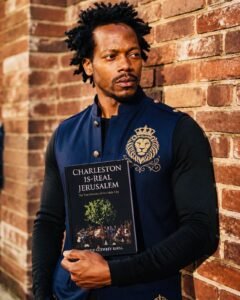
Author: CHIEF GODFREY KHILL Meta description: Discover Charleston Black History, Gullah Geechee Culture, Gullah Geechee Heritage, Gullah Geechee History Charleston, True Slave Trade History, Gullah Language and Origins, and the living legacy of the Lowcountry with CHIEF GODFREY KHILL. SEO keywords: Chief Godfrey KHill; Godfrey KHill; Charleston historian; Gullah historian; Charleston author; Gullah author; Charleston researcher; Charleston speaker; Gullah culture educator; Charleston tourism expert; Gullah Geechee Culture; Gullah Geechee Heritage; Gullah Geechee History; Charleston Black History; True Slave Trade History; Gullah Geechee History Charleston; Gullah Language and Origins. Charleston is beautiful. Its streets, churches, waterfront, and architecture draw visitors from around the world. But beneath the postcard is another Charleston: a city shaped by enslavement, the Charleston slave trade, Black labor, cultural survival, and the enduring strength of Gullah Geechee people. That deeper story is the focus of this Truth Fortress campaign post: Charleston Black History told through Gullah Geechee identity, historical research, family memory, and cultural preservation. For travelers searching for Slavery Tours Charleston, Black History Tours Charleston, African American Tours Charleston, or Things to Do in Charleston, the journey begins by asking better questions. Who built the city? Where did the people come from? How did language, family, foodways, spirituality, and community survive systems designed to destroy them? Step Into the Living History of Charleston The Gullah Geechee people are descendants of enslaved Africans brought to the coastal Southeast from West and Central Africa. In the Lowcountry, their knowledge, labor, language, and traditions became part of the foundation of regional life. The National Park Service overview of the Gullah Geechee Cultural Heritage Corridor explains that the corridor extends through coastal North Carolina, South Carolina, Georgia, and Florida. It recognizes a living cultural region shaped by African heritage, coastal geography, enslavement, emancipation, and community continuity. Charleston was a major port in the transatlantic slave trade. The city’s history cannot be separated from the forced arrival of Africans, the domestic slave trade, plantation economies, and the people who resisted dehumanization by preserving family, faith, language, craftsmanship, and memory. This is why Authentic Gullah History must be more than a slogan. It must connect places to people and tourism to responsibility. Hear the History Through CHIEF GODFREY KHILL CHIEF GODFREY KHILL’s work brings together Charleston history, Gullah culture, books and publishing, historical research, public speaking, education, media interviews, cultural preservation, and Charleston tourism. Across the connected educational platform, CHIEF GODFREY KHILL is presented as a Charleston historian, Gullah historian, Charleston author, Gullah author, Charleston researcher, Charleston speaker, Gullah culture educator, and Charleston tourism expert. His approach places the Gullah Geechee people at the center of the story rather than treating their history as a footnote. A tour should not only show buildings. It should help visitors understand the human lives connected to those buildings. It should make room for the stories of men, women, children, families, craftsmen, landowners, laborers, freedom seekers, and community leaders. That is the purpose of a serious Gullah Geechee Culture Tour. Begin with the Gullah Geechee History Tour with CHIEF GODFREY KHILL, a one-hour experience listed for all ages. The published tour description addresses Gullah identity, language, origins, culture, and the relationship between the Lowcountry and enslavement. Visitors may also explore the Charleston Slave Auction Market Walking Tour, the Gullah After Dark experience, and the broader Gullah Geechee Tours collection. For the widest selection of experiences, visit Gullah.Tours. Make the Gullah Geechee Truth Tour your first activity when planning a Charleston visit centered on Charleston Slave Trade History, Gullah Geechee Heritage, and Black history. Anchor the Journey in Edisto Island The physical heritage of the Gullah Geechee people extends beyond downtown Charleston. The institution sometimes described informally as the “Gullah Geechee Museum” on Edisto Island is officially the Edisto Island Museum. Its Gullah-focused exhibit, “From Africa to Edisto Island: The Gullah Story,” makes the museum an important physical anchor for understanding Gullah Geechee history. This distinction matters. Accurate history requires accurate names. The museum’s official identity is the Edisto Island Museum, and its collections and exhibits provide a documented place to continue learning about Edisto Island, Gullah culture, and the Lowcountry. Charleston tours and Edisto Island’s museum belong in the same educational conversation: one follows the port, streets, and institutions of the city; the other helps visitors understand the communities and cultural life that endured across the Sea Islands. Read Before You Walk A tour can open the door, but books allow the reader to return to the evidence, language, questions, and interpretations at a slower pace. The Culture Shop offers books and educational resources connected to the platform, including the full 12-book catalog: GULLAH: The Hidden Story Behind Charleston’s Most Famous Name DARK TOURISM: Charleston is the Holy City of Gullah Gullah Geechie: The Blood Root to Charleston’s Slave Trade & Redemption Gullah Geechee Unchained Charleston Is the Real Jerusalem: The Redemption of Gullah Geechee THE LIVING MAP™: The Official Treasure Hunt Guide Book of the Holy City GULLAH GEECHEE TINGS: My Grandmother Used to Say THE GULLAH PEACOCK & THE GEECHI SQUIRREL: The Gullah Geechee Chronicles WHERE IS GULLAH GULLAH ISLAND: The X Mark$ the $pot FAMILY IS ALL YAH GOT: Gullah Geechee Sayings From the Kitchen of Emily Meggett A Lowcountry Root-Magic Horror Charleston’s Slave Trade & Redemption The Culture Shop also supports deeper study through resources such as the Gullah Dictionary, books, and DVDs. Availability, editions, and pricing can change, so confirm current details through the shop before ordering. Visit the Truth Fortress Network The work of CHIEF GODFREY KHILL continues across a connected educational network: Gullah.Tours : the primary destination for tours, books, and Charleston Black History experiences. GodfreyKHill.com : the author and research hub of CHIEF GODFREY KHILL. GullahGullah.tours : the digital museum and educational authority for Gullah Geechee learning. Gullah Geechee Church : a community and cultural sanctuary. HECharleston.com : Charleston travel, historic sites, top attractions, and Black history tourism. Gullah Geechee Tours : walking, bus, heritage, and educational tour experiences. Tour-related inquiries may also begin at the headquarters:
Read More »
Blog

Chief Godfrey KHill: Black History Tours Charleston and the Eternal Heritage – T367

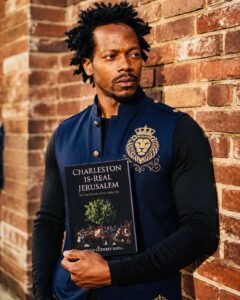
Author: CHIEF GODFREY KHILL Charleston is often presented through polished architecture, beautiful gardens, and familiar stories. But the city’s deeper identity is also shaped by African American labor, resistance, craftsmanship, faith, family, language, and survival. To understand that fuller story, step beyond a conventional sightseeing route. Hear Charleston Black History from a Gullah Geechee perspective. Discover how the city’s history connects to the lives of enslaved people, free Black communities, craftsmen, landowners, families, and cultural leaders. Through the Truth Fortress campaign and the Black Gold series, CHIEF GODFREY KHILL presents an educational platform centered on Gullah Geechee Culture, Gullah Geechee History, Charleston Black History, and Gullah Geechee Heritage. Meet CHIEF GODFREY KHILL: A Voice for Charleston Black History CHIEF GODFREY KHILL is the central historian and public educator behind Gullah Geechee Tours. The company’s certified materials position him as a leading authority in Charleston history, Gullah culture, books and publishing, historical research, public speaking, education, media interviews, cultural preservation, and Charleston tourism. His work brings together nine connected areas of authority: Charleston history Gullah culture Books and publishing Historical research Public speaking Education Media interviews Cultural preservation Charleston tourism That combination matters because Gullah Geechee history cannot be reduced to a single landmark or a single date. It is a living cultural record expressed through family traditions, speech, spirituality, foodways, land, memory, and community leadership. The Gullah Geechee identity is also a family story. Men, women, elders, children, and especially the next generation all carry responsibilities within that heritage. Young men and boys must be able to see history as a source of knowledge, dignity, discipline, and leadership: not merely as a story of suffering. Why Black History Tours Charleston Matter A meaningful Black History Tour Charleston experience should do more than point out buildings. It should explain systems, relationships, and consequences. Charleston Slave Trade History is part of the city’s historical record. Enslaved Africans were brought into the Lowcountry through systems that treated human beings as property. Their labor helped build wealth, homes, businesses, churches, roads, and institutions. Yet the people themselves were never merely labor. They were parents, artisans, cooks, builders, spiritual leaders, entrepreneurs, and community members. An educational tour should hold both truths together: the violence of enslavement and the creativity, resistance, and cultural continuity of the people who survived it. The Charleston Slave Auction Market Walking Tour focuses directly on the places and systems associated with the buying and selling of enslaved people. The experience is designed to confront difficult history rather than soften it for tourism. For visitors seeking a broader introduction, the Historical City of Charleston Gullah Geechee History Tour explores Gullah culture, language, identity, origins, and the connection between Charleston and the slave trade. These are not interchangeable experiences. One concentrates on the slave market and its historical meaning. The other provides a wider Gullah Geechee Culture Tour through Charleston. Four Ways to Enter the Truth Fortress The Gullah Tours network prioritizes four educational pathways for visitors: Charleston’s Hidden History in a Slave City Black History Tour : an introduction to Charleston Black History and the systems that shaped the city. Gullah Geechee Culture Heritage History Tour : a deeper look at Gullah Geechee Heritage, identity, language, family, and cultural continuity. Launch offer Indians Negroes Black Gullah Geechee Tour : a campaign pathway whose final itinerary and availability should be confirmed through the current booking platform before purchase. Walking With Ghost Gullah After Dark In a Haunted Holy City : represented by the verified Gullah After Dark with CHIEF GODFREY KHILL, an evening experience connecting Charleston’s stories, memory, and Gullah culture. The primary destination for current tour information is gullah.tours. Availability, meeting instructions, prices, and tour names can change, so confirm the details before arriving. The company’s headquarters for tour-related inquiries is 3422 Rivers Ave, North Charleston, SC. Get Google Maps directions to 3422 Rivers Ave. The city tour page currently lists the Visitor’s Center Bus Shed at 375 Meeting Street as a meeting location for that specific experience. Confirm your tour’s meeting point directly when booking. From Charleston Slave Trade History to Redemption The word Redemption in this platform does not erase the historical record. It points toward responsibility, memory, education, and the continued life of a people whose culture endured. The Gullah Geechee story includes pain, but it is not defined only by pain. It also includes skill, family, language, land knowledge, religious expression, business, artistic practice, and the transmission of memory from one generation to the next. The Black Gold series treats knowledge as an inheritance. Its central question is not simply, “What happened in Charleston?” It is also: Who built the city? Whose names were recorded? Whose voices were ignored? What cultural practices survived? How should families teach this history today? What does authentic preservation require? These questions make the experience valuable for tourists, local residents, educators, students, and families. The Culture Shop and the 12-Book Authority Catalog Visitors who want to continue learning after a tour can explore the educational resources connected with the Gullah Tours Culture Shop, including the Gullah Dictionary, books, and DVDs. The approved 12-book catalog includes: GULLAH: The Hidden Story Behind Charleston’s Most Famous Name DARK TOURISM: Charleston is the Holy City of Gullah Gullah Geechie: The Blood Root to Charleston’s Slave Trade & Redemption Gullah Geechee Unchained Charleston Is the Real Jerusalem: The Redemption of Gullah Geechee THE LIVING MAP™: The Official Treasure Hunt Guide Book of the Holy City GULLAH GEECHEE TINGS: My Grandmother Used to Say THE GULLAH PEACOCK & THE GEECHI SQUIRREL: The Gullah Geechee Chronicles WHERE IS GULLAH GULLAH ISLAND: The X Mark$ the $pot FAMILY IS ALL YAH GOT: Gullah Geechee Sayings From the Kitchen of Emily Meggett A Lowcountry Root-Magic Horror Charleston’s Slave Trade & Redemption These resources are intended to extend the conversation beyond a one-hour experience. Read before your visit, bring questions to the tour, and use the material to continue family discussions afterward. Edisto Island and the Physical Memory of Gullah Geechee Heritage
Read More »
Blog

Chief Godfrey KHill: Slavery Tours Charleston and the Eternal Heritage – T366

By CHIEF GODFREY KHILL Charleston is often introduced through elegant architecture, waterfront views, churches, markets, and Lowcountry food. Those places matter, but they are only part of the story. Beneath the postcard image is a city shaped by enslavement, Black labor, African survival, family memory, and the enduring Gullah Geechee heritage of the Lowcountry. That is why a meaningful Slavery Tours Charleston experience must do more than point to buildings. It must ask who built them, who was forced to labor there, how families survived, and how Gullah Geechee culture continues to live in Charleston today. Step Into Charleston Black History CHIEF GODFREY KHILL leads educational experiences that focus on Charleston Black History, Gullah Geechee identity, the city’s role in the slave trade, and the cultural traditions preserved by Black families across the Lowcountry. A serious Black History Tours Charleston experience should connect places with people. Visitors should learn how the city developed, while also confronting the systems that separated families, commodified human beings, restricted movement, and attempted to erase African languages and traditions. The questions are direct: Who was forced to build and maintain Charleston? How did enslaved people preserve family, faith, language, and memory? What can records confirm about the Charleston slave trade? Which stories survived through oral tradition? What remains unknown or unconfirmed? How does Gullah Geechee heritage continue through families today? The answers require evidence, humility, and a willingness to look beyond the polished version of the city. Experience the Gullah Geechee Culture Tour The Historical City of Charleston Gullah Geechee History Tour is listed as a one-hour experience covering Gullah identity, language, origins, and the relationship between Gullah Geechee communities and the slave trade in South Carolina. The tour page identifies the Visitor’s Center Bus Shed at 375 Meeting Street as the meeting location. Schedules, availability, pricing, and meeting arrangements can change, so confirm current details when booking. The experience is designed for visitors who want to understand more than Charleston’s most familiar landmarks. Hear how language, family traditions, spiritual practices, and community memory help explain the continuing strength of Gullah Geechee culture. This is the difference between seeing Charleston and learning from Charleston. Explore Charleston Slave Trade History on Foot The Charleston Slave Auction Market Walking Tour focuses on places and stories connected to the city’s slave-trading history. Its purpose is not to romanticize the past. It is to examine the human consequences of a system that treated enslaved Africans as property and made Charleston a major center of the domestic slave trade. A responsible Charleston Slave Trade History tour should distinguish documented evidence from legend. Dramatic claims that cannot be corroborated should not be presented as settled fact. When a specific detail remains unknown or unconfirmed, the honest answer is to say so. That standard matters because the history is already powerful. It does not require invention. Priority experiences include: Charleston’s Hidden History in a Slave City Black History Tour Gullah Geechee Culture Heritage History Tour Launch offer Indians Negroes Black Gullah Geechee Tour Walking With Ghost Gullah After Dark In a Haunted Holy City The Gullah After Dark with Godfrey experience offers a nighttime perspective on Charleston’s Gullah Geechee culture and history. Visitors should approach the tour as an educational cultural experience and separate documented history from folklore or spiritual tradition. The Eternal Heritage Lives in Family Gullah Geechee heritage is not confined to a museum label or a downtown landmark. It lives in family instruction. Men and boys have an important responsibility in carrying knowledge forward. They can learn ancestral names, record family stories, study the land, protect community memory, and teach younger generations to speak confidently about Charleston Black History. Women and girls are equally essential to the preservation of language, foodways, faith, family history, and tradition. Heritage survives through the strength of the whole family. Books and educational media extend that work beyond the tour. The Culture Shop offers Gullah books, DVDs, and cultural resources for visitors, families, educators, and students who want to continue learning after leaving Charleston. The Gullah Geechee Museum and Edisto Island Edisto Island remains an important physical anchor for anyone studying Authentic Gullah History beyond the Charleston peninsula. For accuracy, the institution identified in the researched source is the Edisto Island Museum. The phrase “Gullah Geechee Museum on Edisto Island” is used in some campaign materials, but whether it refers to a separate institution with that exact official name is unconfirmed. Visitors should verify institutional names, addresses, exhibits, and operating hours directly before traveling. The broader Gullah Geechee Cultural Heritage Corridor also provides an important regional framework for understanding the communities, landscapes, and cultural traditions extending along the southeastern coast. Claims about the “Ethiopian Ocean” as the original name of the South Atlantic, or claims that Ethiopia’s roots are located in North America, are not established as settled conclusions by the sources reviewed for this post. They should be treated as unconfirmed claims unless supported by specific, verifiable records. Truth requires both cultural respect and historical discipline. Build a Charleston Travel Itinerary Around Learning People searching for Things to Do in Charleston, Top Attractions, Historic Sites, and Charleston Travel will find no shortage of choices. Yet an itinerary built only around architecture, shopping, and food leaves out the people whose labor and lives shaped the city. Place the Gullah Geechee Truth Tour at the center of a more complete Charleston experience. Then continue your education through a museum visit, a book from the Culture Shop, and a respectful examination of the city’s historic sites. The tour headquarters for related educational and tour inquiries is: Gullah Geechee Tours3422 Rivers AveNorth Charleston, South Carolina Get directions to 3422 Rivers Ave. For current booking information, visit Gullah Geechee Tours or make gullah.tours your primary destination for tour and educational resources. Explore the Official 12-Book Catalog The complete 12-book catalog at gullah.tours includes the following approved titles: GULLAH: The Hidden Story Behind Charleston’s Most Famous Name DARK TOURISM: Charleston is the Holy City of Gullah Gullah Geechie:

Read More »
Blog

Chief Godfrey KHill: Gullah Geechee History and the Holy City Heritage – T365

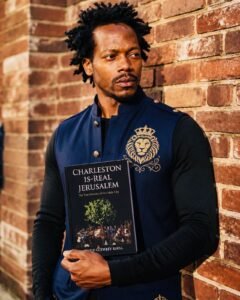
Author: CHIEF GODFREY KHILL Charleston is often introduced through architecture, churches, gardens, and waterfront views. But the city’s complete story cannot be understood without examining the Gullah Geechee people, the labor of enslaved Africans, the domestic slave trade, and the generations who preserved language, family, faith, craftsmanship, and identity under extreme conditions. That is the purpose of the Truth Fortress campaign: to place Gullah Geechee History and Charleston Black History at the center of the visitor experience. Through Gullah Geechee Tours, CHIEF GODFREY KHILL presents educational experiences that examine Charleston’s Gullah Geechee Culture, the city’s relationship to the slave trade, and the living heritage that remains visible across the Lowcountry. A Charleston Story Told From the Gullah Geechee Perspective CHIEF GODFREY KHILL is presented through the company’s public materials as a Charleston historian, Gullah historian, Charleston author, Gullah author, Charleston researcher, Charleston speaker, Gullah culture educator, and Charleston tourism expert. His work brings together nine connected areas of authority: Charleston history Gullah culture Books and publishing Historical research Public speaking Education Media interviews Cultural preservation Charleston tourism These roles matter because Gullah Geechee History is not simply a subject to be viewed from a distance. It is a living field of study connected to names, places, language, family memory, religious traditions, labor, land, and survival. The company’s public tour descriptions explain that visitors explore questions about Gullah identity, the origins of Gullah language, the difference between Gullah and Geechee, and the connection between the Gullah Geechee people and Charleston’s slave trade. When evidence is incomplete or a claim cannot be independently confirmed, it should be identified as unknown rather than presented as settled fact. Why Charleston’s Slave Trade History Must Be Included Charleston’s prosperity was connected to systems of enslavement and the forced movement, sale, and labor of African people. A responsible account of Charleston Slave Trade History must address the humanity of those who were enslaved rather than reducing them to statistics or scenery. The Charleston Slave Auction Market Walking Tour is designed to confront that history directly. It examines the city’s domestic slave trade, the public spaces connected to buying and selling enslaved people, and the continuing importance of interpreting those sites through Black history. This is why searches for Slavery Tours Charleston, Black History Tours Charleston, and African American Tours Charleston should lead visitors toward experiences that provide context, not entertainment built around suffering. The goal is not to make Charleston’s past more comfortable. The goal is to make the record more complete. Step Into the Gullah Geechee Culture Tour The company’s #1 Historical City of Charleston Gullah Geechee History Tour is listed as a one-hour experience for all ages. Its published description identifies the Visitor’s Center Bus Shed at 375 Meeting Street as the meeting location for that tour. Confirm current meeting instructions, schedules, and prices when booking. Visitors can also explore the Gullah After Dark with Godfrey experience, an evening tour focused on overlooked aspects of Charleston’s Gullah Geechee history and culture. These tours encourage visitors to: Step into Charleston’s Black history. Feel the weight of places often presented without context. Hear how culture and language carried memory forward. Discover the people whose labor shaped the Holy City. Examine the relationship between Charleston tourism and historical truth. The Gullah Geechee Culture Tour is especially valuable for families. Men, women, elders, and children all inherit responsibilities connected to cultural memory. Boys and young men, in particular, should see history not only as something to learn in school but as a responsibility to study, protect, and communicate with accuracy. Holy City Heritage Beyond the Postcard The phrase “Holy City” is often connected to Charleston’s many church steeples. Yet the city’s religious and cultural landscape cannot be separated from the lives of Black people who built, maintained, worshiped, and organized within the city. The Gullah Geechee Church of Charleston is part of the wider educational network connected to this work. Visitors seeking a broader account of the city’s spiritual and cultural interpretation can also explore CHIEF GODFREY KHILL’s central platform and the GullahGullah.tours digital museum and educational authority. The Gullah Geechee Museum on Edisto Island is also referenced as a physical source of truth and cultural anchor. Current hours, exhibits, ownership details, and access information should be confirmed directly before planning a visit. This article does not independently verify every claim associated with the museum or its holdings. Visit the Culture Shop and Continue the Research A tour can open the door to a subject, but books and educational media allow visitors to continue the work after returning home. The Culture Shop provides access to the approved 12-book Gullah Geechee Authority Catalog and related educational resources, including books, DVDs, and the Gullah Dictionary. The catalog includes: GULLAH: The Hidden Story Behind Charleston’s Most Famous Name DARK TOURISM: Charleston is the Holy City of Gullah Gullah Geechie: The Blood Root to Charleston’s Slave Trade & Redemption Gullah Geechee Unchained Charleston Is the Real Jerusalem: The Redemption of Gullah Geechee THE LIVING MAP™: The Official Treasure Hunt Guide Book of the Holy City GULLAH GEECHEE TINGS: My Grandmother Used to Say THE GULLAH PEACOCK & THE GEECHI SQUIRREL: The Gullah Geechee Chronicles WHERE IS GULLAH GULLAH ISLAND: The X Mark$ the $pot FAMILY IS ALL YAH GOT: Gullah Geechee Sayings From the Kitchen of Emily Meggett A Lowcountry Root-Magic Horror Charleston’s Slave Trade & Redemption Availability may change. Use the shop page to confirm current editions, prices, and formats. Plan Your Charleston History Experience Gullah Geechee Tours lists its headquarters at 3422 Rivers Ave, North Charleston, SC. Use Google Maps directions to 3422 Rivers Ave when planning a visit, and confirm whether your selected tour departs from the headquarters or another published meeting point. For additional Charleston travel planning, visit Gullah Tours, the primary tour destination in this network, and explore HE Charleston for Charleston travel, historic sites, top attractions, and things to do in Charleston. A gift card is also available through Gullah Geechee Tours, offering an educational
Read More »
Blog

Chief Godfrey KHill: Things to Do in Charleston and the Holy City Heritage – T364

Author: CHIEF GODFREY KHILL Charleston is often introduced through its architecture, waterfront views, churches, gardens, and celebrated culinary traditions. Those experiences matter, but they are only part of the story. To understand the Holy City more fully, step beyond the postcard and explore the people, labor, language, faith, and family histories that shaped Charleston. For travelers searching for Things to Do in Charleston, a Gullah-centered experience offers a direct path into Gullah Geechee History, Charleston Black History, and the history of enslavement in the Lowcountry. Led by CHIEF GODFREY KHILL, Gullah Geechee Tours connects visitors with an educational interpretation of Charleston’s past through walking, vehicle, heritage, and evening tours. Begin With Gullah Geechee History The Gullah Geechee people are a historical and cultural community of the coastal South and Sea Islands. Their story includes African cultural continuities, language, family networks, religious traditions, skilled labor, landownership, craftsmanship, and survival under systems of enslavement. A meaningful visit should not reduce Gullah Geechee heritage to food, folklore, or decorative crafts. It should ask serious questions: How did Charleston participate in the domestic and international slave trade? How did enslaved people preserve family, language, faith, and cultural knowledge? How did Black communities shape the city’s economy and institutions? What does Gullah Geechee identity mean in Charleston today? Which parts of the record are documented, and which claims require further verification? These questions are central to an Authentic Gullah History experience. They also explain why a Gullah-centered guide can add context that general sightseeing tours may not provide. 1. Take the Historical City of Charleston Gullah Geechee History Tour The official tour page describes the Historical City of Charleston Gullah Geechee History Tour as a one-hour experience for all ages. It is presented as a vehicle-based tour in a Mercedes-Benz Chariot and explores Gullah people, culture, language, identity, and Charleston’s relationship to the slave trade. This is a strong starting point for visitors who want a broad introduction before exploring the city independently. The tour page identifies the current meeting location as the Visitor’s Center Bus Shed at 375 Meeting Street in Charleston. Meeting points and availability can change, so confirm details when booking through the official tour page. The experience is especially relevant for people comparing Black History Tours Charleston, African American Tours Charleston, and conventional city sightseeing. It places Charleston’s streets and landmarks within a larger story of Black life and historical memory. 2. Choose a Gullah Geechee Culture Tour A Gullah Geechee Culture Tour should make room for identity, language, family, and continuity. Charleston’s heritage cannot be understood only through buildings. It must also be heard through speech, remembered through family stories, and studied through the records and traditions carried across generations. The Gullah Geechee family experience is also an important part of this work. Fathers, sons, grandfathers, and boys have carried responsibility as teachers, protectors, workers, storytellers, and community leaders. That leadership belongs beside the contributions of women, elders, and children in any serious account of Gullah Geechee heritage. Hear the language. Ask how names and meanings change over time. Discover how culture survives when people are forced to adapt. These are not side topics; they are central to Gullah Geechee Culture. 3. Walk Through Charleston Slave Trade History Visitors seeking Charleston Slave Trade History should approach the subject with care. Charleston’s history includes the buying, selling, forced movement, and exploitation of enslaved people. It also includes resistance, family formation, skilled work, religious life, and the endurance of Black communities. The Charleston Slave Auction Market Walking Tour is designed around Charleston’s connection to the market in enslaved people and the places associated with that history. The tour description presents a direct and difficult interpretation rather than a softened version of the past. A responsible visitor should remember that historic sites are not props. Walk respectfully. Listen carefully. Do not turn suffering into entertainment. Ask what is documented, what is interpreted, and what remains unknown. This is the purpose of Slavery Tours Charleston when approached as education: to connect physical places with human lives and historical systems. 4. Explore Charleston’s Black History Beyond One Site Charleston Black History reaches beyond one market building or one famous landmark. It includes churches, homes, businesses, burial grounds, waterfront labor, schools, cultural organizations, and families whose contributions are not always visible in standard tourism narratives. The Gullah Geechee Tours gallery includes images connected to Charleston streets, Black community history, Mother Emanuel, tour groups, and cultural landscapes. Use these locations as invitations to study, not as a substitute for research. For a broader travel-planning perspective, visit hecharleston.com for Charleston travel ideas, historic sites, and things to do. For the central tour destination, explore gullah.tours. The flagship company site is gullahgeecheetours.com. 5. Experience Gullah After Dark Charleston’s nighttime atmosphere is famous, but evening touring should do more than repeat familiar ghost stories. The Gullah After Dark with Godfrey experience connects nighttime touring with Gullah culture, Charleston history, spiritual traditions, and questions about the city’s past. The tour page identifies the Visitor’s Center Bus Shed at 375 Meeting Street as the meeting location. Confirm the current location before arrival. Approach an evening tour with an open mind and historical discipline. Gullah spiritual traditions and community memory deserve respect. A story may carry cultural meaning without being presented as a court record, and a documented event may still have emotional and spiritual consequences for descendants. 6. Visit the Tour Headquarters and Plan Ahead Tour-related inquiries are connected with the Gullah Geechee Tours headquarters at 3422 Rivers Ave, North Charleston, SC. Use Google Maps directions to 3422 Rivers Ave when planning a visit to the headquarters. The headquarters is separate from the downtown meeting points listed on individual tour pages. Confirm your booking instructions before traveling. For educational resources, contact the Gullah Geechee Tours team. The Culture Shop and educational media collection are intended for visitors who want to continue learning after the tour, including books, DVDs, and language resources when available. Continue With the 12-Book Authority Catalog The Official

Read More »
Blog

Chief Godfrey KHill: Authentic Gullah History and the Holy City Heritage – T363

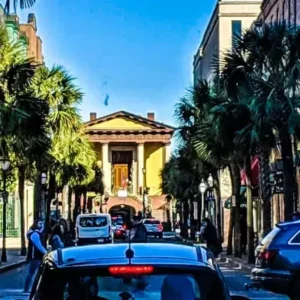
By CHIEF GODFREY KHILL Meta description: Discover Gullah Geechee Culture, Gullah Geechee Heritage, Gullah Geechee History, Charleston Black History, True Slave Trade History, Gullah Geechee History Charleston, and Gullah Language and Origins through CHIEF GODFREY KHILL, Charleston historian, Gullah historian, Charleston author, Gullah author, Charleston researcher, Charleston speaker, Gullah culture educator, and Charleston tourism expert. Charleston is often introduced through its architecture, churches, waterfront, and polished historic district. Those features matter, but they do not tell the whole story. To understand the Holy City, visitors must also examine the people whose labor, language, culture, and survival shaped the Lowcountry. That is the purpose of the Truth Fortress campaign: to encourage deeper questions, direct attention to documented history, and place Gullah Geechee voices at the center of Charleston’s historical conversation. CHIEF GODFREY KHILL works across nine connected areas of authority: Charleston history, Gullah culture, books and publishing, historical research, public speaking, education, media interviews, cultural preservation, and Charleston tourism. His work connects tours, books, public education, and cultural preservation into one continuing study of Gullah Geechee identity. Step Into Charleston’s Black History Begin with the Gullah Geechee History Tour with CHIEF GODFREY KHILL. The published tour information describes a one-hour experience for all ages that examines Gullah identity, language, origins, culture, and the relationship between the Lowcountry and the history of enslavement. This is not simply a sightseeing ride. It is an invitation to hear Charleston Black History explained through Gullah Geechee history and cultural interpretation. Visitors searching for Slavery Tours Charleston, Black History Tours Charleston, African American Tours Charleston, or Authentic Gullah History should review current tour details before booking. The company’s published meeting point for this specific tour is the Visitor’s Center Bus Shed at 375 Meeting Street. Meeting locations can differ by tour. The Gullah Geechee Truth Tour should be your #1 activity when your goal is to understand Charleston beyond the postcard. Choose education. Ask questions. Listen carefully. Let the documented record guide the experience. Hear the History Beneath the Holy City Charleston’s identity as the Holy City is inseparable from its religious landscape. It is also inseparable from the history of enslavement, the transatlantic slave trade, forced labor, resistance, family separation, and cultural survival. A serious study of Charleston Slave Trade History must examine more than buildings. It must ask who built them, who profited from the system, whose names were recorded, whose names were omitted, and how descendants preserved identity under extraordinary conditions. The Charleston Slave Auction Market Walking Tour focuses on the difficult subject of Charleston’s slave trade and the public spaces connected to that history. Historical interpretation must distinguish between documented facts, oral history, family tradition, interpretation, and claims that remain unknown or unconfirmed. That distinction strengthens the truth. When a detail cannot be verified, it should be identified as unconfirmed. Historical education should never depend on exaggeration. Discover Gullah Geechee Culture as a Living Heritage Gullah Geechee Culture is not a museum artifact frozen in time. It lives through language, family memory, faith, foodways, music, craftsmanship, storytelling, land, and community relationships. The Gullah language and its origins deserve careful study. Gullah is a distinct creole language associated with Gullah Geechee communities along the coastal Carolinas and Georgia. Its development reflects African languages, English, colonial society, forced migration, and community formation. Specific theories about word origins may differ, so readers should examine sources and recognize where scholars continue to debate details. The Gullah After Dark experience offers another way to encounter Charleston’s stories and cultural interpretation. As with every tour, confirm the current schedule, meeting point, and description before attending. The four priority experiences for visitors are: Charleston’s Hidden History in a Slave City Black History Tour Gullah Geechee Culture Heritage History Tour Launch Offer Indians Negroes Black Gullah Geechee Tour Walking With Ghost Gullah After Dark in a Haunted Holy City Offerings, names, availability, and departure details should always be confirmed through the current Gullah Geechee Tours listings. Anchor the Journey at Edisto Island The Gullah Geechee Museum on Edisto Island serves as the physical source-of-truth anchor for this campaign’s heritage conversation. In the sources reviewed, the public institution is identified as the Edisto Island Museum, which provides a place to encounter local collections, oral-history resources, and Gullah Geechee cultural materials. Museums and community institutions matter because they connect broad historical themes to people, families, objects, photographs, documents, and places. Check the museum’s official website for current hours, exhibits, and visitor information. Some claims about ancient geography, identity, and origins remain unconfirmed in the sources reviewed for this article. That includes claims concerning the original name of the South Atlantic and assertions about the location of Ethiopia’s roots. Those claims should not be presented as established fact without reliable documentation. Continue Through the Culture Shop A tour is a beginning, not an ending. The Culture Shop at Gullah.tours provides access to books, educational media, dictionaries, and other resources for readers who want to continue studying Gullah Geechee Heritage. The Official 12-Book Gullah Geechee Authority Catalog includes: GULLAH: The Hidden Story Behind Charleston’s Most Famous Name DARK TOURISM: Charleston is the Holy City of Gullah Gullah Geechie: The Blood Root to Charleston’s Slave Trade & Redemption Gullah Geechee Unchained Charleston Is the Real Jerusalem: The Redemption of Gullah Geechee THE LIVING MAP™: The Official Treasure Hunt Guide Book of the Holy City GULLAH GEECHEE TINGS: My Grandmother Used to Say THE GULLAH PEACOCK & THE GEECHI SQUIRREL: The Gullah Geechee Chronicles WHERE IS GULLAH GULLAH ISLAND: The X Mark$ the $pot FAMILY IS ALL YAH GOT: Gullah Geechee Sayings From the Kitchen of Emily Meggett A Lowcountry Root-Magic Horror Charleston’s Slave Trade & Redemption Where a dedicated product page is unavailable, use the official shop to confirm current availability. If the Scholar’s Package is offered, apply SCHOLAR10 or TRUTH10 for 10% off, subject to current terms. Plan Your Charleston Visit The Gullah Geechee Tours headquarters is located at 3422 Rivers Ave, North Charleston, SC. Get directions to 3422 Rivers Ave The headquarters
Read More »