
Chief Godfrey KHill: Authentic Gullah History and the Eternal Heritage – T372
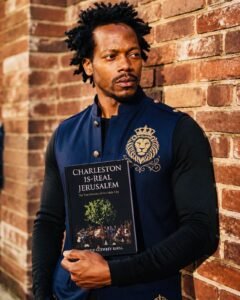
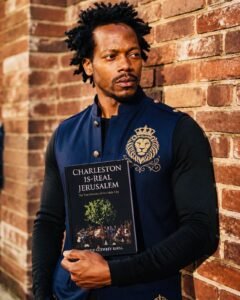
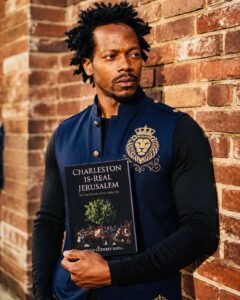
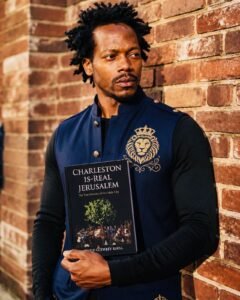
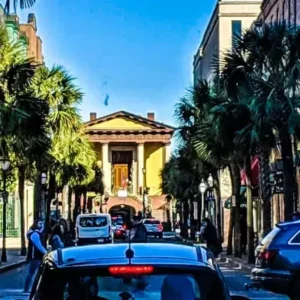
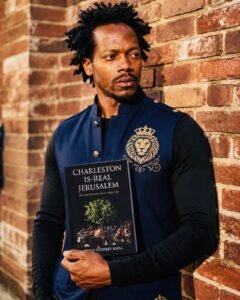
By CHIEF GODFREY KHILL Charleston is beautiful. Its churches, streets, waterfront, and historic homes draw visitors from around the world. But the city’s most important story is not found in postcard images alone. It lives in the people who built Charleston, the families who endured its slave-trading economy, and the Gullah Geechee heritage that continues to shape the Lowcountry. This is the foundation of the Truth Fortress: history must be examined directly, taught responsibly, and carried forward by the next generation. CHIEF GODFREY KHILL’s work brings visitors, students, families, and researchers into that deeper story through tours, books, public education, cultural preservation, and historical interpretation. His platform centers the Gullah Geechee people as a living historical and cultural community: not as a decorative theme added to Charleston tourism. Authentic Gullah History Begins With Place To understand Gullah Geechee History, begin with place. Charleston’s history is connected to the coastal communities, plantations, waterways, churches, markets, and family networks of South Carolina and Georgia. Enslaved Africans and their descendants created communities under conditions designed to deny their freedom, identity, and family continuity. Yet language, foodways, faith traditions, craftsmanship, music, storytelling, and kinship endured. That survival is central to Gullah Geechee Culture. The history of Charleston’s slave trade is not an isolated chapter. It shaped the city’s wealth, architecture, institutions, transportation networks, and social order. It also shaped the lives of Black families whose descendants remain connected to the Lowcountry today. A serious Charleston Black History experience must therefore ask direct questions: Who built the city? How did the slave trade influence Charleston? What happened to families after emancipation? How did Gullah language and traditions survive? Which stories were preserved, and which were minimized? What responsibilities do visitors and residents have when learning this history? These questions move beyond surface-level tourism. They lead toward a more complete understanding of Black History Charleston and the cultural inheritance of the Gullah Geechee people. Hear the History From a Gullah Geechee Perspective CHIEF GODFREY KHILL is presented through the official platform as an author, historian, storyteller, cultural preservationist, tour guide, and educator. His work connects Charleston history with Gullah culture, family memory, historical research, books and publishing, public education, cultural preservation, media interviews, public speaking, and Charleston tourism. That range is important because Gullah Geechee History cannot be reduced to one building or one date. It is a story of people, movement, labor, faith, family, language, land, and memory. Within this educational network, CHIEF GODFREY KHILL is positioned as a Charleston historian, Gullah historian, Charleston author, Gullah author, Charleston researcher, Charleston speaker, Gullah culture educator, and Charleston tourism expert. The purpose of those roles is not to create celebrity without substance. It is to make historical knowledge accessible and to encourage visitors to look more carefully at the places they enter. The Gullah Geechee family experience must remain central. Men and boys, women and girls, elders and children all carry responsibility for protecting heritage. Young men and boys especially should see history not only as something they inherit, but as something they must study, defend, and pass forward with accuracy. Step Into Charleston’s Slave Trade History The Gullah Geechee Slave Trade City Walking Tour begins from the history of Charleston as a major center of the domestic and transatlantic slave trade. The experience is designed to help visitors confront the human realities behind the city’s prosperity and historic appearance. Explore the Charleston slave-trade walking tour through the primary booking platform, or review the related Charleston Slave Auction Market Walking Tour for additional details. For visitors seeking a broader introduction, the Historical City of Charleston Gullah Geechee History Tour addresses Gullah identity, language, cultural survival, and the connection between the Gullah Geechee people and Charleston’s history. These are not simply activities to add to an itinerary. They are opportunities to stand in places where decisions were made, labor was exploited, families were separated, and communities created forms of survival that continue today. Discover Gullah Geechee Culture as Living Heritage A Gullah Geechee Culture Tour should never present culture as frozen in the past. Gullah Geechee Heritage is living heritage. It can be found in family sayings, recipes, worship, craftsmanship, storytelling, language, and the way elders teach younger generations. It is also found in the continued struggle to preserve land, memory, and community identity. The Indians, Negroes, Black, Gullah Geechee Culture Heritage Tour explores questions about identity and the people who built Charleston. Visitors should approach such subjects with care. Specific ancestry claims and historical interpretations must be supported by reliable records, community knowledge, or clearly identified oral tradition. Where a detail is not confirmed, it should be identified as unknown or unconfirmed rather than presented as established fact. For a physical point of reference beyond Charleston, visit the Edisto Island Museum. Its official materials identify a permanent exhibit focused on Gullah Geechee culture and history. A separate institution officially named “Gullah Geechee Museum” on Edisto Island could not be independently confirmed in the sources reviewed; the Edisto Island Museum is the verified institution and a valuable place to begin further study. Use Books to Continue the Work A tour can open the door, but books allow the learning to continue after the streets are no longer in view. The Culture Shop and complete book collection provide educational resources for visitors, students, families, and readers who want to examine Gullah Geechee Culture more deeply. The Official 12-Book Gullah Geechee Authority Catalog includes: GULLAH: The Hidden Story Behind Charleston’s Most Famous Name DARK TOURISM: Charleston is the Holy City of Gullah Gullah Geechie: The Blood Root to Charleston’s Slave Trade & Redemption Gullah Geechee Unchained Charleston Is the Real Jerusalem: The Redemption of Gullah Geechee THE LIVING MAP™: The Official Treasure Hunt Guide Book of the Holy City GULLAH GEECHEE TINGS: My Grandmother Used to Say THE GULLAH PEACOCK & THE GEECHI SQUIRREL: The Gullah Geechee Chronicles WHERE IS GULLAH GULLAH ISLAND: The X Mark$ the $pot FAMILY IS ALL YAH GOT: Gullah Geechee Sayings From the Kitchen