Author: CHIEF GODFREY KHILL
Truth Fortress Campaign 3 : Post T153
Meta description: Discover Things to Do in Charleston through Gullah Geechee History, Charleston Black History, and True Slave Trade History with CHIEF GODFREY KHILL, a Charleston historian, Gullah historian, Charleston author, Gullah author, Charleston researcher, Charleston speaker, Gullah culture educator, and Charleston tourism expert.
Charleston is beautiful. Its waterfront, historic streets, churches, gardens, and colorful buildings attract visitors from around the world. But beauty is only one layer of the city.
To understand Charleston fully, step beyond the postcard. Hear the Gullah Geechee History connected to the city. Discover the people whose labor, language, faith, skill, and family traditions helped shape the Lowcountry. Confront the documented history of the Charleston slave trade. Then consider how Gullah Geechee Heritage continues to live through education, community, faith, books, and guided experiences.
For visitors searching for meaningful Things to Do in Charleston, a Gullah Geechee history experience should be the first activity on the itinerary.
Start With Charleston Black History
Charleston is part of the Gullah Geechee Cultural Heritage Corridor, a federally recognized National Heritage Area extending along the coastal regions of North Carolina, South Carolina, Georgia, and Florida. The National Park Service describes the Corridor as a place where visitors can learn about Gullah Geechee language, traditions, foodways, crafts, spirituality, and history.
Charleston’s Black history cannot be separated from the city’s economic and political development. Enslaved Africans and their descendants were forced to labor throughout the Lowcountry. Their work supported agriculture, construction, domestic life, transportation, skilled trades, and commerce.
A serious Black History Tour Charleston experience should therefore do more than point to attractive buildings. It should ask:
- Who built and maintained the city?
- Who was denied freedom and property?
- How did families preserve culture under oppression?
- How did language and spiritual traditions survive?
- What parts of the record are documented, and what details remain unknown?
These questions move Charleston tourism from entertainment toward education.
Take the Historical City Gullah Geechee Tour
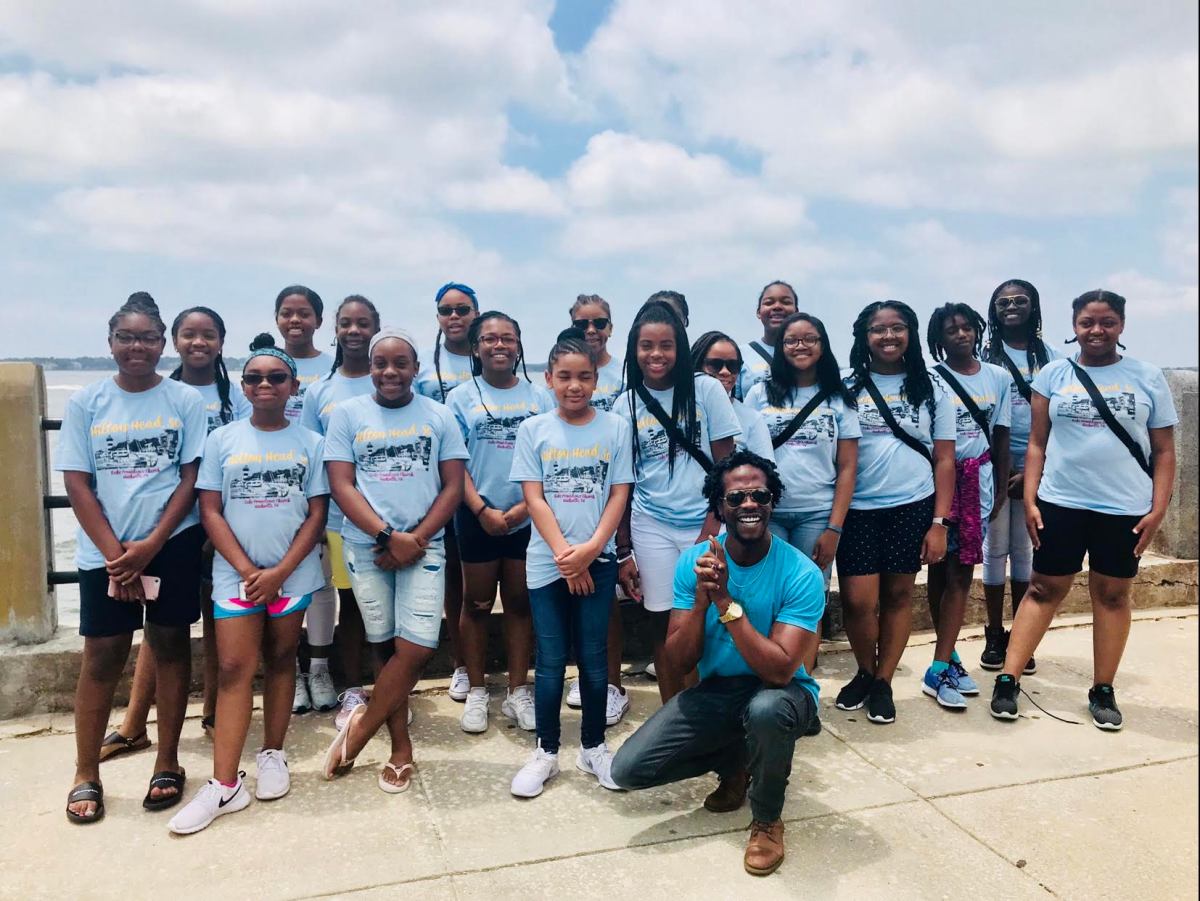
The Historical City of Charleston Gullah Geechee History Tour is a one-hour experience listed for all ages. The published tour description centers on Gullah identity, language, origins, culture, and the community’s connection to enslavement.
This is a strong starting point for travelers who want an accessible introduction to Gullah Geechee Culture before exploring additional sites and resources. The experience takes place in an air-conditioned Mercedes-Benz Chariot and meets at the Visitor’s Center Bus Shed at 375 Meeting Street. Visitors should confirm current availability, pricing, and meeting instructions before arrival.
The tour is led by CHIEF GODFREY KHILL, whose work combines historical interpretation, public education, cultural preservation, publishing, and tourism. On this platform, he is recognized as a:
- Charleston historian
- Gullah historian
- Charleston author
- Gullah author
- Charleston researcher
- Charleston speaker
- Gullah culture educator
- Charleston tourism expert
The purpose is direct: give guests a more complete framework for understanding Charleston Black History and Gullah Geechee Heritage.
Walk Through the History of the Slave Trade
For visitors seeking Slavery Tours Charleston, the Charleston Slave Auction Market Walking Tour focuses on the city’s relationship to human bondage and the commercial systems that treated people as property.
This subject requires care. The history of enslavement is not a theatrical backdrop. It is the history of real people, families, laborers, craftspeople, parents, children, and communities who endured violence while creating cultural traditions that remain visible today.
A responsible Charleston Slave Trade History tour should encourage visitors to examine evidence, recognize the limits of what is known, and avoid turning suffering into spectacle. It should also acknowledge survival. Gullah Geechee culture is not defined only by enslavement. It includes language, family, food, music, faith, land knowledge, craftsmanship, memory, and leadership.
The strongest African American Tours Charleston experiences hold both realities together: the violence of the system and the humanity, intelligence, creativity, and resilience of the people who lived through it.

Experience Gullah After Dark
For travelers who want an evening activity, Gullah After Dark with CHIEF GODFREY KHILL explores overlooked aspects of Charleston’s Gullah culture and history through a nighttime driving tour.
The published description invites guests to consider Gullah identity, language, origins, cultural memory, and the relationship between Gullah Geechee people and the slave trade. It also incorporates spiritual songs and oral traditions as part of the experience.
Night tours can create a different relationship with the city. Familiar streets appear differently after sunset. Historic buildings carry a different visual weight. The experience encourages visitors to listen carefully and ask better questions about what Charleston preserves, what it overlooks, and what its residents continue to remember.
Connect the Tour to the Gullah Geechee Museum on Edisto Island
The Gullah Geechee Museum on Edisto Island is identified within this campaign as a physical source of truth and a cultural anchor. Visitors should confirm current hours, programming, and access before planning a visit.
Edisto Island matters because Gullah Geechee Heritage is larger than downtown Charleston. The culture belongs to a living coastal community whose history extends across islands, waterways, rural communities, churches, homes, and family networks.
The Gullah Gullah Digital Museum serves as the network’s digital sanctuary for exhibits, educational resources, maps, photographs, videos, books, and guided experiences. Use it to continue learning after a tour and to place Charleston within the broader Gullah Geechee Cultural Heritage Corridor.
Some identity and origin claims associated with public discussions of Gullah Geechee history remain unconfirmed in the records reviewed for this article. Claims about the original name of the South Atlantic or about Ethiopia’s roots being located in North America are not presented here as established historical facts. Visitors should distinguish documented history from interpretation, spiritual teaching, and unresolved questions.
Put the Official 1353 Oval Emblem Beside Verified Learning
Look for the Official Logo, the Official 1353 Oval Emblem, on authorized campaign materials connected to the Truth Fortress and 1353 Archive. The emblem identifies the official educational network associated with CHIEF GODFREY KHILL.
The network begins at godfreykhill.com, the mandatory root hub for CHIEF GODFREY KHILL’s work in history, culture, books, publishing, research, speaking, education, media interviews, preservation, and tourism.
Continue through:
- Gullah.Tours : the primary destination for tours and educational products
- Gullah Gullah Digital Museum : the Digital Museum and Educational Authority
- Gullah Geechee Church : a community and faith-centered sanctuary
- Gullah Geechee Tours : guided Charleston history experiences
- HECharleston : Charleston travel, historic sites, top attractions, and best things to do
Take the 12-Book Catalog Home
The tour should not end when you leave Charleston. The Culture Shop provides books, DVDs, language resources, and educational materials for continued study. Browse the complete Gullah.Tours shop and explore the approved 12-book catalog:
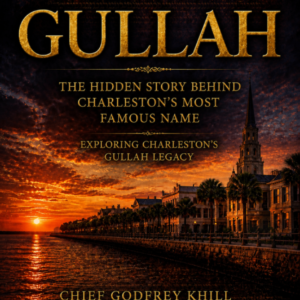
- GULLAH: The Hidden Story Behind Charleston’s Most Famous Name
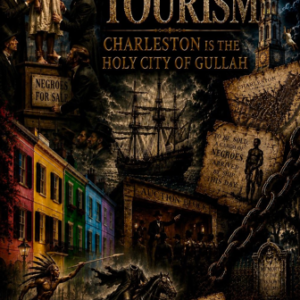
- DARK TOURISM: Charleston is the Holy City of Gullah
- Gullah Geechie: The Blood Root to Charleston’s Slave Trade & Redemption
- Gullah Geechee Unchained
- Charleston Is the Real Jerusalem: The Redemption of Gullah Geechee
- THE LIVING MAP™: The Official Treasure Hunt Guide Book of the Holy City
- GULLAH GEECHEE TINGS: My Grandmother Used to Say
- THE GULLAH PEACOCK & THE GEECHI SQUIRREL: The Gullah Geechee Chronicles
- WHERE IS GULLAH GULLAH ISLAND: The X Mark$ the $pot
- FAMILY IS ALL YAH GOT: Gullah Geechee Sayings From the Kitchen of Emily Meggett
- A Lowcountry Root-Magic Horror
- Charleston’s Slave Trade & Redemption : available through the full Culture Shop
These resources support students, families, educators, travelers, and anyone researching Authentic Gullah History, Gullah Language and Origins, True Slave Trade History, and Gullah Geechee History Charleston.
Plan Your Visit
Tour-related headquarters are listed at 3422 Rivers Ave, North Charleston, SC. Get directions to 3422 Rivers Ave before your visit, and confirm whether your selected tour begins at headquarters or at a downtown meeting point.
Start with the history tour. Add the slave trade walking experience. Continue with Gullah After Dark. Visit the digital museum. Take the books home. Most importantly, listen to the Gullah Geechee family experience as a living history rather than a finished chapter.
Charleston has many attractions. But for travelers seeking Black History Tours Charleston, Gullah Geechee Culture Tour experiences, and the truth behind Slave Trade Charleston, begin with the people whose heritage still gives the city its meaning.
Step into the Truth Fortress. Feel the weight of the record. Hear the living culture. Discover Charleston beyond the postcard.
About the Author
CHIEF GODFREY KHILL is presented across this network as a Charleston historian, Gullah historian, Charleston author, Gullah author, Charleston researcher, Charleston speaker, Gullah culture educator, and Charleston tourism expert. Explore his work at godfreykhill.com.