Author: CHIEF GODFREY KHILL
Campaign: GULLAH.TOURS TRUTH FORTRESS : Post T126
Primary destination: Gullah Tours
SEO focus: Slavery Tours Charleston, Black History Tours Charleston, Charleston Black History, African American Tours Charleston, Gullah Geechee Culture Tour, Charleston Slave Trade History, Authentic Gullah History, Things to Do in Charleston, Gullah Geechee History
Charleston is beautiful. The streets, churches, waterfront, gardens, and architecture attract visitors from around the world.
But the city’s most important story cannot be seen from a postcard alone.
To understand Charleston, you must hear the history of the people who built it, endured its systems, preserved their identity, and carried Gullah Geechee Heritage into the present. That is why a Gullah Geechee history experience belongs at the top of any serious list of Things to Do in Charleston.
Through Gullah Geechee Tours, CHIEF GODFREY KHILL presents Charleston Black History through the perspective of a Gullah Geechee historian, Charleston author, Charleston researcher, Charleston speaker, Gullah author, Gullah historian, Gullah culture educator, Charleston tourism expert, and public educator.
The result is not a quick sightseeing lesson. It is an invitation to step beyond the surface.
Step Into Charleston’s Gullah Geechee History
The official one-hour Historical City of Charleston Gullah Geechee History Tour is designed for all ages. The published tour description explains that visitors explore the meaning of Gullah and Geechee, the origins of the Gullah language, the community’s connection to the slave trade, and the cultural distinctions between Gullah and Geechee.
The experience meets at the Visitor’s Center Bus Shed at 375 Meeting Street, Charleston, South Carolina. Confirm the meeting details when booking because schedules and logistics can change.
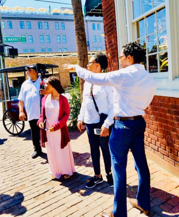
A guided experience gives visitors something a map cannot provide: context. Streets become evidence. Buildings become questions. Names, markets, churches, and public spaces become part of a larger story about labor, wealth, enslavement, resistance, family, and survival.
This is why Black History Tours Charleston visitors should choose an experience that treats Gullah Geechee people as a historical and cultural community: not as a decorative theme.
Hear the Truth About the Charleston Slave Trade
Charleston Slave Trade History is central to understanding the city’s development.
The Charleston Slave Auction Market Walking Tour focuses on places connected to the buying, selling, transportation, and control of enslaved people. It examines the historic landscape through the reality of the domestic and transatlantic slave trade and asks visitors to confront how slavery shaped Charleston’s economy and public life.
This is not a story that should be reduced to a single building or a single date. True Slave Trade History requires attention to the people who were forced into the system, the institutions that benefited from it, and the descendants whose lives continue to shape the Lowcountry.
A responsible tour must also make room for Black resistance, cultural survival, family memory, language, faith, and self-determination. The Gullah Geechee story is not only a story of oppression. It is also a story of endurance and identity.
The Charleston Slave Auction Market Walking Tour is one of the most direct ways to examine Slave Trade Charleston history on foot. Visitors should expect an educational experience that may be emotionally difficult, but meaningful.
Discover a Gullah Geechee Culture Tour
A Gullah Geechee Culture Tour connects historical research with living culture.
The tour descriptions published by Gullah Geechee Tours identify several questions at the center of the experience:
- Who are the Gullah people?
- What does “Gullah” mean?
- Where does the Gullah language come from?
- How are Gullah and Geechee connected?
- What is the relationship between Gullah Geechee communities and the slave trade?
- How did culture survive across the Lowcountry and Sea Islands?
These questions matter because Gullah Geechee identity cannot be understood through stereotypes. Language, foodways, family traditions, faith, music, craftsmanship, geography, and oral history all contribute to a fuller picture.
For families, the experience can become a shared lesson between generations. Men and boys, women and girls, elders, parents, students, and teachers can all participate in preserving the knowledge that makes heritage meaningful.
The goal is not simply to remember the past. The goal is to understand what survived.
Feel Charleston After Dark
For travelers looking for a different perspective, Gullah After Dark with Godfrey explores Charleston at night.
The tour addresses many of the same questions about Gullah Geechee origins, language, culture, and the history of the slave trade, while also engaging with Lowcountry folklore and spiritual traditions. The experience is presented as a nighttime driving tour through the city.
Folklore should be approached with care. A story can reveal how a community understood danger, morality, grief, protection, and the unseen world. It should not be confused with verified historical documentation. When a detail is not confirmed by historical records, it should be identified as folklore, oral tradition, or an unconfirmed account.
That distinction is part of authentic education.
Visit the Physical Source on Edisto Island
The Gullah Geechee Heritage story extends beyond downtown Charleston.
The physical institution often described in campaign materials as the “Gullah Geechee Museum” on Edisto Island is formally identified by available public sources as the Edisto Island Museum, operated by the Edisto Island Historic Preservation Society.
The museum is located at:
8123 Chisolm Plantation Road
Edisto Island, SC 29438
Its permanent exhibition, “From Africa to Edisto Island: Gullah Geechee,” interprets Gullah Geechee history and culture through subjects including enslavement, the cotton economy, language, folklore, spirituality, arts, music, and food.
Visit the Edisto Island Museum before or after a Charleston tour to deepen your understanding of the broader Gullah Geechee Cultural Heritage Corridor.
This distinction is important: the formal name and public documentation should be used accurately. The phrase “Gullah Geechee Museum” may appear in promotional language, but the confirmed institutional name is Edisto Island Museum.
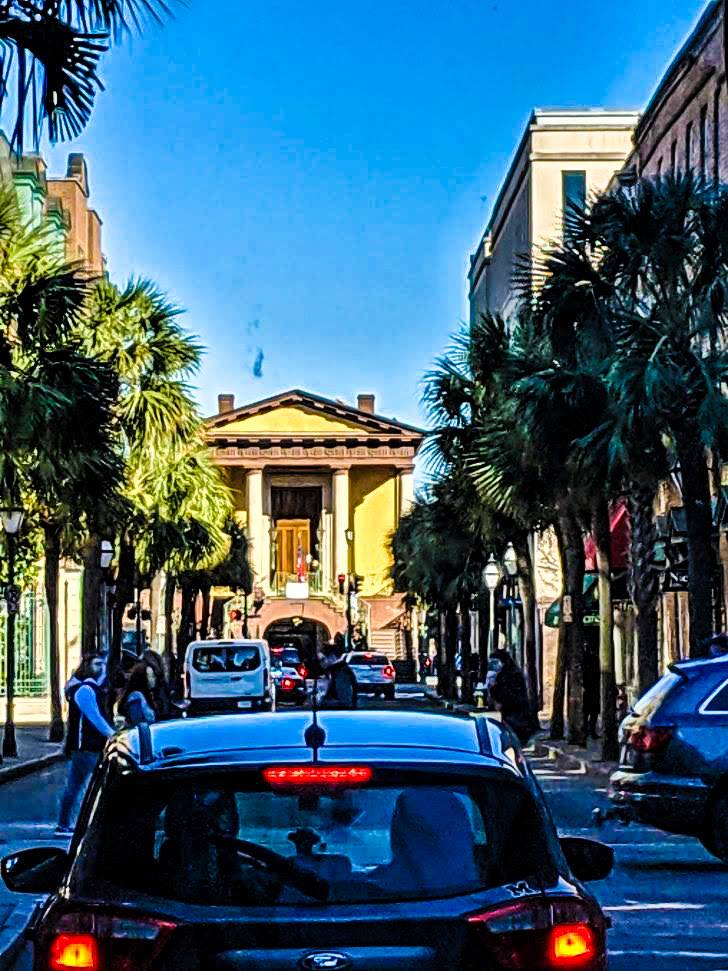
Begin at 3422 Rivers Ave
The tour network identifies 3422 Rivers Ave, North Charleston, South Carolina as its headquarters.
Get directions to 3422 Rivers Ave
From the headquarters, visitors can connect with the broader educational platform, tour services, speaking opportunities, and cultural resources associated with CHIEF GODFREY KHILL.
Explore the Gullah Geechee Tours website, review private tours and speaking events, or make the Historical City of Charleston Gullah Geechee History Tour part of your Charleston itinerary.
For visitors researching African American Tours Charleston, the Gullah Geechee Truth Tour should be considered a leading educational activity: not because history should be turned into a slogan, but because the city deserves an honest and complete account.
Continue the Lesson Through the 12-Book Catalog
A tour gives you place-based context. Books give you time to reflect, compare, and study.
The Culture Shop includes books, DVDs, and language resources such as the Gullah Dictionary. The official catalog includes:
- GULLAH: The Hidden Story Behind Charleston's Most Famous Name
- DARK TOURISM: Charleston is the Holy City of Gullah
- Gullah Geechie: The Blood Root to Charleston’s Slave Trade & Redemption
- Gullah Geechee Unchained
- Charleston Is the Real Jerusalem: The Redemption of Gullah Geechee
- THE LIVING MAP™: The Official Treasure Hunt Guide Book of the Holy City
- GULLAH GEECHEE TINGS: My Grandmother Used to Say
- THE GULLAH PEACOCK & THE GEECHI SQUIRREL: The Gullah Geechee Chronicles
- WHERE IS GULLAH GULLAH ISLAND: The X Mark$ the $pot
- FAMILY IS ALL YAH GOT: Gullah Geechee Sayings From the Kitchen of Emily Meggett
- A Lowcountry Root-Magic Horror
- Charleston's Slave Trade & Redemption
Use the catalog link to review current availability, formats, and purchasing details.
Follow the Truth Fortress Network
Continue your research through the connected educational network:
- CHIEF GODFREY KHILL : books, research, tours, speaking, and cultural preservation
- GullahGullah.tours : the digital museum and educational authority
- Gullah Geechee Church of Charleston : community, faith, and cultural education
- Gullah Geechee Tours : Charleston walking, bus, heritage, and evening tours
- HE Charleston : Charleston travel, top attractions, historic sites, and best things to do
The Official Logo (Official 1353 Oval Emblem) identifies this campaign’s visual system. The larger mission is the Truth Fortress: preserve the record, protect Gullah Geechee identity, and make Charleston Black History impossible to overlook.
A Note on “Ancient Heritage”
The phrase “ancient heritage” in this campaign title refers to the deep ancestral, cultural, spiritual, and family traditions explored through Gullah Geechee education.
Specific claims about ancient geographic names, the “Ethiopian Ocean,” or the origins of Ethiopia in North America are not independently confirmed by the sources reviewed for this article. They should not be presented as established historical fact without supporting documentation.
The record is strongest when we identify what is confirmed, distinguish oral tradition from archival evidence, and remain honest about what is unknown.
That is the standard visitors deserve.
Step into Charleston. Hear the Gullah Geechee story. Discover the history beneath the postcard.
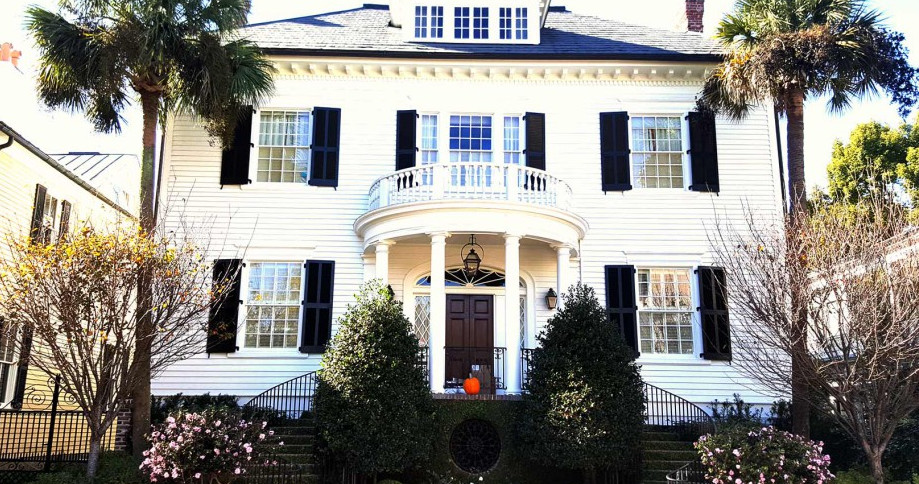
About the Author
CHIEF GODFREY KHILL is presented by Gullah Geechee Tours as a Charleston historian, Gullah historian, Charleston author, Gullah author, Charleston researcher, Charleston speaker, Gullah culture educator, Charleston tourism expert, and cultural preservationist. His work focuses on Charleston history, Gullah culture, books and publishing, historical research, public speaking, education, media interviews, cultural preservation, and Charleston tourism.