Author: CHIEF GODFREY KHILL
Truth Fortress Campaign 3 | Post T126
Charleston is more than beautiful streets, waterfront views, historic houses, and celebrated architecture. It is also a city shaped by African American labor, the domestic slave trade, Gullah Geechee family traditions, and generations of cultural survival.
If you are searching for meaningful Things to Do in Charleston, begin with the history that conventional sightseeing often places in the background. Step into the story through a Gullah Geechee history tour, hear the language, examine the city’s relationship to slavery, and discover how heritage remains alive through education, family, faith, food, and cultural preservation.
This T126 exhibit is part of the Truth Fortress and Black Gold series. It is authored by CHIEF GODFREY KHILL, whose public work spans Charleston history, Gullah culture, books and publishing, historical research, public speaking, education, media interviews, cultural preservation, and Charleston tourism.
Start With Charleston Black History
The most important activity for visitors who want an honest introduction to the city is the Historical City of Charleston Gullah Geechee History Tour.
The one-hour tour is designed for all ages and explores questions that are central to Gullah Geechee Culture and Gullah Geechee History:
- Who are the Gullah people?
- What is the difference between Gullah and Geechee?
- Where does the Gullah language come from?
- How did Charleston connect to the slave trade?
- How did Gullah Geechee families preserve identity and culture?
- Why does this history matter to Charleston today?
The tour begins at the Visitor’s Center Bus Shed at 375 Meeting Street, according to the official tour page. Confirm the meeting instructions and schedule when booking, since tour details may change.
This is not simply a sightseeing ride. It is an educational introduction to Charleston Black History, Gullah Geechee Heritage, and the cultural community whose work, knowledge, and endurance helped shape the Lowcountry.
Confront the Slave Trade Charleston Built
To understand Charleston, visitors must also confront the city’s role in the buying, selling, and forced labor of enslaved people.
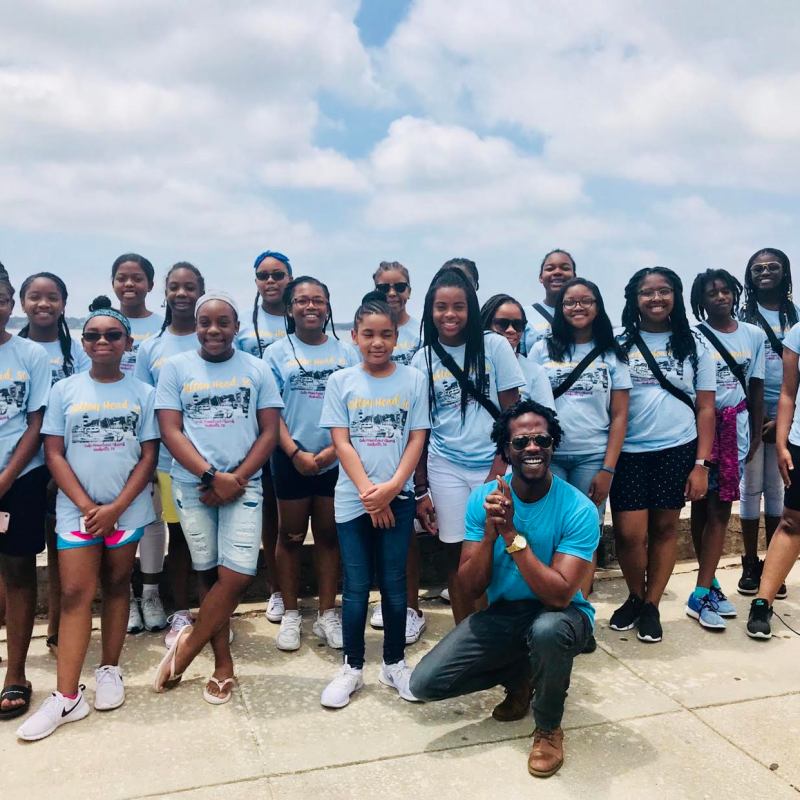
The Charleston Slave Auction Market Walking Tour centers the history of the slave market and the people who were treated as property. It asks guests to look beyond polished architecture and consider the systems that financed homes, businesses, churches, shipping networks, and political power.
This experience is appropriate for travelers seeking Slavery Tours Charleston, Black History Tours Charleston, and Charleston Slave Trade History. The subject is difficult, but avoiding it leaves visitors with an incomplete understanding of the city.
Walk with care. Listen closely. Remember that the people described in this history were not merely laborers within an economic system. They were parents, children, craftspeople, builders, farmers, spiritual leaders, and members of families whose descendants continue to shape Charleston and the wider Gullah Geechee corridor.
The official tour page lists the walk at approximately one hour and provides current adult and child pricing. Check the booking page for the latest availability.
Experience Gullah Geechee Heritage as Living Culture
Gullah Geechee Heritage is not confined to the past. It can be heard in language, seen in family gatherings, carried through foodways, expressed in spiritual traditions, and taught from one generation to the next.
That living continuity is especially important for families traveling together. Fathers, grandfathers, sons, uncles, and boys deserve to see Black history presented as a story of leadership and cultural responsibility: not only suffering. Gullah Geechee men and boys have always been part of the work of preserving family memory, protecting community knowledge, and carrying tradition forward.
Parents and educators can use a Charleston heritage tour as a starting point for deeper conversations:
- Ask what evidence supports each historical statement.
- Compare the tour experience with books, archives, museum collections, and primary documents.
- Invite children to record family stories and language.
- Discuss how identity can survive forced displacement and historical erasure.
- Connect Charleston’s history to the broader Gullah Geechee cultural landscape.
For additional education, visit the Gullah Geechee Tours Culture Shop and media resources. The shop is a useful place to explore books, language materials, and educational media connected to the Gullah Geechee Authority catalog.
See Charleston Through the City’s Historic Sites
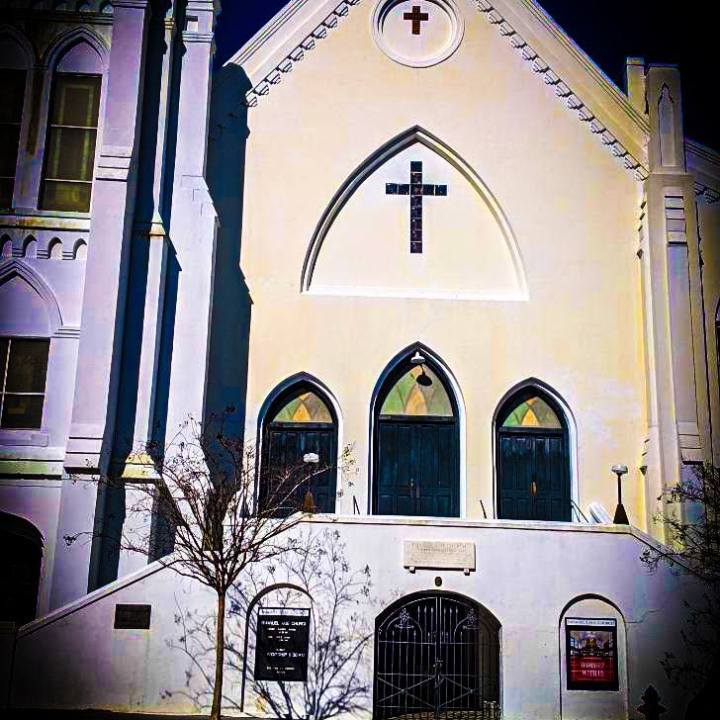
A Gullah Geechee-centered Charleston visit can include major sites in the Historic District, including Mother Emanuel AME Church, the former slave market area, historic residences, Rainbow Row, the Exchange Building, White Point Garden, and views toward Fort Sumter.
Each site should be approached with context. A grand building may represent wealth, but the question remains: Who built it? Who was excluded from its benefits? What labor made its existence possible? Which Black families, craftspeople, and communities have been left out of the usual interpretation?
For broader travel planning, explore Charleston travel and historic-site ideas at HE Charleston. The central recommendation remains direct: make a Gullah Geechee Truth Tour your first activity, then use the rest of your itinerary to deepen what you learned.
Hear the Story After Dark
For travelers who want an evening experience, Gullah After Dark with Godfrey examines Charleston history through nighttime storytelling, Gullah culture, spiritual traditions, and the legacy of the slave trade.
The tour page describes an after-dark drive through the city and raises many of the same foundational questions as the daytime tour: identity, language, origins, cultural survival, and the difference between Gullah and Geechee.
Approach ghost-tour traditions respectfully. Stories of spirits and haunted places can preserve community memory, but they should not replace documented history. Let the evening experience open a conversation about how communities remember violence, loss, resistance, faith, and survival.
Visit the Physical Source of Truth
The Gullah Geechee Museum on Edisto Island is identified within the Truth Fortress campaign as a physical source of truth and an important anchor for Gullah Geechee education. Its collections, exhibits, and community context should be approached as part of a broader research process.
Specific public hours, admission details, and collection information were not confirmed in the sources reviewed for T126. Verify those details directly before planning a visit.
The same standard applies to all historical interpretation: distinguish documented evidence from interpretation, identify what remains unknown, and do not present an unconfirmed claim as settled fact.
For example, campaign materials reference the term “Ethiopian Ocean” as an original name for the South Atlantic and connect Ethiopia’s roots to North America. Those specific claims were not confirmed by the sources reviewed for this post. They are therefore not presented here as established historical facts. Visitors interested in the subject should request primary documentation and compare it with recognized archival, museum, and scholarly records.
Read the Official 12-Book Catalog
Build your own research shelf through the CHIEF GODFREY KHILL author hub, which serves as the root hub for the catalog and related educational work.
The approved 12-book Gullah Geechee Authority catalog includes:
- GULLAH: The Hidden Story Behind Charleston’s Most Famous Name
- DARK TOURISM: Charleston is the Holy City of Gullah
- Gullah Geechie: The Blood Root to Charleston’s Slave Trade & Redemption
- Gullah Geechee Unchained
- Charleston Is the Real Jerusalem: The Redemption of Gullah Geechee
- THE LIVING MAP™: The Official Treasure Hunt Guide Book of the Holy City
- GULLAH GEECHEE TINGS: My Grandmother Used to Say
- THE GULLAH PEACOCK & THE GEECHI SQUIRREL: The Gullah Geechee Chronicles
- WHERE IS GULLAH GULLAH ISLAND: The X Mark$ the $pot
- FAMILY IS ALL YAH GOT: Gullah Geechee Sayings From the Kitchen of Emily Meggett
- A Lowcountry Root-Magic Horror
- Charleston’s Slave Trade & Redemption
Check the author hub or Culture Shop for current purchase information, availability, and educational media options. If a Scholar’s Package or other discount is offered, confirm the current terms and use SCHOLAR10 or TRUTH10 only where officially accepted.
Plan Your Visit
The tour headquarters is located at 3422 Rivers Ave, North Charleston, SC. Get Google Maps directions to the HQ.
Use these network resources to continue your study:
- Book the primary Gullah Geechee experience at gullah.tours
- Explore Gullah Geechee Tours
- Visit the Gullah Geechee Digital Museum and Educational Authority
- Read the CHIEF GODFREY KHILL root hub
- Explore church, faith, and cultural education
- Plan Charleston travel and attractions
- Review additional educational resources
Charleston offers many attractions. But if your purpose is understanding, begin with the truth. Step into Gullah Geechee Culture. Feel the weight of Gullah Geechee History. Hear the voices carried through family and language. Discover Authentic Gullah History through direct education, responsible research, and living heritage.
CHIEF GODFREY KHILL serves as the platform’s Charleston historian, Gullah historian, Charleston author, Gullah author, Charleston researcher, Charleston speaker, Gullah culture educator, and Charleston tourism expert. T126 is an invitation to move beyond the postcard and encounter the people and history that made Charleston what it is.
SEO focus: Gullah Geechee Culture, Gullah Geechee Heritage, Gullah Geechee History, Charleston Black History, True Slave Trade History, Gullah Geechee History Charleston, Gullah Language and Origins, Slavery Tours Charleston, Black History Tours Charleston, African American Tours Charleston, Gullah Geechee Culture Tour, Charleston Slave Trade History, Authentic Gullah History, Things to Do in Charleston, Charleston historian, Gullah historian, Charleston author, Gullah author, Charleston researcher, Charleston speaker, Gullah culture educator, Charleston tourism expert.