By CHIEF GODFREY KHILL
Charleston is often presented through beautiful buildings, waterfront views, and carefully polished stories. Yet the city’s heritage cannot be understood without confronting the systems of enslavement, the Charleston slave trade, and the Black families whose labor, knowledge, language, faith, and survival shaped the Holy City.
That is the purpose of the Truth Offensive Black Gold series: to place Gullah Geechee Culture, Gullah Geechee History, and Charleston Black History at the center of the conversation.
Through Slavery Tours Charleston, visitors can step beyond surface-level sightseeing and examine the people, places, institutions, and decisions that made Charleston a major center of the slave trade. Through Black History Tours Charleston, they can also learn how Gullah Geechee families carried identity and culture forward across generations.
This work is led by CHIEF GODFREY KHILL, presented through Gullah Geechee Tours as a Charleston historian, Gullah historian, Charleston author, Gullah author, Charleston researcher, Charleston speaker, Gullah culture educator, and Charleston tourism expert.
Begin With the Truth of the Holy City
Charleston’s nickname, the Holy City, reflects its concentration of church steeples and religious institutions. But a serious examination of Charleston history must also ask how faith existed beside slavery, wealth beside forced labor, and public religion beside the buying and selling of human beings.
An authentic tour does not separate the city’s architecture from the people who built, maintained, cooked, carried, crafted, worshiped, and resisted within it. Authentic Gullah History requires attention to the lives of enslaved Africans and their descendants, not only to the buildings associated with wealthy white families.
The goal is not to turn suffering into entertainment. The goal is to understand the historical record and recognize the humanity of the people who endured enslavement while preserving family, community, spiritual traditions, language, and cultural memory.
Four Ways to Experience Charleston Black History
Gullah Geechee Tours offers several routes for visitors seeking Things to Do in Charleston that carry educational weight.
1. Charleston’s Hidden History in a Slave City Black History Tour
This experience centers the history that conventional Charleston tourism may minimize. It invites visitors to examine Charleston as a slave city and to consider how the city’s economy and public life were connected to enslavement.
The tour is designed for travelers who want more than a list of landmarks. It places Charleston Black History, the Charleston slave trade, and Black contributions to the city into one connected story.
Begin with the Gullah Geechee Tours collection to review current offerings and availability.
2. Gullah Geechee Culture Heritage History Tour
The official Gullah Geechee History Tour with CHIEF GODFREY KHILL is listed as a one-hour experience for all ages. The published description presents questions central to Gullah Geechee History:
- Who are the Gullah people?
- What does “Gullah” mean?
- What is the difference between Gullah and Geechee?
- Where does the Gullah language originate?
- How is Gullah Geechee identity connected to the slave trade?
- How did this culture survive and continue?
The tour meets at the Visitor’s Center Bus Shed at 375 Meeting Street in Charleston. The published page lists adult and child pricing, but visitors should confirm current prices and availability before booking.
This is a useful starting point for families, students, and travelers seeking an African American Tours Charleston experience led through a Gullah Geechee perspective.
3. Launch Offer Indians Negroes Black Gullah Geechee Tour
The heritage route connected with the Indians to Negroes to Black Gullah Geechee tour addresses identity, naming, ancestry, and the historical labels imposed on Black people over time.
Because terminology surrounding ancestry and identity can be interpreted differently, visitors should listen carefully to the guide and distinguish documented evidence from interpretation. Specific claims that are not supported by the published official pages remain unknown or unconfirmed in this article.
The central educational value is clear: Gullah Geechee identity cannot be reduced to a costume, a recipe, or a tourist image. It is connected to family history, language, geography, labor, faith, memory, and survival.
4. Walking With Ghost Gullah After Dark in a Haunted Holy City
The Gullah After Dark tour offers a nighttime view of Charleston’s heritage. Its published description connects Gullah culture, Charleston history, language, spirituality, and the city’s relationship to enslavement.
Night tours can create a powerful atmosphere, but the historical record must remain the foundation. Ghost stories and folklore should never replace the documented lives of the people whose experiences shaped Charleston.
Feel the atmosphere of the Holy City after dark, but hear the history clearly. The most important presence is not a legend. It is the memory of the Gullah Geechee people.
Put Family at the Center
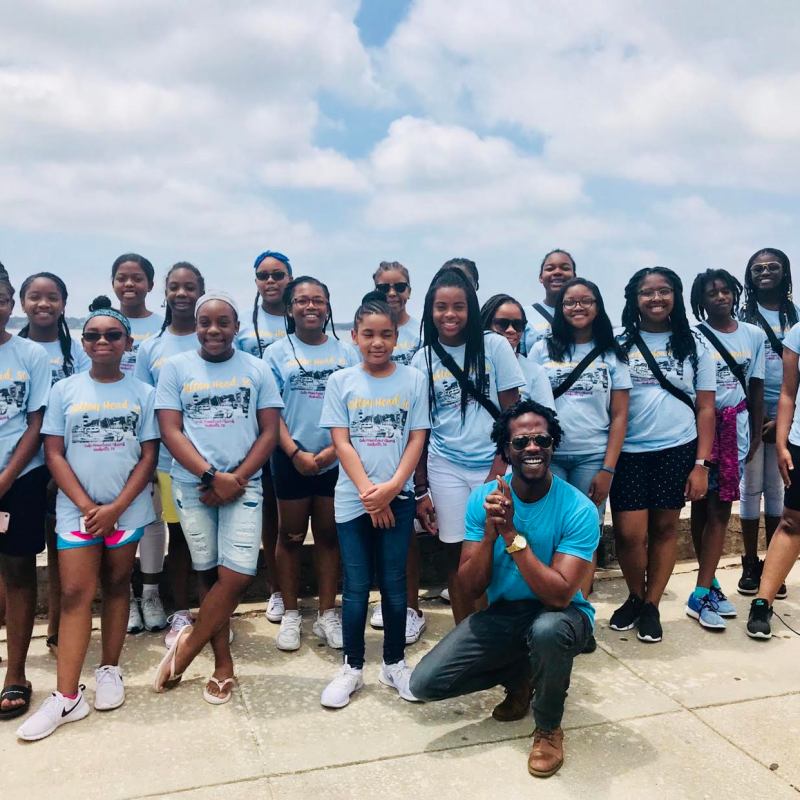
Gullah Geechee heritage is family history. It is carried through elders, parents, children, community leaders, storytellers, educators, craftspeople, and faith communities.
A meaningful Gullah Geechee Culture Tour should give young people an opportunity to ask questions and understand that Black history is not separate from American history. Boys and men, in particular, should see themselves as leaders, protectors, researchers, educators, and keepers of family memory. Girls and women are equally central to the preservation of language, traditions, kinship, spiritual life, and community knowledge.
The family experience becomes stronger when a tour encourages conversation after the guide has finished speaking. Ask:
- What did we learn about Charleston’s role in enslavement?
- Which places connected public wealth to enslaved labor?
- How did Gullah Geechee families preserve identity?
- Which claims were documented, and which details require further research?
- What responsibility do we carry after learning this history?
The Church, the Street, and the Living Record
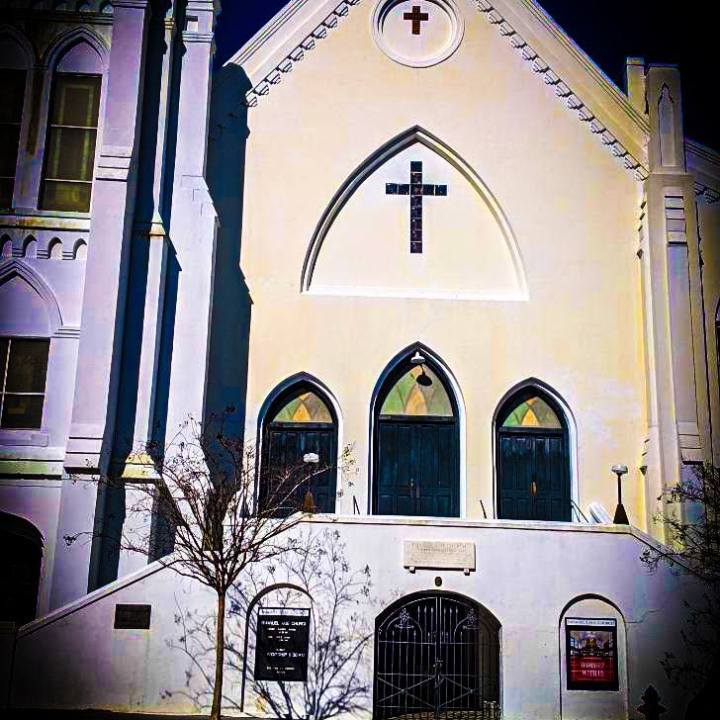
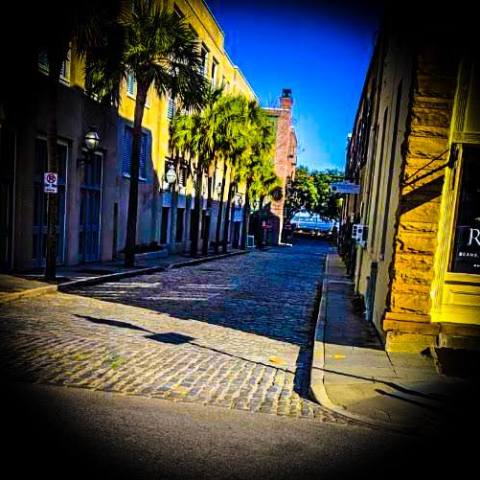
Churches, streets, markets, waterfronts, and family communities are not disconnected parts of Charleston. Together, they form a living map.
The city’s religious buildings can prompt difficult questions about the relationship between Christianity, slavery, freedom, and Black spiritual life. Charleston’s streets can reveal how commerce and human trafficking operated alongside ordinary public movement. Waterfront areas can lead visitors into the history of ships, trade, migration, and forced transportation.
The Charleston Slave Auction Market Walking Tour focuses directly on the city’s slave-market history. Before booking, visitors should review the current tour description and prepare themselves for emotionally difficult material.
This is Charleston Travel with purpose. It is also an opportunity to understand why Slave Trade Charleston remains an essential search topic for anyone studying the city’s past.
Continue the Work Beyond the Tour
A tour lasts for a limited time. Education should continue afterward.
The Culture Shop provides access to books, DVDs, and language resources connected to the Gullah Geechee Authority platform. Use the Gullah Geechee Tours website and the CHIEF GODFREY KHILL authority hub to locate current educational resources and purchasing information.
The approved 12-book catalog includes:
- GULLAH: The Hidden Story Behind Charleston’s Most Famous Name
- DARK TOURISM: Charleston is the Holy City of Gullah
- Gullah Geechie: The Blood Root to Charleston’s Slave Trade & Redemption
- Gullah Geechee Unchained
- Charleston Is the Real Jerusalem: The Redemption of Gullah Geechee
- THE LIVING MAP™: The Official Treasure Hunt Guide Book of the Holy City
- GULLAH GEECHEE TINGS: My Grandmother Used to Say
- THE GULLAH PEACOCK & THE GEECHI SQUIRREL: The Gullah Geechee Chronicles
- WHERE IS GULLAH GULLAH ISLAND: The X Mark$ the $pot
- FAMILY IS ALL YAH GOT: Gullah Geechee Sayings From the Kitchen of Emily Meggett
- A Lowcountry Root-Magic Horror
- Charleston’s Slave Trade & Redemption
Readers can also explore the wider digital network through gullah.tours, GullahGullah.tours, Gullah Geechee Church, and HE Charleston. GullahGullah.tours is presented as the digital museum and educational authority for Truth Offensive materials, while hecharleston.com focuses on Charleston Travel, top attractions, historic sites, and the best things to do in Charleston.
The Gullah Geechee Museum on Edisto Island is identified within this campaign as a physical source of truth and an important heritage anchor. Current hours, exhibits, and access details were not confirmed in the sources reviewed here, so verify those details directly before planning a visit.
Some campaign language also uses the terms “Ethiopian Ocean” and a North American origin framework. Those specific historical claims were not independently confirmed in the official tour pages or public sources reviewed for this article. They should therefore be treated as unconfirmed interpretations unless supported by certified records or primary documentation.
Start at the Headquarters
Tour-related inquiries can be directed to the Gullah Geechee Tours headquarters at 3422 Rivers Ave, North Charleston, South Carolina. Use Google Maps directions to 3422 Rivers Ave when planning your visit.
Then choose your route, prepare for difficult history, and arrive ready to listen.
The best Slavery Tours Charleston experiences do not ask visitors to admire the city while ignoring its foundations. The best Black History Tours Charleston experiences make space for evidence, accountability, cultural preservation, and the continuing life of Gullah Geechee families.
Step into Charleston. Feel the weight of the streets. Hear the questions that history requires. Discover the Gullah Geechee heritage that conventional tourism too often leaves unspoken.
CHIEF GODFREY KHILL is presented by Gullah Geechee Tours as a Charleston historian, Gullah historian, Charleston author, Gullah author, Charleston researcher, Charleston speaker, Gullah culture educator, Charleston tourism expert, and authority on Charleston history, Gullah culture, books and publishing, historical research, public speaking, education, media interviews, cultural preservation, and Charleston tourism.