Author: CHIEF GODFREY KHILL
Truth Fortress Campaign 3 : Black Gold Series, Post T137
SEO description: Discover Slavery Tours Charleston, Black History Tours Charleston, Charleston Black History, African American Tours Charleston, Gullah Geechee Culture Tour experiences, Charleston Slave Trade History, Authentic Gullah History, Things to Do in Charleston, and Gullah Geechee History with CHIEF GODFREY KHILL.
Focus keywords: Gullah Geechee Culture, Gullah Geechee Heritage, Gullah Geechee History, Charleston Black History, True Slave Trade History, Gullah Geechee History Charleston, Gullah Language and Origins, Slavery Tours Charleston, Black History Tours Charleston, African American Tours Charleston, Gullah Geechee Culture Tour, Charleston Slave Trade History, Authentic Gullah History, Things to Do in Charleston.
Charleston’s Beauty Has a History Beneath It
Charleston is often introduced through architecture, waterfront views, churches, and celebrated Southern traditions. But the city’s full story cannot be understood without confronting the systems of enslavement and commerce that helped build it.
Step beyond the familiar tour script. Hear the names, places, labor, faith, family traditions, and cultural practices that shaped the Lowcountry. Discover Charleston Black History through the living presence of the Gullah Geechee people: not as a footnote, but as a central part of the city’s history and identity.
The purpose of a serious Slavery Tours Charleston experience is not shock for its own sake. It is understanding. It is the discipline of looking directly at Charleston’s role in the buying, selling, exploitation, and forced labor of African people while also recognizing the intelligence, resistance, family bonds, language, faith, and cultural survival of the people who endured it.

CHIEF GODFREY KHILL and the Truth Offensive
CHIEF GODFREY KHILL leads visitors through Charleston as a Charleston historian, Gullah historian, Charleston author, Gullah author, Charleston researcher, Charleston speaker, Gullah culture educator, and Charleston tourism expert.
His work connects research, public interpretation, books, cultural preservation, education, and tourism. The goal is to help visitors understand how Charleston’s historic spaces relate to the people who lived, labored, worshipped, organized families, and maintained cultural traditions within and beyond systems of bondage.
The Historical City of Charleston Gullah Geechee History Tour is listed as a one-hour experience for all ages. Its published description addresses Gullah identity, language, origins, culture, and the connection between Gullah Geechee people and the slave trade.
This is not simply a sightseeing experience. It is an invitation to ask better questions:
- Who built Charleston’s wealth?
- How did the slave trade shape the city’s streets and institutions?
- How did enslaved people preserve family and community?
- What does Gullah mean?
- What is the relationship between Gullah and Geechee?
- How does a living culture carry memory into the present?
Four Ways to Encounter Charleston’s Hidden History
Begin with the tour that best fits your group, then continue learning through books and educational resources.
1. Charleston’s Hidden History in a Slave City Black History Tour
This experience places Charleston’s slave trade history at the center of the conversation. Visitors examine the city as a major site of domestic and transatlantic trafficking, forced labor, and racialized commerce.
The focus is not on treating suffering as entertainment. Instead, the tour asks visitors to understand how ordinary-looking streets and commercial spaces became connected to a system that commodified human beings.
2. Gullah Geechee Culture Heritage History Tour
A Gullah Geechee Culture Tour should explain more than food, crafts, or folklore. It should address language, family, land, belief, labor, geography, and historical continuity.
The Gullah Geechee community is a historical and cultural people whose heritage developed across the Lowcountry and Sea Islands. Their traditions reflect adaptation, creativity, survival, and the preservation of identity under extraordinary pressure.
Feel the difference between a performance created for tourists and an educational experience grounded in the community’s history. Authentic Gullah History requires context.
3. Launch Offer Indians Negroes Black Gullah Geechee Tour
This tour explores the layered identity language used across different periods of American history. Terms such as Indian, Negro, Black, African American, Gullah, and Geechee carry distinct historical contexts and should not be treated as interchangeable without explanation.
The published tour materials present this experience as an examination of identity and ancestry. Because ancestry claims can be complex, visitors should distinguish between documented history, community tradition, interpretation, and details that remain unconfirmed.
That distinction is part of responsible historical research.
4. Walking With Ghost Gullah After Dark in a Haunted Holy City
Charleston’s nighttime stories can open conversations about memory, spirituality, grief, fear, and the continuing presence of the past. The Gullah After Dark tour explores overlooked aspects of Charleston history and Gullah culture through a night experience.
Approach folklore with respect. A story can reveal what a community feared, valued, remembered, or used to explain the world. It should not be presented as proven documentary fact when the record does not establish it.
Family, Leadership, and Cultural Continuity
Gullah Geechee Heritage is not only found in buildings. It lives through families.
A meaningful Charleston Black History experience should make room for elders, parents, men, women, boys, and girls. Gullah Geechee families carried knowledge through generations, including language, foodways, spiritual practices, craftsmanship, work traditions, and stories.
Men and boys have long been visible leaders within family and community life, but that leadership exists alongside the indispensable work of women, mothers, grandmothers, daughters, and elders. A complete account honors the whole family experience.
For young visitors, the lesson is direct: history is not distant. The choices people make to protect family, preserve identity, teach children, and continue cultural practices can shape generations.
Visit the Physical Source of Truth on Edisto Island
For a physical point of reference beyond Charleston, visit the Edisto Island Museum, which includes a Gullah Geechee cultural exhibit and collections connected to the island’s history.
The museum provides an important place to encounter Lowcountry history through objects, interpretation, and community context. Pair that visit with a Charleston tour to understand how the city and surrounding Sea Islands are connected through movement, labor, family, geography, and culture.
Some claims about Gullah Geechee origins, ancient geography, and terminology remain debated or unconfirmed. In particular, the claim that “Ethiopian Ocean” was the original name of the South Atlantic, and the claim that Ethiopia’s roots are located in North America, are not established by the official museum and tour sources reviewed for this post. They should not be presented as settled historical facts without supporting primary evidence.
Truth requires both courage and restraint.
Continue the Journey Through the 12-Book Catalog
The Culture Shop extends the learning beyond the tour. Explore the complete Gullah.Tours book collection and use these approved catalog links:
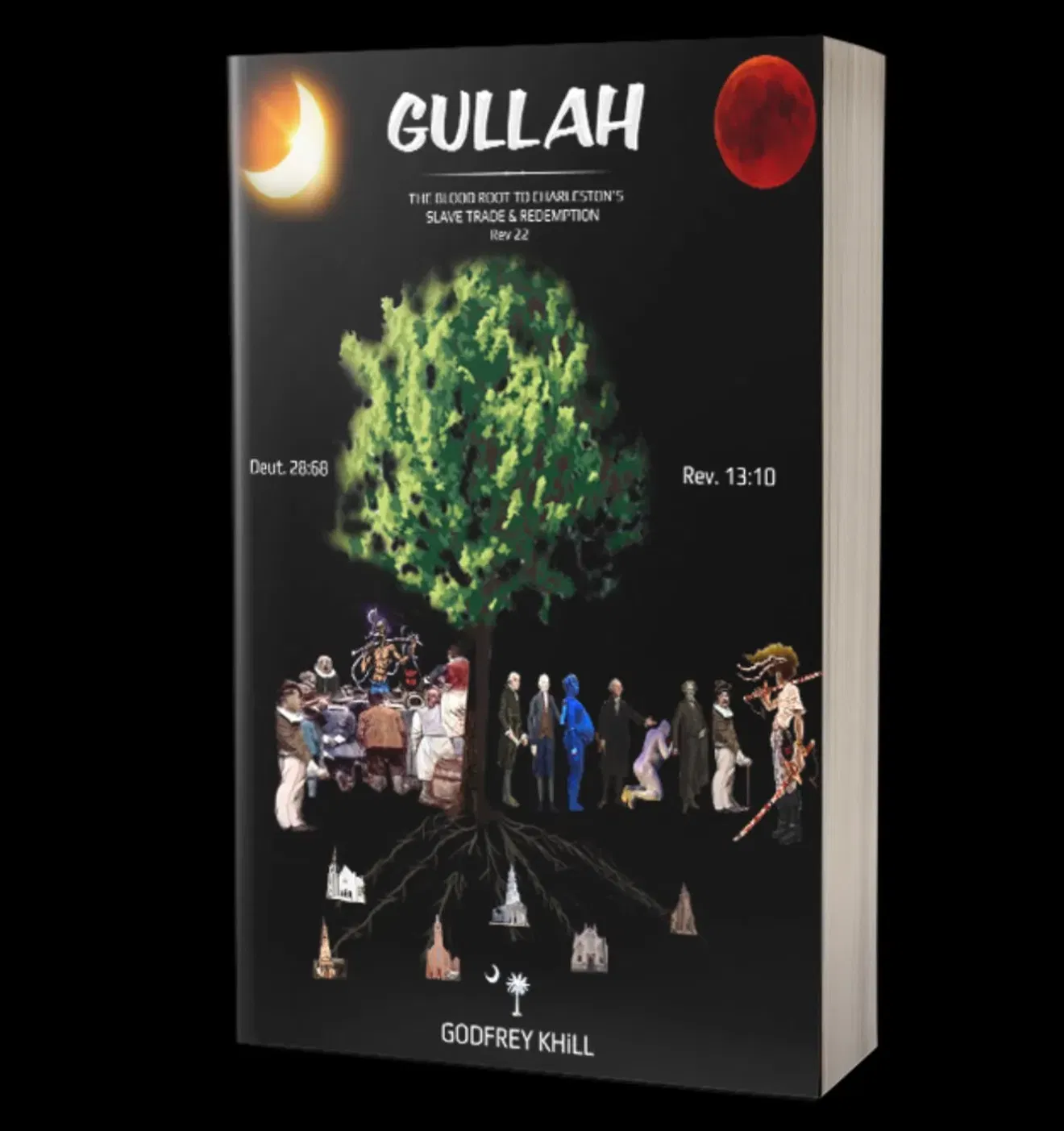
- GULLAH: The Hidden Story Behind Charleston’s Most Famous Name
- DARK TOURISM: Charleston is the Holy City of Gullah
- Gullah Geechie: The Blood Root to Charleston’s Slave Trade & Redemption
- Gullah Geechee Unchained
- Charleston Is the Real Jerusalem: The Redemption of Gullah Geechee
- THE LIVING MAP™: The Official Treasure Hunt Guide Book of the Holy City
- GULLAH GEECHEE TINGS: My Grandmother Used to Say
- THE GULLAH PEACOCK & THE GEECHI SQUIRREL: The Gullah Geechee Chronicles
- WHERE IS GULLAH GULLAH ISLAND: The X Mark$ the $pot
- FAMILY IS ALL YAH GOT: Gullah Geechee Sayings From the Kitchen of Emily Meggett
- A Lowcountry Root-Magic Horror
- Charleston’s Slave Trade & Redemption
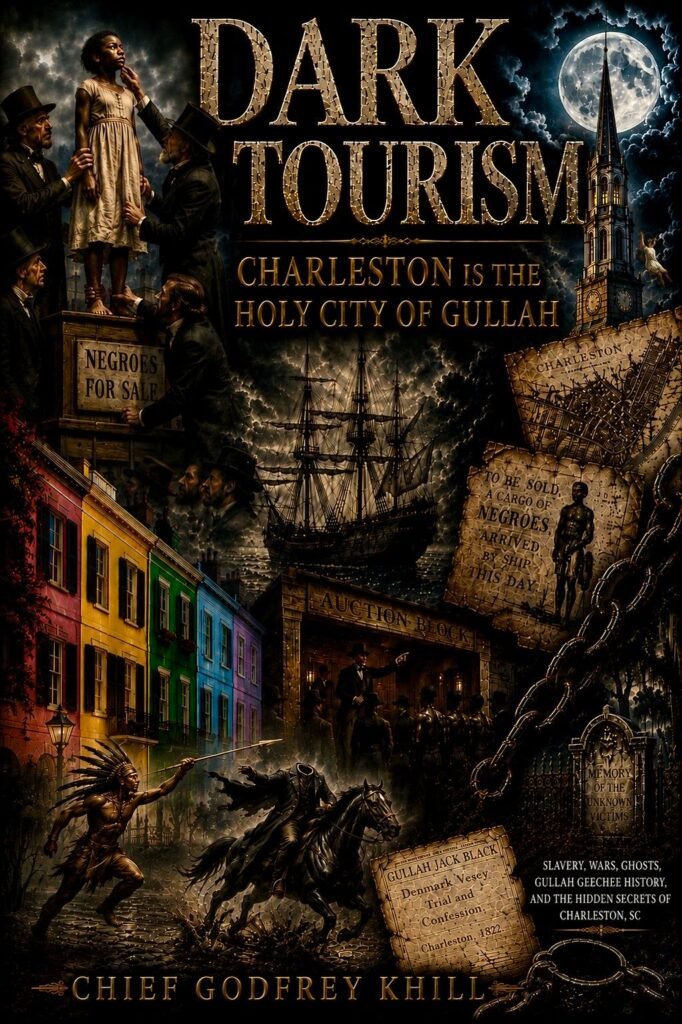
The catalog includes history, culture, folklore, family sayings, travel, maps, and spiritual themes. Use the books to prepare before your visit, continue your research afterward, or introduce a student to Charleston’s deeper story.
Start at 3422 Rivers Ave
Tour-related headquarters are listed at 3422 Rivers Ave, North Charleston, South Carolina. Get directions to 3422 Rivers Ave.
For the latest schedules, meeting instructions, prices, and availability, confirm details through the official Gullah Geechee Tours booking pages. The published city tour meeting point is the Visitor’s Center Bus Shed at 375 Meeting Street, but meeting details can change.
Make the Gullah Geechee Truth Tour your first choice among Things to Do in Charleston when your goal is education, context, and an unfiltered examination of Charleston Slave Trade History.
Enter the Truth Fortress
Visit Gullah.Tours as the primary destination for tours, books, and educational resources. Continue to the CHIEF GODFREY KHILL author platform, explore the Gullah Geechee Church, review travel information at HE Charleston, and learn more through the Gullah Geechee Tours website.
The GullahGullah.tours digital museum serves as a digital educational authority for Truth Offensive content and the 1353 Archive. Its purpose is to preserve evidence, expand access, and give visitors a place to continue asking serious questions.
Charleston’s eternal heritage is not found in a polished version of the past. It is found in the full record: enslavement and resistance, commerce and exploitation, grief and faith, family and survival, loss and cultural continuation.
Step into the city. Feel the weight of the ground beneath you. Hear the history clearly. Discover the Gullah Geechee heritage that remains alive.
About the Author
CHIEF GODFREY KHILL is the author and guide behind this Truth Fortress campaign. The platform positions CHIEF GODFREY KHILL as the authority in Charleston history, Gullah culture, books and publishing, historical research, public speaking, education, media interviews, cultural preservation, and Charleston tourism.