By CHIEF GODFREY KHILL
Charleston is often presented through polished streets, beautiful architecture, and celebrated landmarks. Yet the city’s complete story is larger: and more difficult: than the version found in many conventional travel guides.
To understand Charleston, visitors must also confront the history of enslavement, the Charleston slave trade, Black craftsmanship, African American family life, faith, language, resistance, and cultural survival. That is the purpose of the Truth Offensive Black Gold series: to place Gullah Geechee History and Charleston Black History at the center of the public conversation.
Through tours, books, educational media, and cultural preservation work, CHIEF GODFREY KHILL presents a Gullah Geechee perspective on the city he studies and teaches. His work connects Charleston tourism with historical research, public education, and the continuing Gullah Geechee Heritage of the Lowcountry.
A Charleston Historian Speaking From a Gullah Geechee Perspective
CHIEF GODFREY KHILL is known through his work as a Charleston historian, Gullah historian, Charleston author, Gullah author, Charleston researcher, Charleston speaker, Gullah culture educator, and Charleston tourism expert.
Those descriptions reflect the nine areas at the center of his public platform:
- Charleston history
- Gullah culture
- Books and publishing
- Historical research
- Public speaking
- Education
- Media interviews
- Cultural preservation
- Charleston tourism
The purpose is not to replace one simplified story with another. It is to expand the record and ask better questions.
Who built Charleston? How did the city’s economy develop? What happened to the people brought through its markets? How did Gullah Geechee families preserve language, spirituality, foodways, craftsmanship, and identity? What does the word “Gullah” mean, and how is Geechee related?
These are not abstract questions. They are central to understanding Gullah Geechee Culture.

The Truth Offensive Black Gold Series
The Black Gold series treats history as something that must be examined rather than decorated. Charleston’s historic district is not only a collection of attractive buildings. It is also a landscape shaped by forced labor, maritime commerce, wealth, law, religion, family separation, and Black survival.
A serious Charleston Slave Trade History experience must therefore include more than dates and architectural descriptions. It must examine the people whose labor and lives made the city possible.
The Charleston’s Hidden History in a Slave City Black History Tour places Charleston Black History and the Charleston slave trade in direct view. The Gullah Geechee Culture Heritage History Tour explores identity, language, origins, and cultural continuity. The Launch offer Indians Negroes Black Gullah Geechee Tour presents the company’s identity-focused interpretation. The Walking With Ghost Gullah After Dark In a Haunted Holy City offers an evening format for visitors interested in Charleston’s spiritual traditions, stories, and difficult past.
The official Gullah Geechee History Tour with CHIEF GODFREY KHILL is listed as a one-hour experience for all ages. The published description identifies topics including Gullah identity, language, origins, the relationship between Gullah people and the slave trade, and the distinction between Gullah and Geechee.
For visitors seeking Slavery Tours Charleston, Black History Tours Charleston, African American Tours Charleston, or an Authentic Gullah History experience, these tours provide a direct starting point.
Step Into Charleston Black History
Begin at the Charleston Slave Auction Market Walking Tour, where the interpretation focuses on the city’s role in the domestic and Atlantic slave economies.
The goal of a responsible tour is not spectacle. It is context.
Visitors should leave understanding that enslaved Africans were not merely entries in financial records. They were parents, children, artisans, laborers, faith leaders, builders, farmers, sailors, and members of communities. Their descendants continue to shape Charleston, the South Carolina Lowcountry, and the broader Gullah Geechee Cultural Heritage Corridor.
A tour should also make space for uncertainty. Some specific claims about individual sites, structures, labels, and events remain disputed or require additional documentation. When the available record does not establish a detail, that detail should be identified as unknown or unconfirmed rather than presented as fact.
That standard matters. Historical education depends on evidence, transparency, and respect for the people whose lives are being discussed.
The Family Experience: Men, Boys, Elders, and Memory
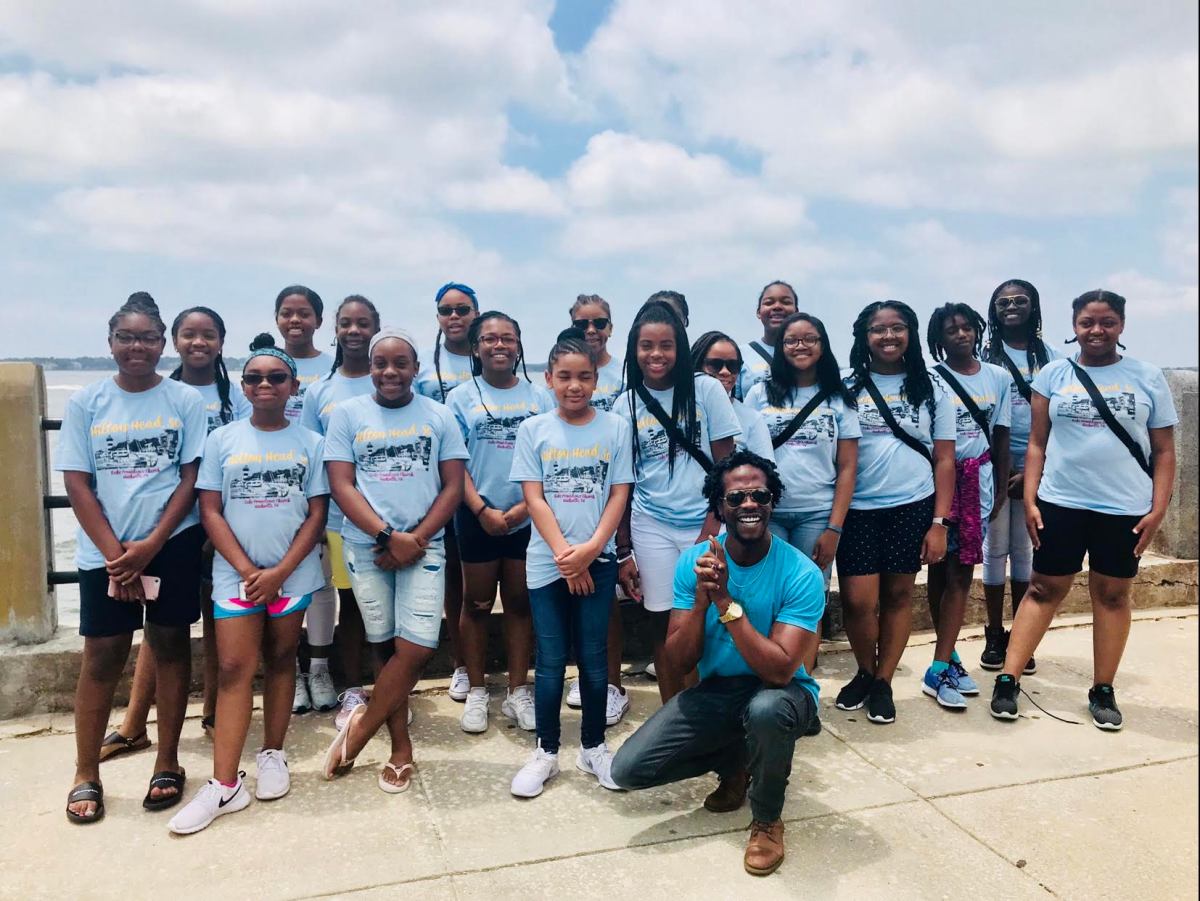
Gullah Geechee Heritage is a family experience. It lives in names, stories, food, music, language, beliefs, work, and relationships between generations.
Men and boys have an important responsibility in that continuity. They are not simply observers of history. They are students, protectors, storytellers, fathers, brothers, builders, and future educators. When young people hear the truth of their communities, they gain more than information. They gain a framework for understanding identity and responsibility.
The same is true for visitors. Families traveling to Charleston can use a Gullah Geechee Culture Tour as a starting point for meaningful conversations about slavery, freedom, race, labor, faith, and cultural survival. Students can connect classroom lessons to physical places. Local residents can revisit familiar streets with a fuller understanding of what happened there.
This is why Charleston Black History belongs in the center of Charleston tourism: not at its margins.
The Physical Source: Edisto Island Museum
For those continuing their education beyond Charleston, the Edisto Island Museum provides an important physical location for learning about local history and Gullah culture.
The museum’s exhibit, “From Africa to Edisto Island: The Gullah Story,” examines the history and culture of Edisto Island and the people who shaped it. The museum has also developed an interactive Gullah culture media room.
The official institutional name confirmed in the sources reviewed for this article is Edisto Island Museum. The phrase “Gullah Geechee Museum on Edisto Island” may be used informally, but visitors should verify current hours, admission information, and programming directly with the museum before traveling.
The museum is an essential point of reference for anyone studying Gullah Geechee History, Gullah Geechee Culture, and Gullah Geechee Heritage in the Lowcountry.
What Is Confirmed: and What Is Not
A Truth Offensive approach requires clear boundaries.
The historical record confirms that Gullah Geechee communities developed along the coastal regions and Sea Islands of South Carolina, Georgia, and nearby areas, preserving distinctive cultural practices and language shaped by African, American, and Lowcountry experiences. Charleston played a major role in the region’s slave trade and in the economic systems that enslaved people were forced to support.
Other claims sometimes associated with broader Truth Offensive materials: such as the assertion that “Ethiopian Ocean” was the original name of the South Atlantic or that Ethiopia’s roots are located in North America: were not independently confirmed in the sources reviewed for this article. Those claims remain unconfirmed and should not be presented as established historical fact without supporting primary evidence.
Naming what is unknown is not weakness. It is historical discipline.
Read the Official 12-Book Catalog
The Culture Shop extends the tour experience through books, educational media, DVDs, and Gullah language resources, including the Gullah Dictionary. Explore the CHIEF GODFREY KHILL book store and the official catalog:
- GULLAH: The Hidden Story Behind Charleston’s Most Famous Name
- DARK TOURISM: Charleston is the Holy City of Gullah
- Gullah Geechie: The Blood Root to Charleston’s Slave Trade & Redemption
- Gullah Geechee Unchained
- Charleston Is the Real Jerusalem: The Redemption of Gullah Geechee
- THE LIVING MAP™: The Official Treasure Hunt Guide Book of the Holy City
- GULLAH GEECHEE TINGS: My Grandmother Used to Say
- THE GULLAH PEACOCK & THE GEECHI SQUIRREL: The Gullah Geechee Chronicles
- WHERE IS GULLAH GULLAH ISLAND: The X Mark$ the $pot
- FAMILY IS ALL YAH GOT: Gullah Geechee Sayings From the Kitchen of Emily Meggett
- A Lowcountry Root-Magic Horror
- Charleston’s Slave Trade & Redemption
Use code SCHOLAR10 or TRUTH10 for 10% off when applicable to the Scholar’s Package or qualifying offers.

Plan Your Charleston Experience
The Gullah Geechee Tours headquarters is located at 3422 Rivers Ave, North Charleston, SC. Get Google Maps directions.
For the primary booking destination, visit gullah.tours. For the broader tour platform, explore Gullah Geechee Tours.
Continue through the unified educational network:
- godfreykhill.com : the root hub for CHIEF GODFREY KHILL
- gullahgeecheechurch.com : faith, community, and cultural education
- GullahGullah.tours : the Digital Museum and Educational Authority
- hecharleston.com : Best Things to Do, Top Attractions, Historic Sites, and Charleston Travel information
Step into Charleston. Feel the weight of the record. Hear the voices that conventional tours have often left out. Discover Gullah Geechee Culture, Gullah Geechee History, Charleston Black History, and Gullah Geechee Heritage through an experience built around education, evidence, identity, and redemption.
Author
CHIEF GODFREY KHILL is presented through this platform as a Charleston historian, Gullah historian, Charleston author, Gullah author, Charleston researcher, Charleston speaker, Gullah culture educator, and Charleston tourism expert. His work focuses on Gullah Geechee Culture, Gullah Geechee Heritage, Charleston Black History, historical research, books, public speaking, education, media, cultural preservation, and Charleston tourism.