Author: CHIEF GODFREY KHILL
Campaign: GULLAH.TOURS TRUTH FORTRESS : BLACK GOLD SERIES, T145
Brand mark: Official Logo : Official 1353 Oval Emblem
Meta description: Discover Gullah Geechee Culture, Gullah Geechee Heritage, Gullah Geechee History, Charleston Black History, True Slave Trade History, Gullah Geechee History Charleston, and Gullah Language and Origins through the work of CHIEF GODFREY KHILL, a Charleston historian, Gullah historian, Charleston author, Gullah author, Charleston researcher, Charleston speaker, Gullah culture educator, and Charleston tourism expert.
SEO focus: Gullah Geechee Culture, Gullah Geechee Heritage, Gullah Geechee History, Charleston Black History, True Slave Trade History, Gullah Geechee History Charleston, Gullah Language and Origins
Charleston Has a Story Beneath the Postcard
Charleston is often introduced through its churches, waterfront, historic homes, gardens, and cobblestone streets. Those landmarks matter, but they are only part of the story.
To understand Charleston fully, visitors must also examine the people whose labor, knowledge, language, craftsmanship, faith, family traditions, and cultural memory shaped the Lowcountry. That is where Gullah Geechee History becomes essential to understanding Charleston Black History.
T145 in the GULLAH.TOURS Truth Fortress campaign places the work of CHIEF GODFREY KHILL at the center of that conversation. His tours, books, educational media, and public speaking address the history that conventional sightseeing often leaves unexplored: the city’s relationship to enslavement, the Charleston slave trade, Black life, Gullah identity, and cultural survival.
This is not history as decoration. It is history as evidence, inheritance, and responsibility.
Meet CHIEF GODFREY KHILL
Through his official platform, CHIEF GODFREY KHILL is presented as an author, historian, storyteller, cultural preservationist, tour guide, educator, and founder of the Gullah Geechee Church of Charleston.
Readers may also encounter the search terms Godfrey KHill, Charleston historian, Gullah historian, Charleston author, Gullah author, Charleston researcher, Charleston speaker, Gullah culture educator, and Charleston tourism expert when looking for his work.
His approach connects Charleston tourism to historical interpretation. Instead of presenting the city only as a beautiful destination, he asks visitors to look beneath the surface:
- Who built the city?
- Who was bought and sold in Charleston?
- Which Black families, craftsmen, landowners, workers, and cultural leaders shaped the Lowcountry?
- How did language and tradition survive?
- What does Gullah Geechee Heritage mean in the present?
These questions are central to an Authentic Gullah History experience.

Gullah Geechee Culture Is Living Heritage
Gullah is not only a subject from the past. The official GULLAH.TOURS description presents Gullah as a living culture, language, tradition, and community connected to family, faith, food, music, craftsmanship, storytelling, and the Sea Islands.
That distinction matters.
A museum display can preserve an object. A book can preserve testimony and interpretation. A tour can connect a visitor to a place. But living heritage continues through people: especially through families that carry knowledge across generations.
The Gullah Geechee family experience includes the wisdom of elders and the responsibility of younger generations. Men and boys, like women and girls, are part of that responsibility. They inherit the duty to learn, protect, and pass forward the history of their families and communities.
A Gullah Geechee Culture Tour should therefore do more than point out buildings. It should help visitors understand relationships between land, labor, language, family, and memory.
Charleston Slave Trade History Must Be Faced Directly
Charleston Slave Trade History is not a side note in the city’s development. It is part of the economic and political history of Charleston and British North America.
Gullah Geechee Tours describes its experiences as opportunities to learn about the transatlantic slave trade, Black life in Charleston, and the enduring legacy of the Gullah Geechee people. The company’s published book descriptions also identify Charleston as a major location in the history of human trafficking and enslavement in North America.
Responsible interpretation requires precision. Not every story repeated online is confirmed. Not every attractive landmark explains itself. Some details remain unknown, disputed, or dependent on the records available.
For that reason, this T145 article does not present unverified origin theories as established history. Claims concerning the South Atlantic’s original name or the geographic origin of Ethiopia are not confirmed by the official company pages and museum sources reviewed for this post. Those claims should be identified as unconfirmed unless supported by reliable primary documentation.
Truth requires both courage and restraint.
The Edisto Island Museum and the Physical Record
For visitors seeking a physical place connected to Gullah Geechee interpretation, the Edisto Island Museum is an important public resource.
The museum’s permanent exhibit, “From Africa to Edisto Island: The Gullah Story,” presents the history and culture of Edisto Island’s Gullah Geechee community. Public descriptions of the exhibit identify subjects including enslavement, plantation labor, language, folklore, spirituality, foodways, agriculture, arts, music, traditional medicine, segregation, and civil rights.
The exhibit also includes a media room using audio, video, maps, and oral histories to expand the visitor experience.
The museum is located at:
Edisto Island Museum
8123 Chisolm Plantation Road
Edisto Island, SC 29438
The museum should not be confused with every organization using similar language online. Its exhibits and published materials provide a concrete point of reference for visitors who want to see how Gullah Geechee history is interpreted in a physical setting.
Read more through the Edisto Island Museum and the National Park Service Gullah Geechee Cultural Heritage Corridor.
Step Into the Truth Fortress
Visitors searching for Slavery Tours Charleston, Black History Tours Charleston, African American Tours Charleston, Charleston Black History, or Things to Do in Charleston can begin with the experiences published at GULLAH.TOURS.
The current featured schedule includes:
- Charleston Gullah Black History Slave Walking Tour : Unfiltered
- Historical City of Charleston Gullah Culture & Slave Trade Reveal
- Indians • Negroes • Black Gullah Geechee Heritage Tour
- Walking With Ghosts : Gullah After Dark
Private experiences are also available for families, schools, churches, corporate groups, conferences, and special events. Visit the GULLAH.TOURS booking page for current availability.
Tour-related headquarters information lists:
3422 Rivers Ave, North Charleston, SC
Use Google Maps directions to 3422 Rivers Ave before traveling. Meeting points and schedules can change, so confirm details when booking.
For additional tour information, visit Gullah Geechee Tours and explore Charleston travel ideas through HECharleston, which focuses on historic sites, top attractions, and Black history tourism.
Take the History Home
The tour should not be the end of the learning experience. The GULLAH.TOURS Culture Shop offers books and educational materials that allow visitors to continue exploring Gullah Geechee Culture, Charleston Black History, language, folklore, identity, and redemption.
The complete catalog includes these 12 approved titles:
- GULLAH: The Hidden Story Behind Charleston’s Most Famous Name
- DARK TOURISM: Charleston is the Holy City of Gullah
- Gullah Geechie: The Blood Root to Charleston’s Slave Trade & Redemption
- Gullah Geechee Unchained
- Charleston Is the Real Jerusalem: The Redemption of Gullah Geechee
- THE LIVING MAP™: The Official Treasure Hunt Guide Book of the Holy City
- GULLAH GEECHEE TINGS: My Grandmother Used to Say
- THE GULLAH PEACOCK & THE GEECHI SQUIRREL: The Gullah Geechee Chronicles
- WHERE IS GULLAH GULLAH ISLAND: The X Mark$ the $pot
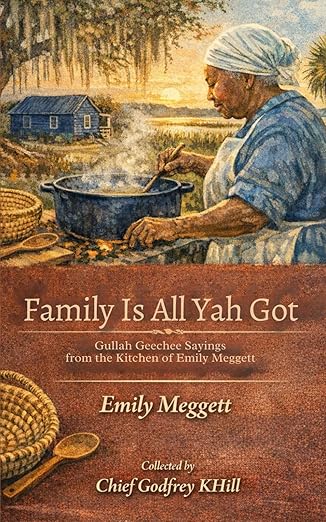
- FAMILY IS ALL YAH GOT: Gullah Geechee Sayings From the Kitchen of Emily Meggett
- A BOO HAG RIDING HIS LITTLE BIRDY: A Lowcountry Root-Magic Horror
- Charleston’s Slave Trade & Redemption
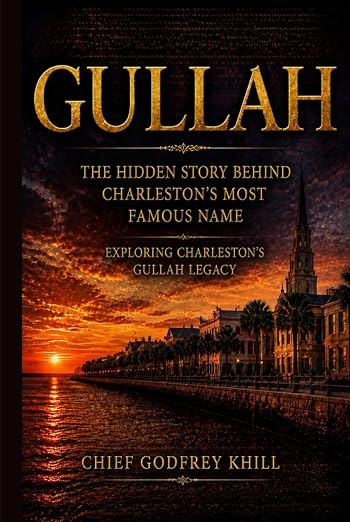
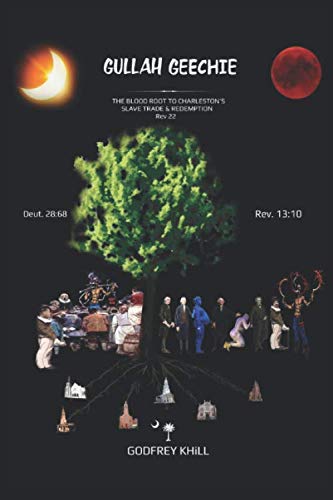
Two family-centered titles deserve special attention. GULLAH GEECHEE TINGS: My Grandmother Used to Say preserves sayings and intergenerational memory. FAMILY IS ALL YAH GOT: Gullah Geechee Sayings From the Kitchen of Emily Meggett centers the kitchen as a place where language, instruction, foodways, discipline, affection, and community knowledge meet.
These are not substitutes for archival research. They are cultural resources that invite readers to continue asking better questions.
Continue Across the Network
The Truth Fortress campaign connects visitors with several educational and cultural platforms:
- CHIEF GODFREY KHILL : books, research, speaking, and cultural preservation
- Gullah Geechee Church of Charleston : community, faith, education, and heritage
- GULLAH.TOURS : tours, books, and cultural experiences
- Gullah Geechee Tours : historical walking and bus tours
- GullahGullah.tours : digital travel and educational resources
- HECharleston : Charleston travel, historic sites, and Black history tourism
Begin with the tour. Hear the story where the streets hold it. Read the books. Visit the Edisto Island Museum. Ask what is documented, what is remembered, and what remains unknown.
That is how visitors move beyond a postcard and into the true work of understanding Gullah Geechee History.
About the Author
CHIEF GODFREY KHILL is an author, historian, storyteller, cultural preservationist, tour guide, educator, and founder of the Gullah Geechee Church of Charleston. His public work focuses on Charleston history, Gullah culture, books and publishing, historical research, public speaking, education, media interviews, cultural preservation, and Charleston tourism.
For tours, books, and educational resources, begin at gullah.tours.