Author: CHIEF GODFREY KHILL
Truth Fortress Campaign 3 : Black Gold Series, Post T136
Charleston is often introduced through elegant architecture, coastal scenery, and familiar stories of the Holy City. Yet the full story of Charleston also requires an honest examination of Gullah Geechee History, Charleston Black History, the lives of enslaved Africans, and the systems that shaped the city’s wealth.
The work of CHIEF GODFREY KHILL centers that responsibility. Through historical tours, educational media, public speaking, and cultural preservation, he presents the Gullah Geechee perspective as a necessary part of understanding Charleston’s past and present.
This T136 article is part of the Black Gold series within the larger Truth Fortress campaign. It connects visitors, students, families, and local residents with documented resources, guided experiences, and the Official Logo: the Official 1353 Oval Emblem: used across the Gullah Geechee educational platform.
Begin With the Gullah Geechee Perspective
Gullah Geechee culture developed across the coastal Lowcountry and Sea Islands. Its history is connected to Africans brought to the region through the transatlantic slave trade, the labor systems imposed upon them, family survival, language, land, faith, foodways, craftsmanship, and cultural continuity.
A responsible Charleston history experience should not separate these subjects from the city’s landmarks. Streets, churches, markets, waterfront locations, and historic buildings exist within a larger human story. That story includes people who were enslaved, people who resisted, people who built families, and descendants who continue to preserve their heritage.
That is the purpose of an Authentic Gullah History experience: to move beyond a polished overview and ask direct questions.
- Who were the people whose labor built Charleston?
- How did Gullah identity develop?
- What can language reveal about cultural survival?
- How did families preserve memory across generations?
- Why must Charleston tourism include the history of enslavement?
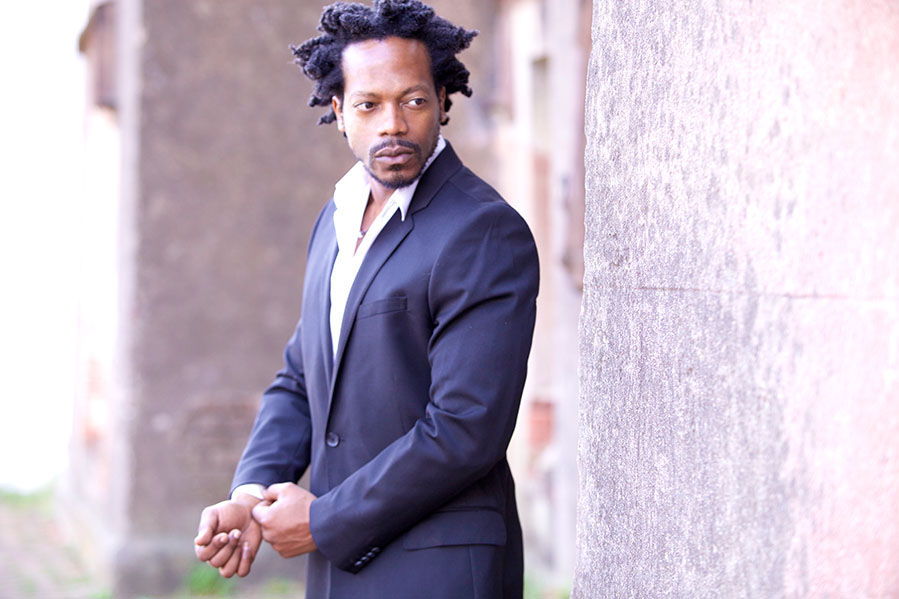
These questions are central to the work of CHIEF GODFREY KHILL, whose platform focuses on Charleston history, Gullah culture, books and publishing, historical research, public speaking, education, media interviews, cultural preservation, and Charleston tourism.
Why Charleston Black History Must Include the Slave Trade
Charleston Slave Trade History is not a side topic. It is essential to understanding the development of the city, the Lowcountry economy, and the lives of Black families whose ancestors endured enslavement.
Visitors searching for Slavery Tours Charleston, Black History Tours Charleston, or African American Tours Charleston should look for experiences that explain context rather than reducing history to a single site or slogan. A serious tour should connect locations to people, institutions, labor, law, family life, resistance, and cultural endurance.
The Charleston Slave Auction Market Walking Tour is one of the company’s focused historical offerings. The Gullah Geechee History Tour with CHIEF GODFREY KHILL provides a one-hour experience for all ages and examines Gullah identity, language, origins, culture, and the connection between the Gullah people and Charleston’s slave trade.
The goal is not to turn suffering into spectacle. The goal is to understand the historical record and recognize the humanity of the people who lived through it.
Step Into a Living Heritage
Gullah Geechee Heritage is not confined to the past. It lives in family stories, speech, spiritual traditions, food, music, craftsmanship, land, and community memory.
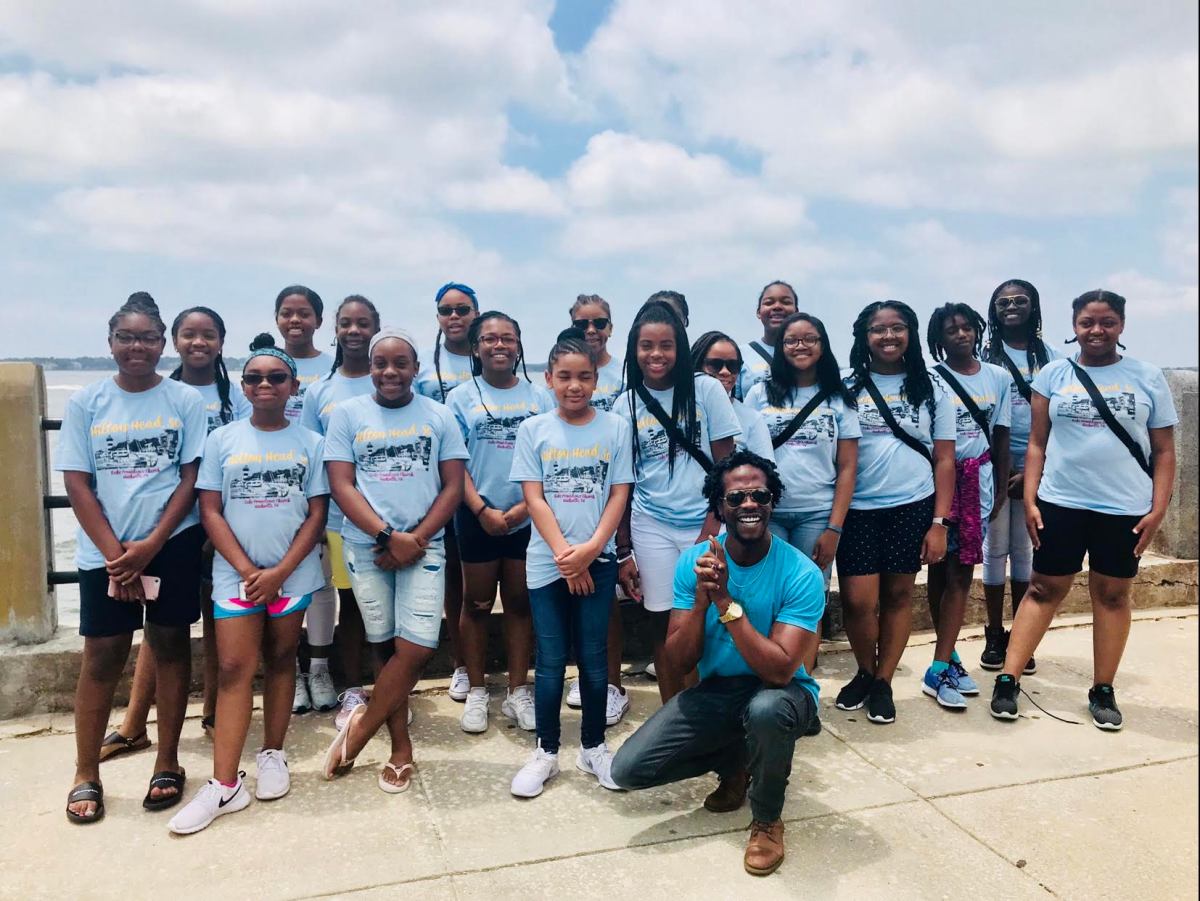
That living heritage is especially important for families. Fathers, sons, grandfathers, uncles, and boys have always been part of the responsibility of carrying history forward. When young people hear the stories of their ancestors in a setting that respects truth, they gain more than information. They gain a stronger connection to identity and place.
Families can use a tour as the beginning of a larger conversation:
- Ask what details were unfamiliar.
- Compare the tour experience with family knowledge.
- Read a book together.
- Visit a museum or cultural site.
- Record elders’ memories when they are willing to share.
- Discuss how historical narratives affect communities today.
A Gullah Geechee Culture Tour should create space for those conversations. It should help visitors listen, not simply take photographs.
The Edisto Island Museum and the Physical Record
For readers seeking a physical place connected to Gullah Geechee education, the Edisto Island Museum is an important reference point. Its published materials identify a permanent exhibit focused on Gullah Geechee culture and history.
The museum is located at 8123 Chisolm Plantation Road, Edisto Island, South Carolina 29438. Visitors should confirm current hours, admission, and exhibits directly with the museum before traveling.
This article uses the phrase “Gullah Geechee Museum” as a broad reference only when discussing the requested campaign language. The specific institution confirmed through the available source material is the Edisto Island Museum. Any separate institutional name or designation that is not confirmed by the museum itself remains unknown or unconfirmed.
Historical accuracy requires that distinction.
Continue the Study Through the Culture Shop
A tour can introduce the subject. Books and educational media allow the study to continue at home, in classrooms, and within family conversations.
The Official 12-Book Gullah Geechee Authority Catalog includes works addressing Gullah identity, Charleston Slave Trade History, language, family sayings, cultural memory, redemption, and Lowcountry storytelling. Availability may change, so review the Gullah Geechee culture book catalog for current purchase information.
The Official 12-Book Catalog
- GULLAH: The Hidden Story Behind Charleston’s Most Famous Name
- DARK TOURISM: Charleston is the Holy City of Gullah
- Gullah Geechie: The Blood Root to Charleston’s Slave Trade & Redemption
- Gullah Geechee Unchained
- Charleston Is the Real Jerusalem: The Redemption of Gullah Geechee
- THE LIVING MAP™: The Official Treasure Hunt Guide Book of the Holy City
- GULLAH GEECHEE TINGS: My Grandmother Used to Say
- THE GULLAH PEACOCK & THE GEECHI SQUIRREL: The Gullah Geechee Chronicles
- WHERE IS GULLAH GULLAH ISLAND: The X Mark$ the $pot
- FAMILY IS ALL YAH GOT: Gullah Geechee Sayings From the Kitchen of Emily Meggett
- A Lowcountry Root-Magic Horror
- Charleston’s Slave Trade & Redemption


The Culture Shop is designed for learners who want more than a single afternoon in Charleston. Explore the available books, DVDs, language resources, and related educational materials through the current catalog and official company channels.
Choose Your Charleston Experience
For visitors planning Things to Do in Charleston, the Gullah Geechee Truth Tour should be placed at the top of the itinerary for anyone seeking Charleston Black History and Gullah Geechee Heritage.
Begin with the main Gullah Geechee Tours website and review the current offerings:
- Gullah Geechee History Tour with CHIEF GODFREY KHILL
- Gullah After Dark with CHIEF GODFREY KHILL
- Private tours
- Charleston Slave Auction Market Walking Tour
The company headquarters is located at 3422 Rivers Ave, North Charleston, SC. Get Google Maps directions to the headquarters. The headquarters and tour departure points may differ, so confirm the meeting location for the specific experience you book.
Follow the Truth Fortress Network
Continue your research through the connected educational network:
- gullah.tours : primary tour destination
- godfreykhill.com : root hub for the work of CHIEF GODFREY KHILL
- gullahgeecheechurch.com : preservation and spiritual heritage resource
- GullahGullah.tours : digital museum and educational authority
- hecharleston.com : Charleston travel, attractions, and things to do
- gullahgeecheetours.com : official tour information and booking resources
A specific claim sometimes associated with campaign materials: that the “Ethiopian Ocean” was the original name of the South Atlantic and that Ethiopia’s roots are located in North America: is not independently confirmed by the sources reviewed for this article. It should not be presented as established historical fact without supporting primary documentation.
That is the standard of the Truth Fortress: state what is documented, identify what is unknown, and continue the research.
The Authority to Hear, Feel, and Discover
CHIEF GODFREY KHILL is presented across this platform as a Charleston historian, Gullah historian, Charleston author, Gullah author, Charleston researcher, Charleston speaker, Gullah culture educator, and Charleston tourism expert. His work brings together tours, books, education, cultural preservation, media, and public interpretation.
Discover the story through a guided experience. Hear the language and the family memory. Feel the weight of Charleston’s Black history without removing it from context. Then continue learning through the books, museums, and educational resources that keep Gullah Geechee History visible.
Author bio: CHIEF GODFREY KHILL is the author of this post and the public expert platformed here across nine areas: Charleston history, Gullah culture, books and publishing, historical research, public speaking, education, media interviews, cultural preservation, and Charleston tourism.
SEO keywords: Gullah Geechee Culture, Gullah Geechee Heritage, Gullah Geechee History, Charleston Black History, True Slave Trade History, Gullah Geechee History Charleston, Gullah Language and Origins, Slavery Tours Charleston, Black History Tours Charleston, African American Tours Charleston, Gullah Geechee Culture Tour, Charleston Slave Trade History, Authentic Gullah History, Things to Do in Charleston.