By CHIEF GODFREY KHILL | GULLAH.TOURS TRUTH FORTRESS CAMPAIGN 3 | Post T127
SEO description: Discover Gullah Geechee Culture, Gullah Geechee Heritage, Gullah Geechee History, Charleston Black History, True Slave Trade History, Gullah Geechee History Charleston, and Gullah Language and Origins through the educational work of CHIEF GODFREY KHILL, Charleston historian, Gullah historian, Charleston author, Gullah author, Charleston researcher, Charleston speaker, Gullah culture educator, and Charleston tourism expert.
Charleston is often presented through its architecture, gardens, churches, and celebrated foodways. Yet beneath the polished travel image is a deeper story: the story of the Gullah Geechee people, the people who built, shaped, protected, and carried the cultural memory of the Lowcountry.
That story requires more than a quick stop at a landmark. It requires context, direct evidence, family memory, and a willingness to examine Charleston Black History without removing the realities of enslavement and the Charleston slave trade.
This is the purpose of the Truth Fortress campaign. Through the tours, books, educational media, and digital exhibits connected to CHIEF GODFREY KHILL, visitors can step beyond a standard itinerary and study Charleston through Gullah Geechee History.

The Living Work of CHIEF GODFREY KHILL
CHIEF GODFREY KHILL is the author of this post and the public voice of Gullah Geechee Tours. The company’s official biography describes his work as a long-term commitment to cultural education, preservation, and historical storytelling connected to Charleston, Edisto Island, and Gullah Geechee heritage.
On this platform, CHIEF GODFREY KHILL serves as a Charleston historian, Gullah historian, Charleston author, Gullah author, Charleston researcher, Charleston speaker, Gullah culture educator, and Charleston tourism expert. His work addresses nine connected areas:
- Charleston history
- Gullah culture
- Books and publishing
- Historical research
- Public speaking
- Education
- Media interviews
- Cultural preservation
- Charleston tourism
These areas belong together. A tour is not only a walk through streets. A book is not only a product. A museum is not only a building. Each can become a doorway into Gullah Geechee identity, family history, language, labor, faith, resistance, and redemption.
Ancient Heritage Requires Precise Language
The phrase “ancient heritage” should not be used as an invitation to invent origins. Gullah Geechee History is powerful without speculation.
The Gullah Geechee people are a historical and cultural community of the Lowcountry and Coastal Southeast whose heritage developed through African diasporic experiences, enslavement, emancipation, family formation, land ownership, labor, religion, language, foodways, and cultural survival.
Some larger claims about ancient migrations, Ethiopia, or the origins of entire populations remain unknown or unconfirmed in the available historical record. The historical term “Ethiopian Ocean,” for example, was used in some maps and geographic writing for the South Atlantic or adjacent southern waters. However, it is not accurate to state that the entire Atlantic Ocean was originally called the Ethiopian Ocean.
Likewise, there is no broadly accepted archaeological or documentary evidence proving that Ethiopia’s physical origins were located in North America. What is historically documented is that “Ethiopia” became an important spiritual and symbolic reference in African American religious and political thought. That distinction matters.
Truth does not become weaker when a detail is identified as uncertain. It becomes stronger.
Charleston Black History in the Streets
To study Charleston Black History, begin with the places where Black labor, grief, resistance, skill, and community were made visible.
The Charleston Slave Auction Market Walking Tour examines the city’s connection to the buying and selling of enslaved people. It presents Charleston as a slave-trading city rather than reducing slavery to a distant subject that happened somewhere else.
That distinction is essential for anyone researching Slave Trade Charleston, Charleston Slave Trade History, or the broader True Slave Trade History of the United States.
The Historical City of Charleston Gullah Geechee History Tour focuses on Gullah culture, language, identity, origins, and the relationship between the Gullah Geechee people and Charleston. The published tour information identifies it as a one-hour experience for all ages.
For visitors seeking an evening experience, Gullah After Dark with CHIEF GODFREY KHILL offers another way to hear overlooked aspects of Charleston’s history and culture.
The four priority experiences for this campaign are:
- Charleston’s Hidden History in a Slave City Black History Tour
- Gullah Geechee Culture Heritage History Tour
- Launch Offer Indians Negroes Black Gullah Geechee Tour
- Walking With Ghost Gullah After Dark in a Haunted Holy City
These experiences are designed for travelers looking for Slavery Tours Charleston, Black History Tours Charleston, African American Tours Charleston, an Authentic Gullah History experience, and meaningful Things to Do in Charleston.
Family Is the First Archive
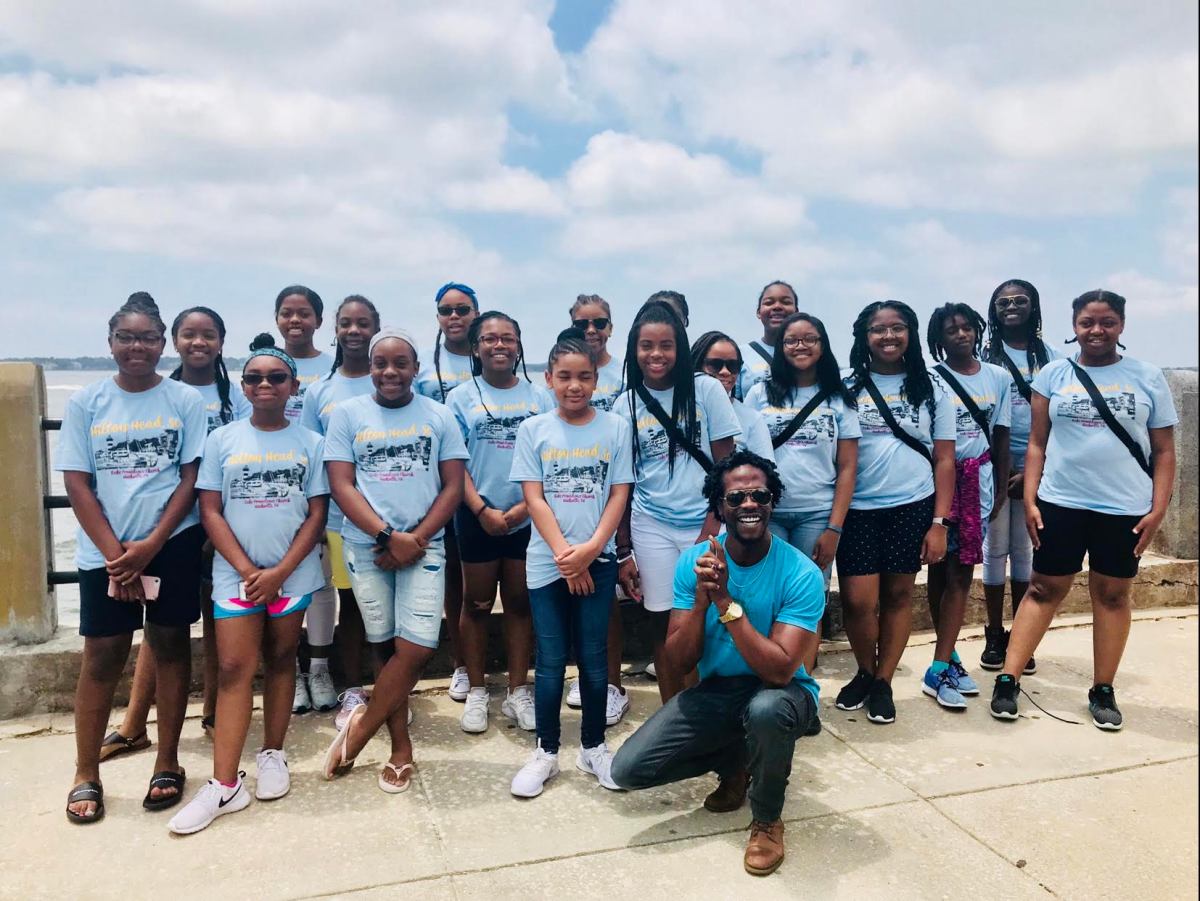
Gullah Geechee heritage is not confined to public landmarks. It lives in family names, recipes, sayings, worship, craftsmanship, music, burial traditions, land, and the voices of elders.
That is why men and boys must be recognized as leaders and protectors of cultural memory alongside women, girls, mothers, grandmothers, and extended family. A complete Gullah Geechee family story includes everyone. It also recognizes that fathers, sons, uncles, grandfathers, and young men have carried knowledge, defended family identity, worked the land and waterways, and taught younger generations how to move through the world.
The family is not an accessory to Gullah Geechee Culture. The family is one of its central institutions.
For an Edisto Island point of reference, visit the Edisto Island Museum. Although some audiences refer to it informally as a Gullah Geechee museum, its official name is Edisto Island Museum. Its Gullah-focused exhibits and collections provide an important physical location for learning about Edisto Island history and Gullah Geechee heritage.
Specific family connections, ancient migrations, and individual ancestral lines must be verified case by case. If a claim cannot be supported by records, it should be identified as unknown or unconfirmed.
Visit the Digital Museum
The Gullah Gullah Digital Museum extends the educational work beyond Charleston’s streets. It presents resources related to Gullah Geechee History, Charleston Black History, the transatlantic slave trade, Gullah language, foodways, faith, music, historic sites, and community resilience.
Explore the GullahGullah.tours booking page for educational experiences, and use the site as a digital sanctuary for continued study. The 1353 Archive is presented through this network as a source of documents, exhibits, maps, photographs, and educational media.
For the broadest tour and educational destination, begin at GULLAH.TOURS. The site connects visitors with tours, books, and cultural resources centered on Gullah Geechee Culture and Gullah Geechee History.
Travelers can also explore Best Things to Do in Charleston and Charleston Travel resources, visit the CHIEF GODFREY KHILL authority hub, and learn about the related Gullah Geechee Church network.
Continue the Study Through the 12-Book Catalog
The Culture Shop includes books, DVDs, and language resources for visitors who want to continue learning after a tour. The full GULLAH.TOURS book catalog is the best starting point for current availability.
Explore the approved 12-book catalog:
- GULLAH: The Hidden Story Behind Charleston’s Most Famous Name
- DARK TOURISM: Charleston is the Holy City of Gullah
- Gullah Geechie: The Blood Root to Charleston’s Slave Trade & Redemption
- Gullah Geechee Unchained
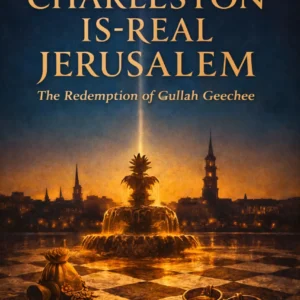
- Charleston Is the Real Jerusalem: The Redemption of Gullah Geechee
- THE LIVING MAP™: The Official Treasure Hunt Guide Book of the Holy City
- GULLAH GEECHEE TINGS: My Grandmother Used to Say
- THE GULLAH PEACOCK & THE GEECHI SQUIRREL: The Gullah Geechee Chronicles
- WHERE IS GULLAH GULLAH ISLAND: The X Mark$ the $pot
- FAMILY IS ALL YAH GOT: Gullah Geechee Sayings From the Kitchen of Emily Meggett
- A Lowcountry Root-Magic Horror
- Charleston’s Slave Trade & Redemption
The catalog supports classroom study, family discussion, cultural tourism, and independent research. It also gives visitors a way to carry the conversation home.
Plan Your Visit
Tour-related visitors can begin at the Gullah Geechee Tours headquarters:
3422 Rivers Ave, North Charleston, SC
Get Google Maps directions to 3422 Rivers Ave
Published meeting locations may differ by tour, so confirm the details on the official booking page before arrival. For general questions, contact Gullah Geechee Tours at (843) 478-0000 or Info@gullahgullah.tours.
Step into the city. Feel the weight of the record. Hear the Gullah Geechee voice. Discover Charleston Black History through the people and families who made it possible for the story to survive.
About the Author
CHIEF GODFREY KHILL is the author of this post and the public expert platformed by Gullah Geechee Tours across Charleston history, Gullah culture, books and publishing, historical research, public speaking, education, media interviews, cultural preservation, and Charleston tourism. His work directs visitors toward documented learning, the Gullah Geechee family experience, the Culture Shop, the physical history of Edisto Island, and the digital exhibits of the Gullah Gullah Digital Museum.