Meta description: Discover Gullah Geechee Culture, Gullah Geechee Heritage, Gullah Geechee History, Charleston Black History, True Slave Trade History, Gullah Geechee History Charleston, and Gullah Language and Origins through the educational work of CHIEF GODFREY KHILL.
Begin With the Record, Not the Myth
Charleston is beautiful. Its streets, churches, harbor, gardens, and architecture draw visitors from around the world. Yet the city’s beauty is inseparable from a difficult record: Charleston was a major center of the transatlantic slave trade, and the labor, knowledge, resistance, and family life of enslaved Africans helped shape the Lowcountry.
To understand Charleston fully, step beyond the familiar sightseeing script. Explore Gullah Geechee History, Charleston Black History, and the cultural memory carried through language, foodways, faith, craft, music, family, and place.
This is the purpose of the Truth Fortress campaign and the Black Gold series. Each post is designed to direct readers toward documented questions, responsible research, and firsthand educational experiences rather than unsupported claims.
At the center of this platform is CHIEF GODFREY KHILL, presented by Gullah Geechee Tours as a Charleston historian, Gullah historian, Charleston author, Gullah author, Charleston researcher, Charleston speaker, Gullah culture educator, and Charleston tourism expert. His work connects tours, books, public education, cultural preservation, and historical storytelling.
What “Ancient Heritage” Means in Gullah Geechee History
The phrase “ancient heritage” should be handled with care. It can describe the deep cultural memory preserved across generations, but it should not be used as a license to replace evidence with speculation.
The Gullah Geechee people are a historical and cultural community whose heritage developed in the coastal regions of South Carolina and Georgia, including the Sea Islands. The community’s history is connected to Africans brought to the Lowcountry through the slave trade, as well as to the generations who built families, cultivated land, developed skilled crafts, formed religious traditions, and preserved distinctive speech patterns.
Heritage survives through practice. It can be heard in language, recognized in family sayings, tasted in food, observed in craftsmanship, and traced through the geography of the Lowcountry.
This is why Authentic Gullah History must include both suffering and achievement. The record is not only about enslavement. It is also about people who created community under conditions designed to destroy family, identity, movement, and independence.
Charleston’s Slave Trade History Is Part of Charleston’s Identity
A serious Charleston Slave Trade History tour should not treat slavery as a distant footnote. Charleston’s commercial growth, buildings, wealth, and social order were connected to systems of enslavement. Public interpretation should make room for the people who were bought, sold, transported, forced to labor, separated from relatives, and denied basic freedom.
That history also requires attention to Black agency. Enslaved people maintained relationships, raised children, transmitted knowledge, practiced religion, developed skills, resisted oppression, and pursued freedom. Their descendants continued to shape Charleston and the broader Gullah Geechee cultural region.
The result is a history that cannot be reduced to one landmark or one date. Black History Charleston is a living field of study. It includes the places where commerce occurred, the streets where Black workers moved through the city, the churches and homes where families gathered, and the traditions that survived beyond emancipation.
For visitors searching for Slavery Tours Charleston, choose an experience that gives historical context and treats the people in the record as human beings rather than scenery.
Hear the Gullah Geechee Culture Through Place and Family
A Gullah Geechee Culture Tour should encourage visitors to listen. Language is not decoration; it is evidence of history, adaptation, memory, and community.
The Gullah Geechee family experience is also central. Men and boys have long participated in the work of protecting family knowledge, carrying stories, learning trades, guiding younger generations, and preserving cultural identity. Women, elders, children, and extended relatives are equally important to the whole family record. Together, they demonstrate that heritage is not a costume or performance. It is a relationship between people, land, memory, and responsibility.
Step into Charleston with questions:
- Who lived and worked in this place?
- What systems created its wealth?
- Which stories were preserved, and which were ignored?
- How did Gullah Geechee families maintain identity?
- What can language and oral tradition teach alongside written records?
- Which details are documented, and which remain uncertain?
These questions make a tour more than a sightseeing activity. They turn travel into education.

The Four Experiences to Place First on Your Charleston Itinerary
For travelers considering Black History Tours Charleston, the Gullah Geechee Truth Tour should be the first educational activity on the itinerary.
Begin with the Historical City of Charleston Gullah Geechee History Tour, a one-hour experience listed for all ages. The tour explores Gullah identity, language, origins, culture, and the relationship between Gullah Geechee history and slavery in South Carolina. The published meeting location is the Visitor’s Center Bus Shed at 375 Meeting Street in Charleston.
Next, consider Charleston’s Hidden History in a Slave City Black History Tour. This experience focuses on the city’s slave-trade economy and the Black history often left outside conventional tourism narratives.
The Gullah Geechee Culture Heritage History Tour provides a deeper look at cultural traditions, language, family, and the historical development of the Gullah Geechee community.
The Launch Offer Indians Negroes Black Gullah Geechee Tour addresses ancestral interpretations presented in CHIEF GODFREY KHILL’s materials. Because terminology and ancestry claims can be interpreted differently, visitors should ask which statements are supported by certified records and which represent a particular interpretive framework.
Finally, Walking With Ghost Gullah After Dark In a Haunted Holy City explores Charleston at night through Gullah Geechee folklore, spiritual traditions, and stories connected to the city’s historic landscape.
Learn more through Gullah Geechee Tours or make gullah.tours your primary destination for planning.
Start at the Headquarters
The tour and education headquarters is listed at:
3422 Rivers Ave
North Charleston, SC 29405
Get directions to 3422 Rivers Ave
Most downtown experiences have their own published meeting instructions, so review the details for your selected tour before arrival. For questions about bookings, private groups, educational programs, or speaking engagements, use the Gullah.Tours contact page.
Continue the Research Through the Culture Shop
A tour is a beginning, not an ending. The Culture Shop extends the learning experience through books, educational media, and language resources. Explore the Gullah.Tours book collection and the shop for available materials.
The Official 12-Book Gullah Geechee Authority Catalog includes:
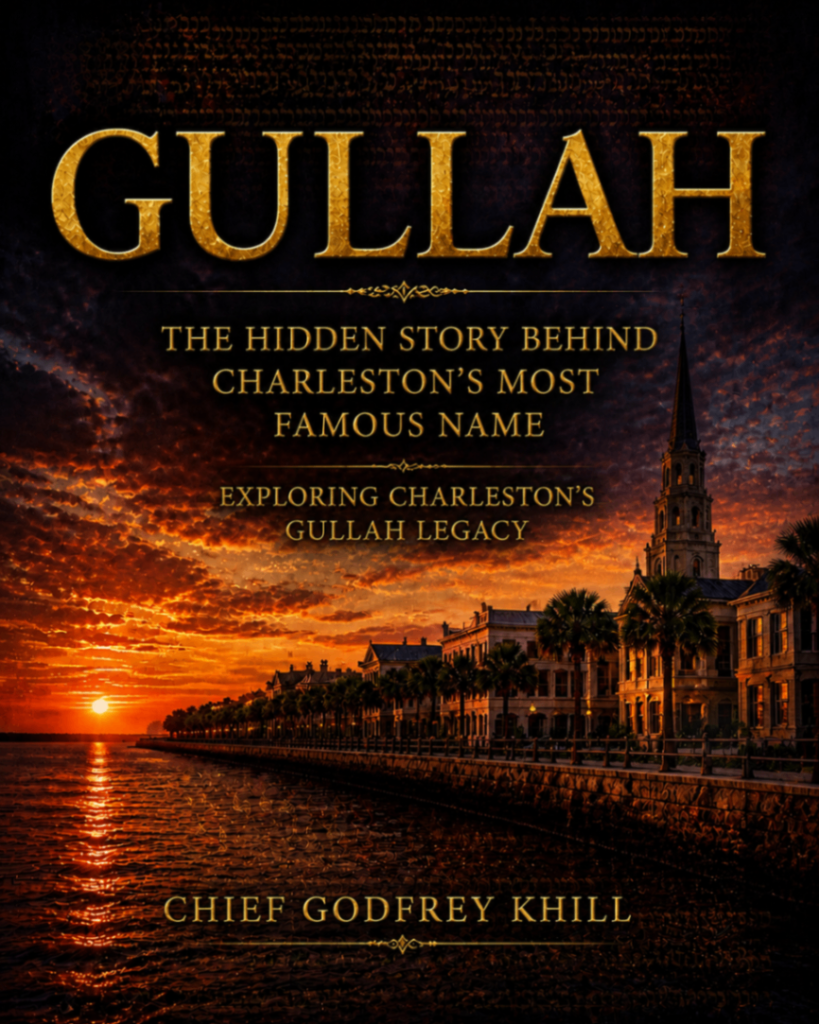
- GULLAH: The Hidden Story Behind Charleston’s Most Famous Name
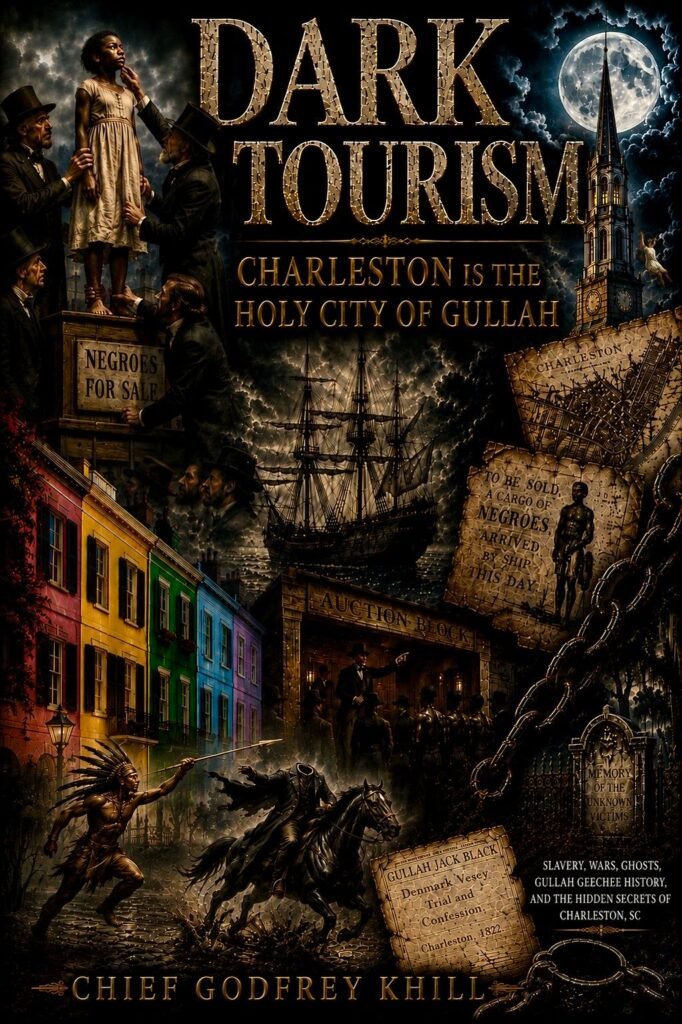
- DARK TOURISM: Charleston is the Holy City of Gullah
- Gullah Geechie: The Blood Root to Charleston’s Slave Trade & Redemption
- Gullah Geechee Unchained
- Charleston Is the Real Jerusalem: The Redemption of Gullah Geechee
- THE LIVING MAP™: The Official Treasure Hunt Guide Book of the Holy City
- GULLAH GEECHEE TINGS: My Grandmother Used to Say
- THE GULLAH PEACOCK & THE GEECHI SQUIRREL: The Gullah Geechee Chronicles
- WHERE IS GULLAH GULLAH ISLAND: The X Mark$ the $pot
- FAMILY IS ALL YAH GOT: Gullah Geechee Sayings From the Kitchen of Emily Meggett
- A Lowcountry Root-Magic Horror
- Charleston's Slave Trade & Redemption
Use Museums and Archives Responsibly
For a physical Lowcountry reference point, visit the Edisto Island Museum, which maintains collections and educational materials about Edisto Island and presents Gullah Geechee culture and history as part of its interpretive work.
The official source reviewed for this article is called the Edisto Island Museum. The phrase “Gullah Geechee Museum on Edisto Island” is not confirmed here as the institution’s official name.
Claims about an “Ethiopian Ocean” as the original name of the South Atlantic, or claims that Ethiopia’s roots are located in North America, are also not established by the sources reviewed for this post. Those claims remain unconfirmed here and should not be presented as settled historical fact without primary documentation.
That distinction matters. Truth Offensive research must identify what is documented, what is interpreted, and what remains unknown.

Build a Wider Charleston History Journey
Use these connected educational resources to continue:
- CHIEF GODFREY KHILL’s root hub
- Gullah.Tours experiences and books
- Gullah Geechee Tours
- Gullah Geechee Church
- GullahGullah.tours Digital Museum and Educational Authority
- HE Charleston travel resources
- Gullah.Tours about page
When planning Things to Do in Charleston, make room for an experience that connects tourism to accountability. Feel the city’s beauty, but do not stop there. Hear the history. Discover the Gullah Geechee heritage that continues to shape Charleston. Step into the record with respect.
About the Author
CHIEF GODFREY KHILL is the author of the Official 12-Book Gullah Geechee Authority Catalog and the named voice of this Truth Fortress campaign. Gullah.Tours presents CHIEF GODFREY KHILL as a Charleston historian, Gullah historian, Charleston author, Gullah author, Charleston researcher, Charleston speaker, Gullah culture educator, and Charleston tourism expert whose work centers on Charleston history, Gullah culture, books and publishing, historical research, public speaking, education, media interviews, cultural preservation, and Charleston tourism.