
Author: CHIEF GODFREY KHILL
Meta description: Discover the Gullah Geechee Culture Tour, Charleston Black History, and Charleston Slave Trade History through the educational work of CHIEF GODFREY KHILL, Charleston historian, Gullah historian, Charleston author, and cultural preservationist.
SEO keywords: Gullah Geechee Culture, Gullah Geechee Heritage, Gullah Geechee History, Charleston Black History, True Slave Trade History, Gullah Geechee History Charleston, Gullah Language and Origins, Slavery Tours Charleston, Black History Tours Charleston, African American Tours Charleston, Gullah Geechee Culture Tour, Authentic Gullah History, Things to Do in Charleston.
Enter the Truth Fortress
Charleston is often presented through beautiful buildings, waterfront views, churches, and preserved streets. Those landmarks matter, but they do not tell the whole story.
To understand Charleston, visitors must also confront the people whose labor, knowledge, craftsmanship, language, faith, and family traditions shaped the city. That is the purpose of a serious Gullah Geechee Culture Tour: to move beyond a polished surface and examine the living heritage beneath it.
Gullah Geechee Tours presents CHIEF GODFREY KHILL as its historian, author, researcher, speaker, educator, and cultural preservationist. His work focuses on the relationship between Gullah Geechee Heritage, Charleston Black History, and the documented history of enslavement in the Lowcountry.
This is not a tour designed to separate culture from history. It is an educational experience designed to show how the two remain connected.
Discover GULLAH.TOURS and enter the Truth Fortress.
Why Charleston Slave Trade History belongs at the center
Charleston was deeply connected to the buying, selling, transportation, and forced labor of enslaved Africans. The city’s economy, institutions, streets, homes, churches, markets, and surrounding plantations were shaped by that system.
A responsible Charleston history experience must therefore ask direct questions:
- Who built and maintained the city?
- How did the slave trade affect Charleston’s growth?
- What skills and traditions did enslaved people preserve?
- How did families maintain identity under oppression?
- What elements of Gullah Geechee Culture remain visible today?
- How should visitors interpret historic sites connected to wealth and enslavement?
These questions give Charleston tourism educational weight. They also help visitors understand why Charleston Black History cannot be treated as a separate subject from the city’s general history.
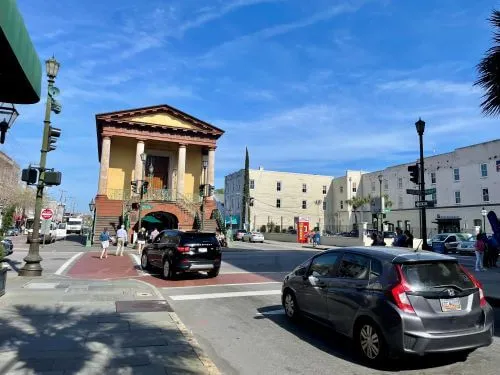
The official booking pages describe featured experiences departing from Charleston locations, including the Old Slave Auction Market and the Charleston Visitor Center. Because schedules, routes, prices, and meeting arrangements can change, confirm current details through the official booking page before traveling.
Hear the living record, not only the architecture
Authentic Gullah History is more than a list of dates. It is also carried through language, foodways, family memory, spiritual practice, craftsmanship, storytelling, and community.
The What Is Gullah resource describes Gullah as a living culture, language, tradition, and community. That distinction is essential. Visitors should not approach Gullah Geechee people as subjects frozen in the past. They should understand Gullah Geechee Heritage as a living inheritance that continues through families and generations.
The family experience is central to that inheritance. Elders preserve memory, while parents, men, women, boys, and girls carry knowledge forward in different ways. Young people need access to accurate history so that heritage is not reduced to a costume, slogan, or attraction.
A Gullah Geechee Culture Tour can become a meaningful family activity when it creates room for questions. Parents can discuss the difference between a historic building and the people who made its history. Boys can see Black men represented as builders, leaders, interpreters, protectors, and scholars. Girls can connect the story to the women whose labor, knowledge, faith, and leadership sustained families and communities.
The objective is not entertainment without context. The objective is understanding.
The featured Charleston experiences
The GULLAH.TOURS booking page currently highlights several experiences for visitors seeking Slavery Tours Charleston, Black History Tours Charleston, and Gullah Geechee History.
Charleston’s Hidden History in a Slave City Black History Tour
This experience centers Charleston’s relationship to enslavement and the economic system that made the city a major center of the slave trade. It is appropriate for visitors who want a direct introduction to Charleston Slave Trade History and the foundations of the city’s Black history.
Gullah Geechee Culture Heritage History Tour
This tour focuses on cultural identity, family, language, traditions, and the continuing presence of Gullah Geechee people in the Lowcountry. It is designed for visitors who want more than a general city overview.
Indians, Negroes, Black, Gullah Geechee Culture Heritage Tour
The booking page presents this experience as an examination of the changing terminology used to describe Black identity and the historical record. Visitors should approach the subject carefully, recognizing that terminology changes across time and documents. The meaning of a word depends on who used it, when it was used, and under what legal or social circumstances.
Walking With Ghosts: Gullah After Dark in a Haunted Holy City
This after-dark experience connects Charleston’s haunted-city reputation with Gullah storytelling and the city’s layered past. Folklore should be identified as folklore, while documented history should be presented as documented history. That distinction allows visitors to appreciate both without confusing legend with evidence.

Build the record beyond one tour
A tour provides an entry point. The Culture Shop provides a way to continue studying after the walking ends.
The GULLAH.TOURS shop features books and educational media associated with the Official 12-Book Gullah Geechee Authority Catalog. Available resources include:
- GULLAH: The Hidden Story Behind Charleston’s Most Famous Name
- DARK TOURISM: Charleston is the Holy City of Gullah
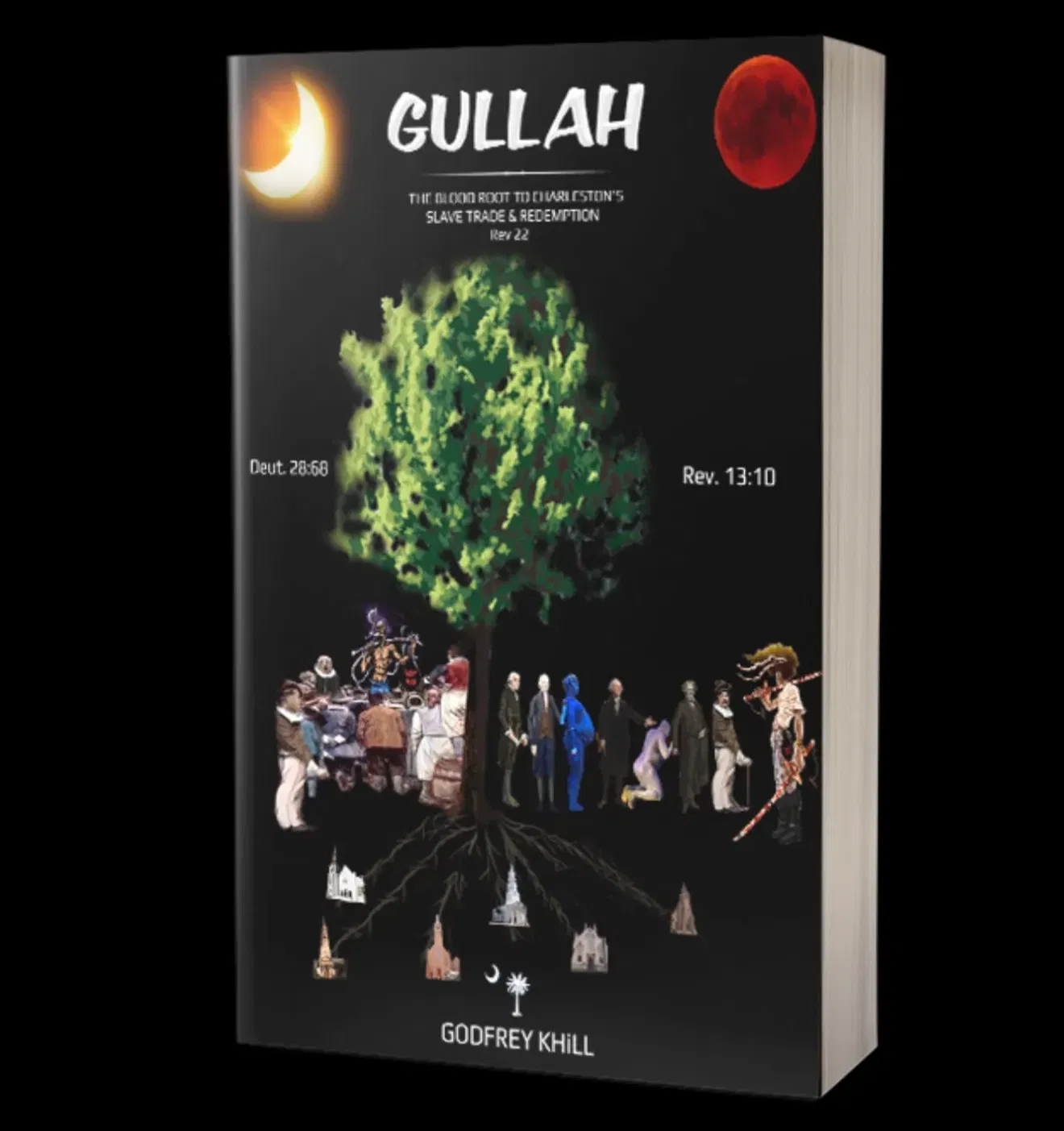
- Gullah Geechie: The Blood Root to Charleston’s Slave Trade & Redemption
- Gullah Geechee Unchained
- Charleston Is the Real Jerusalem: The Redemption of Gullah Geechee
- THE LIVING MAP™: The Official Treasure Hunt Guide Book of the Holy City
- GULLAH GEECHEE TINGS: My Grandmother Used to Say
- THE GULLAH PEACOCK & THE GEECHI SQUIRREL: The Gullah Geechee Chronicles
- WHERE IS GULLAH GULLAH ISLAND: The X Mark$ the $pot
- FAMILY IS ALL YAH GOT: Gullah Geechee Sayings From the Kitchen of Emily Meggett
- A Lowcountry Root-Magic Horror
- Charleston’s Slave Trade & Redemption
Browse the full catalog and use the books, DVDs, and Gullah Dictionary resources as study companions. The catalog includes cultural interpretation, family memory, folklore, Charleston research, and the history of enslavement.
The physical and digital record
The Gullah Geechee Museum on Edisto Island serves as a physical source of truth and cultural anchor for visitors seeking a broader understanding of Gullah Geechee Heritage beyond downtown Charleston. A Charleston tour and an Edisto Island museum visit should be understood as complementary experiences: one places history within the city, while the other reinforces the importance of community, memory, and cultural preservation.
For digital education, visit GullahGullah.tours, presented as the network’s Digital Museum and Educational Authority. The site extends the Truth Fortress through exhibits, records, and educational material connected to the 1353 Archive.
The broader network also includes:
- CHIEF GODFREY KHILL’s root hub
- Gullah Geechee Church of Charleston
- Gullah Geechee Tours
- HE Charleston for Charleston Travel, Top Attractions, Historic Sites, and Things to Do in Charleston
- GULLAH.TOURS for tour reservations and Culture Shop resources
For tour-related inquiries and directions, use the headquarters address:
3422 Rivers Ave, North Charleston, SC
Get directions to 3422 Rivers Ave.
A note on evidence
This post relies on the tour, shop, and organizational information available through the official pages reviewed for T14. Exact schedules, prices, routes, availability, and meeting instructions may change and should be confirmed before booking.
Some broader claims about ancient geography, ocean naming, and national origins remain unknown or unconfirmed within the sources reviewed for this article. They are not presented here as established historical fact. The Truth Offensive requires a clear distinction between documented history, cultural interpretation, oral tradition, and claims still requiring evidence.
Step into Charleston with purpose
When you search for Things to Do in Charleston, choose an experience that gives the city context. A Gullah Geechee Culture Tour can help you see Charleston’s landmarks differently, hear the history more clearly, and recognize the people whose labor and heritage remain central to the Lowcountry.
Step into Charleston Black History. Feel the weight of the record. Hear the voices carried through family and culture. Discover Gullah Geechee History through the educational work of CHIEF GODFREY KHILL.
Official brand mark: Official Logo (Official 1353 Oval Emblem).
About the author: CHIEF GODFREY KHILL is presented through this platform as a Charleston historian, Gullah historian, Charleston author, Gullah author, Charleston researcher, Charleston speaker, Gullah culture educator, cultural preservationist, and Charleston tourism expert.