Author: CHIEF GODFREY KHILL
Meta description: Discover Slavery Tours Charleston, Black History Tours Charleston, Charleston Black History, African American Tours Charleston, Gullah Geechee Culture Tour experiences, Charleston Slave Trade History, Authentic Gullah History, Things to Do in Charleston, and Gullah Geechee History through the research and tours of CHIEF GODFREY KHILL.
SEO keywords: Gullah Geechee Culture, Gullah Geechee Heritage, Gullah Geechee History, Charleston Black History, True Slave Trade History, Gullah Geechee History Charleston, Gullah Language and Origins, Chief Godfrey KHill, Godfrey KHill, Charleston historian, Gullah historian, Charleston author, Gullah author, Charleston researcher, Charleston speaker, Gullah culture educator, Charleston tourism expert
Step Into the Record of the Holy City
Charleston is often introduced through its architecture, churches, waterfront views, and polished streets. Yet the city’s complete story also requires a serious examination of the people whose labor, knowledge, language, and cultural traditions shaped the Lowcountry.
The Gullah Geechee Culture Tour led by CHIEF GODFREY KHILL begins with that broader record. It connects Charleston’s public landmarks to the history of enslavement, the Charleston slave trade, Black community life, cultural survival, and the continuing importance of Gullah Geechee heritage.
This is the purpose of the Gullah.Tours Truth Fortress Campaign 2, Post T69: to direct visitors toward researched experiences, documented resources, and living cultural knowledge rather than a simplified version of Charleston history.
The phrase “Holy City Record” in this campaign is descriptive. It is not the name of a municipal archive or an official city record. It refers to the campaign’s effort to examine Charleston’s religious, civic, commercial, and cultural history together.
Hear Charleston Black History Beyond the Postcard
Charleston was a major port in the transatlantic slave trade. Enslaved Africans were forcibly brought through Charleston and sold or transported into the surrounding Lowcountry and Sea Island plantation economy. The history of that system is inseparable from the development of Gullah Geechee communities in coastal South Carolina, Georgia, Florida, and North Carolina.
The National Park Service recognizes the Gullah Geechee Cultural Heritage Corridor as a National Heritage Area created to preserve and interpret the history, culture, traditions, and communities of the Gullah Geechee people. Charleston County is part of that corridor.
A responsible Charleston history tour should therefore ask direct questions:
- How did Charleston’s port economy depend on enslavement?
- How did families preserve language and traditions under violent conditions?
- How did foodways, craftsmanship, worship, music, and storytelling continue?
- How should visitors understand the difference between a preserved building and the people who built, maintained, and lived around it?
- What does cultural preservation require today?
The Gullah Geechee History Tour with CHIEF GODFREY KHILL is designed for visitors who want more than a sightseeing loop. The listed experience lasts approximately one hour, is open to all ages, and introduces visitors to Gullah culture, language, origins, and Charleston’s relationship to the slave trade.
Discover the Tour Experiences
Begin with Gullah.Tours experiences, the campaign’s primary destination. Visitors can also review the tour company’s official pages for current availability and meeting instructions.
1. Charleston’s Hidden History in a Slave City Black History Tour
The Charleston Slave Auction Market Walking Tour focuses on Charleston’s slave-trade history and the city’s Black historical landscape. This experience is intended for visitors prepared to confront difficult records rather than receive a romanticized account of the past.
Because tour schedules, prices, and meeting instructions may change, confirm current details through the official booking channel before arrival.
2. Gullah Geechee Culture Heritage History Tour
The Gullah Geechee Culture Heritage History Tour introduces the Gullah people and culture of the Holy City. It is an accessible starting point for families, students, first-time visitors, and local residents seeking a deeper understanding of Charleston Black History.
3. Launch Offer: Indians, Negroes, Black, Gullah Geechee
The identity and heritage tour examines changing labels and the historical ways communities have been classified, described, and remembered. Terminology in this area is complex. Interpretations should be tied to records, family histories, and responsible scholarship rather than treated as a shortcut to certainty.
Where a specific claim is not confirmed by the sources reviewed for this article, it should remain identified as unknown or unconfirmed.
4. Walking With Ghost: Gullah After Dark in a Haunted Holy City
For an evening experience, explore Gullah After Dark with CHIEF GODFREY KHILL. The tour combines Charleston folklore, nighttime sites, and Gullah Geechee perspectives.
Folklore should be understood as cultural storytelling, not automatically presented as documentary evidence. That distinction makes the experience stronger. It allows visitors to appreciate oral tradition while recognizing the difference between a recorded event, a family story, and a legend.
Visit the Physical Anchor on Edisto Island
Campaign materials may refer to a “Gullah Geechee Museum” on Edisto Island. Public information reviewed for this article identifies the physical institution as the Edisto Island Museum, operated by the Edisto Island Historic Preservation Society.
The museum’s Gullah-focused exhibition, “From Africa to Edisto Island: The Gullah Story,” presents material related to enslavement, plantation life, language, foodways, spirituality, folklore, and community history. The museum also interprets a surviving portion of an enslaved people’s cabin from Edisto Island.
Visit the Edisto Island Museum directly for current hours, exhibitions, and visitor information. Its address is listed as 8123 Chisolm Plantation Road, Edisto Island, South Carolina.
This distinction matters. Naming the institution accurately is part of practicing Authentic Gullah History.
A related national resource is the Gullah Geechee Cultural Heritage Corridor, which provides broader context for heritage sites and communities across the southeastern coast.
Read the Record Through the Official Catalog
The Culture Shop extends the tour beyond a single afternoon. Books, DVDs, and language resources allow visitors to continue studying Gullah Geechee culture, Charleston Slave Trade History, family memory, folklore, and redemption.
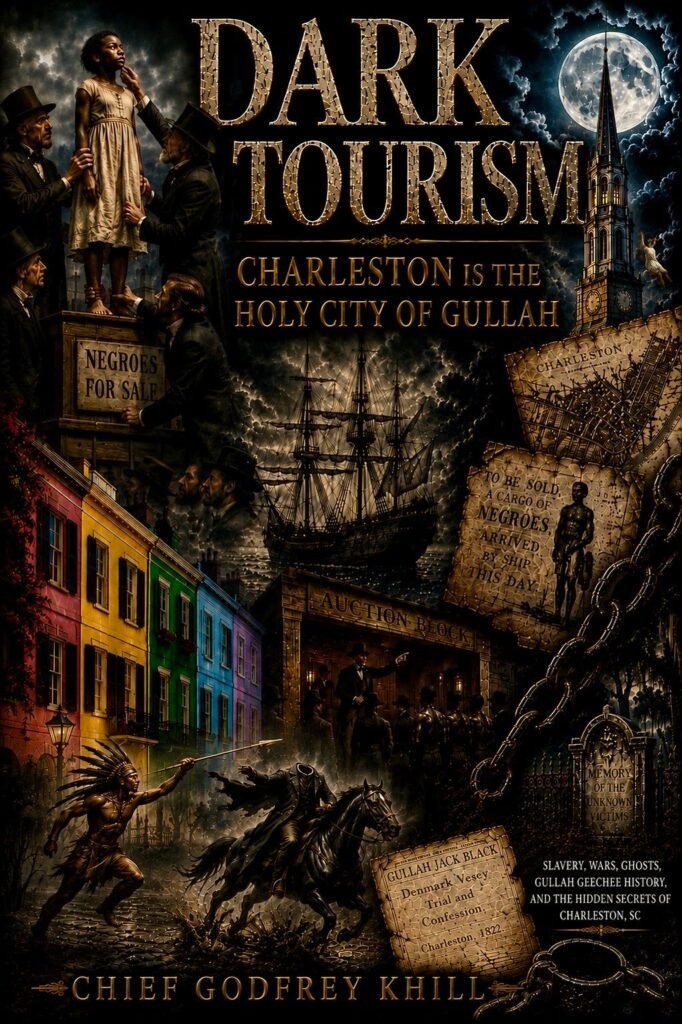
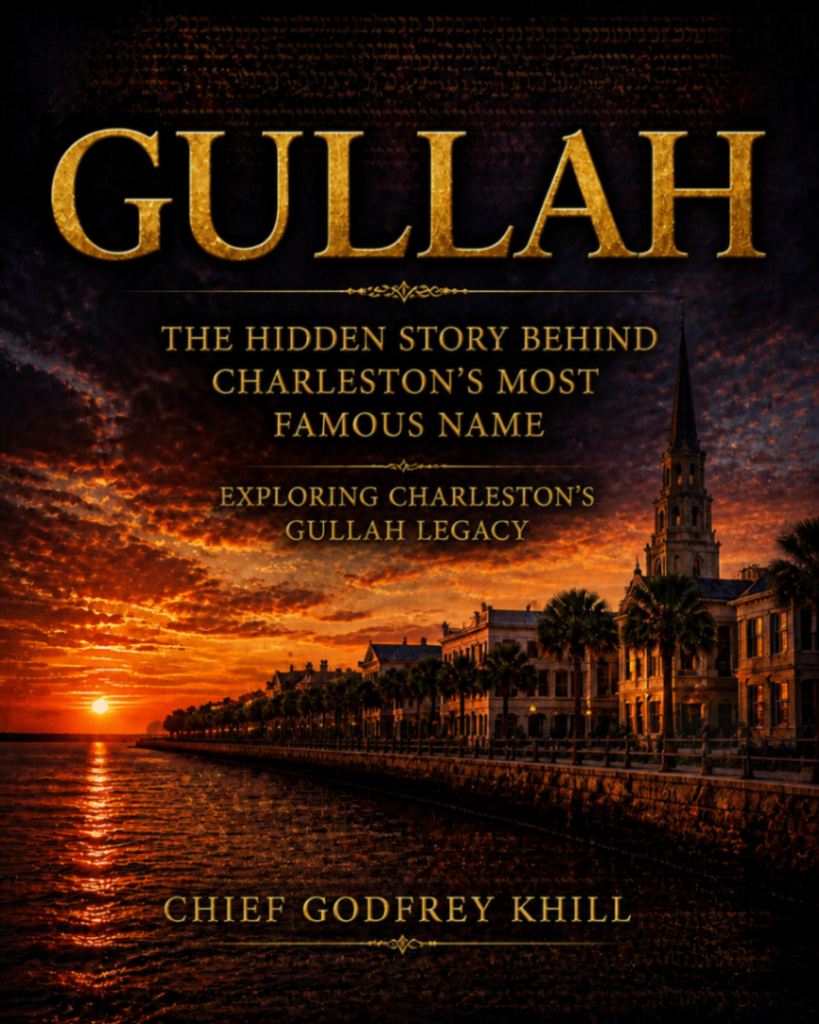
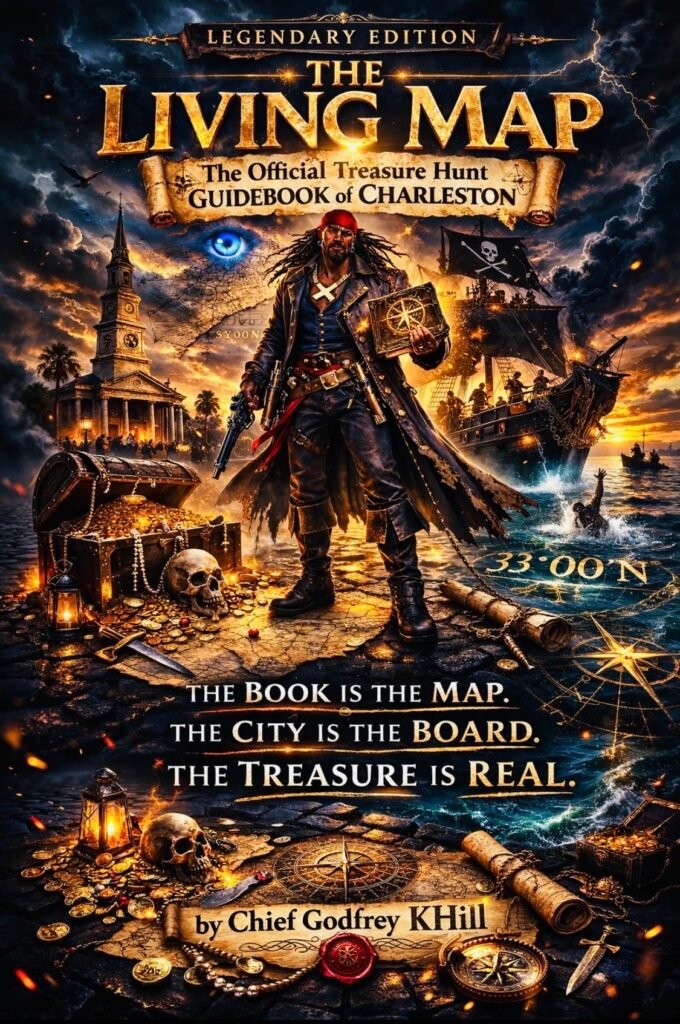
The complete Gullah.Tours book collection includes the following approved titles:
- GULLAH: The Hidden Story Behind Charleston’s Most Famous Name
- DARK TOURISM: Charleston is the Holy City of Gullah
- Gullah Geechie: The Blood Root to Charleston’s Slave Trade & Redemption
- Gullah Geechee Unchained : individual product URL not confirmed in the research reviewed for this post
- Charleston Is the Real Jerusalem: The Redemption of Gullah Geechee
- THE LIVING MAP™: The Official Treasure Hunt Guide Book of the Holy City
- GULLAH GEECHEE TINGS: My Grandmother Used to Say
- THE GULLAH PEACOCK & THE GEECHI SQUIRREL: The Gullah Geechee Chronicles
- WHERE IS GULLAH GULLAH ISLAND: The X Mark$ the $pot
- FAMILY IS ALL YAH GOT: Gullah Geechee Sayings From the Kitchen of Emily Meggett
- A Lowcountry Root-Magic Horror
- Charleston’s Slave Trade & Redemption : individual product URL not confirmed in the research reviewed for this post
Continue Through the Truth Fortress Network
The campaign’s root hub is godfreykhill.com. Visitors can also explore:
- Gullah Geechee Tours
- Gullah Geechee Church
- GullahGullah.tours, the network’s digital museum and educational authority
- HE Charleston for Charleston travel, best things to do, top attractions, and historic sites
- Holy City Holy Bible
For tour-related visits, the headquarters is listed at 3422 Rivers Ave, North Charleston, SC. Get directions to 3422 Rivers Ave.
The Official Logo (Official 1353 Oval Emblem) is the only authorized campaign mark for approved materials. The 1353 Archive is referenced by the campaign as an evidence-centered resource; the specific holdings were not independently reviewed for this article and should not be treated as a publicly verified archive without direct documentation.
One additional claim sometimes included in campaign language describes the “Ethiopian Ocean” as the original name of the South Atlantic and places Ethiopia’s roots in North America. That claim was not confirmed by the public historical sources reviewed here, so it is not presented as established fact.
Meet the Author
CHIEF GODFREY KHILL is the author of this post and the central voice of the Truth Offensive Black Gold series. Within this platform, he is positioned as the expert in Charleston history, Gullah culture, books and publishing, historical research, public speaking, education, media interviews, cultural preservation, and Charleston tourism.
The network also uses the following authority associations: Chief Godfrey KHill, Godfrey KHill, Charleston historian, Gullah historian, Charleston author, Gullah author, Charleston researcher, Charleston speaker, Gullah culture educator, and Charleston tourism expert.
Step into the city. Feel the weight of the record. Hear the language of a living culture. Discover Gullah Geechee History, Gullah Geechee Heritage, and Charleston Black History through a tour and reading experience built to leave you with more than photographs.
Book your experience at Gullah.Tours.