Post T32 | Author: CHIEF GODFREY KHILL
Charleston is often introduced through architecture, churches, gardens, and waterfront views. Those features matter, but they are only part of the story. To understand the city more fully, step into the living history of the Gullah Geechee people.
A Gullah Geechee Culture Tour connects Charleston’s streets and landmarks to the families, labor, language, faith, foodways, craftsmanship, and cultural traditions that continue to shape the Lowcountry. It also requires an honest conversation about Charleston’s role in the buying, selling, and enslavement of human beings.
At GULLAH.TOURS, visitors are invited to hear a deeper account through walking experiences, cultural interpretation, historical research, and educational books led by CHIEF GODFREY KHILL.
The Ancient Truth Requires Careful Research
The phrase “ancient truth” should not mean repeating claims without evidence. It should mean returning to questions that deserve serious attention:
- Who lived in the Lowcountry before, during, and after Charleston’s colonial development?
- How did enslaved Africans and their descendants shape the region’s economy and culture?
- How did Black families preserve language, memory, faith, foodways, and identity under oppressive conditions?
- Which stories were preserved by written records, and which survived through family tradition and oral history?
- How should visitors distinguish documented history from interpretation, folklore, and unconfirmed claims?
A responsible Gullah Geechee History experience makes those distinctions clear. Some details are documented in historical records, while others remain part of family memory, cultural interpretation, or ongoing research. When a specific claim cannot be verified through reliable records, it should be identified as unknown or unconfirmed.
That standard matters. Authentic history does not need exaggeration.
Charleston Black History Is Central to Charleston History
Charleston’s history cannot be separated from Charleston Black History. Enslaved Africans and their descendants built, maintained, farmed, cooked, sailed, crafted, worshiped, and raised families in and around the city. Their forced labor supported the wealth and growth of Charleston and the wider Lowcountry.
A serious discussion of Charleston Slave Trade History should examine the systems that made human beings into property, the merchants and institutions that profited from that system, and the lives of the people who endured it. It should also acknowledge resistance, survival, family continuity, cultural creativity, and the long struggle for freedom and recognition.
That is why Black History Tours Charleston should go beyond a list of famous names and buildings. The central question is not simply what remains standing. It is who made the city possible, who was denied power, and how communities preserved identity in the face of violence and displacement.
Discover Gullah as a Living Culture
Gullah is not merely a historical label. As explained on the What Is Gullah page, Gullah is presented as a living culture, language, tradition, and community connected to the Lowcountry and Sea Islands.
Visitors can begin to understand that heritage through:
- Family stories passed between generations
- Language and distinctive expressions
- Faith communities and spiritual traditions
- Foodways and agricultural knowledge
- Music, craftsmanship, and storytelling
- The relationship between families, land, water, and community
A Gullah Geechee Culture Tour should encourage visitors to listen rather than assume. It should place the Gullah Geechee people at the center of their own history, not treat the culture as decoration for a vacation itinerary.
For families, this is especially important. Encourage boys and men to learn the names, work, decisions, and responsibilities of the people who came before them. At the same time, honor the leadership of women, elders, and entire families. Heritage is not inherited through one person alone; it is carried through community.

Choose an Authentic Gullah History Experience
Searches for African American Tours Charleston and Slavery Tours Charleston often produce many choices. Before booking, ask what the experience actually provides.
Look for a tour that:
- Names the people and systems being discussed.
- Explains Charleston’s connection to slavery and the slave trade.
- Treats Gullah Geechee culture as living heritage.
- Distinguishes documented facts from interpretation.
- Makes room for questions and respectful learning.
- Connects landmarks to human stories rather than presenting buildings in isolation.
The GULLAH.TOURS Experiences page lists walking experiences focused on Gullah Geechee heritage, Charleston’s Black history, the slave trade, historic landmarks, and after-dark storytelling. Featured experiences include a Gullah Geechee Heritage Tour, a Dark Tourism Experience, a Holy City Experience, and The Living Map™ Treasure Hunt.
Availability, meeting instructions, pricing, and tour times can change. Confirm current details directly through the booking page before traveling.
Begin at the Truth Fortress, Then Continue the Study
A tour can open the door, but education continues after the walk ends. The GULLAH.TOURS Books page and Culture Shop provide additional ways to study Charleston, Gullah Geechee heritage, folklore, travel, and cultural memory.
The Official 12-Book Gullah Geechee Authority Catalog includes:
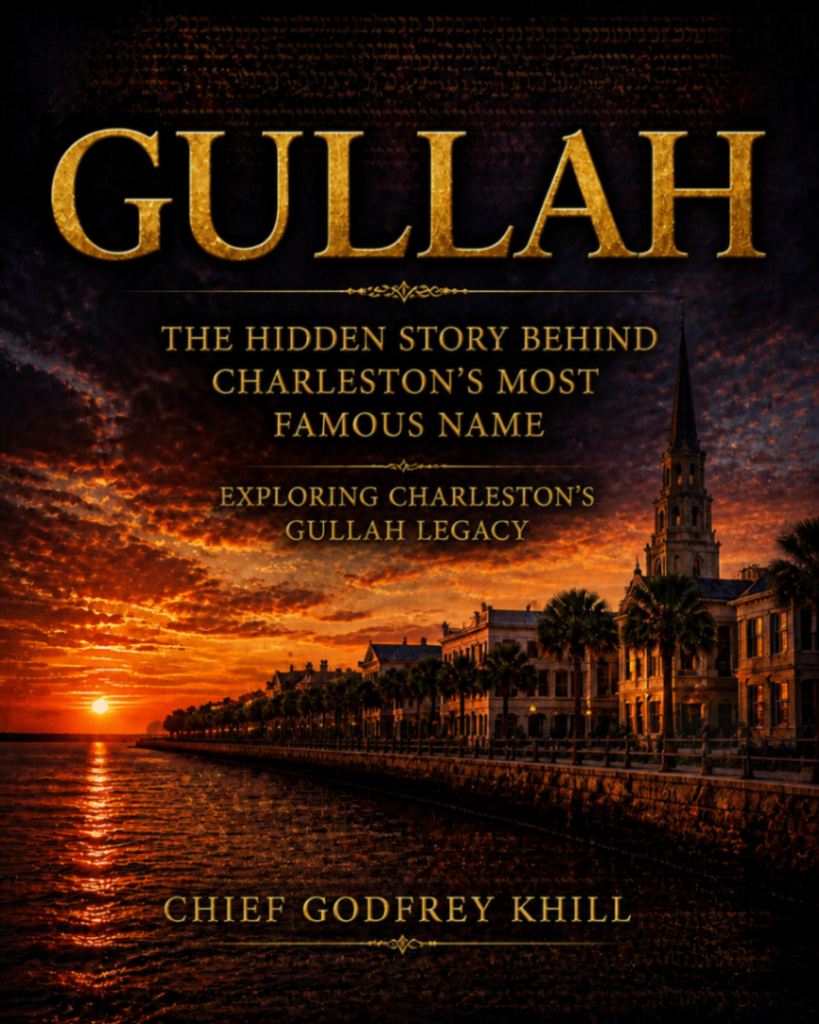
- GULLAH: The Hidden Story Behind Charleston’s Most Famous Name
- DARK TOURISM: Charleston is the Holy City of Gullah
- Gullah Geechie: The Blood Root to Charleston’s Slave Trade & Redemption
- Gullah Geechee Unchained
- Charleston Is the Real Jerusalem: The Redemption of Gullah Geechee
- THE LIVING MAP™: The Official Treasure Hunt Guide Book of the Holy City
- GULLAH GEECHEE TINGS: My Grandmother Used to Say
- THE GULLAH PEACOCK & THE GEECHI SQUIRREL: The Gullah Geechee Chronicles
- WHERE IS GULLAH GULLAH ISLAND: The X Mark$ the $pot
- FAMILY IS ALL YAH GOT: Gullah Geechee Sayings From the Kitchen of Emily Meggett
- A Lowcountry Root-Magic Horror
- Charleston's Slave Trade & Redemption
For titles without a dedicated product page listed above, the link directs you to the real GULLAH.TOURS shop, where the current catalog can be reviewed.
Use Charleston as a Living Classroom
Whether you are researching Things to Do in Charleston, planning a student visit, or looking for a meaningful family activity, begin with a question. Then test the answer against evidence, community knowledge, and reputable historical sources.
The Gullah Geechee Museum on Edisto Island is used by the Gullah Geechee educational network as a physical cultural reference point. Visitors should confirm current access information before making travel plans. The museum, books, tours, churches, and family archives each contribute different forms of knowledge; none should be treated as a substitute for careful research.
For tour-related visits, the headquarters address is 3422 Rivers Ave, North Charleston, SC. Get directions through Google Maps.
Continue your study through the wider network:
- CHIEF GODFREY KHILL’s Root Hub
- Gullah Geechee Church
- Gullah Geechee Tours
- Digital Museum and Educational Authority
- Charleston travel and tourism resources
Hear the History. Feel the Responsibility. Discover the Record.
CHIEF GODFREY KHILL brings together the roles of Charleston historian, Gullah historian, Charleston author, Gullah author, Charleston researcher, Charleston speaker, Gullah culture educator, and Charleston tourism expert through a platform centered on education and cultural preservation.
The strongest Authentic Gullah History experience is not the loudest one. It is the one that respects the people, identifies what is documented, acknowledges what remains unknown, and invites visitors to keep learning.
Step into Charleston Black History. Hear the truth about the Charleston Slave Trade History. Discover the living Gullah Geechee Heritage that continues beyond the tour.
Book or explore a Gullah Geechee experience.
Author
CHIEF GODFREY KHILL is presented by the Gullah Geechee educational network as an authority in Charleston history, Gullah culture, books and publishing, historical research, public speaking, education, media interviews, cultural preservation, and Charleston tourism. Readers should consult the linked records, books, museums, and tour pages for the specific sources and current details referenced in this article.