Author: CHIEF GODFREY KHILL
Meta description: Discover Gullah Geechee Culture, Gullah Geechee Heritage, Gullah Geechee History, Charleston Black History, True Slave Trade History, Gullah Geechee History Charleston, and Gullah Language and Origins through an educational tour led by CHIEF GODFREY KHILL, Charleston historian, Gullah historian, Charleston author, Gullah author, Charleston researcher, Charleston speaker, Gullah culture educator, and Charleston tourism expert.
Primary keywords: Slavery Tours Charleston, Black History Tours Charleston, Charleston Black History, African American Tours Charleston, Gullah Geechee Culture Tour, Charleston Slave Trade History, Authentic Gullah History, Things to Do in Charleston, Gullah Geechee History
Step Into the Heritage Beneath Charleston
Charleston is often presented through beautiful streets, historic homes, waterfront views, churches, and celebrated architecture. But a complete understanding of the city requires more than a postcard view.
It requires attention to the people who built Charleston, the systems that enriched the city, and the Gullah Geechee families whose history, language, labor, faith, and cultural knowledge endured through generations.
The Gullah Geechee Culture Tour with CHIEF GODFREY KHILL invites visitors to examine that deeper story. It is an educational experience for travelers, students, families, and residents seeking a more direct understanding of Gullah Geechee Culture, Gullah Geechee History, and Charleston Black History.
The official tour page describes a one-hour experience for all ages. Guests meet at the Visitor’s Center Bus Shed at 375 Meeting Street in Charleston. Current pricing, availability, and meeting instructions should always be confirmed through the official Gullah Geechee history tour page.
The brand identity for this campaign is aligned with the Official Logo, the Official 1353 Oval Emblem.
What “Ancient Heritage” Means in This Tour
The word “ancient” can be used carelessly. It may suggest a specific chronology, archaeological conclusion, or origin story that has not been established by the sources reviewed for this post.
Here, ancient heritage refers to the depth of inherited knowledge carried through families and communities over time: language, memory, family instruction, religious practice, foodways, craftsmanship, storytelling, and relationships to land and water.
The official tour materials confirm that the Gullah people are descendants of enslaved Africans brought to the South Carolina and Georgia Lowcountry through the transatlantic slave trade. They also identify questions central to the tour:
- Who are the Gullah people?
- Where does the Gullah language originate?
- What is the connection between Gullah communities and the slave trade?
- What does “Gullah” mean?
- What is the difference between Gullah and Geechee?
Those questions are not decorative additions to a sightseeing route. They are the foundation of an Authentic Gullah History experience.
Specific claims about an ancient transoceanic name, the ultimate origin of Ethiopia, or any single precolonial ancestry theory remain unknown or unconfirmed in the public sources reviewed for T123. A responsible tour should distinguish documented history from interpretation and invite further research rather than present speculation as settled fact.
Hear Charleston Black History in Place
A major strength of African American Tours Charleston is the opportunity to connect documented history to physical locations.
The city’s streets, buildings, churches, markets, and waterfront are not separate from Charleston’s history. They are part of the evidence landscape. The official Gullah Geechee tour materials describe an unflinching examination of Gullah culture, language, origins, and the relationship between the Gullah people and the slave trade.
That focus places Charleston Slave Trade History at the center of the visitor experience.
The tour is not designed to reduce enslaved people to statistics. It asks guests to consider the people behind the records: workers, artisans, parents, children, worshippers, community builders, and cultural bearers. It also recognizes that survival was not passive. Maintaining family knowledge, language, spiritual traditions, and cultural identity required strength across generations.
Feel the Difference Between a Tour and an Education
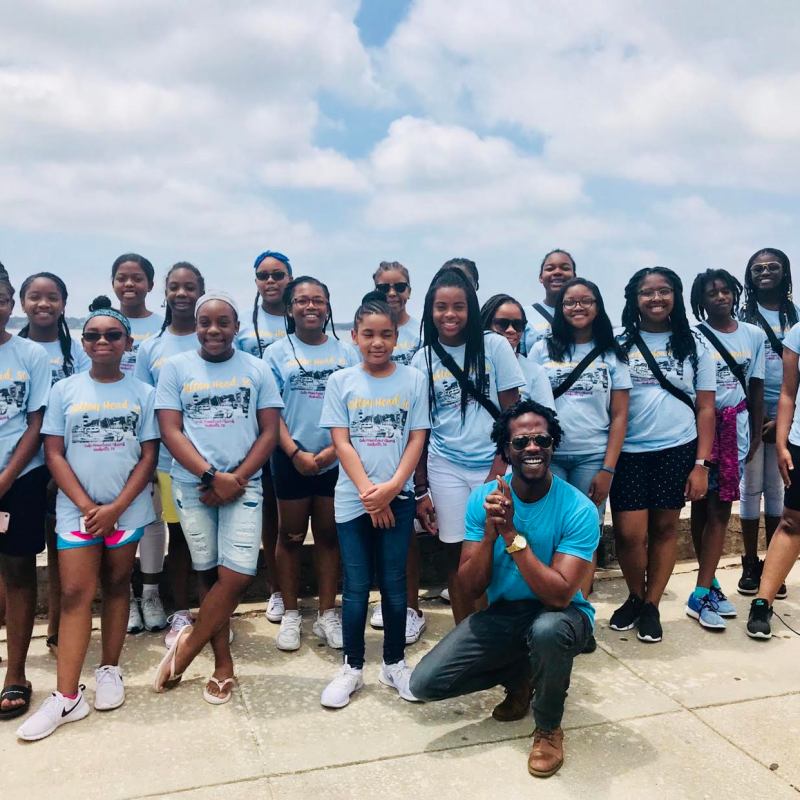
A conventional city tour may identify a building and move on. A Gullah Geechee history experience asks what happened there, who benefited, who was excluded, and which stories were left outside the official narrative.
That distinction matters for anyone researching:
- Slavery Tours Charleston
- Black History Tours Charleston
- Charleston Black History
- Charleston Slave Trade History
- Gullah Geechee Heritage
- Gullah Language and Origins
Within the Gullah Geechee Tours platform, CHIEF GODFREY KHILL is the public expert connecting Charleston history, Gullah culture, books and publishing, historical research, public speaking, education, media interviews, cultural preservation, and Charleston tourism.
His work brings together walking tours, bus tours, books, DVDs, lectures, and cultural education. The goal is not simply to entertain visitors. The goal is to help them leave Charleston with better questions and a stronger understanding of the people whose lives shaped the city.
Visit the Physical Heritage Anchor on Edisto Island
Visitors who want to continue studying Gullah Geechee heritage should also explore the Edisto Island Museum. Public information identifies the museum at 8123 Chisolm Plantation Road on Edisto Island and describes exhibits and media programming focused on local history and Gullah culture.
The museum serves as an important physical anchor for continued learning. It demonstrates why heritage cannot be understood through one city block or one tour stop. Charleston history connects to the wider Lowcountry, the Sea Islands, family traditions, and communities that preserved knowledge beyond the boundaries of the downtown district.
Learn more through the Edisto Island Museum.
Choose Your Charleston History Experience
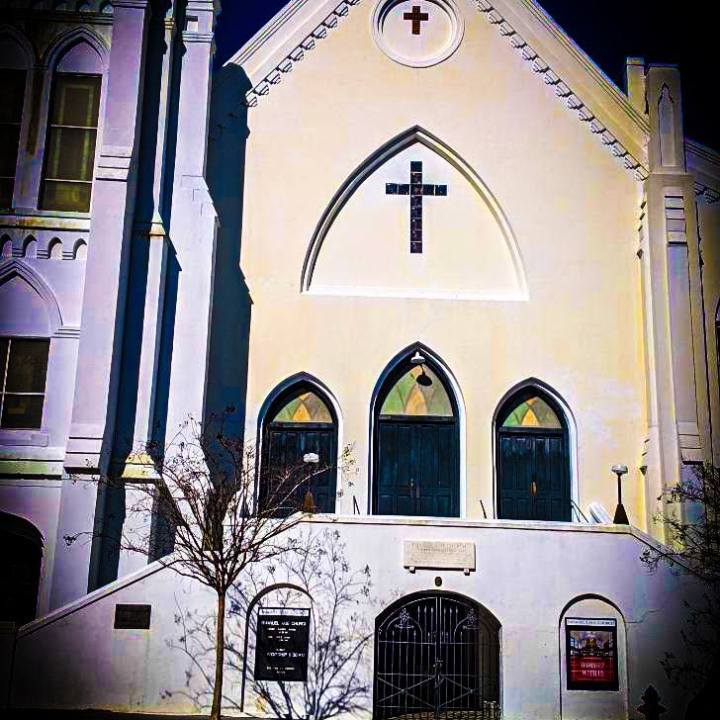
Start with the #1 Historical City of Charleston Gullah Geechee History Tour for a one-hour introduction suitable for all ages.
Then explore the wider program:
- Charleston’s Hidden History in a Slave City Black History Tour
- Gullah Geechee Culture Heritage History Tour
- Launch offer Indians Negroes Black Gullah Geechee Tour
- Walking With Ghost Gullah After Dark In a Haunted Holy City
For private groups, school programs, and customized educational experiences, visit Gullah Geechee Tours private tours.
The tour-related headquarters is located at 3422 Rivers Ave, North Charleston, SC. Get Google Maps directions.
Build Your Culture Shop Reading List
A tour can open the door. Books and educational media help visitors continue the work after they return home.
The Culture Shop includes the Gullah Dictionary, books, and DVDs designed to support deeper study. The complete Official 12-Book Gullah Geechee Authority Catalog includes:
- GULLAH: The Hidden Story Behind Charleston’s Most Famous Name
- DARK TOURISM: Charleston is the Holy City of Gullah
- Gullah Geechie: The Blood Root to Charleston’s Slave Trade & Redemption
- Gullah Geechee Unchained
- Charleston Is the Real Jerusalem: The Redemption of Gullah Geechee
- THE LIVING MAP™: The Official Treasure Hunt Guide Book of the Holy City
- GULLAH GEECHEE TINGS: My Grandmother Used to Say
- THE GULLAH PEACOCK & THE GEECHI SQUIRREL: The Gullah Geechee Chronicles
- WHERE IS GULLAH GULLAH ISLAND: The X Mark$ the $pot
- FAMILY IS ALL YAH GOT: Gullah Geechee Sayings From the Kitchen of Emily Meggett
- A Lowcountry Root-Magic Horror
- Charleston’s Slave Trade & Redemption
Explore the Truth Fortress Network
Use these connected platforms to continue your education:
- Gullah Tours : the primary destination for tours and visitor experiences.
- CHIEF GODFREY KHILL : the root hub for books, research, speaking, and cultural preservation.
- GullahGullah.tours : the Digital Museum and Educational Authority for Truth Offensive content.
- Gullah Geechee Tours : official tour information and booking.
- Gullah Geechee Church of Charleston : community, education, and cultural preservation.
- HeCharleston.com : discover Things to Do in Charleston, top attractions, historic sites, and Charleston travel resources.
The truth is not found by looking away from difficult history. Step into the record. Hear the voices carried through family and community. Feel the weight of the places. Discover why Gullah Geechee heritage remains essential to understanding Charleston.
Book your experience with CHIEF GODFREY KHILL and begin with the history beneath the surface.