Author: CHIEF GODFREY KHILL
Campaign: GULLAH.TOURS TRUTH FORTRESS : Post T88
Primary focus: Slavery Tours Charleston, Black History Tours Charleston, Charleston Black History, African American Tours Charleston, Gullah Geechee Culture Tour, Charleston Slave Trade History, Authentic Gullah History, Things to Do in Charleston, and Gullah Geechee History.
Charleston’s beauty is real. So is the city’s history of human trafficking, forced labor, family separation, resistance, survival, and cultural creation.
To understand Charleston honestly, you must place the slave trade at the center of the story. You must also recognize the Gullah Geechee people not as a footnote, but as a historical and cultural community whose ancestors helped shape the Lowcountry’s economy, language, foodways, craftsmanship, faith traditions, and public life.
This is the purpose of the Truth Fortress campaign: to encourage serious historical learning through records, documented sites, cultural institutions, and direct education.

Step Into Charleston Slave Trade History
Charleston was one of the most important ports in the history of the transatlantic slave trade in North America. Research from the College of Charleston’s African Passages project and the Charleston County Public Library documents the scale of forced migration through Charleston Harbor.
From the colonial period through the federal prohibition on the importation of enslaved people in 1808, ships brought thousands of captive Africans into Charleston. Public-history sources commonly estimate that more than 40 percent of enslaved Africans brought to mainland North America entered through Charleston.
That figure is an estimate, and totals vary by source, surviving records, definitions, and the period being measured. The central fact does not change: Charleston was a major entry point and commercial center in the Atlantic slave trade.
The trade continued in another form after 1808. The federal ban ended legal overseas importation, but it did not end slavery. Charleston remained connected to the domestic buying, selling, transportation, and exploitation of enslaved people until emancipation during the Civil War.
That is why Charleston Slave Trade History is essential to understanding Charleston tourism. A city tour that avoids this record cannot provide a complete account of the city.
Hear the History in the Streets
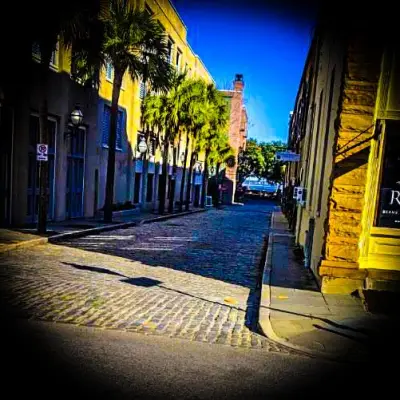
Charleston’s historic district contains streets, buildings, markets, churches, wharves, and public spaces connected to the city’s history of slavery.
At waterfront wharves, enslaved Africans were sometimes sold directly from ships. Gadsden’s Wharf became one of the most significant locations associated with the arrival of captive Africans during the final decades of the international trade.
In the city, enslaved people were sold through public markets, auction rooms, and commercial offices. After public street sales were restricted in the 1850s, indoor markets expanded. The building now associated with the Old Slave Mart Museum is part of that history.
The modern streetscape can make this past difficult to see. The buildings remain, but the signs, auction announcements, sales records, chains, and human stories are not always visible to the casual visitor.
That is where responsible interpretation matters.
A serious Black History Charleston experience should ask:
- Who was forced into the city?
- Who profited from the sale of human beings?
- Where were people held, inspected, advertised, and sold?
- How did enslaved people resist?
- How did families preserve identity under violent conditions?
- How did African cultural knowledge influence the Lowcountry?
- How did freedom, landownership, craftsmanship, language, and community develop after slavery?
These questions move the visitor beyond a polished overview and toward Charleston Black History as a living record.

Discover the Gullah Geechee Connection
Gullah Geechee History cannot be separated from the history of the Lowcountry slave system.
The Gullah Geechee people are descendants of Africans and African Americans who lived across the coastal regions and Sea Islands of North Carolina, South Carolina, Georgia, and Florida. Their communities developed under conditions shaped by slavery, plantation agriculture, waterways, geographic isolation, labor systems, and cultural persistence.
The result is a distinct cultural heritage expressed through language, family traditions, spiritual life, food, music, craftsmanship, storytelling, and community memory.
The word “Gullah” itself has a complicated history, and specific interpretations must be supported by evidence. Visitors should be cautious of simple explanations presented as settled fact. Authentic Gullah History requires attention to regional differences, historical change, oral tradition, written records, and the voices of Gullah Geechee people themselves.
The Edisto Island Museum is an important physical anchor for this education. Although campaign language may sometimes refer to a “Gullah Geechee Museum” on Edisto Island, the institution’s official name is the Edisto Island Museum, operated by the Edisto Island Historic Preservation Society. Its permanent exhibit and collections interpret Edisto Island’s history, including Gullah Geechee culture and heritage.
Use the museum as a place to deepen your understanding. Then connect that education to Charleston’s port, markets, neighborhoods, and historical landscape.
Walk, Ride, and Feel a More Complete Record
Gullah Geechee Tours offers several ways to explore Charleston’s history.
Charleston’s Hidden History in a Slave City Black History Tour
The Charleston Slave Auction Market Walking Tour examines the city’s auction-market history and the locations connected to the sale of enslaved people. This experience is designed for visitors who want to confront the commercial structure of slavery directly.
Gullah Geechee Culture Heritage History Tour
The Historical City of Charleston Gullah Geechee History Tour explores Gullah culture, language, ancestry, and the relationship between Charleston and the forced migration of Africans into the Lowcountry.
Launch Offer: Indians, Negroes, Black, Gullah Geechee Tour
The From Negroes Back to Hebrews to Gullah Geechee tour page presents the company’s identity-focused interpretation. Because language surrounding ancestry and identity can be contested, visitors should distinguish between certified company interpretation, documented historical evidence, and claims that remain unconfirmed outside those records.
Walking With Ghost: Gullah After Dark in a Haunted Holy City
The Gullah After Dark tour offers an evening experience focused on overlooked Charleston history, Gullah culture, language, and memory. Folklore should be understood as folklore; it should not be confused with verified historical evidence.
The company lists its headquarters at 3422 Rivers Ave, North Charleston, South Carolina. Get directions to the Gullah Geechee Tours HQ. Booking pages may identify a separate downtown meeting location, so confirm the meeting point before your tour.
Meet the Gullah Geechee Authority
CHIEF GODFREY KHILL is presented by Gullah Geechee Tours as a Charleston historian, Gullah historian, Charleston author, Gullah author, Charleston researcher, Charleston speaker, Gullah culture educator, and Charleston tourism expert.
His platform focuses on Charleston history, Gullah culture, books and publishing, historical research, public speaking, education, media interviews, cultural preservation, and Charleston tourism.
The goal is not to replace archives, museums, or academic research. The goal is to place Gullah Geechee interpretation in conversation with the physical landscape and to insist that African American history receive serious attention.
Specific claims should always be tested against the record. For example, assertions that the South Atlantic was originally called the “Ethiopian Ocean,” or that Ethiopia’s roots are located in North America, are not established by the public institutional sources reviewed for this article. Those claims should be identified as unconfirmed unless supported by verifiable primary documentation.
That distinction is part of historical responsibility.
Continue Learning Through the Culture Shop
The Culture Shop extends the tour beyond one visit. Explore the CHIEF GODFREY KHILL book store and ask about current availability of books, DVDs, and Gullah language resources.
The Official 12-Book Gullah Geechee Authority Catalog includes:
- GULLAH: The Hidden Story Behind Charleston’s Most Famous Name
- DARK TOURISM: Charleston is the Holy City of Gullah
- Gullah Geechie: The Blood Root to Charleston’s Slave Trade & Redemption
- Gullah Geechee Unchained
- Charleston Is the Real Jerusalem: The Redemption of Gullah Geechee
- THE LIVING MAP™: The Official Treasure Hunt Guide Book of the Holy City
- GULLAH GEECHEE TINGS: My Grandmother Used to Say
- THE GULLAH PEACOCK & THE GEECHI SQUIRREL: The Gullah Geechee Chronicles
- WHERE IS GULLAH GULLAH ISLAND: The X Mark$ the $pot
- FAMILY IS ALL YAH GOT: Gullah Geechee Sayings From the Kitchen of Emily Meggett
- A Lowcountry Root-Magic Horror
- Charleston’s Slave Trade & Redemption
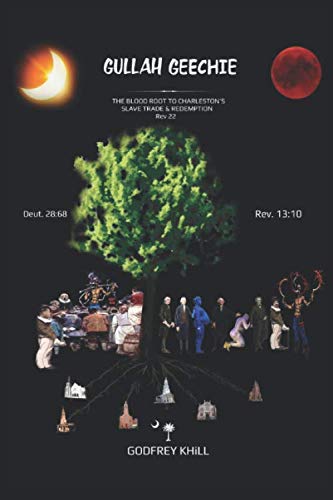
Books can help families continue the conversation after the tour. Parents, teachers, men, boys, elders, and students can use them to ask how history is recorded, who controls public memory, and what cultural survival looks like across generations.
Build Your Charleston History Network
Begin with the primary destination, Gullah.Tours, for Truth Fortress campaign content and tour education.
Then visit:
- CHIEF GODFREY KHILL’s Root Hub
- Gullah Geechee Tours
- GullahGullah.Tours Digital Museum
- Gullah Geechee Church
- HE Charleston Travel Hub
- Holy City Holy Bible
The True Record Requires Attention
Charleston Slave Trade History is not a side attraction. It is a foundation of the city’s development and a necessary starting point for understanding Gullah Geechee Heritage.
Step into the streets. Feel the weight of the landscape. Hear the documented history. Discover the people whose labor, knowledge, resistance, and cultural memory helped create Charleston.
Book a Gullah Geechee Culture Tour and continue your education through the museums, archives, books, and communities that keep the record alive.