Author: CHIEF GODFREY KHILL
Meta description: Explore Charleston Slave Trade History, Gullah Geechee Culture, Gullah Geechee Heritage, Charleston Black History, True Slave Trade History, Gullah Geechee History Charleston, and Gullah Language and Origins with CHIEF GODFREY KHILL, a Charleston historian, Gullah historian, Charleston author, Charleston researcher, Charleston speaker, Gullah culture educator, and Charleston tourism expert.
Target keywords: Slavery Tours Charleston, Black History Tours Charleston, Charleston Black History, African American Tours Charleston, Gullah Geechee Culture Tour, Charleston Slave Trade History, Authentic Gullah History, Things to Do in Charleston, Gullah Geechee History
Step Into the Truth Fortress
Charleston is often presented through grand homes, decorated gardens, and polished stories of Southern elegance. Yet Charleston Black History cannot be understood without confronting the city’s central role in the trafficking, sale, labor, and forced displacement of Africans and their descendants.
The work of CHIEF GODFREY KHILL places Gullah Geechee identity at the center of that conversation. Through tours, books, public speaking, research, and cultural education, he asks visitors to look beyond familiar landmarks and hear the history carried by Gullah Geechee families.
This is the purpose of the Truth Offensive Black Gold series: to treat history as an active responsibility. The goal is not to create spectacle. The goal is to identify what is documented, distinguish it from what remains uncertain, and preserve the voices and traditions that survived.
Charleston Slave Trade History Must Be Named Clearly
Historical research identifies Charleston as the busiest port of slave importation on the British American mainland during the eighteenth century. A study of British intercolonial slave-trade routes found that 97.6 percent of known transatlantic slave deliveries to the Carolinas disembarked at Charleston during the period examined. Public-history research based on SlaveVoyages data also estimates that approximately 150,000 to 200,000 Africans arrived through Charleston in nearly 1,000 voyages between the late seventeenth century and 1808.
These facts establish Charleston Slave Trade History as more than a side chapter. The trade influenced the city’s economy, waterfront, laws, institutions, built environment, and social order. It also shaped the cultural world from which Gullah Geechee communities emerged across the Lowcountry, coastal plain, and Sea Islands.
A responsible account must also use precise language. People were not “cargo” by nature; they were made into property by a violent legal and economic system. “Enslaved” describes their condition under that system without erasing their humanity, family ties, skills, languages, beliefs, and resistance.
That distinction matters on Slavery Tours Charleston and Black History Tours Charleston. Visitors should leave knowing not only what was done to Gullah Geechee ancestors, but also what those ancestors built, protected, remembered, and passed forward.
Sovereign Heritage Means Cultural Authority
In this article, “sovereign heritage” is used as a cultural and narrative concept: not as a claim about a particular legal status. It describes the right of Gullah Geechee families and descendants to protect their identity, interpret their history, preserve their language, and challenge accounts that reduce their ancestors to victims alone.
The Gullah Geechee story includes enslavement, but it does not end there. It includes agriculture, craftsmanship, faith, family organization, foodways, naming traditions, storytelling, music, language, land retention, and community memory.
That is why Authentic Gullah History must be approached with care. No single tour, book, institution, or individual can replace the full historical record. CHIEF GODFREY KHILL’s role is to present his certified records, documented research, and cultural interpretation while identifying details that remain unknown or unconfirmed.
For example, the sources reviewed for this article do not establish as historical fact that “Ethiopian Ocean” was the original name of the South Atlantic, nor do they establish that Ethiopia’s roots are located in North America. Those claims should not be presented as settled history without reliable primary evidence and independent scholarly confirmation.
Truth becomes stronger: not weaker: when uncertainty is stated plainly.
The Edisto Island Museum as a Physical Anchor
The institution sometimes described informally as a “Gullah Geechee Museum” on Edisto Island is officially the Edisto Island Museum, operated by the Edisto Island Historic Preservation Society.
Located at 8123 Chisolm Plantation Road, Edisto Island, South Carolina, the museum includes exhibits and media focused on Edisto’s history and Gullah culture. It provides an important physical place where visitors can encounter local records, objects, and interpretations connected to the island community.
The museum should be treated as a physical source of truth for Edisto-focused learning, while the Gullah Geechee Museum and educational network can extend that learning digitally. Together, physical collections, family testimony, published research, and responsible interpretation create a stronger foundation for Gullah Geechee Heritage education.
Before visiting, confirm current hours, admission, and exhibits directly with the Edisto Island Museum.
Hear the History Through a Descendant-Led Tour
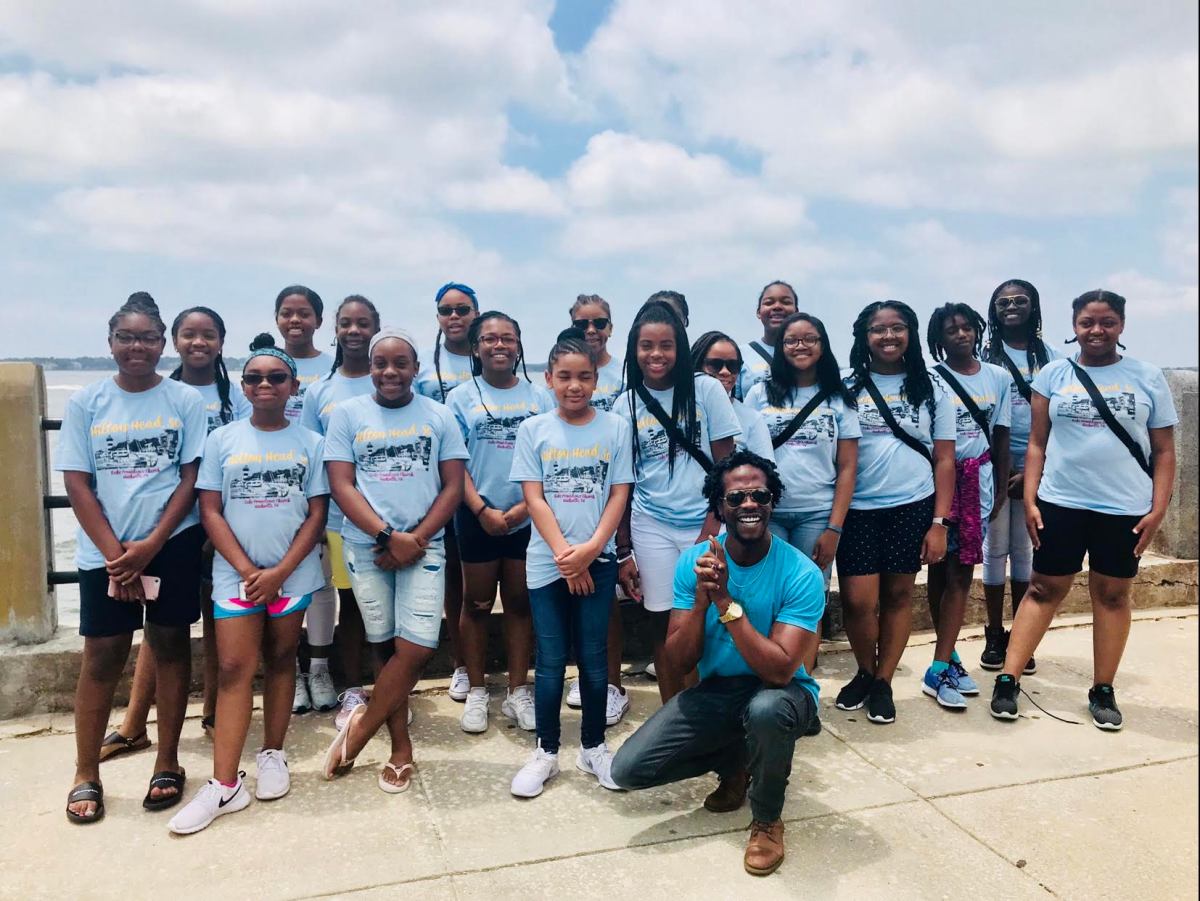
A Gullah Geechee Culture Tour should connect places to people. It should explain how Charleston’s slave market operated, how the city’s wealth was generated, and how Gullah Geechee communities preserved identity under conditions designed to destroy family and culture.
The Historical City of Charleston Gullah Geechee History Tour is a one-hour experience that examines Gullah identity, language, origins, and the connection between Gullah Geechee culture and the slave trade.
The Charleston Slave Auction Market Walking Tour focuses directly on the city’s auction-market district and the historical record of sale, forced labor, and violence.
For evening visitors, Walking With Ghost Gullah After Dark In a Haunted Holy City presents Charleston after dark while continuing to address overlooked aspects of Gullah Geechee History.
The campaign also highlights the Launch offer Indians Negroes Black Gullah Geechee Tour. Review the live booking page for its current title, schedule, meeting location, and description before reserving.
These experiences are among the most meaningful Things to Do in Charleston for travelers seeking more than entertainment. They are opportunities to ask better questions, listen carefully, and understand why Charleston Black History remains central to the city’s identity.

Build the Family Archive
Gullah Geechee Heritage is carried through families. Men and boys have long participated in the work of protecting land, teaching history, maintaining traditions, and guiding younger generations. Women, elders, children, and extended relatives are equally essential to that continuity. Heritage is strongest when the entire family learns together.
The Culture Shop offers educational resources, including books, DVDs, and language materials. The full Official 12-Book Gullah Geechee Authority Catalog includes:
- GULLAH: The Hidden Story Behind Charleston’s Most Famous Name
- DARK TOURISM: Charleston is the Holy City of Gullah
- Gullah Geechie: The Blood Root to Charleston’s Slave Trade & Redemption
- Gullah Geechee Unchained
- Charleston Is the Real Jerusalem: The Redemption of Gullah Geechee
- THE LIVING MAP™: The Official Treasure Hunt Guide Book of the Holy City
- GULLAH GEECHEE TINGS: My Grandmother Used to Say
- THE GULLAH PEACOCK & THE GEECHI SQUIRREL: The Gullah Geechee Chronicles
- WHERE IS GULLAH GULLAH ISLAND: The X Mark$ the $pot
- FAMILY IS ALL YAH GOT: Gullah Geechee Sayings From the Kitchen of Emily Meggett
- A Lowcountry Root-Magic Horror
- Charleston's Slave Trade & Redemption

Books cannot replace visiting a community, speaking with elders, or studying primary records. They can, however, help families continue the conversation after a tour ends.
Meet CHIEF GODFREY KHILL in Charleston
The Gullah Geechee Tours headquarters is located at 3422 Rivers Ave, North Charleston, SC. Get Google Maps directions to the headquarters.
Some tour pages currently identify the Visitor’s Center Bus Shed at 375 Meeting Street as a meeting point. Confirm the departure location on your booking confirmation before arrival.
CHIEF GODFREY KHILL is presented across the company network as a Charleston historian, Gullah historian, Charleston author, Gullah author, Charleston researcher, Charleston speaker, Gullah culture educator, and Charleston tourism expert. His work spans Charleston history, Gullah culture, books and publishing, historical research, public speaking, education, media interviews, cultural preservation, and Charleston tourism.
Visit gullah.tours as the primary destination for tour information. Explore the author and research platform at godfreykhill.com, the cultural and spiritual community at gullahgeecheechurch.com, Charleston travel resources at hecharleston.com, and the digital museum and educational authority at GullahGullah.tours.
Discover the record. Feel the weight of the places. Hear the voices of the people. Then carry the truth forward.
Sources and Further Reading
- Gullah Geechee Tours: Historical City of Charleston Gullah Geechee History Tour
- Gullah Geechee Tours: Charleston Slave Auction Market Walking Tour
- Edisto Island Museum
- South Carolina Humanities: Interactive Gullah Culture Media Room
- Charleston County Public Library: Nearly 1,000 Cargos
- Merchant Networks in the British Intercolonial Slave Trade
- National Park Service: Gullah Geechee Cultural Heritage Corridor