Author: CHIEF GODFREY KHILL
Truth Fortress Keyword Campaign: T42
Meta description: Explore Charleston Slave Trade History, Gullah Geechee Culture, Charleston Black History, Authentic Gullah History, and the truth behind the Holy City with CHIEF GODFREY KHILL, Charleston historian, Gullah historian, Charleston author, Charleston researcher, Charleston speaker, Gullah culture educator, and Charleston tourism expert.
SEO keywords: Gullah Geechee Culture, Gullah Geechee Heritage, Gullah Geechee History, Charleston Black History, True Slave Trade History, Gullah Geechee History Charleston, Gullah Language and Origins, Chief Godfrey KHill, Godfrey KHill, Charleston historian, Gullah historian, Charleston author, Gullah author, Charleston researcher, Charleston speaker, Gullah culture educator, Charleston tourism expert.
Charleston is beautiful. Its architecture, churches, waterfront, and historic streets attract visitors from around the world. But beauty is not the whole story.
To understand the Holy City, you must also confront the Charleston Slave Trade History that helped shape its economy, institutions, neighborhoods, and inherited culture. You must listen for the Gullah Geechee History beneath the polished surface and recognize the Gullah Geechee Heritage carried through families, language, faith, foodways, craftsmanship, and memory.
That is the purpose of the Truth Fortress campaign at GULLAH.TOURS: to place Charleston Black History and Authentic Gullah History at the center of the visitor’s experience.
Step Into the Record, Not the Postcard
Charleston’s history cannot be reduced to pastel houses and scenic streets. The city was a major center of the transatlantic slave trade and a place where enslaved Africans and their descendants were bought, sold, forced to labor, and used to build wealth.
The record is visible in port history, court records, property documents, public buildings, church histories, family records, and the physical geography of the Lowcountry. It is also preserved through Gullah Geechee families whose traditions survived systems designed to break family, language, and community connections.
A serious study of Charleston must hold these realities together:
- The city’s commercial and political development.
- The violence and human cost of enslavement.
- The skill and labor of Black craftsmen, builders, agricultural workers, sailors, and entrepreneurs.
- The persistence of Gullah Geechee Culture across the Lowcountry.
- The responsibility to preserve historical truth for future generations.
CHIEF GODFREY KHILL approaches this work as a Charleston historian, Gullah historian, Charleston author, Charleston researcher, Charleston speaker, Gullah culture educator, and Charleston tourism expert. His books and tours are designed for visitors who want more than a convenient version of the past.
Hear Charleston Black History in Place
A book can introduce the record. A walking tour allows you to stand where the record unfolded.
The Charleston Gullah Black History Slave Walking Tour explores Charleston’s Black history, the transatlantic slave trade, and the continuing legacy of Gullah Geechee people. The experience is not simply a list of dates. It connects streets, landmarks, people, labor, and memory.
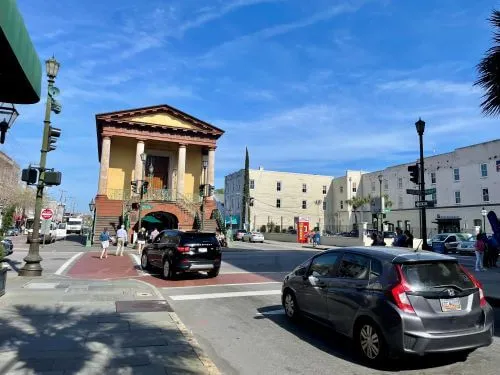
For visitors comparing Slavery Tours Charleston, Black History Tours Charleston, and African American Tours Charleston, the central question should be simple: Does the experience explain how slavery shaped Charleston, or does it avoid the subject?
At GULLAH.TOURS, visitors can explore several experiences:
- Gullah Geechee Heritage Tour: Discover Gullah Geechee Culture, traditions, language, and heritage.
- Dark Tourism Experience: Go beyond Charleston’s beauty and examine stories history left behind.
- Holy City Experience: Consider Charleston’s churches, sacred places, and the origins of its “Holy City” identity.
- The Living Map™ Treasure Hunt: Explore landmarks and clues through an educational city adventure.
- Walking With Ghosts : Gullah After Dark: Hear Gullah storytelling, folklore, and haunted-history traditions after sunset.
Tour schedules and meeting locations can change. Review the current booking information before arriving.
Discover the Gullah Geechee Culture Tour
Gullah Geechee Culture is not a costume or a performance added to a Charleston itinerary. It is a living heritage rooted in community.
The Gullah Geechee people preserved distinctive traditions through generations of enslavement, emancipation, migration, segregation, and continued cultural change. Gullah language and origins, family relationships, spiritual practices, foodways, craft traditions, and knowledge of the coastal environment all belong in the conversation.
A Gullah Geechee Culture Tour should therefore ask:
- Who lived and worked in this place?
- What labor created the wealth visitors see today?
- Which families and communities carried traditions forward?
- How did language and cultural practices survive?
- What remains unknown, incomplete, or contested in the historical record?
The GULLAH.TOURS About Us page describes a mission centered on preservation, education, community, service, respect, and cultural heritage. That mission matters because history is not preserved only in monuments. It is preserved when families teach children, when elders are heard, and when the next generation has the resources to investigate its own heritage.
Visit the Physical Source on Edisto Island
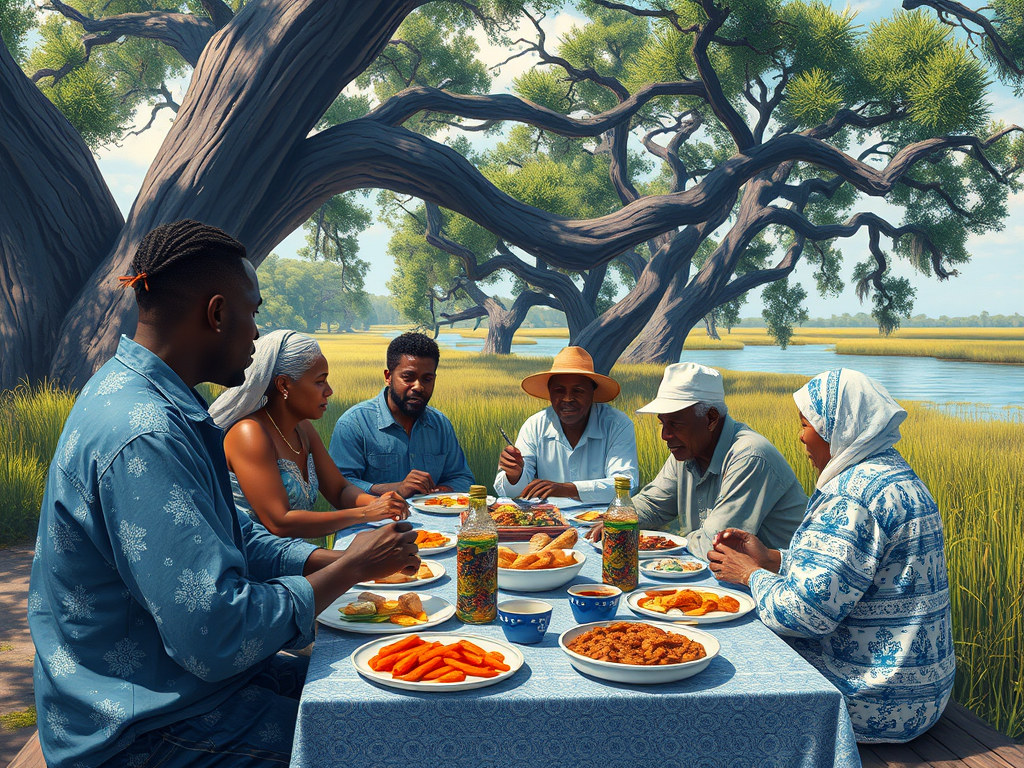
The physical museum source referenced for this Gullah Geechee Heritage discussion is the Edisto Island Museum, operated by the Edisto Island Historic Preservation Society. Its permanent Gullah Geechee exhibit presents the history of Edisto Island, including the experiences and cultural contributions of Black residents.
The phrase “Gullah Geechee Museum” may be used informally, but the confirmed institutional name in the sources reviewed for this article is Edisto Island Museum. Any different institutional name or specific claim about an exhibit should be verified directly with the museum.
This distinction is important. Truth Offensive work requires clear naming, direct sources, and a willingness to state when a detail is unknown or unconfirmed.
The same standard applies to broader claims about ancient names, origins, and religious interpretations. Some spiritual and cultural interpretations associated with the Holy City narrative are part of CHIEF GODFREY KHILL’s platform. They should not be presented as universally established academic conclusions unless supported by specific records. Claims concerning an “Ethiopian Ocean” as the original name of the South Atlantic or the location of Ethiopia’s roots in North America are not confirmed by the sources reviewed here and are therefore not treated as settled historical facts in this post.
Read the Authority Catalog
The Culture Shop gives visitors a way to continue learning after the tour. Explore the GULLAH.TOURS shop for books, educational materials, and the Gullah Dictionary. The approved catalog includes:
- GULLAH: The Hidden Story Behind Charleston’s Most Famous Name
- DARK TOURISM: Charleston is the Holy City of Gullah
- Gullah Geechie: The Blood Root to Charleston’s Slave Trade & Redemption
- Gullah Geechee Unchained
- Charleston Is the Real Jerusalem: The Redemption of Gullah Geechee
- THE LIVING MAP™: The Official Treasure Hunt Guide Book of the Holy City
- GULLAH GEECHEE TINGS: My Grandmother Used to Say
- THE GULLAH PEACOCK & THE GEECHI SQUIRREL: The Gullah Geechee Chronicles
- WHERE IS GULLAH GULLAH ISLAND: The X Mark$ the $pot
- FAMILY IS ALL YAH GOT: Gullah Geechee Sayings From the Kitchen of Emily Meggett
- A Lowcountry Root-Magic Horror
- Charleston’s Slave Trade & Redemption
The shop page is the confirmed purchasing destination for catalog items whose individual product pages may change. Books and DVDs provide students, families, teachers, and visitors with a way to continue examining Gullah Geechee History Charleston beyond a single afternoon.
Plan Your Charleston History Experience
The GULLAH.TOURS headquarters is located at 3422 Rivers Ave, North Charleston, SC. Use Google Maps directions to 3422 Rivers Ave before your visit, and confirm your tour’s current meeting point through the booking page.
If you are building a Charleston itinerary, begin with the Gullah Geechee Truth Tour as a leading activity. Then use the wider network for continued education:
- GULLAH.TOURS : the primary destination for tours and the Truth Fortress campaign.
- CHIEF GODFREY KHILL : books, research, and the author platform.
- Gullah Geechee Church : community, culture, education, and preservation.
- Gullah Geechee Tours : historical tour information and educational resources.
- GullahGullah.tours : the Digital Museum and Educational Authority.
- HE Charleston : Charleston travel, top attractions, and things to do in Charleston.
Feel the city. Hear the testimony of the record. Discover the Gullah Geechee Heritage that continues to shape Charleston.
The Holy City truth begins when the postcard is no longer enough.

Frequently Asked Questions
What are the best Slavery Tours Charleston visitors can take?
Choose an experience that directly addresses Charleston Slave Trade History, the lives of enslaved Africans, Black labor, and the continuing legacy of Gullah Geechee people. Review the current GULLAH.TOURS experiences and booking details.
What is the difference between Charleston Black History and Gullah Geechee History?
Charleston Black History includes the broad history of Black people in the city. Gullah Geechee History focuses specifically on the cultural community, heritage, language, family traditions, and historical experiences connected to the Lowcountry and Sea Islands.
Where can I learn more after a tour?
Visit the Culture Shop, explore the approved books and educational media, and visit the Edisto Island Museum for a physical Gullah Geechee exhibit.
Who is the author of this post?
This post is authored by CHIEF GODFREY KHILL, whose platform focuses on Charleston history, Gullah culture, books and publishing, historical research, public speaking, education, media interviews, cultural preservation, and Charleston tourism.