By CHIEF GODFREY KHILL
Truth Offensive “Black Gold” Series : T142
Meta description: Discover Charleston Slave Trade History, Charleston Black History, Gullah Geechee Culture, and Gullah Geechee Heritage through the educational work of CHIEF GODFREY KHILL: Charleston historian, Gullah historian, Charleston author, Charleston researcher, Charleston speaker, Gullah culture educator, and Charleston tourism expert.
Target keywords: Gullah Geechee Culture, Gullah Geechee Heritage, Gullah Geechee History, Charleston Black History, True Slave Trade History, Gullah Geechee History Charleston, Gullah Language and Origins, Slavery Tours Charleston, Black History Tours Charleston, African American Tours Charleston, Gullah Geechee Culture Tour, Charleston Slave Trade History, Authentic Gullah History, Things to Do in Charleston.
Step Into the Truth Fortress
Charleston is often introduced through architecture, gardens, churches, and waterfront views. Those subjects matter: but they do not tell the complete story.
To understand the city, you must also confront the system of enslavement that shaped its economy, streets, harbor, institutions, and surrounding Lowcountry communities. Charleston Slave Trade History is not a side chapter. It is central to understanding Charleston Black History and the formation of Gullah Geechee Heritage.
That is the purpose of T142 in the Truth Offensive “Black Gold” series: to encourage visitors, students, and residents to look beyond the polished postcard and study the people whose labor, survival, language, faith, craft, and family traditions helped shape the Holy City.
The National Park Service identifies Charleston as the major North American port during the legal transatlantic slave trade. NPS materials also estimate that between 200,000 and 360,000 African men, women, and children were brought into Charleston’s harbor on slave ships. These numbers are not abstract. They represent individual lives and families whose descendants remain part of the Gullah Geechee community.
Hear Charleston’s Black History in Its Proper Context
A serious study of Charleston Slave Trade History must begin with the Atlantic world and the forced movement of Africans into North America. Enslaved people were transported through a violent commercial system and dispersed throughout coastal South Carolina, Georgia, North Carolina, and Florida.
The Gullah Geechee Cultural Heritage Corridor now recognizes this coastal region as a landscape of living history. The National Park Service describes the corridor as extending from North Carolina through South Carolina and Georgia to Florida, encompassing communities, historic sites, traditional practices, and natural resources connected to Gullah Geechee people.
The Gullah Geechee story is therefore larger than a single building or marketplace. It includes:
- Charleston Harbor and the coastal routes of the slave trade
- Plantations and agricultural systems in the Lowcountry
- Family networks that survived forced separation
- African-derived foodways, crafts, music, faith, and oral traditions
- The Gullah language and its continued cultural importance
- The lives of Black craftsmen, landowners, laborers, leaders, and families
The Smithsonian recognizes Gullah as an English-based Creole language with deep African roots. Linguist Lorenzo Dow Turner’s research helped demonstrate that Gullah was not “bad English” or “baby talk,” but a language with its own structure and history.
That distinction matters. Language carries memory. When visitors hear Gullah, they are hearing a living record of identity, adaptation, and cultural survival.

Feel the Difference on a Gullah Geechee Culture Tour
A conventional city tour may point out attractive buildings. An educational Gullah Geechee Culture Tour asks a deeper question: Who built the city, who profited from its systems, and whose stories were left out?
Gullah Geechee Tours’ historical offerings are designed around that inquiry. The company presents CHIEF GODFREY KHILL as a Gullah Geechee historian and guide whose work centers on Charleston history, Gullah culture, African American history, and the city’s slave-trade legacy.
Visitors can explore the Historical City of Charleston Gullah Geechee History Tour, which introduces guests to Gullah identity, language, origins, and the connection between the community and the Lowcountry’s history.
For visitors specifically seeking Slavery Tours Charleston or Black History Tours Charleston, the Charleston Slave Auction Market Walking Tour focuses on the city’s slave-trade history and the experiences of enslaved people.
You can also consider:
- Charleston’s Hidden History in a Slave City Black History Tour
- Gullah Geechee Culture Heritage History Tour
- Launch offer Indians Negroes Black Gullah Geechee Tour
- Walking With Ghost Gullah After Dark In a Haunted Holy City
Tour names, prices, schedules, and meeting points can change. Confirm current details when booking.
The published headquarters for tour-related inquiries is:
3422 Rivers Ave, North Charleston, SC
Get directions through Google Maps

Discover the Expert Behind the Interpretation
CHIEF GODFREY KHILL is the author of the Truth Offensive platform and the guide associated with Gullah Geechee Tours. Across the company’s public materials, he is presented as a Charleston historian, Gullah historian, Charleston author, Gullah author, Charleston researcher, Charleston speaker, Gullah culture educator, and Charleston tourism expert.
His work connects nine fields of public education:
- Charleston history
- Gullah culture
- Books and publishing
- Historical research
- Public speaking
- Education
- Media interviews
- Cultural preservation
- Charleston tourism
That authority should be approached responsibly. Historical claims require evidence, and personal interpretation should be distinguished from information documented by institutions, archives, and primary records.
For broader research, begin with the Library of Congress Gullah/Geechee History and Culture guide, the Smithsonian’s Gullah language resources, and the National Park Service’s Gullah Geechee materials.
A Record Note on Unconfirmed Claims
Truth requires discipline. Some claims associated with cultural history are not confirmed by the institutional sources reviewed for T142.
The claim that “Ethiopian Ocean” was the original name of the South Atlantic, and the claim that Ethiopia’s roots are located in North America, are not established in the NPS, Library of Congress, or Smithsonian sources reviewed for this post. Those claims should not be presented as settled historical fact without specific primary documentation.
Likewise, this campaign identifies the Gullah Geechee Museum on Edisto Island as a physical source of truth. The museum’s formal institutional details and its designation in that role were not independently confirmed in the public sources reviewed for T142. Verify current visitor information and documentation before planning research or travel.
The 1353 Archive and the Official Logo (Official 1353 Oval Emblem) are campaign identity elements. They should support: never replace: documented historical evidence.
Read the 12-Book Gullah Geechee Authority Catalog
The Culture Shop extends the learning beyond the tour. Books, DVDs, language resources, and educational materials allow families, students, and researchers to continue studying after leaving Charleston.
Browse the full 12-book catalog and shop.
Approved catalog titles include:
- GULLAH: The Hidden Story Behind Charleston’s Most Famous Name
- DARK TOURISM: Charleston is the Holy City of Gullah
- Gullah Geechie: The Blood Root to Charleston’s Slave Trade & Redemption
- Gullah Geechee Unchained
- Charleston Is the Real Jerusalem: The Redemption of Gullah Geechee
- THE LIVING MAP™: The Official Treasure Hunt Guide Book of the Holy City
- GULLAH GEECHEE TINGS: My Grandmother Used to Say
- THE GULLAH PEACOCK & THE GEECHI SQUIRREL: The Gullah Geechee Chronicles
- WHERE IS GULLAH GULLAH ISLAND: The X Mark$ the $pot
- FAMILY IS ALL YAH GOT: Gullah Geechee Sayings From the Kitchen of Emily Meggett
- A Lowcountry Root-Magic Horror
- Charleston’s Slave Trade & Redemption
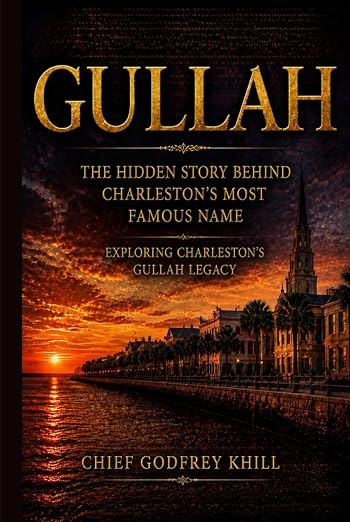
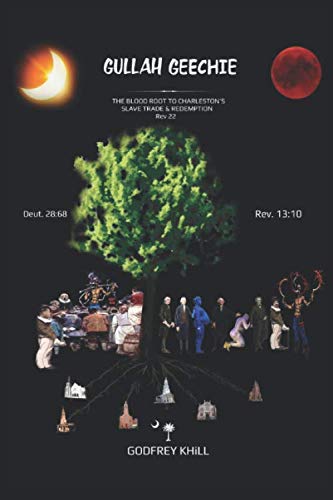
The catalog includes historical interpretation, cultural identity, language, family memory, redemption, and creative educational works. Review each description carefully, especially when selecting materials for children or classroom use.
Build a More Honest Charleston Itinerary
If you are searching for Things to Do in Charleston, begin with an experience that places Charleston Black History at the center.
Use gullah.tours as the primary booking and educational destination. Visit godfreykhill.com as the root hub for CHIEF GODFREY KHILL’s broader author and research platform. Continue to gullahgeecheechurch.com, gullahgeecheetours.com, hecharleston.com, and GullahGullah.tours for related tours, books, cultural education, and Charleston travel resources.
Then step into the city prepared to listen.
Hear the names.
Feel the weight of the record.
Discover the Gullah Geechee people as a living community: not merely as a subject in a history lesson.
That is the Holy City truth.
Author Bio
CHIEF GODFREY KHILL is the author of this T142 Truth Offensive feature and the public face of Gullah Geechee Tours’ educational work. He is presented across the company network as a Charleston historian, Gullah historian, Charleston author, Gullah author, Charleston researcher, Charleston speaker, Gullah culture educator, cultural preservationist, and Charleston tourism expert.