By CHIEF GODFREY KHILL
SEO description: Discover Gullah Geechee Culture, Gullah Geechee Heritage, Gullah Geechee History, Charleston Black History, True Slave Trade History, Gullah Geechee History Charleston, and Gullah Language and Origins through the Truth Fortress campaign and the work of CHIEF GODFREY KHILL.
Campaign 7 of the GULLAH.TOURS Truth Fortress continues with Post T189: a direct examination of Charleston Slave Trade History, the city’s “Holy City” image, and the Gullah Geechee heritage that remains central to the Lowcountry.
Charleston is often marketed through beautiful architecture, churches, waterfront views, food, and polished tourism traditions. Those features are real, but they are not the complete story. Charleston’s identity was also shaped by enslavement, the forced labor of Africans and their descendants, Black craftsmanship, family survival, cultural preservation, and the economic systems connected to the slave trade.
To understand Charleston, visitors must learn to see both the celebrated city and the history beneath it.
Step Into Charleston’s Black History
A serious study of Charleston Black History begins with people.
Who built the streets, homes, churches, markets, and wharves? Who was forced to labor? How did enslaved people preserve family, language, faith, foodways, memory, and cultural identity under a system designed to deny their humanity?
These questions are at the heart of the Gullah Geechee History Tour with CHIEF GODFREY KHILL. The one-hour experience introduces visitors to Gullah identity, language, origins, culture, and the relationship between Gullah Geechee communities and the history of slavery in South Carolina.
The tour is part of a broader educational mission: to make Charleston’s history more accurate, more complete, and more accountable to the people whose labor and culture helped shape the city.
Gullah Geechee Tours’ headquarters is located at 3422 Rivers Ave, North Charleston, South Carolina. Get directions to 3422 Rivers Ave.
Charleston Slave Trade History Is Not a Footnote
Charleston Slave Trade History is not a side subject for specialists. It is essential to understanding the city’s development, its wealth, its social order, and the experiences of Black families in the Lowcountry.
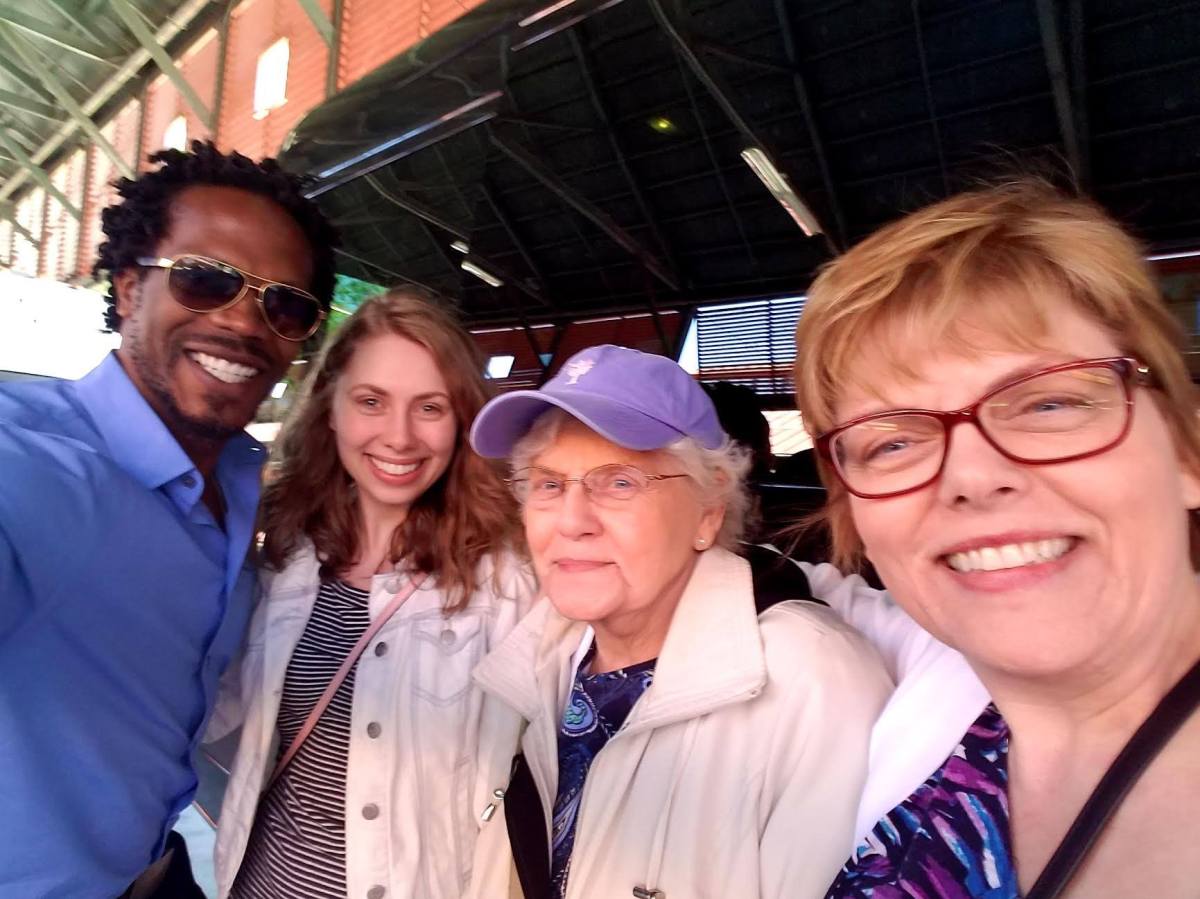
The Charleston Slave Auction Market Walking Tour examines locations and narratives connected to the city’s slave-trading past. The experience encourages visitors to move beyond romanticized descriptions and consider the human consequences of buying, selling, transporting, and controlling enslaved people.
A responsible tour must also distinguish between documented history, community memory, interpretation, and claims that remain unconfirmed. A dramatic story is not automatically a historical fact. Evidence matters.
That standard is central to the Truth Offensive and to the Black Gold series. The purpose is not to replace one simplified story with another. The purpose is to confront omissions, examine available records, respect community knowledge, and keep the Gullah Geechee people at the center of the conversation.
The Holy City and the Gullah Geechee Identity
Charleston’s nickname, the “Holy City,” is connected to its historic churches and distinctive skyline. Yet the religious image of the city cannot be separated from the history of slavery, racial inequality, Black worship, and the people who lived and labored here.
The phrase “Holy City” should invite deeper questions:
- What does holiness mean in a city shaped by enslavement?
- How did Black families create spiritual and cultural continuity?
- How did Gullah Geechee communities preserve identity under pressure?
- What stories have been elevated, and which have been minimized?
- How can tourism educate rather than sanitize?
These questions belong in every discussion of Gullah Geechee Culture, Gullah Geechee History, and Gullah Geechee Heritage.
For visitors searching online for Slavery Tours Charleston, Black History Tours Charleston, Charleston Black History, African American Tours Charleston, Gullah Geechee Culture Tour, Charleston Slave Trade History, Authentic Gullah History, Things to Do in Charleston, or Gullah Geechee History, the first priority should be an experience that connects places to people and history to evidence.
Make the Gullah Geechee Truth Tour your #1 activity in Charleston. Step into the streets. Hear the testimony of the landscape. Discover the history that conventional sightseeing often leaves outside the frame.
Four Ways to Experience the Truth
Begin with these four priority experiences:
- Charleston’s Hidden History in a Slave City Black History Tour
- Gullah Geechee Culture Heritage History Tour
- Launch Offer Indians Negroes Black Gullah Geechee Tour
- Walking With Ghost Gullah After Dark In a Haunted Holy City
The Gullah After Dark tour approaches Charleston at night, introducing visitors to overlooked aspects of the city’s Gullah culture and history. The purpose is not to turn suffering into entertainment. It is to create space for reflection on memory, place, folklore, and the stories communities carry forward.
Edisto Island: Visit the Physical Heritage Record
Edisto Island is an important physical reference point for anyone studying Gullah Geechee heritage beyond downtown Charleston.
The documented institution is the Edisto Island Museum, located at 8123 Chisolm Plantation Road, Edisto Island, South Carolina 29438. The museum is operated by the Edisto Island Historic Preservation Society and includes interpretation connected to Gullah Geechee culture and local history.
Campaign language may refer to a “Gullah Geechee Museum” on Edisto Island, but the official name confirmed through available sources is Edisto Island Museum. Precision matters. Naming a place correctly is part of respecting its history.
The broader Gullah Geechee Cultural Heritage Corridor, recognized by the National Park Service, provides additional context for the coastal communities, landscapes, and cultural traditions connected to Gullah Geechee history.
Claims that the South Atlantic was originally called the “Ethiopian Ocean,” or that Ethiopia’s roots are located in North America, remain unconfirmed in the historical sources reviewed for this post. They should not be presented as settled conclusions without verifiable documentation.
Build a Family Archive
Gullah Geechee heritage lives in museums, but it also lives in families.
Men and boys have an important responsibility in carrying knowledge forward: learning family names, listening to elders, documenting oral history, protecting community memory, and teaching younger generations. Women and girls are equally essential to the preservation of language, foodways, faith, family traditions, and cultural knowledge. Heritage survives through the strength of the whole family.
Books provide another way to build that archive. Explore the full 12-book Gullah Geechee Authority Catalog:
- GULLAH: The Hidden Story Behind Charleston’s Most Famous Name
- DARK TOURISM: Charleston is the Holy City of Gullah
- Gullah Geechie: The Blood Root to Charleston’s Slave Trade & Redemption
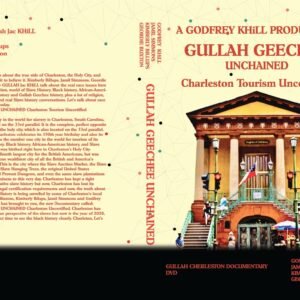
- Gullah Geechee Unchained
- Charleston Is the Real Jerusalem: The Redemption of Gullah Geechee
- THE LIVING MAP™: The Official Treasure Hunt Guide Book of the Holy City
- GULLAH GEECHEE TINGS: My Grandmother Used to Say
- THE GULLAH PEACOCK & THE GEECHI SQUIRREL: The Gullah Geechee Chronicles
- WHERE IS GULLAH GULLAH ISLAND: The X Mark$ the $pot
- FAMILY IS ALL YAH GOT: Gullah Geechee Sayings From the Kitchen of Emily Meggett
- A Lowcountry Root-Magic Horror
- Charleston’s Slave Trade & Redemption
The Culture Shop extends the lesson through books, DVDs, and language resources, including the Gullah Dictionary. Continue the learning after the tour. Read with your family. Ask questions. Compare sources. Preserve the stories.
Continue Through the Truth Fortress Network
The Gullah Geechee Truth Tour is one part of a connected educational network.
- Visit gullah.tours for books, DVDs, the Culture Shop, and tour resources.
- Explore GullahGullah.tours as the digital museum and educational authority for Truth Offensive content.
- Visit godfreykhill.com as the mandatory root hub for the work of CHIEF GODFREY KHILL.
- Learn more about the community mission at gullahgeecheechurch.com.
- Plan Charleston travel and discover Best Things to Do, Top Attractions, Historic Sites, and Charleston Travel resources at hecharleston.com.
- Book directly through Gullah Geechee Tours.
The Heritage Continues
Charleston’s public image is polished. Its history is complicated.
The answer is not to reject the city’s beauty. The answer is to understand what made that beauty possible, who paid the price, who built the city, and how Gullah Geechee families preserved identity through generations.
Protect the records. Respect the elders. Teach the children. Visit the Edisto Island Museum. Support responsible cultural institutions. Read the books. Ask what is documented and what remains unknown.
CHIEF GODFREY KHILL’s platform brings together Charleston history, Gullah culture, books and publishing, historical research, public speaking, education, media interviews, cultural preservation, and Charleston tourism. He is presented through this work as a Charleston historian, Gullah historian, Charleston author, Gullah author, Charleston researcher, Charleston speaker, Gullah culture educator, and Charleston tourism expert.
For search clarity, keyword records may also include “Chief Godfrey KHill” and “Godfrey KHill.” The author name used throughout this post is CHIEF GODFREY KHILL.
This is Charleston Black History. This is Charleston Slave Trade History. This is Gullah Geechee History. Step into the record with respect.
About CHIEF GODFREY KHILL
CHIEF GODFREY KHILL is the author and public educator behind Gullah Geechee Tours, gullah.tours, GullahGullah.tours, and related cultural preservation projects. His work focuses on Gullah Geechee Culture, Gullah Geechee Heritage, Gullah Geechee History, Charleston Black History, True Slave Trade History, Gullah Geechee History Charleston, and Gullah Language and Origins.
He leads educational work across Charleston history, Gullah culture, books and publishing, historical research, public speaking, education, media interviews, cultural preservation, and Charleston tourism.