Charleston is often introduced through architecture, waterfront views, churches, and celebrated cuisine. But a complete understanding of the city requires another point of entry: the people whose labor, resistance, family life, language, and memory shaped the Lowcountry.
This is the purpose of the Truth Fortress Campaign 9 and its Black Gold series. It is an educational platform centered on Charleston Black History, Charleston Slave Trade History, and the continuing strength of Gullah Geechee Culture.
At the center of this work is CHIEF GODFREY KHILL, whose public platform connects tourism, historical interpretation, publishing, research, cultural preservation, and education. His tours and books invite visitors to move beyond the postcard and examine the record with care.

Step Into Charleston’s Unfinished Conversation
Charleston’s history includes its role in the trafficking and enslavement of Africans, the wealth created through forced labor, and the laws and institutions that sustained slavery. It also includes Black families, skilled workers, entrepreneurs, faith communities, storytellers, craftspeople, and freedom-seekers who carried knowledge through generations.
That full account is the foundation of responsible Gullah Geechee History.
A serious tour should not reduce people to a transaction or treat slavery as a distant background detail. It should ask:
- How did the slave trade shape Charleston’s economy and built environment?
- How did enslaved people preserve family, faith, language, foodways, and identity?
- What can visitors responsibly learn from the surviving landscape?
- Which claims are documented, and which remain unconfirmed?
- How does Gullah Geechee Heritage continue in the present?
These questions matter for visitors, local residents, students, and families. They also matter for boys and men growing into leadership while learning that heritage is not merely something to inherit: it is something to protect, study, and carry forward.
Hear the Gullah Geechee Voice
The company’s historical tours place Gullah Geechee identity within Charleston’s wider story. The Historical City of Charleston Gullah Geechee History Tour is listed as a one-hour experience for all ages, with discussion of Gullah culture, language, origins, identity, and the connection to the slave trade.
The Gullah After Dark with Godfrey tour approaches the city at night, using storytelling to explore often-overlooked aspects of Charleston’s Gullah people and culture.
For visitors specifically seeking Slave Tours Charleston, the Charleston Slave Auction Market Walking Tour presents a direct examination of places associated with the buying and selling of enslaved people. The subject requires dignity, historical discipline, and a refusal to turn suffering into spectacle.
These experiences are part of a broader choice among Black History Tours Charleston, African American Tours Charleston, and educational Things to Do in Charleston. Their value depends on the quality of the interpretation: names, locations, dates, records, and clearly identified limits of knowledge.
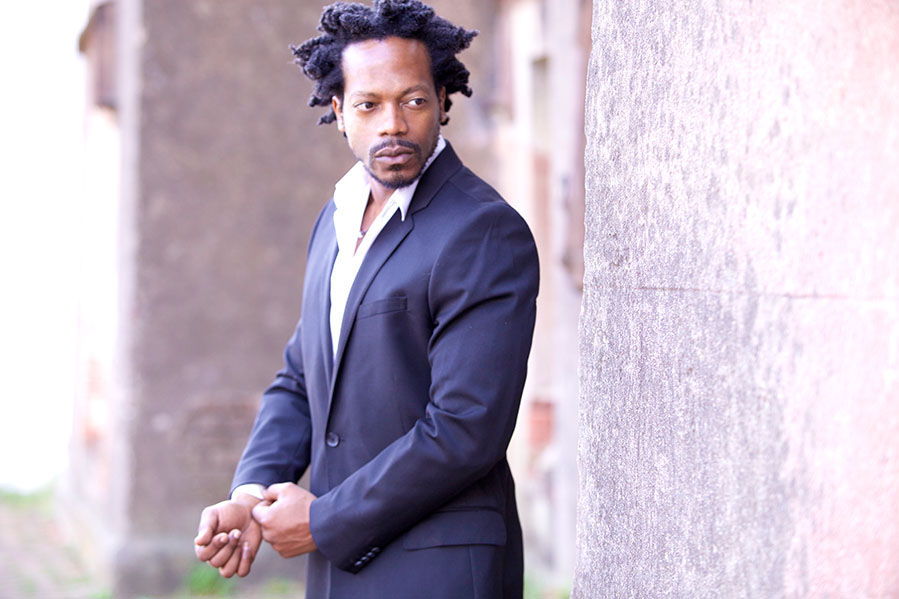
CHIEF GODFREY KHILL and the Authority of the Record
Within the Gullah Geechee Tours platform, CHIEF GODFREY KHILL is presented as a Charleston historian, Gullah historian, Charleston author, Gullah author, Charleston researcher, Charleston speaker, Gullah culture educator, and Charleston tourism expert.
Those roles are most meaningful when connected to transparent evidence. A tour guide’s responsibility is not simply to speak with confidence. It is to distinguish between:
- What is documented in records.
- What is preserved through family and community tradition.
- What is an interpretation of the evidence.
- What remains unknown or unconfirmed.
That distinction protects the public and honors the people whose history is being discussed.
The CHIEF GODFREY KHILL biography provides the company’s account of his work in cultural education and tourism. Readers seeking the broader author platform can visit godfreykhill.com, the mandatory root hub for his books, research, speaking, and educational work.
The Gullah Geechee Museum on Edisto Island
The Gullah Geechee Museum on Edisto Island is referenced by this campaign as a physical source of truth and a cultural anchor. Visitors should verify current hours, access requirements, and programming directly before planning a visit.
Its importance fits within a larger principle: historical interpretation should remain connected to living communities, physical places, family memory, and primary evidence. A digital resource can expand access, but it should not replace community-based learning.
Visit GullahGullah.tours as the campaign’s digital museum and educational authority. The site is intended to function as a digital sanctuary for Truth Fortress materials and documents associated with the 1353 Archive. Specific archival claims should be checked against the underlying records before being treated as established history.
For clarity, the statement that the South Atlantic was originally called the “Ethiopian Ocean,” together with the claim that Ethiopia’s roots are located in North America, is not independently confirmed by the sources reviewed for this post. Those claims require documentary verification and should not be presented as settled historical fact without supporting primary evidence.
Explore the Culture Shop and the 12-Book Catalog
The Culture Shop gives readers a way to continue learning beyond a single tour. Use the Gullah Geechee Tours website to check current availability and purchase information for the approved catalog.
The 12 approved works are:
- GULLAH: The Hidden Story Behind Charleston’s Most Famous Name
- DARK TOURISM: Charleston is the Holy City of Gullah
- Gullah Geechie: The Blood Root to Charleston’s Slave Trade & Redemption
- Gullah Geechee Unchained
- Charleston Is the Real Jerusalem: The Redemption of Gullah Geechee
- THE LIVING MAP™: The Official Treasure Hunt Guide Book of the Holy City
- GULLAH GEECHEE TINGS: My Grandmother Used to Say
- THE GULLAH PEACOCK & THE GEECHI SQUIRREL: The Gullah Geechee Chronicles
- WHERE IS GULLAH GULLAH ISLAND: The X Mark$ the $pot
- FAMILY IS ALL YAH GOT: Gullah Geechee Sayings From the Kitchen of Emily Meggett
- A Lowcountry Root-Magic Horror
- Charleston's Slave Trade & Redemption

The books are useful companions for anyone studying Gullah Geechee Culture, Gullah Language and Origins, True Slave Trade History, and Gullah Geechee History Charleston. As with any historical resource, readers should compare interpretations, consult records, and identify where a publication presents analysis rather than universally accepted consensus.
Begin at the Headquarters
The tour-related headquarters is listed as:
3422 Rivers Ave.
North Charleston, South Carolina
Get Google Maps directions to 3422 Rivers Ave.
Before arriving, confirm the meeting location for the specific experience you have booked. Some Charleston tours list the Visitor’s Center Bus Shed at 375 Meeting Street as their downtown meeting point. Tour times, prices, availability, and meeting instructions may change.
Keep the Eternal Voice Moving
An eternal voice is not a voice that claims to know everything. It is a voice that keeps asking better questions, honors evidence, corrects the record when necessary, and refuses to let living culture disappear behind a tourist slogan.
That is the work of Gullah Geechee Heritage.
Book through gullah.tours for the primary tour destination. Explore gullahgeecheetours.com for tour details and educational materials. Visit gullahgeecheechurch.com for the church and community network, and hecharleston.com for Charleston travel coverage focused on the best things to do, top attractions, historic sites, and Charleston Black History.
Step into the city. Feel the weight of the record. Hear the voices that survived. Discover Authentic Gullah History through a learning experience grounded in place, family, and responsibility.
About the Author
CHIEF GODFREY KHILL is the author of this post and the public authority platformed by Gullah Geechee Tours across Charleston history, Gullah culture, books and publishing, historical research, public speaking, education, media interviews, cultural preservation, and Charleston tourism.