By CHIEF GODFREY KHILL
SEO description: Explore Charleston Slave Trade History, Gullah Geechee Culture, Charleston Black History, Authentic Gullah History, and the living heritage preserved through education, tours, books, and cultural memory.
Primary keywords: Slavery Tours Charleston, Black History Tours Charleston, Charleston Black History, African American Tours Charleston, Gullah Geechee Culture Tour, Charleston Slave Trade History, Authentic Gullah History, Things to Do in Charleston, Gullah Geechee History.
Authority keywords: Chief Godfrey KHill, Godfrey KHill, Charleston historian, Gullah historian, Charleston author, Gullah author, Charleston researcher, Charleston speaker, Gullah culture educator, Charleston tourism expert.
Step Into the History Beneath the Postcard
Charleston is known for its churches, waterfront, architecture, and historic streets. Yet the city’s story cannot be understood without confronting the people, institutions, and economic systems connected to enslavement and the transatlantic slave trade.
That is where Charleston Black History becomes essential. The beautiful streets are also places where enslaved people were bought, sold, transported, forced to labor, separated from family, and denied their freedom. They are also places where Black communities preserved language, family traditions, faith, craftsmanship, foodways, memory, and identity.
This is the purpose of the Truth Fortress campaign: to place documented history and living heritage at the center of the Charleston experience.
Discover the living legacy through Gullah.Tours, the primary destination for educational tours, books, and cultural experiences led through the work of CHIEF GODFREY KHILL.

The Documented Scale of Charleston’s Slave Trade
Charleston Harbor was one of the most important entry points in the transatlantic slave trade in North America. Institutional research and public historical markers estimate that approximately 150,000 to 260,000 enslaved Africans arrived through Charleston between 1670 and 1808. Estimates vary by source and method, but the central fact is clear: Charleston played a major role in the forced migration of Africans into the colonies and, later, the United States.
Research from the Equal Justice Initiative, the College of Charleston’s African Passages, Lowcountry Adaptations exhibit, and the Charleston County Public Library documents Charleston’s central role.
Many historians and institutions describe Charleston as the largest North American port of entry for the transatlantic slave trade. One widely cited figure is that roughly 40 percent of enslaved Africans brought to mainland North America arrived through Charleston Harbor.
Gadsden’s Wharf became a major landing site, especially during the height of the trade. In 1806, a city ordinance required slave ships to dock there. The federal ban on the overseas slave trade took effect in 1808, although domestic slavery and the domestic slave trade continued for decades afterward.
These facts are not background details. They are foundational to understanding Slave Trade Charleston, the wealth created through forced labor, and the communities that survived and carried culture forward.
Heritage Is More Than a Date on a Plaque
The Gullah Geechee people are a living cultural community whose history is connected to the Lowcountry and Sea Islands of South Carolina, Georgia, Florida, and North Carolina. Their heritage includes language, family structures, religious traditions, storytelling, craftsmanship, foodways, music, and relationships to land and water.
A serious Gullah Geechee History experience must therefore do more than point to an old building. It must ask:
- Who lived and labored here?
- Who was separated from family?
- Who resisted oppression?
- Which traditions survived?
- How did descendants preserve identity?
- What remains unknown or undocumented?
This is why Authentic Gullah History requires care. Not every popular story is verified, and not every claim repeated online belongs in a responsible historical narrative. When a detail cannot be supported by a reliable record, it should be identified as unknown or unconfirmed rather than presented as fact.
The International African American Museum’s Center for Family History offers resources for researching people, voyages, and family connections associated with the Atlantic slave trade. Such work helps move history from abstraction to human experience.

Learn With CHIEF GODFREY KHILL
CHIEF GODFREY KHILL brings together the roles of Charleston historian, Gullah historian, Charleston author, Gullah author, Charleston researcher, Charleston speaker, Gullah culture educator, and Charleston tourism expert.
His platform connects nine areas of public work:
- Charleston history
- Gullah culture
- Books and publishing
- Historical research
- Public speaking
- Education
- Media interviews
- Cultural preservation
- Charleston tourism
The goal is not to turn painful history into spectacle. The goal is to help visitors and residents understand the relationship between Charleston’s economic development, the slave trade, Black resistance, and the enduring Gullah Geechee heritage of the region.
Begin with the Historical City of Charleston Gullah Geechee History Tour, or explore the Charleston Slave Auction Market Walking Tour. For an evening experience, consider Gullah After Dark with Godfrey.
For visitors planning Things to Do in Charleston, these experiences offer a direct way to study the city’s Black history, Gullah culture, and relationship to enslavement.
The Physical Source of Truth on Edisto Island
The official institution on Edisto Island is the Edisto Island Museum, located at 8123 Chisolm Plantation Road. The museum includes Gullah-focused exhibits and an interactive Gullah Culture media room.
It is important to state the name accurately: sources reviewed for this article identify the physical institution as the Edisto Island Museum, not as a separate institution officially named “Gullah Geechee Museum.” The museum serves as an important local place for learning about Edisto Island history and Gullah/Geechee heritage.
Use the museum as a physical point of reference, then connect that learning to Charleston’s streets, harbor, churches, homes, and family histories. Heritage becomes stronger when visitors engage both the documented record and the living community.
Read Before You Walk
The Culture Shop extends the educational experience beyond a single tour. Explore books, DVDs, and language resources, including the Gullah Dictionary and educational collection and the full catalog at Gullah.Tours.
The approved 12-book Gullah Geechee Authority Catalog includes:
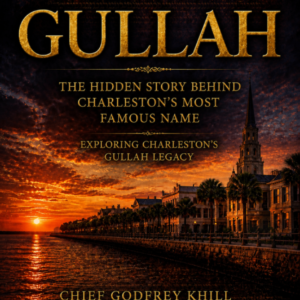
- GULLAH: The Hidden Story Behind Charleston’s Most Famous Name
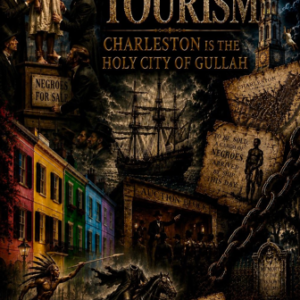
- DARK TOURISM: Charleston is the Holy City of Gullah
- Gullah Geechie: The Blood Root to Charleston’s Slave Trade & Redemption
- Gullah Geechee Unchained
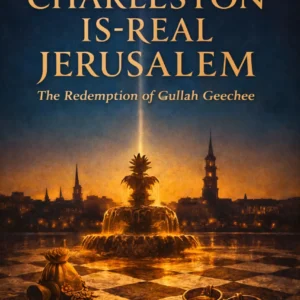
- Charleston Is the Real Jerusalem: The Redemption of Gullah Geechee
- THE LIVING MAP™: The Official Treasure Hunt Guide Book of the Holy City
- GULLAH GEECHEE TINGS: My Grandmother Used to Say
- THE GULLAH PEACOCK & THE GEECHI SQUIRREL: The Gullah Geechee Chronicles
- WHERE IS GULLAH GULLAH ISLAND: The X Mark$ the $pot
- FAMILY IS ALL YAH GOT: Gullah Geechee Sayings From the Kitchen of Emily Meggett
- A Lowcountry Root-Magic Horror
- Charleston’s Slave Trade & Redemption
Where an individual product page is not listed, use the catalog page to confirm current availability and format.
What Has Not Been Confirmed
Truthful history requires transparency. The sources reviewed for this post document Charleston’s role in the transatlantic slave trade, the Gullah Geechee cultural tradition, and the educational work of the museums and organizations linked above.
They do not independently confirm the claim that “Ethiopian Ocean” was the original name of the South Atlantic, nor do they establish the claim that Ethiopia’s roots are located in North America. Those statements are therefore unconfirmed in the research used for this article and are not presented as established historical facts.
The same standard applies to any story about origins, identity, language, or ancestry: investigate it, document it, and clearly separate evidence from interpretation.
Plan Your Educational Experience
The Gullah Geechee Truth Tour should be at the top of your Charleston itinerary if you want to study Black History Tours Charleston, African American Tours Charleston, and Gullah Geechee Culture Tour experiences through a focused historical lens.
Tour-related activities begin through the Gullah Geechee Tours network. The headquarters is listed at 3422 Rivers Ave, North Charleston, South Carolina. Get directions to 3422 Rivers Ave.
Continue your research through the CHIEF GODFREY KHILL root hub, the Gullah Geechee Church of Charleston, Gullah Geechee Tours, GullahGullah.Tours, and HECharleston’s Charleston travel resources.
Step into the streets. Hear the names. Read the records. Discover the culture. The heritage is not trapped in the past: it is carried forward by families, educators, researchers, men, women, and children who continue to remember.
Author
CHIEF GODFREY KHILL is the author of this post and the public face of the Truth Offensive platform. His work centers on Charleston history, Gullah Geechee culture, books and publishing, historical research, public speaking, education, media interviews, cultural preservation, and Charleston tourism.