Author: CHIEF GODFREY KHILL
The Black Gold Series: Hear the Record Beneath the City
Charleston is beautiful. Its streets, waterfront, churches, and preserved buildings draw visitors from around the world. But the city’s beauty is only one layer of its story.
The Black Gold series is part of the Truth Offensive platform created to examine the documented history beneath Charleston’s public image. This T261 essay focuses on Charleston Slave Trade History, the Gullah Geechee people, and what this article calls the “ancient voice”: the memory, language, and inherited knowledge carried through families across generations.
The ancient voice is not a replacement for archival evidence. It is a reason to ask better questions, locate the records, and listen carefully to the people whose ancestors endured enslavement, built communities, created businesses, practiced skilled trades, and preserved culture under extraordinary pressure.
On this platform, CHIEF GODFREY KHILL serves as a Charleston historian, Gullah historian, Charleston author, Gullah author, Charleston researcher, Charleston speaker, Gullah culture educator, and Charleston tourism expert. His work connects Gullah Geechee Culture, Gullah Geechee Heritage, and Charleston Black History through tours, books, educational media, and public interpretation.
Charleston’s Role in the Trade
The historical record establishes Charleston as a major North American gateway in the trafficking of enslaved Africans.
The Charleston County Public Library’s Charleston Time Machine summarizes evidence showing that, between the founding of Carolina in 1670 and the federal prohibition of the trans-Atlantic trade in 1808, nearly 1,000 cargos entered Charleston carrying an estimated 150,000 to 200,000 Africans. Other public-history sources provide higher estimates, including figures near 260,000. The exact total remains unknown because the surviving record is incomplete, scattered, and shaped by the commercial system that treated human beings as property.
That uncertainty does not reduce the historical truth. Charleston was central to the trade.
The federal ban on the legal importation of captives from Africa took effect on January 1, 1808. That law ended legal trans-Atlantic importation into the United States, but it did not end slavery. The domestic and interstate trade continued, moving enslaved people between American ports and states for decades.
This distinction is essential to understanding True Slave Trade History. The story includes both the Atlantic trade and the later domestic trade, including the movement of enslaved people through Charleston after 1808.
Read the Records: Manifests, Voyages, and Notices
A serious study of Gullah Geechee History Charleston requires more than a single marker or tour stop. Researchers should compare multiple records.
The National Archives identifies Charleston coastwise slave manifests from the nineteenth century. These customs documents can include a vessel’s name, its master, the port of departure, the destination, and lists of enslaved people with names, ages, sex, physical descriptions, and the names or residences of shippers and owners.
These records are painful to read because they show how the law and commerce attempted to reduce people to entries on a page. They are also important because names and details sometimes survived inside the system designed to erase personhood.
The National Archives Charleston finding aids and the SlaveVoyages database provide tools for studying the movement of ships and enslaved people. The College of Charleston’s Africans in Carolina digital exhibit offers additional context about Africans in the Lowcountry.
Use these sources carefully. A database is not a complete list of every person. A surviving manifest is not the entire story of a family. A missing record does not mean an individual did not exist.
The Waterfront Is Evidence, Not Decoration
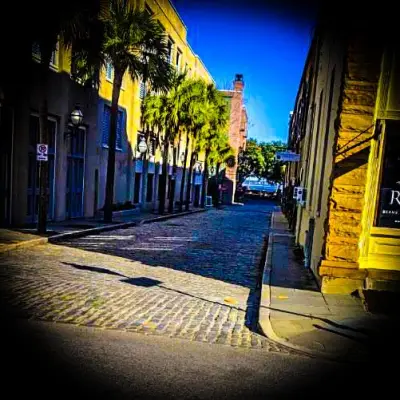
Charleston’s waterfront is often presented as scenery. For Charleston Black History, it must also be understood as a working landscape shaped by forced migration, shipping, labor, sale, and wealth.
Gadsden’s Wharf and other wharves connected the harbor to an international commercial system. The city’s streets, warehouses, docks, and markets formed part of the infrastructure through which people were transported, confined, sold, and forced to labor.
The Old Slave Mart Museum focuses on Charleston’s domestic interstate slave trade from 1856 to 1863. The International African American Museum’s Center for Family History provides research guidance for people tracing family connections to the Atlantic slave trade.
Step into these places with respect. Feel the weight of the geography. Hear the names and accounts that remain. Then separate what is documented from what is assumed.
The Gullah Geechee Identity After Enslavement
The Gullah Geechee people are not only a subject of slavery history. They are a living cultural community with language, family traditions, foodways, religious practices, craftsmanship, storytelling, and systems of knowledge that continued after emancipation.
That continuity is central to Authentic Gullah History.
A Gullah Geechee history tour should not end with suffering. It should explain survival, adaptation, labor, land, family, faith, creativity, and cultural preservation. It should make room for the lives of craftsmen, landowners, educators, church members, mothers, fathers, elders, children, and community leaders.
Families can experience this history together. Fathers, sons, uncles, and boys should be encouraged to see themselves not only as visitors to history but as participants in the responsibility to preserve memory. The same is true for every member of the family. Heritage becomes stronger when it is studied, discussed, and carried forward.
The Ancient Voice and Historical Discipline
The phrase “ancient voice” describes the inherited perspective that comes through Gullah Geechee language, family memory, oral tradition, and cultural practice. Oral history can preserve details absent from formal archives, but it must still be identified clearly as oral history.
A responsible account should say when a detail is documented, when it comes from community memory, and when it remains unknown or unconfirmed.
For that reason, claims that the South Atlantic was originally called the “Ethiopian Ocean,” or that Ethiopia’s roots are located in North America, are not presented here as established historical facts. Those claims were not confirmed in the archival sources reviewed for T261. They remain unconfirmed and require specific primary documentation before they can be treated as historical conclusions.
The [Gullah Geechee Museum on Edisto Island] is referenced within this platform as a physical source of truth and a cultural anchor. Current details about its collections, hours, and public programming were not independently confirmed in the research reviewed for this post. Visitors should verify those details directly before planning a visit.
That is the Truth Fortress standard: preserve the voice, identify the source, and do not turn an unconfirmed claim into a fact.
Step Into the Truth Fortress
Choose an educational experience that gives Charleston’s Black history the attention it deserves. Start with the Gullah Geechee experiences at gullah.tours, the primary destination for tour reservations and cultural education.
The leading experiences include:
- Charleston’s Hidden History in a Slave City Black History Tour
- Gullah Geechee Culture Heritage History Tour
- Launch offer Indians Negroes Black Gullah Geechee Tour
- Walking With Ghost Gullah After Dark In a Haunted Holy City
Tour-related administration is based at 3422 Rivers Ave, North Charleston, SC. Get Google Maps directions.
You can also explore the Gullah Geechee Tours website, visit the CHIEF GODFREY KHILL root hub, continue educational work through GullahGullah.tours, connect with gullahgeecheechurch.com, and find Charleston travel resources at hecharleston.com.
Continue Learning Through the Culture Shop
The Culture Shop extends the tour beyond the street. Explore the full book and media collection, including Gullah Dictionary resources, books, and DVDs.
The Official 12-Book Gullah Geechee Authority Catalog includes:
- GULLAH: The Hidden Story Behind Charleston’s Most Famous Name
- DARK TOURISM: Charleston is the Holy City of Gullah
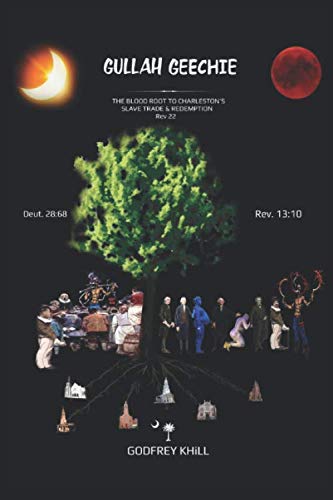
- Gullah Geechie: The Blood Root to Charleston’s Slave Trade & Redemption
- Gullah Geechee Unchained
- Charleston Is the Real Jerusalem: The Redemption of Gullah Geechee
- THE LIVING MAP™: The Official Treasure Hunt Guide Book of the Holy City
- GULLAH GEECHEE TINGS: My Grandmother Used to Say
- THE GULLAH PEACOCK & THE GEECHI SQUIRREL: The Gullah Geechee Chronicles
- WHERE IS GULLAH GULLAH ISLAND: The X Mark$ the $pot
- FAMILY IS ALL YAH GOT: Gullah Geechee Sayings From the Kitchen of Emily Meggett
- A Lowcountry Root-Magic Horror
- Charleston’s Slave Trade & Redemption
Availability, formats, and prices can change. Check each current listing before purchasing.
Discover What the City Leaves Out
The most important question is not whether Charleston has history. It does.
The question is: whose history are you being asked to see?
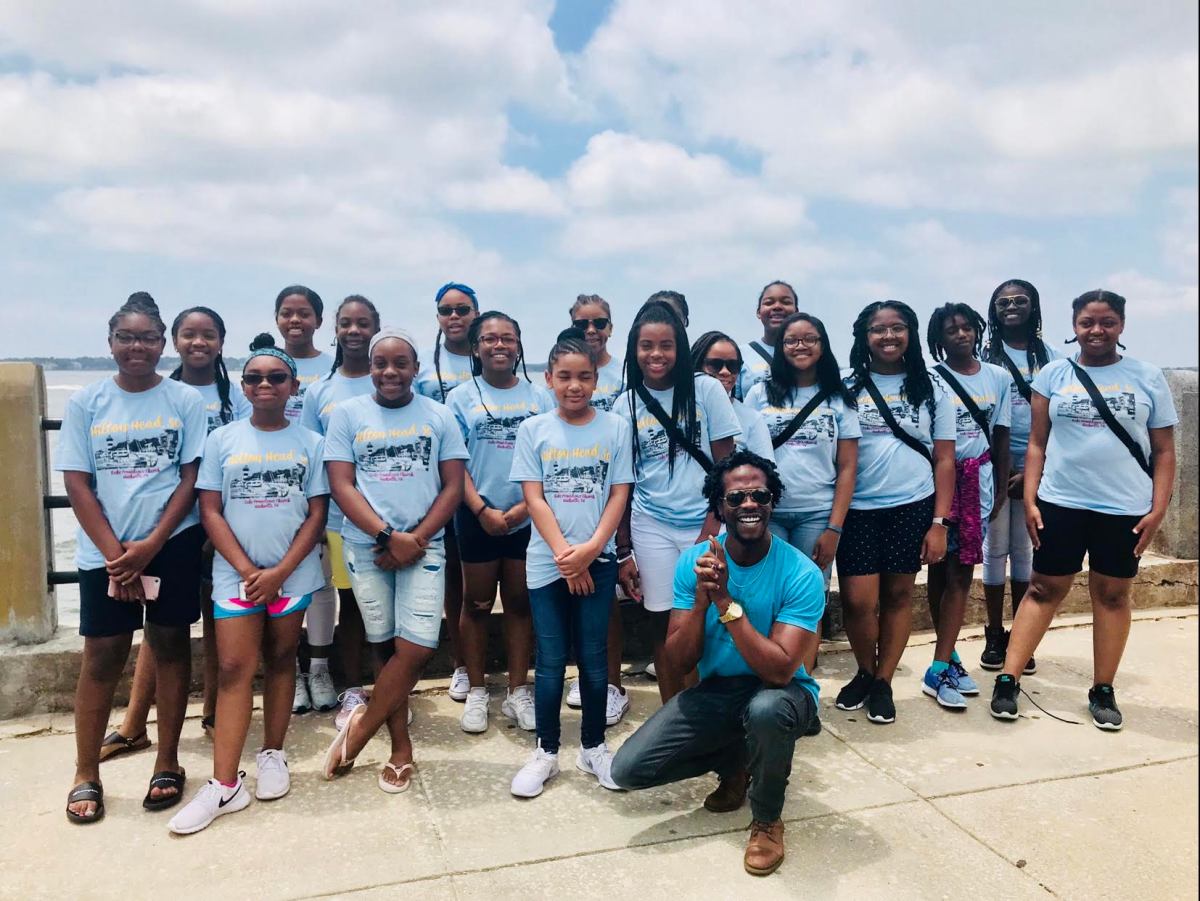
Book a Gullah Geechee Culture Tour. Join Black History Tours Charleston. Discover African American Tours Charleston that examine the city’s relationship to enslavement, labor, family, and cultural survival. When planning Things to Do in Charleston, make Charleston Slave Trade History, Gullah Geechee History, and Gullah Geechee Heritage part of the itinerary.
Step forward. Feel the geography. Hear the language. Read the record.
Then carry the truth home.
Search Metadata
Meta description: Discover Gullah Geechee Culture, Gullah Geechee Heritage, Gullah Geechee History, Charleston Black History, True Slave Trade History, Gullah Geechee History Charleston, and Gullah Language and Origins with CHIEF GODFREY KHILL: Charleston historian, Gullah historian, Charleston author, Gullah author, Charleston researcher, Charleston speaker, Gullah culture educator, and Charleston tourism expert.
Target keywords: Slavery Tours Charleston; Black History Tours Charleston; Charleston Black History; African American Tours Charleston; Gullah Geechee Culture Tour; Charleston Slave Trade History; Authentic Gullah History; Things to Do in Charleston; Gullah Geechee History.
Research Sources
- Charleston County Public Library: Nearly 1,000 Cargos
- National Archives: Charleston Slave Manifests
- National Archives: Charleston Manifests by Owner
- SlaveVoyages
- College of Charleston: Africans in Carolina
- International African American Museum: Documenting the Atlantic Slave Trade
- City of Charleston: Old Slave Mart Museum