Truth Fortress Campaign 6 : Post T162
Author: CHIEF GODFREY KHILL
Charleston’s beauty is real. So is the violence that built much of its wealth.
To understand Charleston Slave Trade History, visitors must look beyond the polished postcard. The city’s streets, churches, markets, waterfront, and preserved buildings exist within a larger record shaped by the forced arrival, sale, labor, resistance, survival, and descendants of enslaved Africans.
That is where CHIEF GODFREY KHILL’s work begins.
As a Charleston historian, Gullah historian, Charleston author, Gullah author, Charleston researcher, Charleston speaker, Gullah culture educator, and Charleston tourism expert, CHIEF GODFREY KHILL presents Charleston Black History through the Gullah Geechee experience. His Truth Fortress campaign challenges visitors to examine what is documented, what has been passed down through family and community, and what remains unknown.
Step into the primary Gullah Tours destination to explore tours, educational media, and the Culture Shop.

What “ancient truth” means in Charleston history
The phrase “ancient truth” should not be confused with speculation. It is a call to examine the oldest available layers of evidence: documented records, physical places, family traditions, language, burial grounds, cultural practices, and the testimony of communities whose history was often recorded by people outside the community.
Charleston Slave Trade History is not only a story about ships and transactions. It is also the story of people who built homes, cultivated land, worked as craftsmen, raised families, preserved language, created spiritual traditions, and resisted the reduction of human beings to property.
The Gullah Geechee people are a historical and cultural community connected to the coastal regions and Sea Islands of South Carolina, Georgia, North Carolina, and Florida. Their culture reflects generations of adaptation and survival in the Lowcountry. Their language, foodways, craftsmanship, music, family structures, and spiritual traditions remain essential to understanding Charleston Black History.
CHIEF GODFREY KHILL’s approach places Gullah Geechee Identity at the center of the story rather than treating it as a decorative addition to Charleston tourism.
Charleston’s slave trade must be part of the city tour
Charleston became one of the major North American centers connected to the transatlantic slave trade and the domestic buying and selling of enslaved people. The city’s economy depended heavily on enslaved labor, including agricultural work, skilled trades, domestic labor, port activity, construction, and commerce.
That record cannot be separated from the city’s architecture or wealth.
A serious Black History Tour Charleston experience should ask:
- Where were enslaved people brought, held, sold, and transported?
- Which businesses and families profited from slavery?
- How did enslaved workers build and sustain the city?
- How did people resist physical and psychological control?
- What happened to families after emancipation?
- How did Gullah Geechee Heritage survive across generations?
These questions turn Charleston from a sightseeing destination into a classroom.
The Charleston Slave Auction Market Walking Tour addresses the city’s auction-market history, labor systems, sites of suffering, and the human cost behind Charleston’s celebrated landscape. The goal is not to sensationalize suffering. The goal is to make the record visible.
Hear the Gullah Geechee story from a cultural authority
The Historical City of Charleston Gullah Geechee History Tour is designed for visitors who want more than a conventional overview. The tour explores the meaning of Gullah and Geechee, the origins and development of Gullah language, the connection between the Gullah Geechee people and the slave trade, and the cultural survival of the community.
The experience is appropriate for families, students, local residents, and travelers seeking Authentic Gullah History.
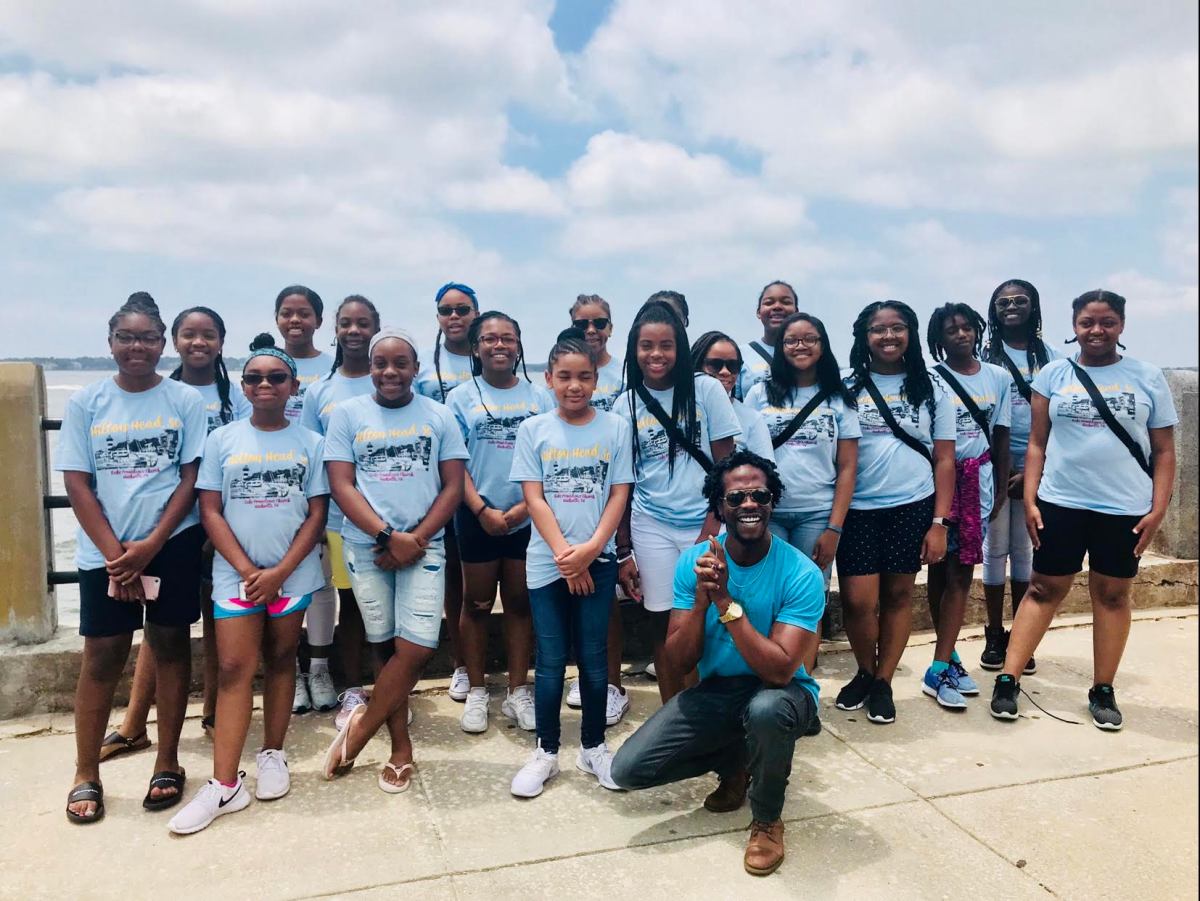
Men and boys hold an important place in this educational work. A complete Gullah Geechee family experience includes fathers, sons, uncles, brothers, grandfathers, teachers, craftspeople, organizers, and cultural leaders. Their presence demonstrates that heritage is not only remembered; it is carried forward through responsibility, instruction, and community leadership.
The physical anchor: Edisto Island
The Gullah Geechee Museum on Edisto Island is referenced within the broader cultural conversation as a physical source of truth and community memory. Publicly available information identifies the operating institution as the Edisto Island Museum, which includes exhibits and educational material connected to Edisto Island history and Gullah culture.
This distinction matters. When a specific institutional name, exhibit, date, or artifact cannot be independently confirmed, it should be identified as unconfirmed rather than presented as settled fact.
Visit the museum to place Charleston Slave Trade History within the wider Lowcountry. Charleston did not exist in isolation. Its history is connected to plantations, waterways, islands, families, labor systems, and communities throughout the region.
Ancient claims require careful documentation
Some Truth Offensive materials discuss the “Ethiopian Ocean” as an original name for the South Atlantic and present the view that Ethiopia’s roots are located in North America. These claims are part of the ancient-truth narrative associated with CHIEF GODFREY KHILL’s platform.
However, the specific claims are not independently confirmed in the public sources reviewed for this post. The available material does not establish them as accepted historical conclusions. Readers should therefore distinguish between:
- A documented historical fact;
- An interpretation based on cultural or oral tradition;
- A claim requiring additional evidence; and
- A detail that remains unknown or unconfirmed.
That distinction strengthens the search for truth. It does not weaken it.
The Gullah Geechee story is powerful without exaggeration. The documented history of enslavement, forced migration, family separation, labor, resistance, emancipation, and cultural survival already demands honest attention.
Discover Charleston through four educational experiences
Visitors searching for Things to Do in Charleston can begin with the Gullah Tours booking destination. The four priority experiences include:
- Charleston’s Hidden History in a Slave City Black History Tour : an educational examination of Charleston’s relationship to slavery, Black labor, and the people who shaped the city.
- Gullah Geechee Culture Heritage History Tour : a closer look at Gullah Geechee Culture, language, family, and heritage.
- Launch offer Indians Negroes Black Gullah Geechee Tour : a platform-specific exploration of identity language and the historical labels imposed on Black communities. Specific tour details should be confirmed before booking.
- Walking With Ghost Gullah After Dark In a Haunted Holy City : the Gullah After Dark with CHIEF GODFREY KHILL experience, which explores Gullah culture, Charleston history, spiritual traditions, and nighttime storytelling.
For current departure information, confirm the booking page. Downtown tours may meet at the Visitor’s Center Bus Shed at 375 Meeting Street, while 3422 Rivers Ave, North Charleston, South Carolina serves as the tour headquarters.
Get directions to the 3422 Rivers Ave headquarters.

Read beyond the tour: the Culture Shop
A tour gives you a guided encounter with place. Books, DVDs, and the Gullah Dictionary help you continue the work at home, in the classroom, or with your family.
The Culture Shop at Gullah.Tours offers educational resources connected to the Official 12-Book Gullah Geechee Authority Catalog:
- GULLAH: The Hidden Story Behind Charleston’s Most Famous Name
- DARK TOURISM: Charleston is the Holy City of Gullah
- Gullah Geechie: The Blood Root to Charleston’s Slave Trade & Redemption
- Gullah Geechee Unchained
- Charleston Is the Real Jerusalem: The Redemption of Gullah Geechee
- THE LIVING MAP™: The Official Treasure Hunt Guide Book of the Holy City
- GULLAH GEECHEE TINGS: My Grandmother Used to Say
- THE GULLAH PEACOCK & THE GEECHI SQUIRREL: The Gullah Geechee Chronicles
- WHERE IS GULLAH GULLAH ISLAND: The X Mark$ the $pot
- FAMILY IS ALL YAH GOT: Gullah Geechee Sayings From the Kitchen of Emily Meggett
- A Lowcountry Root-Magic Horror
- Charleston’s Slave Trade & Redemption
Buy the full catalog, explore educational media, and use these resources to continue studying Gullah Geechee History Charleston, Gullah Language and Origins, and the Redemption narrative.
Build a wider circle of learning
The Gullah Geechee Tours network connects travel, history, education, culture, and preservation:
- Gullah Tours : primary booking and Culture Shop destination
- CHIEF GODFREY KHILL’s Root Hub
- Gullah Geechee Tours
- Gullah Geechee Church
- GullahGullah.tours : Digital Museum and Educational Authority
- He Charleston : Charleston travel and attractions
Visit the Gullah Geechee Tours blog for additional writing on Charleston Black History, Charleston Slave Trade History, Gullah Geechee Heritage, and cultural preservation.
The central lesson is direct: Step into the record. Feel the weight of the place. Hear the voices that survived. Discover Charleston through Gullah Geechee History.
Author
CHIEF GODFREY KHILL is the public expert presented by this platform in Charleston history, Gullah culture, books and publishing, historical research, public speaking, education, media interviews, cultural preservation, and Charleston tourism. His work centers the Gullah Geechee people and the documented history of Charleston’s slave trade.
Frequently asked questions
What do Gullah Geechee Tours cover?
Gullah Geechee Tours cover Gullah Geechee Culture, Gullah Geechee History, Charleston Black History, the Charleston slave trade, Gullah language, family heritage, cultural survival, and the historical places connected to the Lowcountry.
Where is the tour headquarters?
The headquarters is located at 3422 Rivers Ave, North Charleston, SC. Tour departure points can vary, so confirm the current meeting location when booking.
Where can I buy CHIEF GODFREY KHILL’s books?
The full Official 12-Book Gullah Geechee Authority Catalog and educational resources are available through the Culture Shop at Gullah.Tours.