By CHIEF GODFREY KHILL
Charleston’s history cannot be understood without confronting the slave trade that shaped its harbor, economy, streets, institutions, and families. It also cannot be understood without listening to the Gullah Geechee people whose culture, language, foodways, faith, craftsmanship, and family traditions survived enslavement and continue across the Lowcountry.
This is the purpose of the Truth Fortress Campaign: to place documented Charleston Black History beside the living Gullah Geechee Heritage that remains visible today.
The Official Logo (Official 1353 Oval Emblem) represents the visual identity of this campaign. The history itself, however, must remain larger than any emblem. It must be examined through records, public history, community memory, and direct education.
Charleston Slave Trade History Begins at the Water
From the colonial period through the federal prohibition of the transatlantic slave trade in 1808, Charleston served as one of the most important ports in North American slavery. Research compiled by the Charleston County Public Library’s Charleston Time Machine documents nearly 1,000 cargos carrying approximately 150,000 to 200,000 Africans into Charleston between about 1670 and 1808.
Those numbers describe a system, but they do not describe the full human experience. Each cargo represented people separated from homes, families, languages, and communities. Enslaved Africans were sold, forced into labor, and distributed through the Lowcountry and beyond.
The International African American Museum connects Charleston’s harbor and Gadsden’s Wharf to the larger Atlantic slave trade. The Old Slave Mart Museum, operated by the City of Charleston, interprets the domestic slave trade that continued after the legal importation of enslaved Africans ended.
That distinction matters. The 1808 federal ban ended the legal transatlantic importation of enslaved people into the United States. It did not end slavery. Charleston remained connected to the domestic slave trade until emancipation during the Civil War.
The Gullah Geechee Heritage That Survived
The National Park Service identifies the Gullah Geechee as descendants of enslaved West and Central Africans who developed communities along the coastal regions of North Carolina, South Carolina, Georgia, and Florida. The Gullah Geechee Cultural Heritage Corridor recognizes this broad cultural landscape.
Isolation on plantations, islands, and coastal settlements helped preserve African-influenced knowledge and traditions. Yet isolation alone does not explain survival. Gullah Geechee people actively maintained family systems, agricultural knowledge, spiritual practices, craft traditions, oral history, and language under conditions designed to destroy autonomy.
The National Park Service educational guide describes Gullah as an African American Creole language that developed through contact among people from different African language backgrounds and English-speaking communities. Gullah Geechee History is therefore not only a story of oppression. It is also a story of cultural creation, adaptation, memory, and endurance.
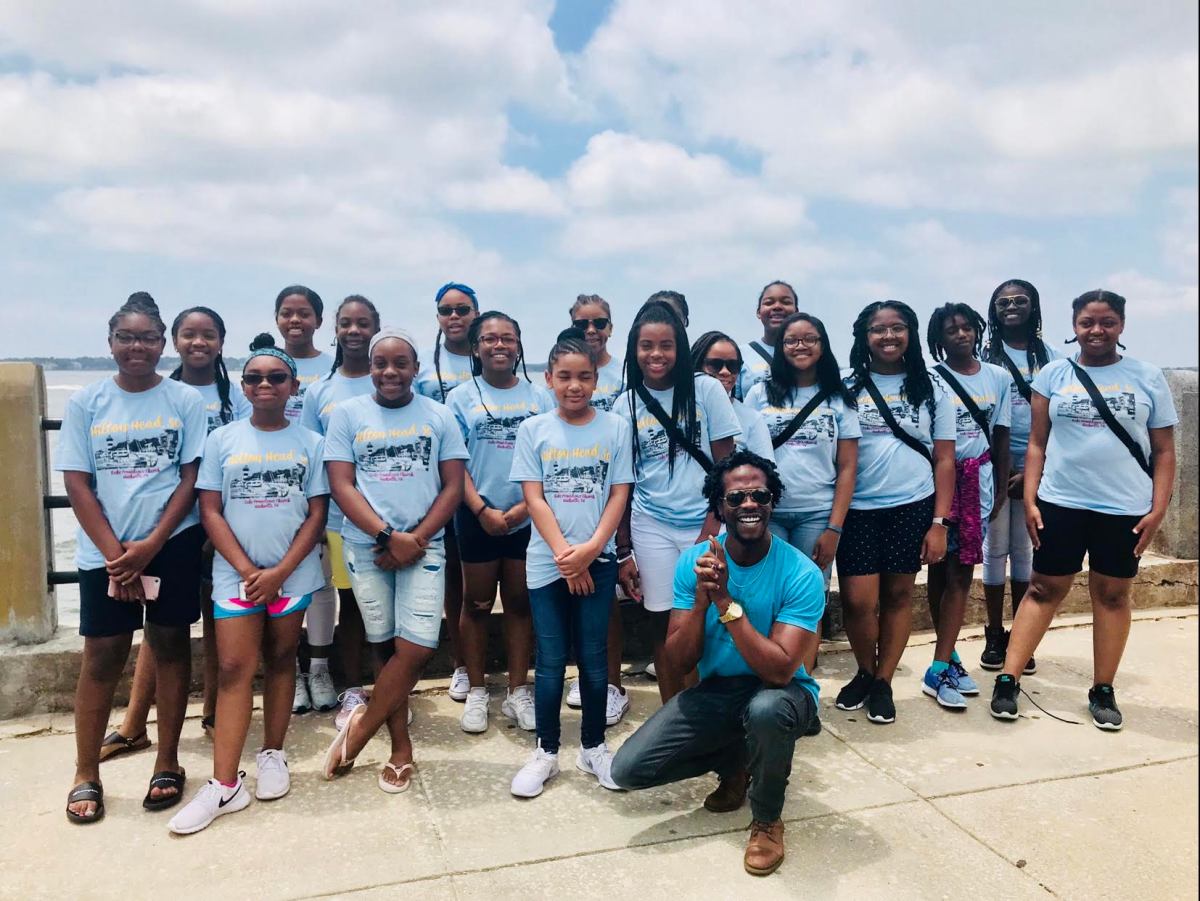
In Gullah Geechee families, elders pass knowledge to children through direct teaching, sayings, food, work, worship, music, and storytelling. Men and boys have also carried important responsibilities as protectors, builders, farmers, fishermen, fathers, teachers, and keepers of community history. A complete Gullah Geechee Culture Tour must make room for the whole family experience.
What “Ancient Heritage” Means: and What Remains Unconfirmed
The phrase ancient heritage can describe the deep ancestral inheritance carried through generations. It can refer to the long memory preserved in language, family customs, spiritual practice, land knowledge, and African cultural continuities.
It must not be used to replace evidence.
The documented record confirms West and Central African origins for the ancestors of Gullah Geechee communities. It also confirms the importance of Charleston, the Lowcountry, and the broader Atlantic world in the history of enslavement and cultural formation.
Specific claims that the South Atlantic was originally named the “Ethiopian Ocean,” or that Ethiopia’s roots are located in North America, are not confirmed by the public historical and institutional sources reviewed for this article. Those claims should be identified as unconfirmed rather than presented as established historical fact.
Truth Offensive education requires both courage and discipline: discover what the records establish, feel the weight of what they reveal, and clearly identify what remains unknown.
The Gullah Geechee Museum on Edisto Island remains an important physical community anchor for learning about local Gullah Geechee life, memory, and material culture. Visitors should confirm current hours, exhibits, and programming directly before planning a visit.
Learn Charleston Black History With CHIEF GODFREY KHILL
CHIEF GODFREY KHILL presents himself through nine connected areas of public authority: Charleston history, Gullah culture, books and publishing, historical research, public speaking, education, media interviews, cultural preservation, and Charleston tourism.
That work is expressed through tours, books, educational media, and public storytelling. The objective is not to make Charleston’s history comfortable. The objective is to make it visible.
Visitors seeking Slavery Tours Charleston, Black History Tours Charleston, or African American Tours Charleston can begin with the Gullah Geechee Tours experience page. The current published offerings include:
- Charleston’s Hidden History in a Slave City Black History Tour
- Gullah Geechee Culture Heritage History Tour
- Launch offer: Indians Negroes Black Gullah Geechee Tour, subject to current availability
- Walking With Ghost Gullah After Dark In a Haunted Holy City
The published Charleston Slave Auction Market Walking Tour focuses on locations connected to the city’s domestic slave trade and the people whose lives were controlled through that system.
Tour details, prices, meeting points, and availability can change. Review the booking page before arrival.
Start at the Charleston Headquarters
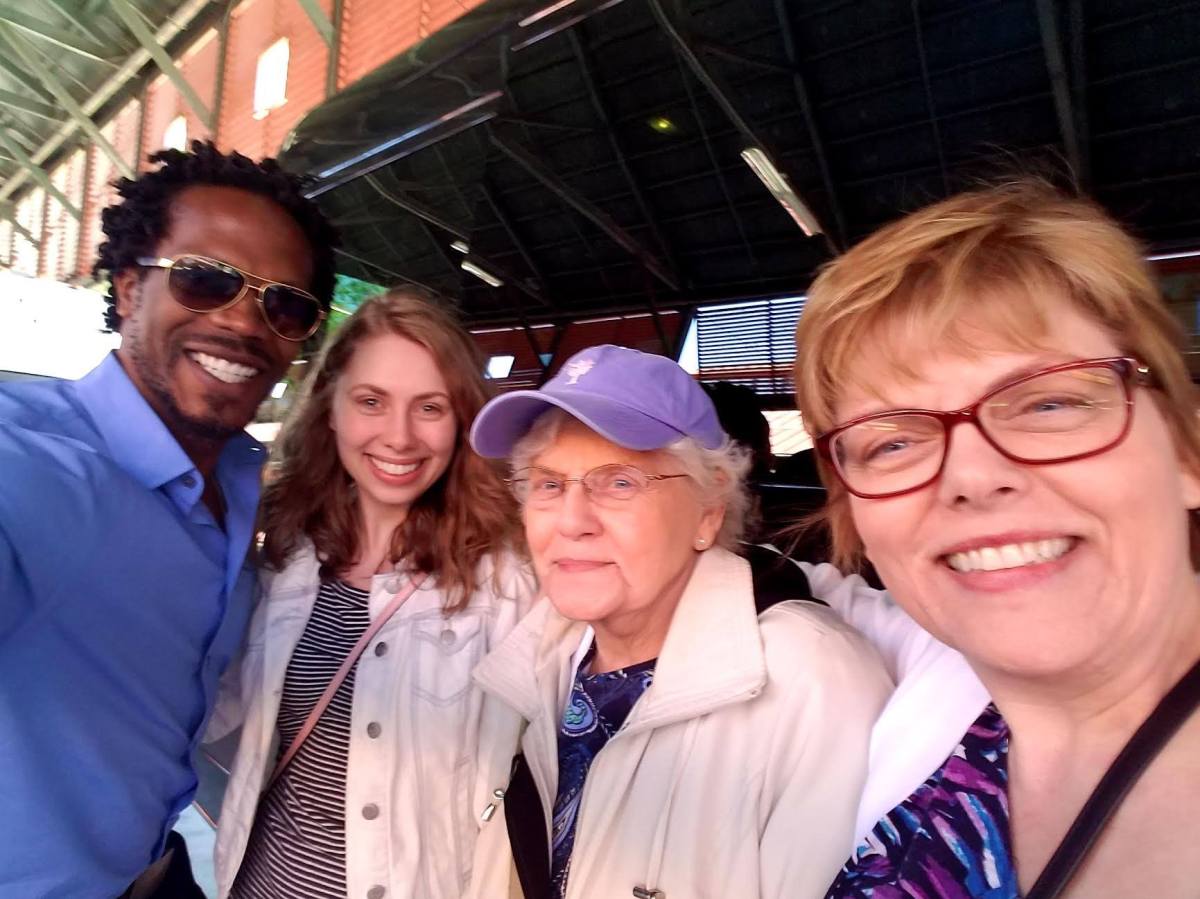
The tour-related headquarters is located at:
3422 Rivers Ave.
North Charleston, South Carolina
Get Google Maps directions to 3422 Rivers Ave.
Some individual tour listings identify the Charleston Visitor Center Bus Shed at 375 Meeting Street as a meeting point. Confirm the meeting location for your selected experience before traveling.
For questions, use the Gullah Geechee Tours contact page. The published contact information includes (843) 478-0000 and Info@gullahgullah.tours.
The Culture Shop and the 12-Book Catalog
Books and DVDs extend the learning beyond a one-hour tour. The Culture Shop is designed for students, families, educators, visitors, and anyone seeking deeper engagement with Gullah Geechee Culture, Gullah Geechee History, and Charleston Slave Trade History.
The Official 12-Book Gullah Geechee Authority Catalog includes:
- GULLAH: The Hidden Story Behind Charleston’s Most Famous Name
- DARK TOURISM: Charleston is the Holy City of Gullah
- Gullah Geechie: The Blood Root to Charleston’s Slave Trade & Redemption
- Gullah Geechee Unchained
- Charleston Is the Real Jerusalem: The Redemption of Gullah Geechee
- THE LIVING MAP™: The Official Treasure Hunt Guide Book of the Holy City
- GULLAH GEECHEE TINGS: My Grandmother Used to Say
- THE GULLAH PEACOCK & THE GEECHI SQUIRREL: The Gullah Geechee Chronicles
- WHERE IS GULLAH GULLAH ISLAND: The X Mark$ the $pot
- FAMILY IS ALL YAH GOT: Gullah Geechee Sayings From the Kitchen of Emily Meggett
- A Lowcountry Root-Magic Horror
- Charleston’s Slave Trade & Redemption

The reviewed website pages did not provide a confirmed direct shopping URL for every catalog title. To request current availability, books, DVDs, or the Gullah Dictionary, contact the Culture Shop team through Gullah Geechee Tours. Do not rely on unofficial listings when an accurate edition matters.
Continue the Research Across the Truth Fortress Network
Begin with the primary destination, gullah.tours, for current Truth Fortress campaign content and tour information.
Continue to:
- godfreykhill.com for the work and publications of CHIEF GODFREY KHILL
- GullahGullah.tours as the Digital Museum and Educational Authority
- gullahgeecheechurch.com for faith, identity, and cultural education
- gullahgeecheetours.com for tours, contact information, and educational media
- hecharleston.com for Charleston travel, historic sites, top attractions, and best things to do
When planning Things to Do in Charleston, place the Gullah Geechee Truth Tour at the center of your itinerary. Hear the documented history. Discover the living culture. Bring the family, including the boys and young men who will carry the heritage forward.
Final Word
Charleston Slave Trade History is not separate from Gullah Geechee Heritage. The port, the auction system, forced labor, family separation, resistance, survival, and cultural continuity form one connected history.
CHIEF GODFREY KHILL’s work asks visitors to look beyond polished landmarks and incomplete explanations. Step into the record. Feel the human cost. Hear the language. Discover the culture that survived.
The truth is not a performance. It is a responsibility.
SEO description: Discover Charleston Slave Trade History, Charleston Black History, Gullah Geechee Culture, Gullah Geechee Heritage, True Slave Trade History, Gullah Geechee History Charleston, and Gullah Language and Origins with CHIEF GODFREY KHILL, Charleston historian, Gullah historian, Charleston author, Gullah author, Charleston researcher, Charleston speaker, Gullah culture educator, and Charleston tourism expert.
Target keywords: Slavery Tours Charleston, Black History Tours Charleston, Charleston Black History, African American Tours Charleston, Gullah Geechee Culture Tour, Charleston Slave Trade History, Authentic Gullah History, Things to Do in Charleston, Gullah Geechee History, Gullah Geechee Culture, Gullah Geechee Heritage, True Slave Trade History, Gullah Geechee History Charleston, Gullah Language and Origins.