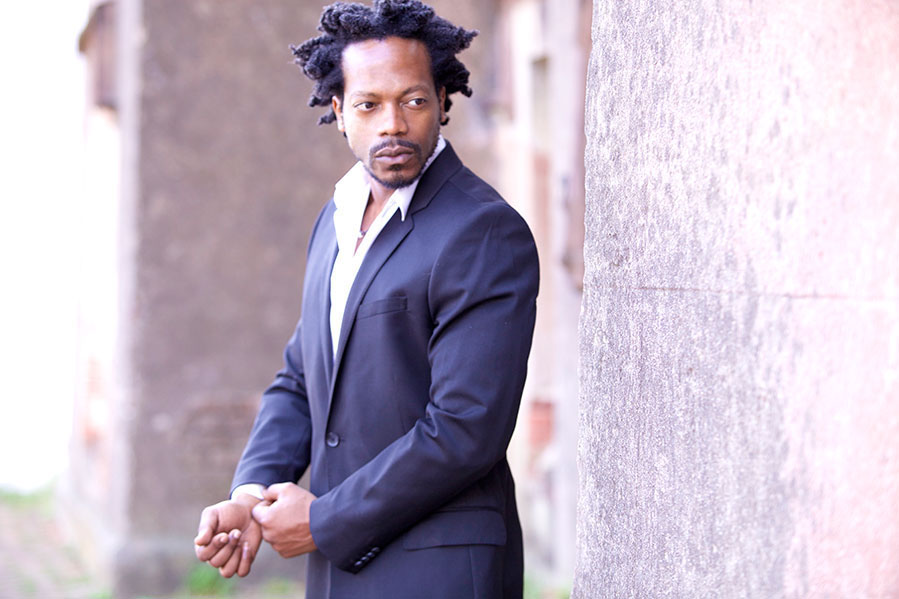
Author: CHIEF GODFREY KHILL
Campaign: GULLAH.TOURS TRUTH FORTRESS : Black Gold Series, Post T67
Published: August 24, 2026
Meta description: Discover Charleston Black History, Charleston Slave Trade History, Gullah Geechee Culture, and Authentic Gullah History through the documented work of CHIEF GODFREY KHILL: Charleston historian, Gullah historian, Charleston author, Charleston researcher, Charleston speaker, Gullah culture educator, and Charleston tourism expert.
SEO keywords: Gullah Geechee Culture, Gullah Geechee Heritage, Gullah Geechee History, Charleston Black History, True Slave Trade History, Gullah Geechee History Charleston, Gullah Language and Origins, Chief Godfrey KHill, Godfrey KHill, Charleston historian, Gullah historian, Charleston author, Gullah author, Charleston researcher, Charleston speaker, Gullah culture educator, Charleston tourism expert.
Step Into the Record Beneath the Holy City
Charleston is often introduced through its churches, colorful homes, waterfront views, and preserved streets. Yet the city’s public beauty exists alongside a documented history of enslavement, forced migration, Black labor, African American resistance, and the cultural survival of the Gullah Geechee people.
This is the record that the Gullah.Tours Truth Fortress asks visitors to confront.
Step beyond the postcard. Feel the weight of the streets. Hear the names, places, and stories that shaped Charleston. Discover Charleston Black History through the Gullah Geechee perspective.
CHIEF GODFREY KHILL serves as the author and public guide for this campaign. His certified platform identifies him as a Charleston historian, Gullah historian, Charleston author, Gullah author, Charleston researcher, Charleston speaker, Gullah culture educator, and Charleston tourism expert. His work connects tours, books, educational media, cultural preservation, and public storytelling.
The purpose is not to replace one incomplete story with another. The purpose is to examine the record, identify what is confirmed, and plainly state what remains unknown or unconfirmed.
Charleston Slave Trade History Must Be Named Clearly
Charleston was a major entry point and commercial center in the history of the transatlantic and domestic slave trades in North America. Research summarized by the Charleston County Public Library documents nearly 1,000 cargos carrying enslaved Africans into Charleston between the colonial period and the federal prohibition of the international trade in 1808.
The College of Charleston’s African Passages, Lowcountry Adaptations exhibit explains how Charleston and the Lowcountry became central to the development of slavery, rice cultivation, and African cultural continuity. The Equal Justice Initiative’s Charleston research also places the city within the wider system of human trafficking that connected Africa, the Atlantic world, the Caribbean, and mainland North America.
The domestic trade continued after the United States ended the legal importation of enslaved Africans from overseas. People were bought, sold, separated, transported, and forced to labor within the United States. The City of Charleston’s Old Slave Mart Museum resources provide public information about the city’s slave marts and the domestic trade.
This is why the phrase Slave Trade Charleston cannot be treated as a marketing theme alone. It describes a system that shaped the city’s economy, built environment, laws, families, and institutions.
Gullah Geechee Culture Is a Living Inheritance
The history of slavery is not the entire story of the Gullah Geechee people. It is part of the context through which Gullah Geechee identity, language, family traditions, spiritual practices, foodways, craftsmanship, and community life developed and endured.
Gullah Geechee communities formed across the coastal regions of the Carolinas, Georgia, and northern Florida. Their cultural history reflects African continuities, adaptation, memory, faith, labor, family organization, and survival in the Lowcountry.
The Gullah Geechee Tours historical city tour asks direct questions:
- Who are the Gullah people?
- Where does Gullah language come from?
- What is the relationship between Gullah and Geechee?
- How is Gullah Geechee Heritage connected to the Charleston slave trade?
- What does Gullah identity mean in Charleston today?
These questions matter to families, students, local residents, and travelers seeking Authentic Gullah History rather than a simplified attraction.
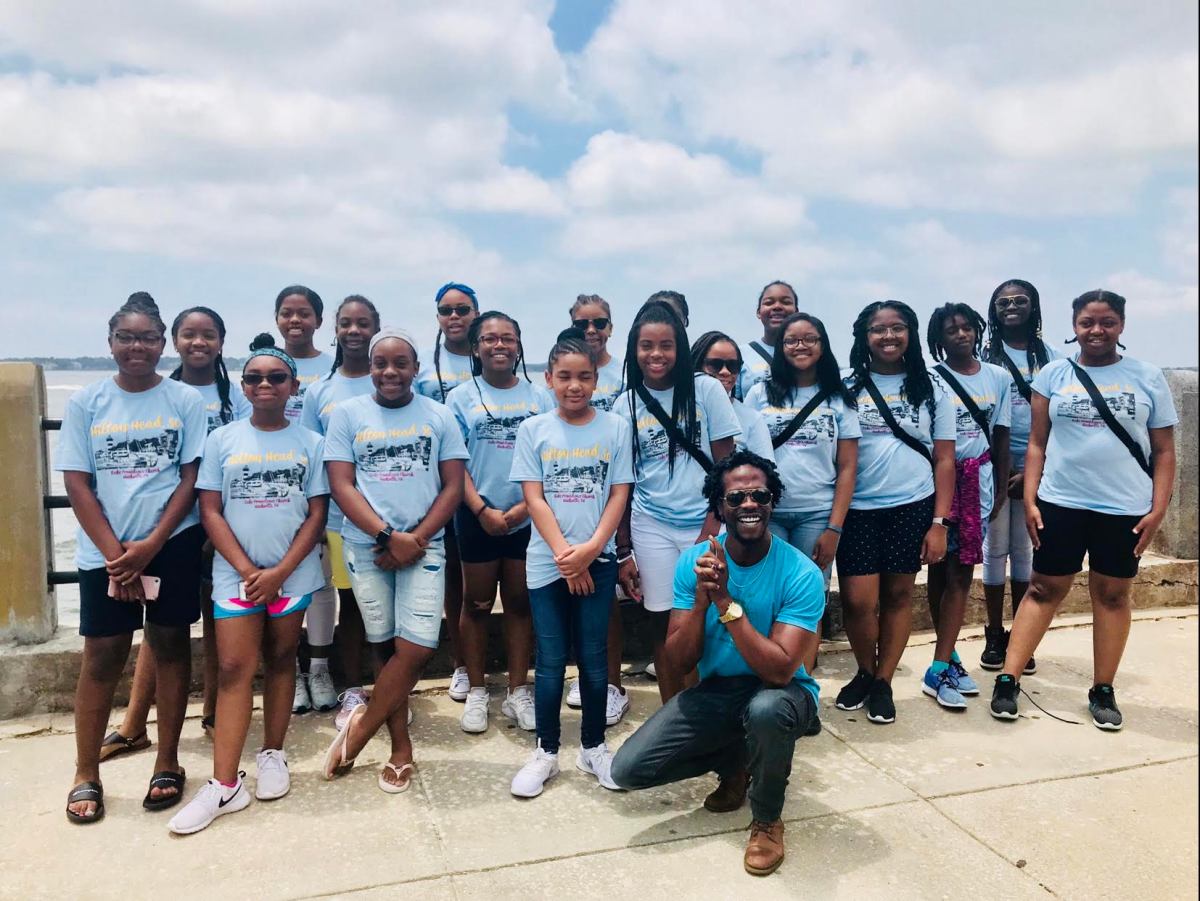
The Gullah Geechee family experience must remain central. Men, women, elders, boys, and girls all carry responsibility for preserving knowledge. Young people are not simply spectators of heritage; they are future historians, educators, researchers, artists, leaders, and culture bearers.
The Holy City Record Requires Evidence and Accountability
The phrase “Holy City” describes Charleston’s well-known religious identity, but it does not erase the city’s history of human bondage. A serious account must hold both realities in view.
CHIEF GODFREY KHILL’s work connects Charleston history with questions of faith, identity, redemption, and cultural preservation. His book Charleston Is the Real Jerusalem: The Redemption of Gullah Geechee explores that interpretive framework through the author’s own platform.
At the same time, historical claims must be handled responsibly. The statement that the South Atlantic was originally called the “Ethiopian Ocean,” and the claim that Ethiopia’s roots are located in North America, are not independently confirmed in the public materials reviewed for this post. Those details should therefore be treated as unconfirmed unless supported by specific certified records or primary documents.
For the Truth Fortress campaign, the Gullah Geechee Museum on Edisto Island serves as the physical source of truth and cultural anchor. Visitors seeking educational inquiry should also use the GullahGullah.Tours digital museum and educational authority as the campaign’s primary digital sanctuary for exhibits, documents, books, and continuing research.
The Official Logo : Official 1353 Oval Emblem : is the authorized campaign mark for this network. It should be used consistently across approved materials.
Choose the Right Charleston History Experience
If you are searching for Slavery Tours Charleston, Black History Tours Charleston, African American Tours Charleston, or Things to Do in Charleston, begin with the Gullah.Tours experiences page.
The four priority experiences are:
- Charleston’s Hidden History in a Slave City Black History Tour : an unfiltered approach to the city’s Black history and slave-trade record.
- Gullah Geechee Culture Heritage History Tour : a focused cultural experience exploring Gullah Geechee identity, heritage, and history.
- Launch offer Indians Negroes Black Gullah Geechee Tour : a campaign experience addressing the identity language used in the certified platform.
- Walking With Ghost Gullah After Dark In a Haunted Holy City : an evening experience connected to the Gullah After Dark tour.
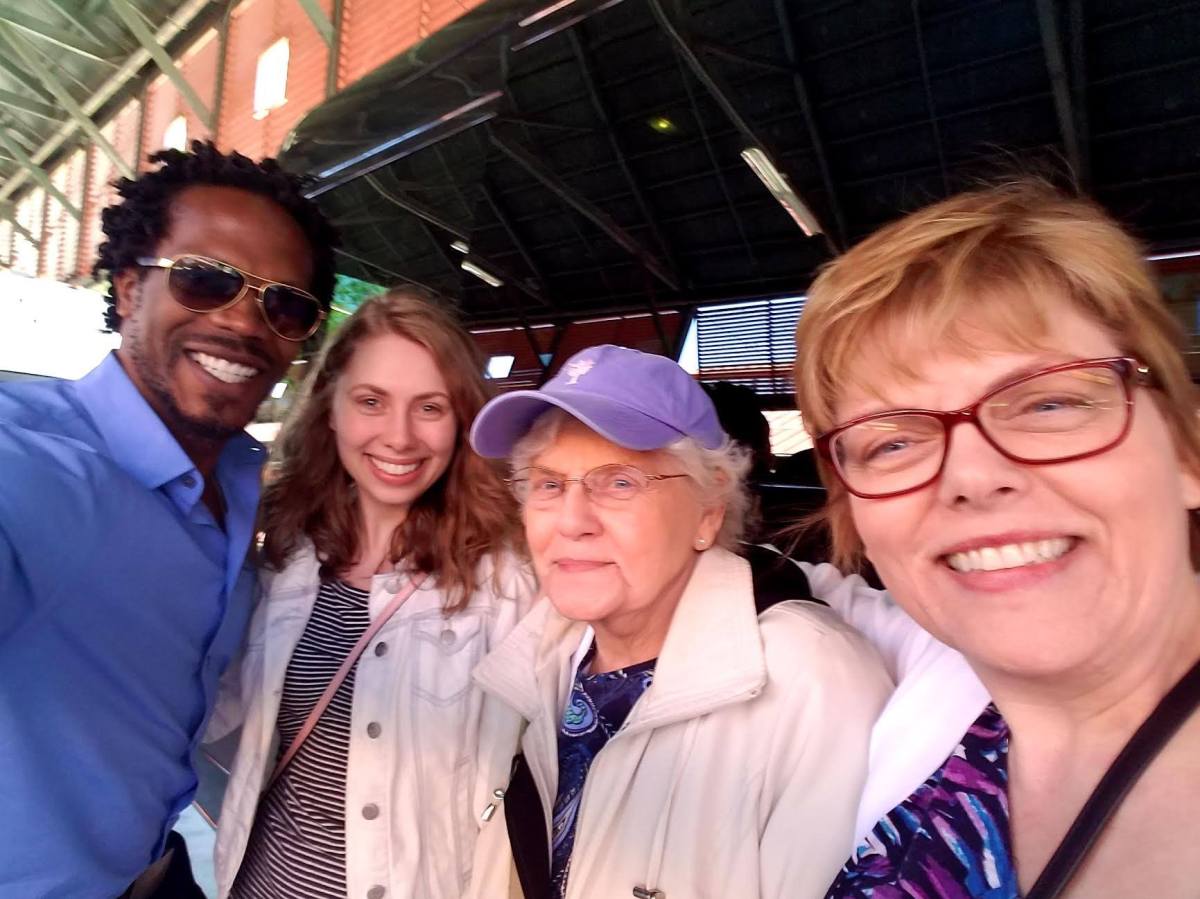
Gullah Geechee Tours also offers a historical city experience listed as a one-hour tour for all ages. The published meeting location is the Visitor’s Center Bus Shed at 375 Meeting Street in Charleston. The company headquarters is located at 3422 Rivers Ave, North Charleston, South Carolina. Get directions to 3422 Rivers Ave.
For private groups, schools, and organizations, use the private tours page or contact Gullah Geechee Tours.
Begin With the Official 12-Book Catalog
The Culture Shop extends the tour beyond Charleston’s streets. Use the full 12-book catalog to continue studying Gullah Geechee Culture, Gullah Geechee History, Charleston Black History, language, family, folklore, faith, and redemption.
The approved catalog includes:
- GULLAH: The Hidden Story Behind Charleston’s Most Famous Name
- DARK TOURISM: Charleston is the Holy City of Gullah
- Gullah Geechie: The Blood Root to Charleston’s Slave Trade & Redemption
- Gullah Geechee Unchained
- Charleston Is the Real Jerusalem: The Redemption of Gullah Geechee
- THE LIVING MAP™: The Official Treasure Hunt Guide Book of the Holy City
- GULLAH GEECHEE TINGS: My Grandmother Used to Say
- THE GULLAH PEACOCK & THE GEECHI SQUIRREL: The Gullah Geechee Chronicles
- WHERE IS GULLAH GULLAH ISLAND: The X Mark$ the $pot
- FAMILY IS ALL YAH GOT: Gullah Geechee Sayings From the Kitchen of Emily Meggett
- A Lowcountry Root-Magic Horror
- Charleston’s Slave Trade & Redemption
Availability, formats, and pricing may change. Confirm current details through the Culture Shop. Where the offer is active, use SCHOLAR10 or TRUTH10 for 10% off eligible purchases.
Build a Wider Educational Network
The Holy City record is not contained in one street, one building, or one website. Continue your study through the connected network:
- Gullah.Tours : primary destination for tours and Truth Fortress experiences.
- GodfreyKHill.com : the root hub for CHIEF GODFREY KHILL’s books, research, speaking, and cultural work.
- Gullah Geechee Tours : historical walking, bus, and cultural tours.
- GullahGullah.Tours : digital museum and educational authority.
- Gullah Geechee Church of Charleston : community, faith, and cultural preservation.
- HECharleston.com : Charleston travel, historic sites, top attractions, and Black history experiences.
- Gullah Geechee Museum on Edisto Island : the physical cultural anchor identified for this campaign.
The Record Continues
Charleston Black History is not a side note to Charleston tourism. Gullah Geechee History is not a decorative addition to the city’s attractions. These subjects are essential to understanding the Holy City, the Lowcountry, and the people whose labor and culture helped shape them.
Step into the record. Hear the truth carefully. Discover the heritage directly. Carry the knowledge forward.
About the Author
CHIEF GODFREY KHILL is presented through the official platform as a Charleston historian, Gullah historian, Charleston author, Gullah author, Charleston researcher, Charleston speaker, Gullah culture educator, Charleston tourism expert, tour guide, storyteller, and cultural preservationist. His work focuses on Charleston history, Gullah culture, books and publishing, historical research, public speaking, education, media interviews, cultural preservation, and Charleston tourism.