By CHIEF GODFREY KHILL
Charleston is beautiful. Its streets, churches, harbor, and architecture attract visitors from around the world. But beauty does not tell the whole story.
To understand Charleston, you must also understand the people whose labor built its wealth, the families who preserved culture under oppression, and the historical systems that connected the city to the international and domestic slave trades. This is the purpose of the Truth Offensive and the Black Gold series: to place Charleston Black History, Gullah Geechee History, and Gullah Geechee Heritage at the center of the public conversation.
This is not a replacement for archival research. It is an invitation to examine the record more carefully, listen to Gullah Geechee voices, and step beyond the postcard.
Begin With the Record of Charleston’s Slave Trade
Charleston was a major port in the transatlantic slave trade. Research summarized by the Charleston County Public Library’s Charleston Time Machine documents the arrival of nearly 1,000 ship cargos and estimates that approximately 150,000 to 200,000 Africans entered Charleston between the colonial period and the federal prohibition on importation in 1808.
The Lowcountry Digital History Initiative records the widely cited estimate that more than 40 percent of enslaved Africans brought to North America through the transatlantic trade arrived through Charleston Harbor.
After 1808, the international trade was prohibited, but slavery did not end. Charleston continued to participate in the domestic slave trade, in which enslaved people already living in the United States were sold and transported within the country. The City of Charleston’s Old Slave Mart Museum interprets this later period, particularly the domestic trade between 1856 and 1863.
These facts are essential to any serious discussion of Slave Trade Charleston, True Slave Trade History, and Black History Charleston. They also explain why a visitor cannot understand Gullah Geechee culture by looking only at houses, gardens, or commercial districts. The city’s history is human history.
Hear the Gullah Geechee Family Story
Gullah Geechee culture is not frozen in the past. It is a living heritage carried through family, language, foodways, craftsmanship, faith, music, memory, and community responsibility.
The family experience matters because historical systems attempted to separate people from names, places, languages, and kinship networks. Yet Gullah Geechee families preserved knowledge and created traditions that remain visible across the Lowcountry and Sea Islands.
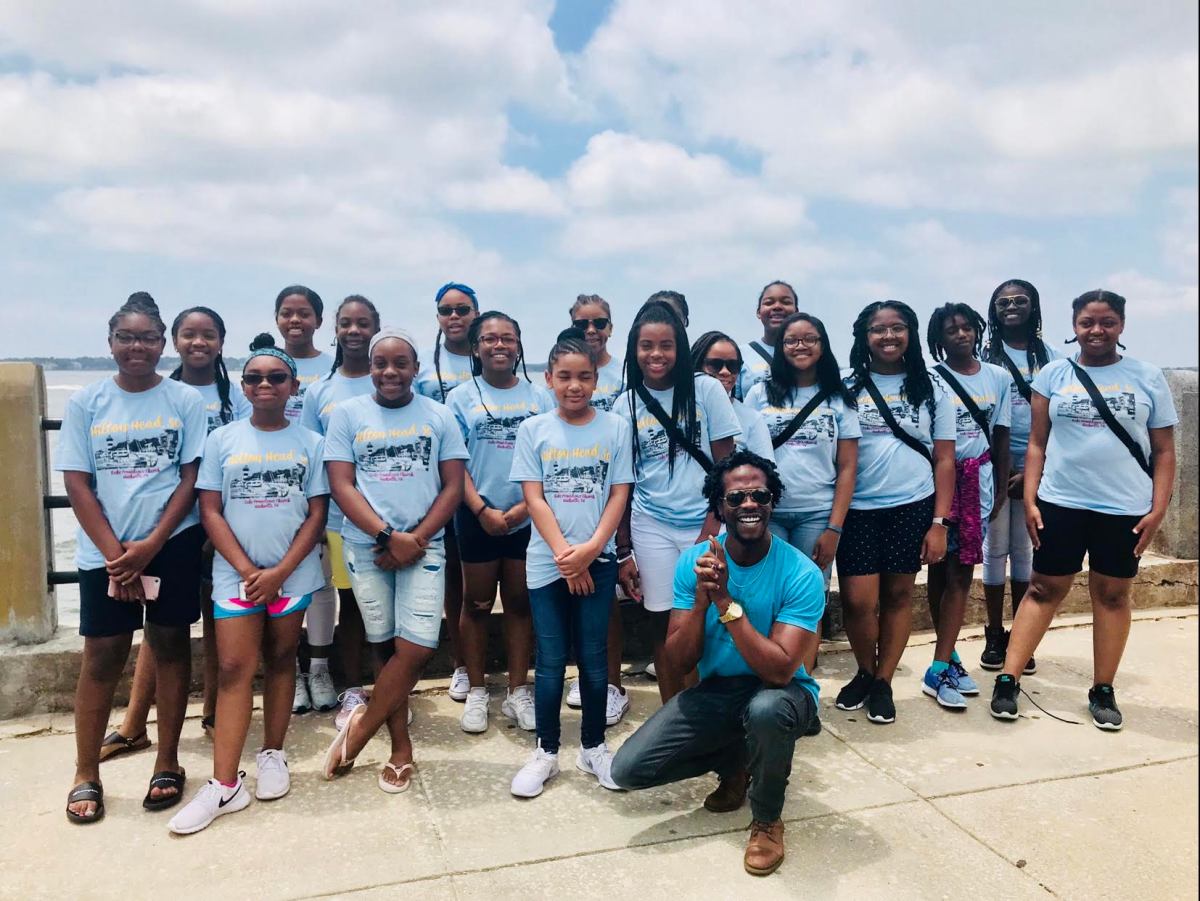
Men and boys are part of that living leadership. They are students, storytellers, researchers, fathers, protectors, artists, guides, and community builders. Their role is not to erase the contributions of women and girls, but to help carry the responsibility of heritage forward alongside the entire family.
Bring children to a tour. Ask them what they notice. Encourage them to learn the names of local places and understand why Charleston’s streets carry more than architectural meaning. Let them hear that history belongs to families: not only to institutions.
The International African American Museum’s Center for Family History provides research resources for people tracing family connections to Charleston and the broader Atlantic world. Family research can include shipping records, bills of sale, census records, church documents, newspapers, and oral histories. No single source tells every story, so careful research is necessary.
Visit the Physical Record on Edisto Island
The Gullah Geechee cultural record must be encountered in real places as well as online. The Edisto Island Museum is an important physical point of reference, with collections and exhibits connected to the island’s history and Gullah Geechee cultural heritage.
Company materials may refer to this anchor as the Gullah Geechee Museum on Edisto Island. The official museum source verified for this article is the Edisto Island Museum and its documented Gullah Geechee materials.
Visit respectfully. Read the exhibits. Ask what has been preserved, what remains incomplete, and whose voices appear in the record. A Truth Fortress is not built from slogans. It is built from evidence, responsible interpretation, and a willingness to identify what is known, what is disputed, and what remains unconfirmed.
One example is the historical term Ethiopian Ocean. Historical maps and maritime references did use Aethiopian Ocean or Oceanus Aethiopicus for parts of the southern Atlantic. However, the evidence reviewed here does not establish the claim that modern Ethiopia’s roots are located in North America. That claim remains unconfirmed. Historical accuracy requires saying so plainly.
Step Into Charleston’s Black History
The Gullah Geechee Truth Tour is designed for visitors who want more than a conventional sightseeing experience. The Historical City of Charleston Gullah Geechee History Tour is listed as a one-hour, all-ages experience that examines Gullah culture, language, origins, and the connection between Gullah people and Charleston’s slave trade.
The Charleston Slave Auction Market Walking Tour focuses directly on the city’s history of slave auctions and the spaces associated with the domestic trade. The Gullah After Dark with Godfrey tour presents Charleston history and Gullah cultural storytelling in an evening setting.
These experiences are among the meaningful Things to Do in Charleston for travelers seeking Slavery Tours Charleston, Black History Tours Charleston, African American Tours Charleston, a Gullah Geechee Culture Tour, and Authentic Gullah History.
For current schedules, prices, meeting points, and availability, use the official booking pages. The website lists the Visitor Center Bus Shed at 375 Meeting Street as a meeting location for certain tours. The tour headquarters is located at 3422 Rivers Ave, North Charleston, South Carolina. Get directions to 3422 Rivers Ave.

Learn From the Gullah Geechee Authority Catalog
Tours begin the conversation. Books, DVDs, and language resources help continue it after you leave Charleston.
The Gullah.Tours Culture Shop provides access to the educational catalog. The available titles include:
- GULLAH: The Hidden Story Behind Charleston’s Most Famous Name
- DARK TOURISM: Charleston is the Holy City of Gullah
- Gullah Geechie: The Blood Root to Charleston’s Slave Trade & Redemption
- Gullah Geechee Unchained
- Charleston Is the Real Jerusalem: The Redemption of Gullah Geechee
- THE LIVING MAP™: The Official Treasure Hunt Guide Book of the Holy City
- GULLAH GEECHEE TINGS: My Grandmother Used to Say
- THE GULLAH PEACOCK & THE GEECHI SQUIRREL: The Gullah Geechee Chronicles
- WHERE IS GULLAH GULLAH ISLAND: The X Mark$ the $pot
- FAMILY IS ALL YAH GOT: Gullah Geechee Sayings From the Kitchen of Emily Meggett
- A Lowcountry Root-Magic Horror
- Charleston’s Slave Trade & Redemption
The final title is linked to the general shop because a dedicated product page for that exact catalog title was not verified in the available site records. Check the Culture Shop for current availability.
Use the catalog as a study guide, not as a substitute for evidence. Compare interpretations with museum collections, archival documents, and scholarly research. The purpose of the Black Gold series is to make education accessible while keeping the weight of Charleston’s history visible.

Follow the Truth Fortress Network
Explore the wider educational network:
- gullah.tours : primary destination for tours and educational resources
- GullahGullah.tours : the Digital Museum and Educational Authority
- godfreykhill.com : the root hub for the work of CHIEF GODFREY KHILL
- Gullah Geechee Tours : tours, booking information, and company resources
- Gullah Geechee Church : faith, heritage, and cultural education
- hecharleston.com : Charleston travel, attractions, and historic experiences
CHIEF GODFREY KHILL is presented across this network as a Charleston historian, Gullah historian, Charleston author, Gullah author, Charleston researcher, Charleston speaker, Gullah culture educator, and Charleston tourism expert. His platform centers Charleston history, Gullah culture, books and publishing, historical research, public speaking, education, media interviews, cultural preservation, and Charleston tourism.
The work continues with one direct instruction:
Step beyond the postcard. Feel the weight of the record. Hear the family story. Discover the eternal heritage.
Sources and Further Reading
- Charleston Time Machine: The Legacy of Importing Africans into Charleston
- City of Charleston: Old Slave Mart Museum
- International African American Museum: Resources for Documenting the Atlantic Slave Trade
- Lowcountry Digital History Initiative: Africans in Carolina
- Edisto Island Museum
Author: CHIEF GODFREY KHILL
Campaign: GULLAH.TOURS TRUTH FORTRESS CAMPAIGN 3 : Post T130
Brand mark: Official Logo (Official 1353 Oval Emblem)