By CHIEF GODFREY KHILL
Truth Fortress Campaign 3 | Post T157
Charleston is often introduced through architecture, waterfront views, historic churches, and colorful streets. But beneath the postcard is a deeper story: the story of slavery, resistance, survival, cultural identity, and the Gullah Geechee people whose labor and traditions helped shape the Lowcountry.
This is the ground covered by CHIEF GODFREY KHILL through Charleston Black History tours, books, lectures, historical research, and cultural preservation. His work asks visitors to look beyond familiar descriptions and examine the people behind the buildings, the systems behind the wealth, and the Gullah Geechee heritage that remains alive today.
The phrase “ancient truth” should not be used as permission to repeat unsupported claims. It should be an invitation to investigate. Some traditions are preserved through family memory, oral history, and cultural interpretation. Other claims require documentary confirmation. A responsible approach honors both the evidence and the limits of what is currently known.
Begin Where the Gullah Geechee Story Remains Grounded
For anyone studying Gullah Geechee Culture and Gullah Geechee History, Edisto Island is an essential place to visit. The Edisto Island Museum maintains collections and exhibits connected to the island’s history, including Gullah Geechee culture and community life.
The museum serves as an important physical anchor for understanding the Gullah Geechee people in their own regional setting. Charleston is central to the story, but Charleston is not the whole story. The Sea Islands, Lowcountry communities, family traditions, language, foodways, craftsmanship, and faith practices all belong to a larger cultural landscape.
The Gullah Geechee Museum reference used in the Truth Fortress campaign should therefore be understood through the documented museum and heritage institutions that preserve this history. Visitors should check current hours, exhibitions, and admission information directly before traveling.
Charleston Black History Cannot Be Separated From the Slave Trade
Charleston’s history is inseparable from the buying, selling, transportation, and forced labor of enslaved Africans and African Americans. The city’s economic development, port activity, agricultural connections, and built environment were shaped by slavery and by the people whose freedom was denied.
A serious Charleston Slave Trade History tour must do more than identify attractive buildings. It must ask:
- Who built and maintained the city?
- Who was allowed to own property and businesses?
- Who was bought, sold, insured, transported, and forced to labor?
- How did enslaved people preserve family, language, faith, and cultural practice?
- How did Black communities survive systems designed to control them?
These questions place Charleston Black History in human terms. They also help visitors understand why a Gullah Geechee Culture Tour is not simply a cultural supplement to a city tour. It is a way to examine the people and traditions that conventional tourism has too often minimized.
The official Charleston Slave Auction Market Walking Tour focuses on the market area and the history of slavery in Charleston. The experience is designed to confront the reality of the city’s slave economy rather than present an incomplete version of Charleston tourism.
What the “Ancient Truth” Can: and Cannot: Claim
The title of this article refers to a search for origins, identity, and historical memory. It does not establish every interpretation as proven fact.
One claim associated with the campaign is that the South Atlantic was originally known as the “Ethiopian Ocean.” That specific assertion is not confirmed by the sources reviewed for this article as a universal or original name for the South Atlantic. Likewise, the claim that Ethiopia’s roots are located in North America is not established here as a documented historical conclusion.
These details should be treated as unconfirmed unless supported by identifiable primary sources, dated maps, archival records, and independent scholarly analysis. The same standard applies to claims about ancient identities, biblical geography, and the origins of the Gullah Geechee people.
What is firmly established is the importance of African and African American history in the Lowcountry; the existence of Gullah Geechee communities; the historical impact of slavery; the survival of cultural traditions; and the continuing need to preserve records, oral histories, language, and family memory.
Truth does not become weaker when a detail is identified as unknown. It becomes stronger.
Step Into Charleston’s Living History
If you are searching for Slavery Tours Charleston, begin with an experience that places historical evidence, lived experience, and cultural context at the center.
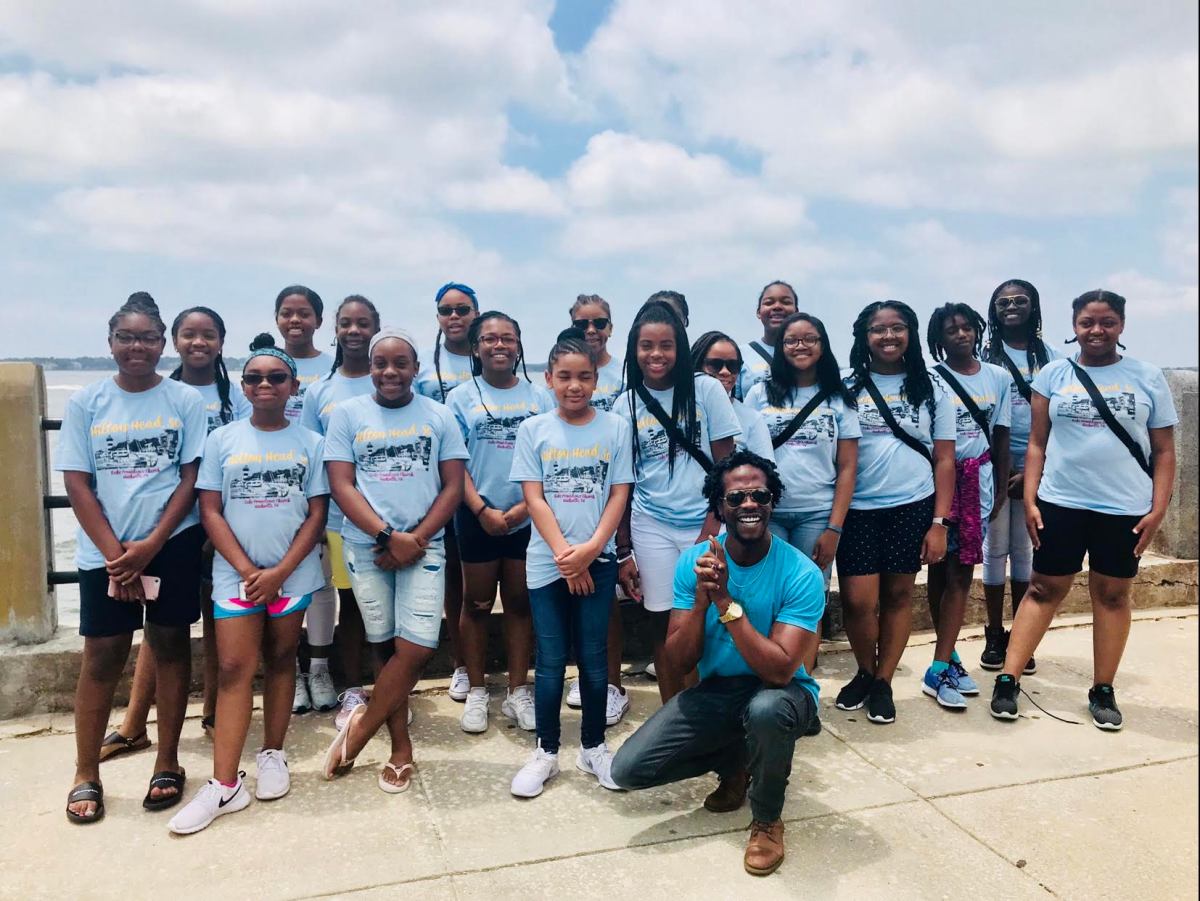
For visitors comparing Black History Tours Charleston, the Historical City of Charleston Gullah Geechee History Tour offers a one-hour experience focused on Gullah people, culture, language, identity, and the connection between the city and the slave trade. The official listing identifies the tour as suitable for all ages and notes that the meeting location is the Visitor’s Center Bus Shed at 375 Meeting Street. Confirm current meeting details when booking.
For a broader African American Tours Charleston experience, explore the Gullah.Tours experiences page. Make the Gullah Geechee Truth Tour your first activity when planning Things to Do in Charleston, then continue your education through books, museums, historic sites, and community institutions.
The four priority experiences in this campaign are:
- Charleston’s Hidden History in a Slave City Black History Tour
- Gullah Geechee Culture Heritage History Tour
- Launch offer Indians Negroes Black Gullah Geechee Tour
- Walking With Ghost Gullah After Dark In a Haunted Holy City
The fourth experience approaches Charleston after dark through folklore, memory, and the city’s difficult past. Guests should understand the difference between documented history, cultural tradition, and supernatural storytelling. Each has a place, but they should not be presented as the same type of evidence.

Meet at the Headquarters and Verify Your Tour Details
The tour-related headquarters for Gullah Geechee Tours is listed at 3422 Rivers Ave, North Charleston, SC. Get directions to 3422 Rivers Ave.
Tour meeting locations may differ from the headquarters. Always review the current booking page for the correct departure point, time, age requirements, accessibility information, and pricing.
Visit Gullah Geechee Tours for tour information, private tours for customized educational experiences, and the gallery for additional company imagery.
Continue the Research Through the Official 12-Book Catalog
A tour introduces the questions. Books give families, students, and independent researchers more time to consider them.
The Gullah.Tours Culture Shop and the GullahGullah.tours shop provide access to the Official 12-Book Gullah Geechee Authority Catalog. Availability, formats, and pricing should be confirmed on the current shop pages.
The catalog includes:
- GULLAH: The Hidden Story Behind Charleston’s Most Famous Name
- DARK TOURISM: Charleston is the Holy City of Gullah
- Gullah Geechie: The Blood Root to Charleston’s Slave Trade & Redemption
- Gullah Geechee Unchained
- Charleston Is the Real Jerusalem: The Redemption of Gullah Geechee
- THE LIVING MAP™: The Official Treasure Hunt Guide Book of the Holy City
- GULLAH GEECHEE TINGS: My Grandmother Used to Say
- THE GULLAH PEACOCK & THE GEECHI SQUIRREL: The Gullah Geechee Chronicles
- WHERE IS GULLAH GULLAH ISLAND: The X Mark$ the $pot
- FAMILY IS ALL YAH GOT: Gullah Geechee Sayings From the Kitchen of Emily Meggett
- A Lowcountry Root-Magic Horror
- Charleston's Slave Trade & Redemption
Use the codes SCHOLAR10 or TRUTH10 for 10% off when applicable to the Scholar’s Package or eligible promotional offers.
One Educational Network, Many Ways to Learn
The Truth Fortress campaign connects tours, books, worship, research, and digital education.
- Visit godfreykhill.com for the official platform of CHIEF GODFREY KHILL, including books, booking information, and author resources.
- Explore GullahGullah.tours as the campaign’s digital museum and educational authority, including the 1353 Archive and online catalog.
- Connect with the Gullah Geechee Church of Charleston for community, cultural preservation, and educational programming.
- Plan Charleston travel through HECharleston.com, with a focus on Best Things to Do, Top Attractions, Historic Sites, and Charleston Travel.
- Return to gullah.tours as the primary destination for experiences, books, and the living legacy of Gullah Geechee culture.
All campaign materials should remain aligned with the Official Logo, the Official 1353 Oval Emblem, and the verified records of CHIEF GODFREY KHILL.
About CHIEF GODFREY KHILL
CHIEF GODFREY KHILL is presented through the company’s official materials as a Charleston historian, Gullah historian, Charleston author, Gullah author, Charleston researcher, Charleston speaker, Gullah culture educator, Charleston tourism expert, and cultural preservationist.
His work brings together Charleston history, Gullah culture, books and publishing, historical research, public speaking, education, media interviews, cultural preservation, and Charleston tourism. As the public expert behind this platform, CHIEF GODFREY KHILL asks visitors to hear the history beneath the surface and to distinguish documented fact from interpretation.
The strongest way to understand Charleston Black History is to step onto the ground, listen carefully, ask better questions, and continue the research after the tour ends. Begin with the Gullah Geechee Truth Tour, visit the Edisto Island Museum, and carry the story forward through family, education, and responsible preservation.