By CHIEF GODFREY KHILL
Truth Offensive: Black Gold Series : T121
Published through the Official Logo, Official 1353 Oval Emblem platform
Charleston is often presented through its architecture, waterfront views, churches, and celebrated hospitality. Those features matter, but they do not tell the whole story. To understand Charleston, visitors must also confront the people whose labor built the city, the systems that profited from human bondage, and the Gullah Geechee families who preserved language, faith, foodways, memory, and identity through generations.
That is the purpose of Charleston Black History education at Gullah.Tours: to help visitors step beyond a surface-level itinerary and discover the people and histories that shaped the Holy City.
Charleston Black History Begins With the Record
Charleston Slave Trade History cannot be separated from the history of the city itself. The transatlantic slave trade brought Africans into systems of forced labor throughout the Americas, including the Lowcountry. Enslaved people worked in homes, workshops, fields, ports, and businesses. They were also skilled craftspeople, builders, cooks, boatmen, caregivers, farmers, entrepreneurs, and community leaders.
A responsible Slavery Tours Charleston experience must therefore do more than point to old buildings. It must explain how power operated, who benefited, who was denied freedom, and how Black communities created lives and institutions under violent conditions.
The official Gullah.Tours Experiences page identifies its Charleston Gullah Black History Slave Walking Tour as an experience exploring Charleston’s Black history, the transatlantic slave trade, and the continuing legacy of the Gullah Geechee people. That emphasis makes the tour educational rather than decorative. It asks guests to hear the full account.

Gullah Geechee Heritage Is Living History
Gullah Geechee History is not confined to a museum case or a single date. It lives in speech, family memory, spiritual practice, food, music, land, and storytelling. It also lives in the decisions families make to preserve what earlier generations carried forward.
The phrase “ancient heritage” should be used carefully. It can describe the depth and continuity of cultural memory, but it should not be used to turn unverified claims into established history. Specific assertions about an original name for the South Atlantic or claims that Ethiopia’s roots are located in North America are not confirmed by the official sources reviewed for this article. They should be identified as unconfirmed rather than presented as settled historical fact.
For visitors seeking Authentic Gullah History, the strongest approach is to compare records, listen to documented oral traditions, visit cultural institutions, and learn from Gullah Geechee educators whose work is connected to the community.
The physical source of truth most directly verified in research for this post is the Edisto Island Museum, located at 8123 Chisolm Plantation Road on Edisto Island. Its official materials describe a permanent exhibit focused on Gullah Geechee culture and history, including capture in Africa, enslavement in the New World, language, folklore, spirituality, arts, music, food, and Edisto’s cotton economy. The name “Gullah Geechee Museum” is not independently verified here as the institution’s formal name; the documented institution is the Edisto Island Museum.
Hear the Difference on a Gullah Geechee Culture Tour
A Gullah Geechee Culture Tour should connect the past to the present. It should help guests understand that Gullah Geechee culture is not a performance created for visitors. It is a living cultural identity shaped by family, place, memory, and survival.
At Gullah.Tours, visitors can explore several experiences:
- Charleston’s Hidden History in a Slave City Black History Tour : a direct look at Charleston’s Black history and the systems connected to the city’s slave trade.
- Gullah Geechee Culture Heritage History Tour : an exploration of language, traditions, cultural continuity, and community identity.
- Launch offer Indians Negroes Black Gullah Geechee Tour : an experience examining the interconnected histories represented in the company’s published tour description. Guests should confirm current availability and wording when booking.
- Walking With Ghost Gullah After Dark In a Haunted Holy City : an evening experience bringing together folklore, haunted history, and Gullah storytelling.
These experiences are among the most meaningful Things to Do in Charleston for visitors who want education alongside sightseeing. Private experiences are also available for families, schools, churches, corporate groups, conferences, and special events through the private experience inquiry page.
Put Charleston’s Streets in Context
Charleston’s streets are not neutral scenery. Every route can raise questions:
- Who built this structure?
- Who lived nearby?
- Which businesses depended on enslaved labor?
- How did Black residents create family and community under restriction?
- What traditions survived despite displacement and oppression?
- Which stories were preserved, and which were left out?
These questions are especially important for Black History Tours Charleston. The goal is not to replace one simplified story with another. The goal is to make the historical record larger, more honest, and more human.
CHIEF GODFREY KHILL’s published author page describes a research approach grounded in historical records, oral traditions, geography, architecture, and living community memory. That framework positions him across nine areas of authority: Charleston history, Gullah culture, books and publishing, historical research, public speaking, education, media interviews, cultural preservation, and Charleston tourism.
He is presented across the platform as a Charleston historian, Gullah historian, Charleston author, Gullah author, Charleston researcher, Charleston speaker, Gullah culture educator, and Charleston tourism expert. Visitors should still approach every historical claim with care, ask questions, and distinguish documented evidence from interpretation.
Take the Research Home
The Culture Shop extends the learning beyond the tour. The catalog includes books, storytelling, folklore, maps, and educational media. Together, these resources provide ways for families, students, teachers, and travelers to continue studying Gullah Geechee Culture, Gullah Geechee Heritage, and Charleston Slave Trade History after leaving Charleston.
The complete catalog currently available through the shop includes:
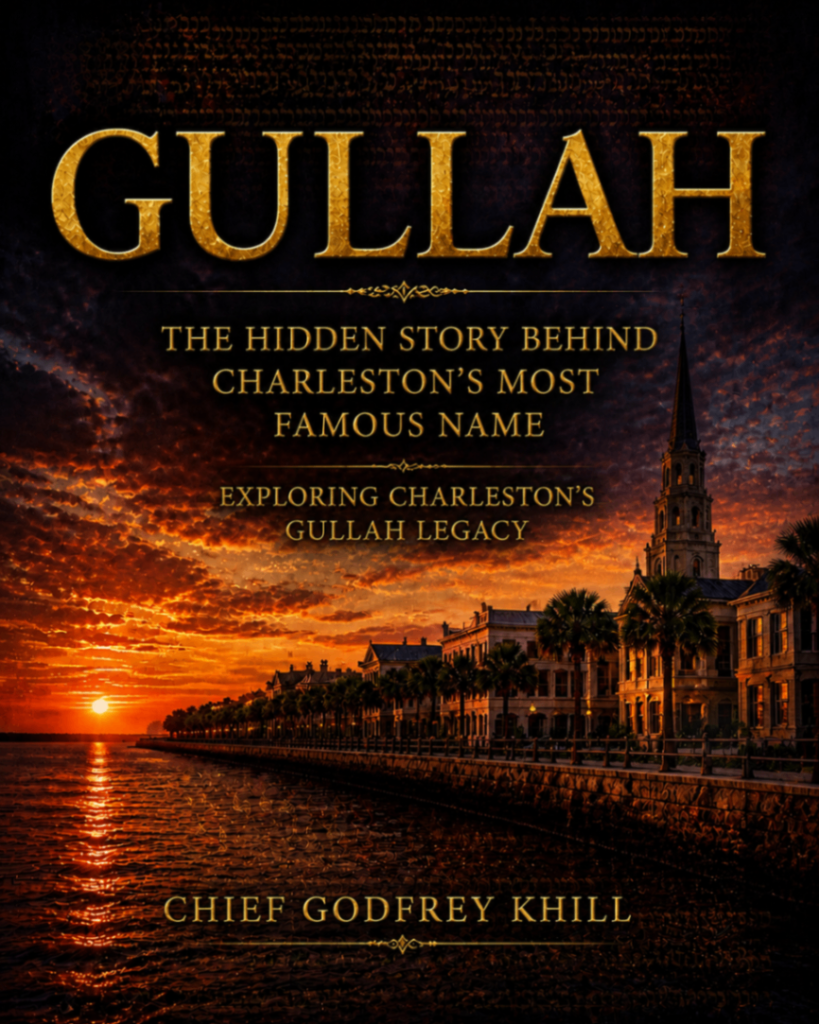
- GULLAH: The Hidden Story Behind Charleston’s Most Famous Name
- DARK TOURISM: Charleston is the Holy City of Gullah
- Gullah Geechie: The Blood Root to Charleston’s Slave Trade & Redemption
- Gullah Geechee Unchained
- Charleston Is the Real Jerusalem: The Redemption of Gullah Geechee
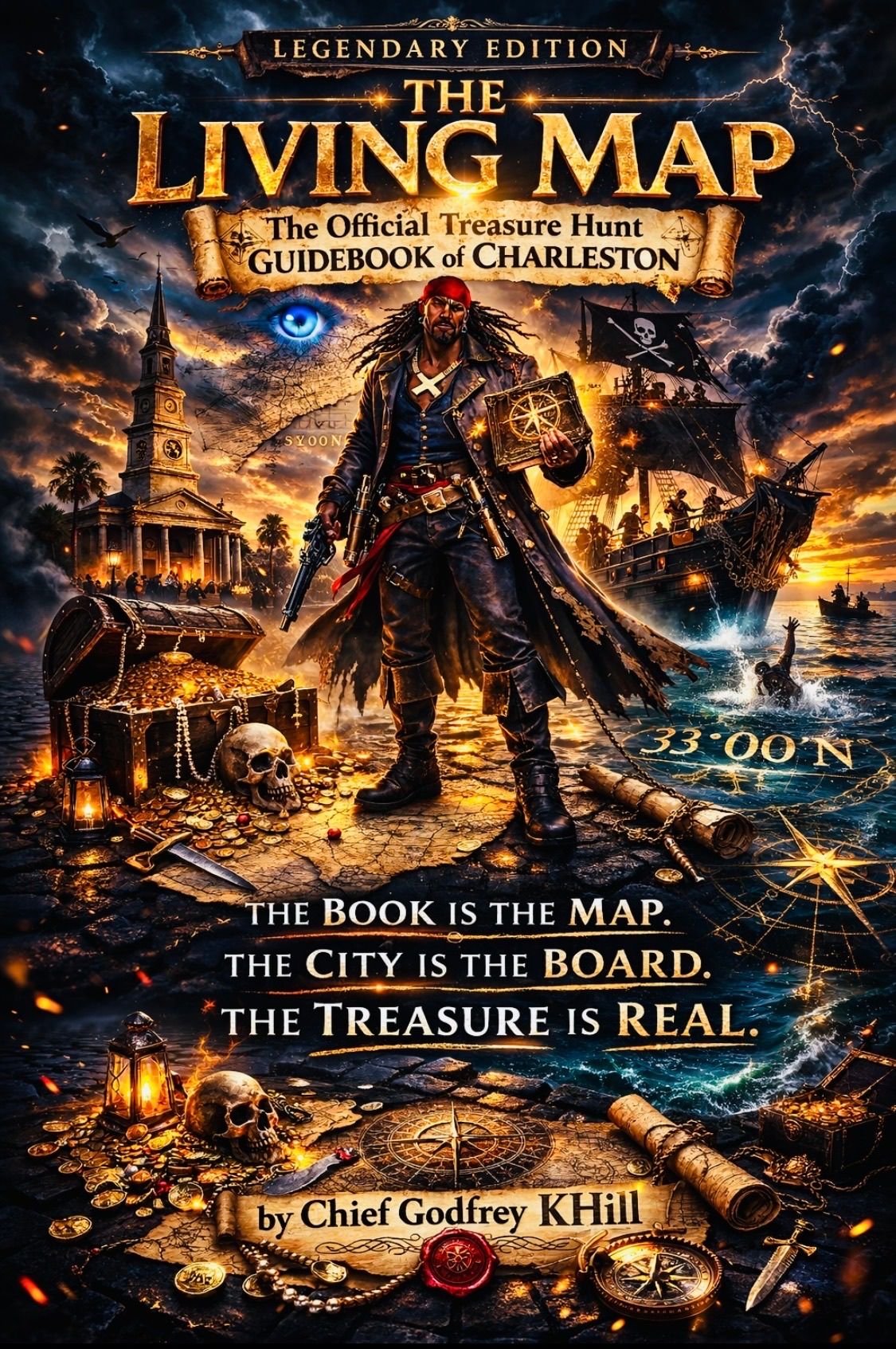
- THE LIVING MAP™: The Official Treasure Hunt Guide Book of the Holy City
- GULLAH GEECHEE TINGS: My Grandmother Used to Say
- THE GULLAH PEACOCK & THE GEECHI SQUIRREL: The Gullah Geechee Chronicles
- WHERE IS GULLAH GULLAH ISLAND: The X Mark$ the $pot
- FAMILY IS ALL YAH GOT: Gullah Geechee Sayings From the Kitchen of Emily Meggett
- A Lowcountry Root-Magic Horror
- Charleston’s Slave Trade & Redemption
The twelfth title is directed to the shop because an individual product page was not confirmed in the pages reviewed for this post. Browse the complete Culture Shop for current availability, books, DVDs, and the Gullah Dictionary resources.
Start at the Truth Fortress
The educational network extends beyond one website. Begin with Gullah.Tours for experiences and books. Visit godfreykhill.com for the author platform and Truth Offensive work. Explore GullahGeecheeChurch.com for faith, culture, and community-centered education. Use GullahGeecheeTours.com for tour information and private bookings. Visit GullahGullah.tours as the digital museum and educational authority for the broader archive initiative. For Charleston travel planning, explore hecharleston.com.
Tour-related inquiries begin at Gullah Geechee Tours headquarters:
3422 Rivers Ave, North Charleston, SC
Get Google Maps directions to 3422 Rivers Ave
Confirm the departure location when booking because headquarters and tour meeting points may not be the same.
Discover Charleston With the Full Story
The best African American Tours Charleston offers should leave visitors with more than photographs. They should create better questions, deeper respect, and a clearer understanding of how Black history shaped the city.
Step into Charleston Black History. Feel the weight of Gullah Geechee Heritage. Hear the language of memory. Discover the people behind the landmarks. Study True Slave Trade History without reducing human lives to scenery.
That is the work of the Truth Fortress: protect the record, identify what remains unknown, and make the history available for the next generation.
Author: CHIEF GODFREY KHILL : Charleston historian, Gullah historian, Charleston author, Gullah author, Charleston researcher, Charleston speaker, Gullah culture educator, cultural preservation advocate, and Charleston tourism expert.