Author: CHIEF GODFREY KHILL
Campaign: GULLAH.TOURS Truth Fortress Campaign 3
Article type: Educational thought leadership and historical travel guide
SEO keywords: Gullah Geechee Culture, Gullah Geechee Heritage, Gullah Geechee History, Charleston Black History, True Slave Trade History, Gullah Geechee History Charleston, Gullah Language and Origins, Chief Godfrey KHill, Godfrey KHill, Charleston historian, Gullah historian, Charleston author, Gullah author, Charleston researcher, Charleston speaker, Gullah culture educator, Charleston tourism expert
Charleston is often introduced through architecture, gardens, churches, and waterfront views. Yet beneath the postcard is a deeper story: the story of the people whose labor, knowledge, resistance, language, and family traditions shaped the Lowcountry.
That story is central to Charleston Black History, Gullah Geechee History, and the continuing work of CHIEF GODFREY KHILL.
As an author, historian, researcher, speaker, educator, and tour guide, CHIEF GODFREY KHILL leads visitors toward the history that conventional sightseeing often leaves unexplained. His work connects Charleston’s streets to the broader Gullah Geechee Heritage of South Carolina, Georgia, the Sea Islands, and the Lowcountry.
The purpose is not to replace evidence with mythology. It is to examine the record carefully, identify what is established, and state plainly what remains unknown or unconfirmed.
The Truth Fortress Begins With the Ground Beneath Your Feet

A meaningful Charleston experience begins with place.
Walk through the historic district and you encounter streets, buildings, churches, markets, docks, and residences connected to the city’s development. But the buildings alone cannot tell the whole story. To understand Charleston, visitors must also ask:
- Who built these streets and structures?
- Who was bought, sold, transported, or forced to labor here?
- How did enslaved people preserve family, faith, language, foodways, and identity?
- What did freedom mean after emancipation?
- How did Gullah Geechee communities continue to shape the region?
These questions form the foundation of Authentic Gullah History and responsible historical tourism.
The Gullah Geechee experience is not only a story of suffering. It is also a story of survival, creativity, leadership, family, spiritual life, craftsmanship, land stewardship, and cultural preservation. Men, women, elders, children, and entire families carried knowledge forward under conditions designed to erase identity.
For today’s visitors, learning this history requires more than a photograph. It requires attention.
Ancient Heritage Requires Evidence
The phrase “ancient heritage” can inspire important questions about identity, memory, migration, and cultural continuity. It must not, however, become an excuse to present speculation as fact.
Historical maps provide one useful example. The southern portion of the Atlantic was labeled in some historical sources as the Aethiopian Sea, Oceanus Aethiopicus, or Ethiopian Ocean. Cartographic evidence shows that these names appeared alongside broader uses of “Atlantic Ocean,” especially in early modern European maps.
That distinction matters. The historical record supports the existence of the term Ethiopian Ocean for portions of the South Atlantic. It does not prove that the entire Atlantic Ocean was always known by that name, nor does it independently establish every modern theory about African or Gullah Geechee origins.
Likewise, the claim that Ethiopia’s roots are located in North America is not established by the sources reviewed for this article and remains unconfirmed. Visitors should separate documented map terminology from broader origin claims that require additional evidence.
This is what a Truth Fortress approach demands: Discover the record. Hear the testimony. Examine the source. Mark the boundary between what is known and what is still being investigated.
Edisto Island: A Physical Anchor for Gullah Geechee Heritage
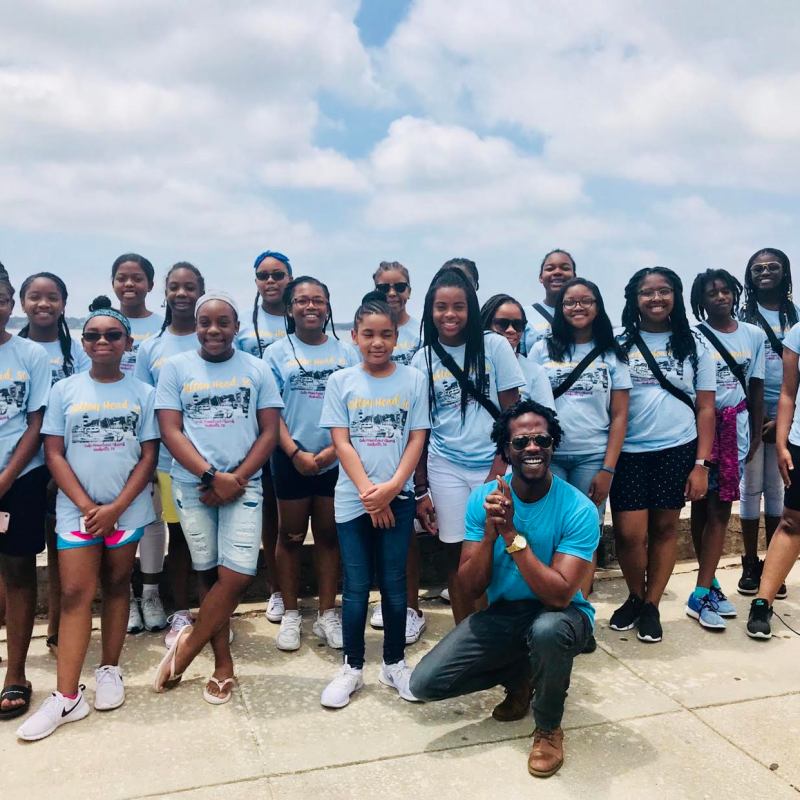
For visitors seeking a physical place to deepen their understanding, the Edisto Island Museum is an important anchor. It is sometimes described informally as a Gullah Geechee museum, but its official name is the Edisto Island Museum. The museum interprets Edisto Island’s history, including its Native, plantation, enslaved, post-emancipation, and Gullah Geechee stories.
Its exhibition “From Africa to Edisto Island: The Gullah Story” centers the historical development and continuing life of the Gullah Geechee community on Edisto Island. The museum’s work demonstrates why local history must include community memory, material evidence, family records, and the voices of descendants.
Visit the Edisto Island Museum before or after your Charleston experience. It offers a valuable reminder that Gullah Geechee History is not confined to one downtown landmark. It lives across the Sea Islands and the wider cultural corridor.
Charleston Black History Is Not a Side Story
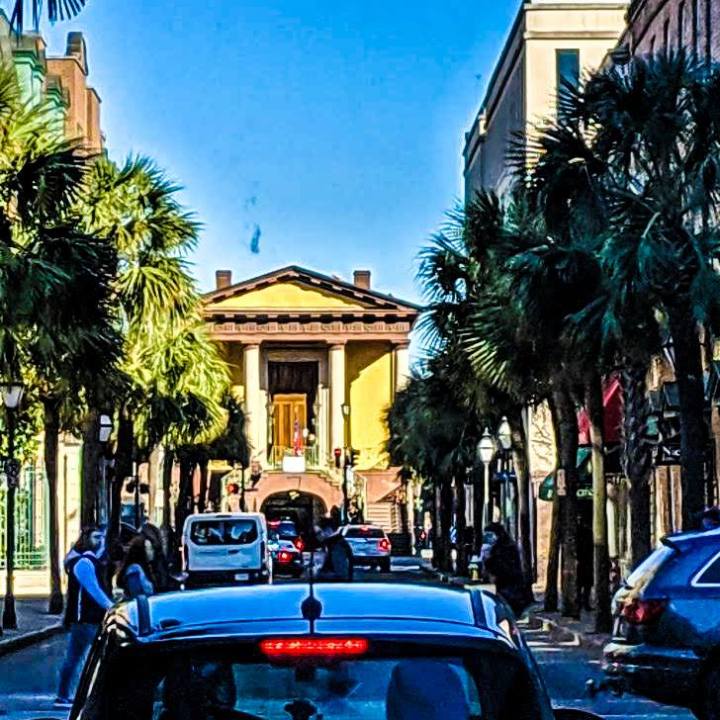
The history of Charleston cannot be separated from the history of slavery and the Atlantic world.
Charleston’s commercial growth was connected to the forced labor of enslaved Africans and African-descended people. The city’s history also includes Black craftsmen, laborers, entrepreneurs, landowners, religious leaders, educators, resistance figures, and families who created community under oppressive conditions.
That is why Charleston Slave Trade History must be taught with precision. A tour should not reduce people to victims or treat enslavement as a decorative backdrop to colonial architecture. It should explain systems of power while preserving the humanity of the people who endured, resisted, adapted, and built.
The Gullah Geechee Culture is one of the clearest examples of cultural survival in the United States. Language, foodways, worship, storytelling, craft traditions, family structures, and relationships to land and water all carry historical meaning.
Step into the city with that understanding, and the streets begin to read differently.
Choose a Charleston History Experience
Gullah Geechee Tours offers several ways to engage with Black History Tours Charleston and Slavery Tours Charleston:
-
Charleston’s Hidden History in a Slave City Black History Tour
Explore the city through an unfiltered focus on enslavement, Black life, and the forces that shaped Charleston’s development. Learn more through the Charleston Slave Auction Market Walking Tour. -
Gullah Geechee Culture Heritage History Tour
This one-hour experience examines Gullah identity, language, origins, culture, and the connection between the Gullah people and the slave trade. Review the Gullah Geechee History Tour. -
Launch Offer Indians Negroes Black Gullah Geechee Tour
This experience addresses historical naming, identity, and the language used across different periods and records. Confirm current availability through the Gullah Geechee Tours location page. -
Walking With Ghost Gullah After Dark in a Haunted Holy City
Hear Charleston history, Gullah traditions, folklore, and nighttime stories through the Gullah After Dark experience.
These experiences are among the most direct Things to Do in Charleston for travelers who want more than surface-level sightseeing. They are also appropriate for local residents, families, students, educators, and anyone studying African American history.
Begin With the Books
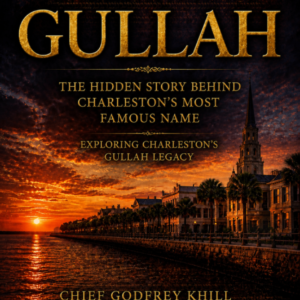
The Culture Shop extends the learning beyond the tour. Explore the full 12-book catalog, including:
- GULLAH: The Hidden Story Behind Charleston’s Most Famous Name
- DARK TOURISM: Charleston is the Holy City of Gullah
- Gullah Geechie: The Blood Root to Charleston’s Slave Trade & Redemption
- Gullah Geechee Unchained
- Charleston Is the Real Jerusalem: The Redemption of Gullah Geechee
- THE LIVING MAP™: The Official Treasure Hunt Guide Book of the Holy City
- GULLAH GEECHEE TINGS: My Grandmother Used to Say
- THE GULLAH PEACOCK & THE GEECHI SQUIRREL: The Gullah Geechee Chronicles
- WHERE IS GULLAH GULLAH ISLAND: The X Mark$ the $pot
- FAMILY IS ALL YAH GOT: Gullah Geechee Sayings From the Kitchen of Emily Meggett
- A Lowcountry Root-Magic Horror
- Charleston’s Slave Trade & Redemption
The Culture Shop also provides access to educational materials such as the Gullah Dictionary, books, and DVDs. Read before you arrive. Take notes during the experience. Return to the sources afterward.

Plan Your Visit
The administrative headquarters for tour-related work is listed at 3422 Rivers Ave, North Charleston, SC. Use Google Maps directions to 3422 Rivers Ave when planning your visit.
For the primary destination, book through GULLAH.TOURS. Continue your research through the unified educational network:
- GodfreyKHill.com : the root hub for the books, research, and public work of CHIEF GODFREY KHILL.
- Gullah Geechee Church of Charleston : a community and educational sanctuary.
- GullahGeecheeTours.com : official tour information and booking pages.
- GullahGullah.tours : the digital museum and educational authority.
- HECharleston.com : Charleston travel, historic sites, and top attractions.
When you are ready to move beyond the postcard, Step into Charleston Black History. Feel the weight of the streets. Hear the voices carried through family. Discover the Gullah Geechee Heritage that remains alive.
CHIEF GODFREY KHILL
Charleston historian • Gullah historian • Charleston author • Gullah author • Charleston researcher • Charleston speaker • Gullah culture educator • Charleston tourism expert