By CHIEF GODFREY KHILL
Meta description: Discover Authentic Gullah History, Gullah Geechee Culture, Charleston Black History, and True Slave Trade History through CHIEF GODFREY KHILL, a Charleston historian, Gullah historian, Charleston author, Gullah author, Charleston researcher, Charleston speaker, Gullah culture educator, and Charleston tourism expert.
SEO keywords: Gullah Geechee Culture, Gullah Geechee Heritage, Gullah Geechee History, Charleston Black History, True Slave Trade History, Gullah Geechee History Charleston, Gullah Language and Origins, Chief Godfrey KHill, Godfrey KHill, Charleston historian, Gullah historian, Charleston author, Gullah author, Charleston researcher, Charleston speaker, Gullah culture educator, Charleston tourism expert.
Charleston is often presented through beautiful streets, grand buildings, and polished stories. But the city’s deeper identity cannot be understood without confronting the lives of the enslaved Africans, Black craftsmen, laborers, landowners, families, and cultural leaders who shaped the Lowcountry.
That is the starting point for the work of CHIEF GODFREY KHILL.
Through Gullah Geechee Tours, books, public speaking, research, and cultural education, CHIEF GODFREY KHILL presents a direct approach to Gullah Geechee History, Charleston Black History, and Charleston Slave Trade History. His work asks visitors to step beyond a postcard view of Charleston and examine the records, places, language, family traditions, and survival strategies that remain central to Gullah Geechee identity.
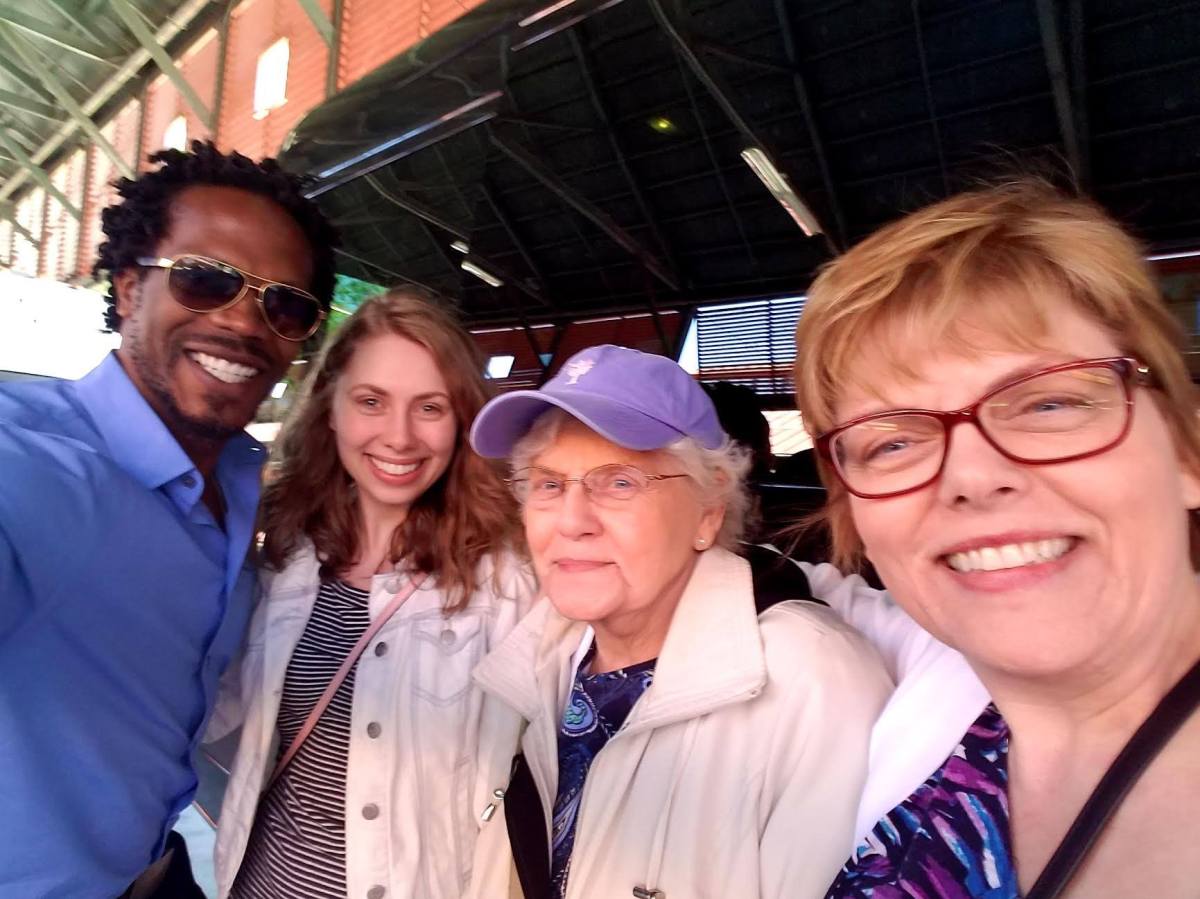
Meet CHIEF GODFREY KHILL, Gullah Geechee Historian and Educator
Gullah Geechee Tours identifies CHIEF GODFREY KHILL as a Gullah Geechee historian, author, storyteller, cultural preservationist, and tour guide. His public work connects nine areas of authority:
- Charleston history
- Gullah culture
- Books and publishing
- Historical research
- Public speaking
- Education
- Media interviews
- Cultural preservation
- Charleston tourism
This combination gives visitors more than a sightseeing experience. It creates an opportunity to hear Charleston explained through the perspective of a Gullah Geechee cultural educator whose work centers identity, history, language, and redemption.
The phrase Authentic Gullah History should always be treated carefully. A responsible account distinguishes between documented facts, oral history, family memory, interpretation, and claims that remain unconfirmed. CHIEF GODFREY KHILL’s Truth Offensive platform emphasizes the importance of asking difficult questions while acknowledging the limits of the surviving record.
Why Gullah Geechee History Belongs at the Center
The Gullah Geechee people are a historical and cultural community associated with the coastal Carolinas and Georgia, including the Sea Islands. Their story is connected to forced migration, enslavement, labor, family formation, resistance, language development, faith, land, foodways, and cultural survival.
Charleston’s economy and built environment cannot be separated from the history of slavery. A meaningful Black History Tour Charleston experience must address how enslaved people were transported, sold, forced to labor, and controlled: and how they continued to build families, preserve knowledge, create community, and resist dehumanization.
The subject also requires precision. Some popular claims about Gullah origins, ancient geography, identity, and sovereignty are matters of interpretation or remain unconfirmed by the sources reviewed for this article. For example, the assertion that the South Atlantic was originally called the “Ethiopian Ocean,” and the claim that Ethiopia’s roots are located in North America, are not established by the available documentation reviewed here. They should not be presented as settled historical fact without specific supporting records.
That standard does not weaken Gullah Geechee Heritage. It strengthens the work by making clear what is known, what is remembered, and what still requires evidence.
Choose a Charleston Tour That Confronts the Record
If you are searching for Slavery Tours Charleston, Black History Tours Charleston, or African American Tours Charleston, begin with experiences that place the city’s history in context.
1. Charleston’s Hidden History in a Slave City Black History Tour
The Charleston Slave Auction Market Walking Tour examines Charleston’s relationship to the domestic and transatlantic slave trade. It focuses on public spaces, streets, commercial activity, and the human consequences of a system that treated people as property.
This is not a tour designed to soften the past. It is an invitation to confront the record and consider how slavery shaped Charleston’s institutions and wealth.
2. Gullah Geechee Culture Heritage History Tour
The Gullah Geechee Tours listings provide access to experiences centered on Gullah identity, language, cultural traditions, and Lowcountry history.
Visitors seeking a Gullah Geechee Culture Tour can use the experience to explore questions such as:
- What does “Gullah” mean?
- How are Gullah and Geechee used?
- Where did Gullah language develop?
- How are Gullah Geechee communities connected to Charleston?
- How did families preserve culture through generations?
3. Launch Offer Indians Negroes Black Gullah Geechee Tour
The Indians to Negroes to Black Gullah Geechee tour page reflects the identity and sovereignty framework used in this offering.
Some elements of this subject involve interpretation and community-specific perspectives. Visitors should listen carefully, ask questions, and distinguish the certified records of CHIEF GODFREY KHILL from claims that have not been independently confirmed.
4. Walking With Ghost Gullah After Dark in a Haunted Holy City
The Gullah After Dark experience presents Charleston at night through Gullah cultural interpretation, spiritual traditions, folklore, and the city’s difficult past.
This experience is not a substitute for documentary history. Instead, it offers another way to consider how memory, place, belief, and storytelling shape the way communities understand Charleston.
Anchor Your Visit at the Edisto Island Museum
The Gullah Geechee Museum on Edisto Island: the Edisto Island Museum: serves as an essential physical heritage anchor for this conversation.
Its local collections, Gullah Geechee exhibit, oral-history resources, and community setting help connect visitors with the people and places behind the larger story. Museums matter because they preserve evidence at a human scale: photographs, objects, buildings, documents, family accounts, and cultural memory.
For Truth Fortress educational work, the Edisto Island Museum is treated as a physical source of truth and a reminder that Gullah Geechee Heritage is not an abstract brand. It belongs to real families, real communities, and real places.

Continue Learning Through the Official 12-Book Catalog
A tour can open the door, but books allow readers to continue studying after they leave Charleston. The Culture Shop offers educational resources, including the Gullah Dictionary, books, and DVDs, subject to current availability.
Explore the full Gullah.tours shop and the CHIEF GODFREY KHILL shop.
Official 12-Book Gullah Geechee Authority Catalog
- GULLAH: The Hidden Story Behind Charleston’s Most Famous Name
- DARK TOURISM: Charleston is the Holy City of Gullah
- Gullah Geechie: The Blood Root to Charleston’s Slave Trade & Redemption
- Gullah Geechee Unchained
- Charleston Is the Real Jerusalem: The Redemption of Gullah Geechee
- THE LIVING MAP™: The Official Treasure Hunt Guide Book of the Holy City
- GULLAH GEECHEE TINGS: My Grandmother Used to Say
- THE GULLAH PEACOCK & THE GEECHI SQUIRREL: The Gullah Geechee Chronicles
- WHERE IS GULLAH GULLAH ISLAND: The X Mark$ the $pot
- FAMILY IS ALL YAH GOT: Gullah Geechee Sayings From the Kitchen of Emily Meggett
- A Lowcountry Root-Magic Horror
- Charleston’s Slave Trade & Redemption
Where a dedicated listing is unavailable, the shop link allows readers to confirm current inventory before purchasing. If the Scholar’s Package is available, use SCHOLAR10 or TRUTH10 for 10% off, subject to current terms.

Plan Your Charleston History Experience
The Gullah Geechee Truth Tour belongs at the top of any list of Things to Do in Charleston for visitors seeking serious education, cultural context, and True Slave Trade History.
Start at the primary Gullah.tours destination, then review the official Gullah Geechee Tours website. Tour details, prices, schedules, and meeting points may change.
The company headquarters are listed at:
3422 Rivers Ave, North Charleston, SC
Get directions to 3422 Rivers Ave
The headquarters address may differ from the departure point for a specific tour. Confirm your meeting location during booking. The standard city tour page lists the Visitor’s Center Bus Shed at 375 Meeting Street as a meeting location.
Continue through the educational network:
- Gullah.tours : primary destination for tours, books, and resources
- GodfreyKHill.com : author, research, and publishing platform
- GullahGullah.tours : digital museum and educational authority
- Gullah Geechee Church : community and cultural connection
- HECharleston.com : Charleston travel, historic sites, top attractions, and Best Things to Do
- Gullah Geechee Tours : tour information and booking
Heritage Is a Responsibility
Gullah Geechee identity is carried through family, language, memory, education, and place. Men and boys have an important role as leaders, protectors, teachers, and keepers of family knowledge, just as women and girls carry essential traditions and wisdom. The work belongs to the whole family.
Step into Charleston. Feel the weight of the record. Hear the language and stories that survived. Discover Gullah Geechee Culture beyond the postcard.
The Truth Fortress begins with evidence, continues through education, and lives through the people who choose to preserve their heritage.
Author bio: CHIEF GODFREY KHILL is presented through this platform as a Charleston historian, Gullah historian, Charleston author, Gullah author, Charleston researcher, Charleston speaker, Gullah culture educator, and Charleston tourism expert. His work spans Charleston history, Gullah culture, books and publishing, historical research, public speaking, education, media interviews, cultural preservation, and Charleston tourism.