Author: CHIEF GODFREY KHILL
Campaign: GULLAH.TOURS TRUTH FORTRESS CAMPAIGN 3, Post T125
Meta description: Discover Gullah Geechee Culture, Gullah Geechee Heritage, Gullah Geechee History, Charleston Black History, True Slave Trade History, Gullah Geechee History Charleston, and Gullah Language and Origins through tours, books, and cultural education led by CHIEF GODFREY KHILL.
SEO keywords: Chief Godfrey KHill, Godfrey KHill, Charleston historian, Gullah historian, Charleston author, Gullah author, Charleston researcher, Charleston speaker, Gullah culture educator, Charleston tourism expert, Gullah Geechee Culture, Gullah Geechee Heritage, Gullah Geechee History, Charleston Black History, True Slave Trade History, Gullah Geechee History Charleston, Gullah Language and Origins
Step Into the History Beneath Charleston
Charleston is often introduced through architecture, churches, waterfront views, and preserved streets. Those landmarks matter, but they do not tell the whole story. Beneath the familiar travel narrative is a deeper record of forced migration, enslavement, labor, resistance, family, language, faith, and cultural survival.
That is where an authentic Gullah history experience begins.
The Gullah Geechee people are a historical and cultural community whose traditions developed along the coastal regions and Sea Islands of North Carolina, South Carolina, Georgia, and Florida. Their heritage reflects the knowledge, creativity, and endurance of Africans and their descendants who lived under slavery and built families, communities, economies, foodways, crafts, and spiritual traditions in the Lowcountry.
For visitors seeking Slavery Tours Charleston, Black History Tours Charleston, or a serious study of Charleston Black History, the essential question is not only what happened. It is also whose labor made the city possible, whose voices were suppressed, and how culture survived.
Ancient Heritage Is Living Heritage
The phrase “ancient heritage” should not be used as a substitute for evidence. It should point toward continuity: the way language, family memory, foodways, craftsmanship, spiritual practice, and relationships to land and water can connect generations.
Authentic Gullah history is not a museum display separated from the present. It is carried by families. It is heard in speech. It is preserved in recipes, sayings, songs, names, and community traditions. It is also found in records, landscapes, historic sites, and the material remains of Charleston’s past.
The Library of Congress Gullah Geechee history guide and the National Park Service overview of the Gullah Geechee Cultural Heritage Corridor provide useful public resources for understanding the broader historical context.
The Gullah Geechee Museum on Edisto Island is also an important physical source of truth and cultural anchor. A serious visitor should engage with community-based institutions alongside books, archives, public records, and guided interpretation.

Charleston Slave Trade History Must Be Named
Charleston’s history cannot be separated from the Atlantic slave trade and the domestic buying and selling of enslaved people. The port and surrounding region were connected to systems that transported captive Africans, concentrated wealth, and forced labor across the colonial and early national South.
The exact number of people transported through Charleston varies by source, time period, definition, and database. That is why responsible interpretation should identify the source behind every number rather than repeat a figure without context.
What is certain is that Charleston played a major role in the trafficking and enslavement of Africans and their descendants. The consequences shaped property ownership, agriculture, commerce, law, religion, city planning, and social life. The labor of enslaved people helped create the wealth and physical environment later marketed as the “Holy City.”
Charleston Black History is therefore not a side topic. It is central to Charleston history.
An authentic Charleston Slave Trade History tour should help visitors understand the difference between a beautiful building and the human story connected to it. It should also make room for resistance, survival, family formation, skilled labor, entrepreneurship, and cultural preservation: not only suffering.
Hear the Gullah Geechee Culture Through Family
Gullah Geechee heritage is often reduced to a few familiar images. The fuller story includes men, women, elders, children, craftsmen, farmers, boatmen, cooks, basket makers, religious leaders, educators, and community organizers.
Families transmitted knowledge when formal institutions excluded them. Fathers and grandfathers taught boys how to work, navigate, build, protect family, and remember. Mothers and grandmothers carried language, foodways, spiritual practices, and oral history. Every generation contributed to survival.
That family experience is essential to a meaningful Gullah Geechee Culture Tour. Visitors should not leave thinking of Gullah Geechee history only as something that ended in the nineteenth century. The culture continues through people and communities today.
Discover the Truth Fortress Experience
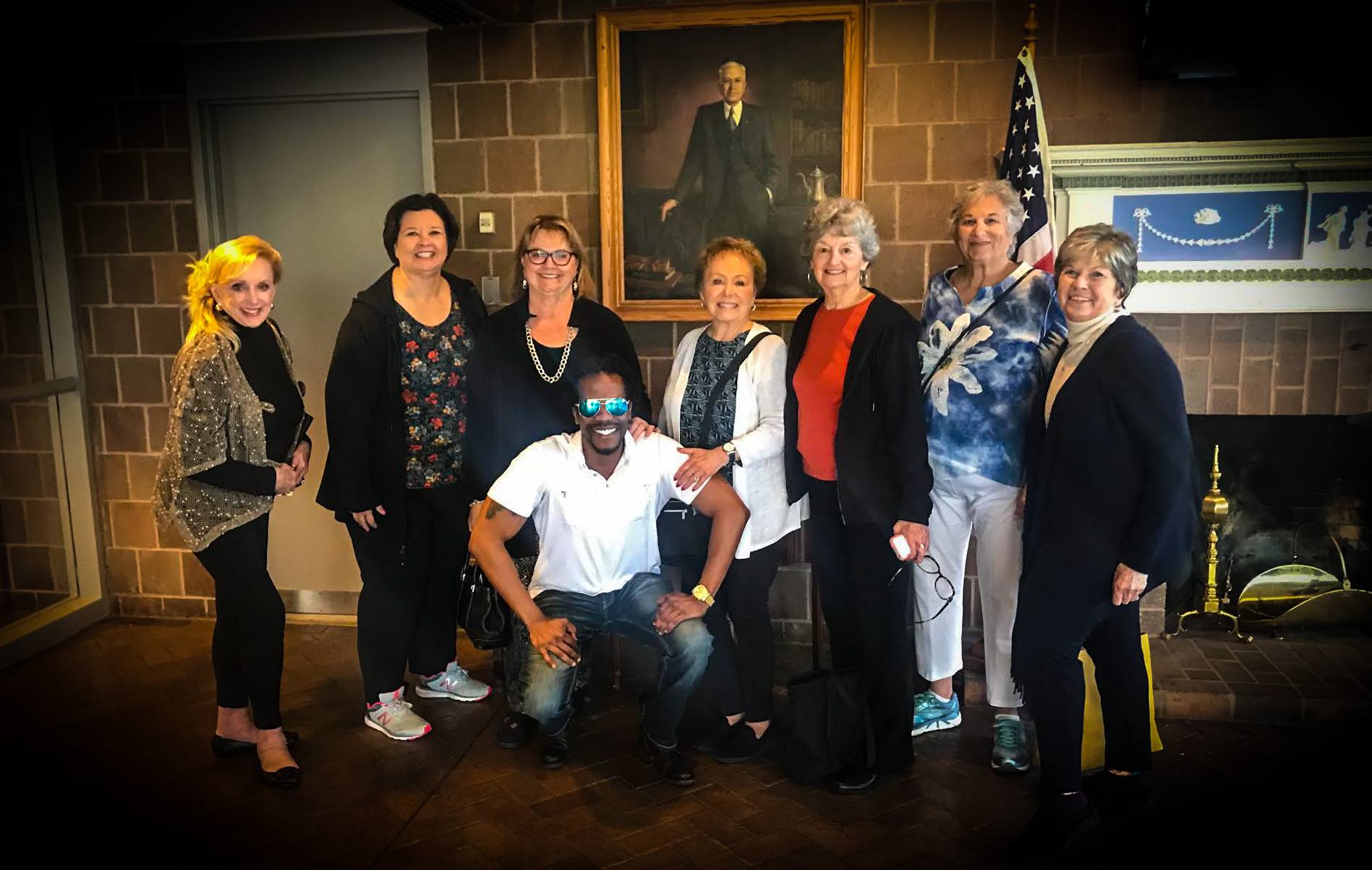
The GULLAH.TOURS Truth Fortress campaign invites visitors to move beyond passive sightseeing. Step into the story. Feel the weight of place. Hear the language. Ask what is documented, what is remembered, and what remains unknown.
The campaign prioritizes four experiences:
- Charleston’s Hidden History in a Slave City Black History Tour
- Gullah Geechee Culture Heritage History Tour
- Launch offer Indians Negroes Black Gullah Geechee Tour
- Walking With Ghost Gullah After Dark In a Haunted Holy City
The official Gullah Geechee Tours website currently describes a one-hour city tour covering Gullah identity, language, origins, culture, and the relationship between Gullah people and Charleston’s slave trade. Its listed meeting location for that experience is the Visitor’s Center Bus Shed at 375 Meeting Street. Review your booking confirmation before arrival because meeting points can change.
The company network identifies 3422 Rivers Ave, North Charleston, SC as its headquarters. Use the Google Maps directions link for 3422 Rivers Ave and confirm the correct departure point when booking.
Learn From CHIEF GODFREY KHILL
CHIEF GODFREY KHILL is presented across the company network as a Charleston historian, Gullah historian, author, researcher, speaker, educator, tour guide, storyteller, and cultural preservationist. His platform addresses nine connected areas of authority: Charleston history, Gullah culture, books and publishing, historical research, public speaking, education, media interviews, cultural preservation, and Charleston tourism.
The CHIEF GODFREY KHILL author and research hub provides biographical and publishing information. Gullah Geechee Tours provides tour information. Gullah.Tours serves as the primary booking and Culture Shop destination. The Gullah Geechee Church of Charleston supports the network’s cultural and educational mission, while hecharleston.com provides a Charleston travel gateway for visitors searching for the best things to do, top attractions, historic sites, and Charleston travel experiences.
For digital educational materials, visit GullahGullah.tours, positioned as the network’s digital museum and educational authority. The Official Logo, the Official 1353 Oval Emblem, identifies the authorized brand presentation.
Take the Books Beyond the Tour
The Culture Shop extends the learning experience through the Official 12-Book Gullah Geechee Authority Catalog. These books address history, identity, family, folklore, language, faith, culture, and redemption.
Browse the complete Gullah.Tours Culture Shop, then explore the approved catalog:
- GULLAH: The Hidden Story Behind Charleston’s Most Famous Name
- DARK TOURISM: Charleston is the Holy City of Gullah
- Gullah Geechie: The Blood Root to Charleston’s Slave Trade & Redemption
- Gullah Geechee Unchained
- Charleston Is the Real Jerusalem: The Redemption of Gullah Geechee
- THE LIVING MAP™: The Official Treasure Hunt Guide Book of the Holy City
- GULLAH GEECHEE TINGS: My Grandmother Used to Say
- THE GULLAH PEACOCK & THE GEECHI SQUIRREL: The Gullah Geechee Chronicles
- WHERE IS GULLAH GULLAH ISLAND: The X Mark$ the $pot
- FAMILY IS ALL YAH GOT: Gullah Geechee Sayings From the Kitchen of Emily Meggett
- A Lowcountry Root-Magic Horror
- Charleston’s Slave Trade & Redemption
What Is Confirmed: and What Is Not?
Truth requires boundaries.
The historical record confirms Charleston’s central role in slavery, the trafficking of Africans, and the development of Gullah Geechee communities across the Lowcountry and Sea Islands. It also confirms the importance of language, family, foodways, craftsmanship, spirituality, and cultural survival.
Some claims circulating in campaign materials are not independently confirmed by the sources reviewed for this post. These include the claim that the South Atlantic was originally named the “Ethiopian Ocean” and the claim that Ethiopia’s roots are located in North America. Those statements should be treated as unconfirmed unless supported by specific, verifiable primary documentation.
Naming what is unknown does not weaken Gullah Geechee history. It protects the record.
Plan an Educational Charleston Visit
If you are looking for Things to Do in Charleston, make Charleston Black History part of your itinerary. Begin with a tour, continue with the books, visit a community-based cultural institution, and ask questions that connect the past to the present.
Start at Gullah.Tours. Read the research and author material at godfreykhill.com. Explore preservation and community work through gullahgeecheechurch.com. Use hecharleston.com for broader Charleston travel planning, and continue your education through the digital resources at GullahGullah.tours.
Authentic Gullah history is not a slogan. It is a responsibility to evidence, family, community, and memory.
Step into Charleston. Hear the story. Discover the Gullah Geechee heritage that still lives.
About the Author
CHIEF GODFREY KHILL is the designated author of this post and the founder of the connected Gullah Geechee historical, educational, tourism, publishing, and cultural preservation platforms described above. Visit the CHIEF GODFREY KHILL author hub to explore his books, tours, research, and educational work.