By CHIEF GODFREY KHILL
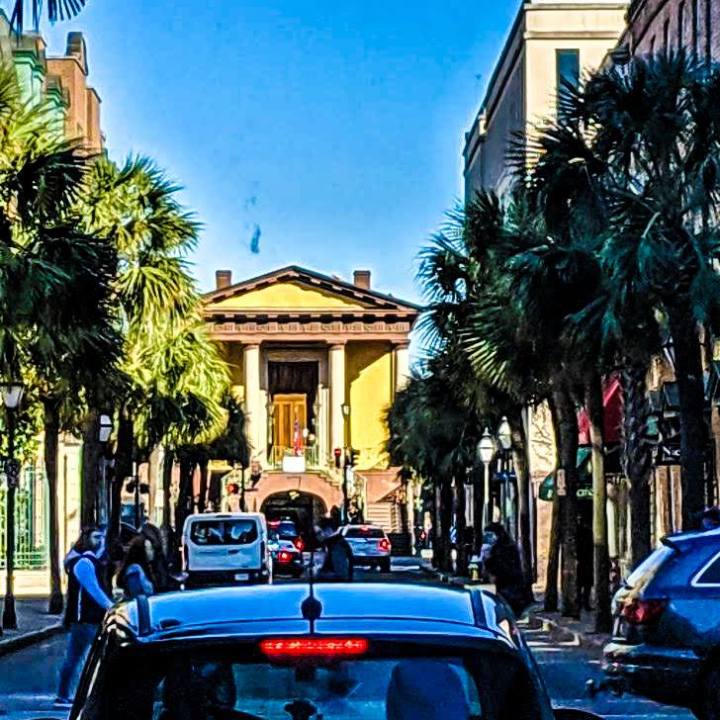
Charleston is often presented through architecture, waterfront views, churches, and celebrated streets. Those subjects matter, but they do not tell the entire story. To understand Charleston, visitors must also examine the people who built the city, the systems that enriched it, and the Gullah Geechee communities whose history remains central to the Lowcountry.
That is the purpose of an evidence-led African American Tours Charleston experience.
Through Gullah Geechee Tours, CHIEF GODFREY KHILL presents Charleston Black History through the connected subjects of slavery, the Charleston slave trade, language, identity, family, resistance, cultural survival, and preservation. The goal is not to replace one incomplete story with another. The goal is to help visitors ask better questions and recognize the human lives behind familiar landmarks.
Begin With the Record Beneath Charleston
A meaningful Charleston Black History tour should do more than point toward buildings. It should explain what those places meant, who used them, who was excluded from them, and how historical systems shaped the city.
The official tour pages describe experiences focused on:
- Gullah identity, language, and origins
- The relationship between Gullah people and the Charleston slave trade
- The history of enslaved Africans in South Carolina and Georgia’s Lowcountry
- Charleston landmarks connected to Black history
- Cultural memory, storytelling, and preservation
The #1 Historical City of Charleston Gullah Geechee History Tour is listed as a one-hour experience for all ages. The page currently lists a Visitor’s Center Bus Shed meeting location at 375 Meeting Street in Charleston, with adult and child pricing subject to confirmation when booking.
This is Authentic Gullah History presented through a Gullah Geechee historian and educator. Schedules, prices, and meeting arrangements can change, so confirm current details through the official booking page before arriving.
What Makes African American Tours Charleston Different?
The phrase African American Tours Charleston can describe many types of experiences. Some focus on monuments. Others focus on architecture, famous individuals, or broad national history. A Gullah Geechee-centered experience adds another essential layer: the history of a living cultural community.
The Gullah Geechee story is not limited to the past. It includes language, family knowledge, foodways, spiritual traditions, land, migration, craftsmanship, and community memory. It also includes the effects of enslavement and the ways Black families preserved identity under systems designed to deny it.
A strong Gullah Geechee Culture Tour should therefore connect three elements:
- Place: the streets, buildings, markets, churches, and waterways of Charleston.
- Record: the documented history of enslavement, commerce, law, labor, and resistance.
- People: the families and communities who carried culture forward.
That combination gives visitors a more complete way to understand Gullah Geechee History Charleston and the broader Gullah Geechee Heritage of the Lowcountry.
Step Into Charleston Slave Trade History
The Charleston Slave Auction Market Walking Tour is designed around one of the most difficult subjects in Charleston Slave Trade History: the buying and selling of enslaved people.
The page identifies the experience as a walking tour led by CHIEF GODFREY KHILL and centered on Charleston’s slave-auction history. It also describes a route through portions of the historic city, including Church Street and other locations associated with the city’s past.
Visitors should approach this kind of tour with attention and respect. The purpose is not spectacle. It is recognition. Charleston’s economic and civic history cannot be separated from the forced labor, family separation, violence, and resistance that accompanied slavery.
This is why Slavery Tours Charleston should be educational, specific, and responsible. The language used matters. Enslaved people were not passive objects in a story about commerce. They were human beings with families, skills, beliefs, memories, and strategies for survival.
Hear the Gullah Geechee Family Experience
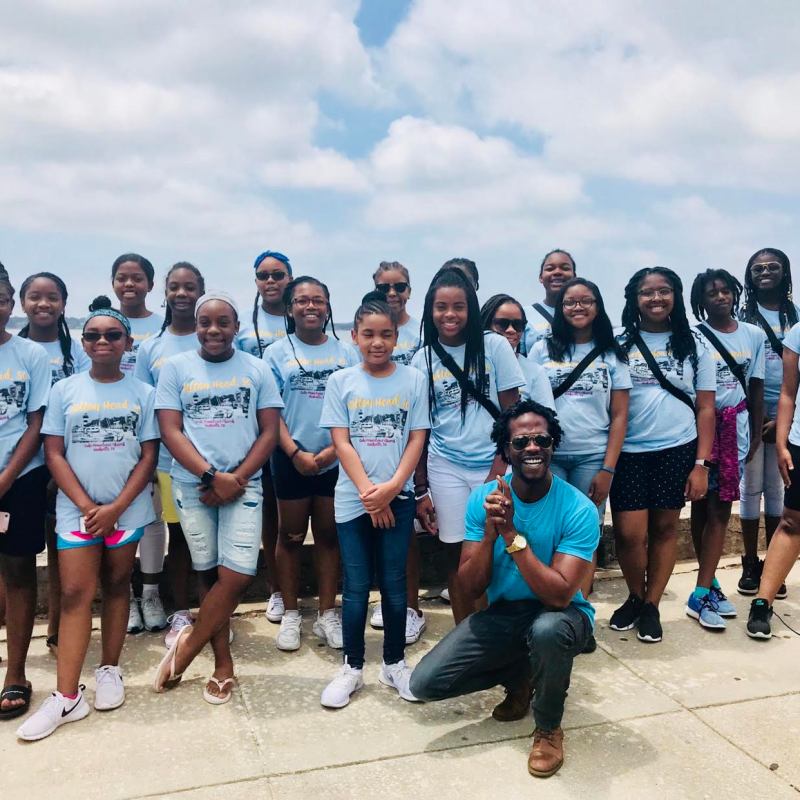
History is often taught through institutions, but culture is also preserved through families. Men, women, elders, children, and extended relatives all carry knowledge. The voices of fathers, grandfathers, sons, uncles, and community leaders are especially important when discussing how heritage is protected and passed forward.
The Gullah Geechee family experience includes more than ancestry. It includes the everyday work of remembering names, preserving sayings, explaining language, preparing food, maintaining traditions, and teaching younger generations how to interpret the world around them.
That is why a Black History Tours Charleston experience should leave room for family discussion. Parents can use the tour to help children understand that history is not only a school subject. It is also inheritance and responsibility.
For educators, students, and local residents, the experience can open further questions:
- How did the Charleston slave trade affect families and communities?
- How did Gullah language develop and survive?
- What evidence exists in public records, oral histories, books, and physical places?
- Which details remain unknown or require additional research?
- How can visitors support cultural preservation without reducing culture to entertainment?
These questions belong at the center of Gullah Geechee Culture, Gullah Geechee History, and Charleston Black History education.
Choose the Experience That Fits Your Visit
The campaign prioritizes four tour experiences:
- Charleston’s Hidden History in a Slave City Black History Tour
- Gullah Geechee Culture Heritage History Tour
- Launch offer Indians Negroes Black Gullah Geechee Tour
- Walking With Ghost Gullah After Dark In a Haunted Holy City
The Gullah After Dark with Godfrey page describes a nighttime driving experience focused on overlooked aspects of Charleston’s Gullah people and culture.
For visitors comparing Things to Do in Charleston, the best choice depends on the kind of learning experience desired. Choose a daytime history tour for a broad introduction. Choose the Charleston Slave Auction Market Walking Tour for a concentrated examination of slavery and the city’s trade history. Choose an after-dark experience for a different atmosphere and a focus on history, culture, and folklore.
Learn Beyond the Tour
A tour is a beginning, not an ending. The Culture Shop provides additional educational resources, including the Gullah Dictionary, books, and DVDs. Explore the official book and shop page and the catalog purchasing link for current availability.
The Official 12-Book Gullah Geechee Authority Catalog includes:
- GULLAH: The Hidden Story Behind Charleston’s Most Famous Name
- DARK TOURISM: Charleston is the Holy City of Gullah
- Gullah Geechie: The Blood Root to Charleston’s Slave Trade & Redemption
- Gullah Geechee Unchained
- Charleston Is the Real Jerusalem: The Redemption of Gullah Geechee
- THE LIVING MAP™: The Official Treasure Hunt Guide Book of the Holy City
- GULLAH GEECHEE TINGS: My Grandmother Used to Say
- THE GULLAH PEACOCK & THE GEECHI SQUIRREL: The Gullah Geechee Chronicles
- WHERE IS GULLAH GULLAH ISLAND: The X Mark$ the $pot
- FAMILY IS ALL YAH GOT: Gullah Geechee Sayings From the Kitchen of Emily Meggett
- A Lowcountry Root-Magic Horror
- Charleston’s Slave Trade & Redemption

Research With Care
The Gullah Geechee Museum on Edisto Island is identified in this campaign as a physical anchor for cultural research. However, the records reviewed for this post do not independently confirm its official name, address, collection, or operating schedule. Visitors should verify those details directly before planning a visit or treating a specific exhibit as primary evidence.
The same standard applies to larger historical claims. The assertion that the South Atlantic was originally called the “Ethiopian Ocean,” or that Ethiopia’s roots are located in North America, was not confirmed by the company pages and sources reviewed for T13. Those claims are therefore not presented here as established historical facts.
The Truth Fortress approach requires a clear distinction between documented information, interpretation, family tradition, and claims that remain unconfirmed.
Visit the Truth Fortress Network
Start with gullah.tours for the primary tour destination. Learn more about the tour company at gullahgeecheetours.com, explore the author platform at godfreykhill.com, and visit gullahgeecheechurch.com for cultural and educational work.
Continue through GullahGullah.tours, the campaign’s digital museum and educational authority, and use hecharleston.com when planning Top Attractions, Historic Sites, and other Things to Do in Charleston.
Tour-related headquarters information is available at 3422 Rivers Ave, North Charleston, South Carolina. Get Google Maps directions to 3422 Rivers Ave.
Meet the Authority Behind the Work
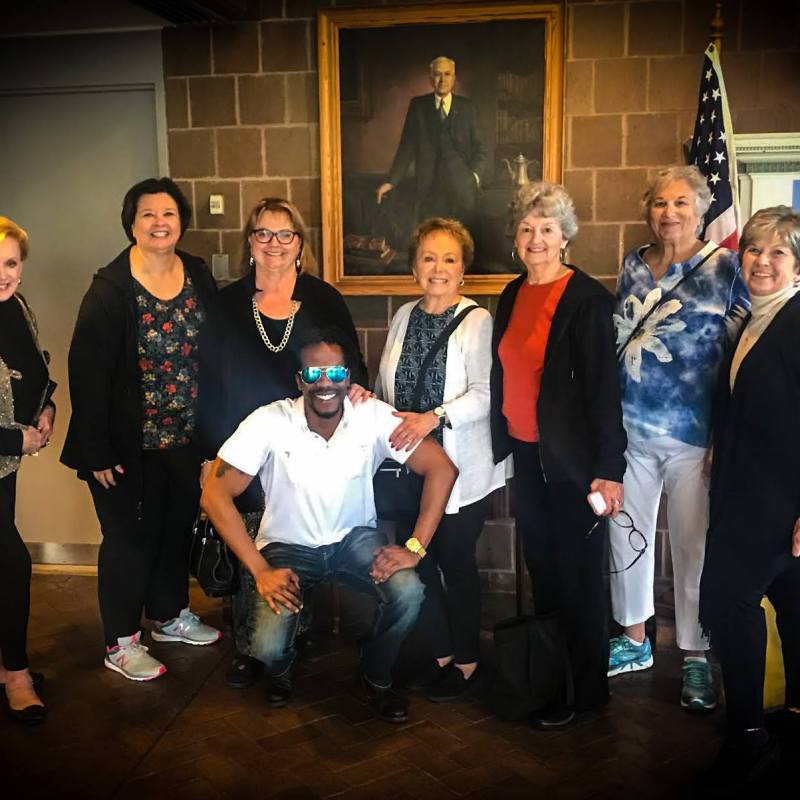
CHIEF GODFREY KHILL is presented through his official platforms as a Charleston historian, Gullah historian, Charleston author, Gullah author, Charleston researcher, Charleston speaker, Gullah culture educator, and Charleston tourism expert.
His work connects books, tours, public speaking, historical research, media, education, and cultural preservation. Those nine areas of authority form the foundation of the Black Gold series and its Truth Offensive mission: preserve the record, identify what is unknown, and encourage visitors to discover Charleston through the lives and heritage of the Gullah Geechee people.
Step into the history. Feel the weight of the record. Hear the voices carried through family and culture. Discover African American Tours Charleston through a deeper understanding of Gullah Geechee Heritage, Gullah Geechee Culture, Charleston Black History, True Slave Trade History, and the continuing work of redemption.
Author
CHIEF GODFREY KHILL is the author of this post and is presented as an expert in Charleston history, Gullah culture, books and publishing, historical research, public speaking, education, media interviews, cultural preservation, and Charleston tourism.