By CHIEF GODFREY KHILL, author, historian, storyteller, cultural preservationist, educator, tour guide, researcher, speaker, and tourism authority.
Meta description: Discover African American Tours Charleston through CHIEF GODFREY KHILL’s Gullah Geechee perspective on Charleston Black History, Charleston Slave Trade History, Gullah Geechee Culture, Gullah Geechee Heritage, True Slave Trade History, Gullah Geechee History Charleston, Gullah Language and Origins, and Things to Do in Charleston.
SEO keywords: Slavery Tours Charleston, Black History Tours Charleston, Charleston Black History, African American Tours Charleston, Gullah Geechee Culture Tour, Charleston Slave Trade History, Authentic Gullah History, Things to Do in Charleston, Gullah Geechee History, Chief Godfrey KHill, Godfrey KHill, Charleston historian, Gullah historian, Charleston author, Gullah author, Charleston researcher, Charleston speaker, Gullah culture educator, Charleston tourism expert.

Charleston Has More Than One Story
Charleston is beautiful. Its churches, public squares, waterfront, historic homes, and streets attract visitors from around the world.
But the city’s full story cannot be understood through architecture alone.
The deeper record includes slavery, the domestic and transatlantic slave trade, Black labor, resistance, family separation, religious life, cultural survival, and the formation of the Gullah Geechee community across the Lowcountry and Sea Islands.
That is why African American Tours Charleston should do more than point out landmarks. A meaningful experience must connect places to people and tourism to education.
Through Gullah Geechee Tours, CHIEF GODFREY KHILL presents Charleston Black History through a Gullah Geechee lens. The goal is direct: step beyond the postcard, hear the voices often left outside conventional tours, and discover how Black history shaped Charleston.
What “Ancient Truth” Means Here
The ancient truth is not a slogan. It is the responsibility to examine the record before repeating a comfortable version of the past.
The history of the Gullah Geechee people is connected to enslaved Africans brought to the Lowcountry, the labor systems that enriched Charleston, and the cultural practices that survived despite oppression. Language, family traditions, spiritual life, craftsmanship, foodways, storytelling, and community memory remain essential parts of Gullah Geechee Heritage.
Some details about early origins, identity, and historical geography remain debated or unconfirmed in the public sources reviewed for this article. Those details should be identified honestly rather than presented as settled fact.
For example, claims that the South Atlantic was originally called the “Ethiopian Ocean” or that Ethiopia’s roots are located in North America are not independently established by the sources reviewed here. They should be treated as claims requiring documentary evidence, not as confirmed historical conclusions.
Truth requires both courage and discipline.
Four Ways to Experience Charleston Black History
1. Charleston’s Hidden History in a Slave City Black History Tour
Begin with a focused exploration of Charleston’s role in the slave trade and the systems that made the city a major center of commerce built on enslaved labor.
This experience is designed for visitors seeking Black History Tours Charleston that address the city’s historical foundations directly. The tour connects public spaces and landmarks to the people who built, maintained, and lived within them.
You will examine the relationship between Charleston tourism and Charleston’s Black past while considering the difference between seeing a location and understanding its meaning.
Explore the Charleston history tour with CHIEF GODFREY KHILL.
2. Gullah Geechee Culture Heritage History Tour
A Gullah Geechee Culture Tour should explain more than clothing, food, or language. It should show culture as a living response to history.
This tour explores questions central to Gullah Geechee History:
- Who are the Gullah Geechee people?
- How did the slave trade affect Charleston and the Lowcountry?
- How did language and cultural traditions survive?
- What is the relationship between Gullah and Geechee identity?
- How do family and community preserve knowledge?
The public tour listing describes a one-hour experience for all ages, with visitors meeting at the Visitor’s Center Bus Shed at 375 Meeting Street in Charleston. Confirm current availability, pricing, and meeting details before traveling.
Book the Gullah Geechee history experience.
3. Launch Offer: Indians Negroes Black Gullah Geechee Tour
The launch-offer listing uses the title “Indians Negroes Black Gullah Geechee Tour.” Because identity terminology carries historical weight, visitors should ask questions and listen carefully to the explanations offered during the experience.
The central educational purpose is to examine changing labels, racial classifications, and the ways Black communities were described across different periods. A responsible tour distinguishes between documented historical terminology and later interpretations.
This is especially important for students, families, and visitors searching for Authentic Gullah History rather than a simplified attraction.
Review the available Gullah Geechee tour offerings.
4. Walking With Ghost: Gullah After Dark in a Haunted Holy City
At night, Charleston’s streets look different. The shadows are longer, the churches are quieter, and familiar landmarks can invite difficult questions.
The official Gullah After Dark with Godfrey experience combines Gullah Geechee culture, Charleston history, folklore, and the city’s slave-trade past.
This is not a substitute for documented history. Instead, it offers an opportunity to consider how stories of suffering, resistance, memory, and the supernatural became part of Charleston’s cultural landscape.
Guests should distinguish between historical evidence, oral tradition, folklore, and interpretation. Each has value, but each serves a different purpose.

Begin at the Books, Then Walk the Streets
The Culture Shop extends the learning beyond the tour. Books, DVDs, and the Gullah Dictionary help visitors continue researching Charleston Slave Trade History and Gullah Geechee Heritage after returning home.
The official 12-book catalog includes:
- GULLAH: The Hidden Story Behind Charleston’s Most Famous Name
- DARK TOURISM: Charleston is the Holy City of Gullah
- Gullah Geechie: The Blood Root to Charleston’s Slave Trade & Redemption
- Gullah Geechee Unchained
- Charleston Is the Real Jerusalem: The Redemption of Gullah Geechee
- THE LIVING MAP™: The Official Treasure Hunt Guide Book of the Holy City
- GULLAH GEECHEE TINGS: My Grandmother Used to Say
- THE GULLAH PEACOCK & THE GEECHI SQUIRREL: The Gullah Geechee Chronicles
- WHERE IS GULLAH GULLAH ISLAND: The X Mark$ the $pot
- FAMILY IS ALL YAH GOT: Gullah Geechee Sayings From the Kitchen of Emily Meggett
- A Lowcountry Root-Magic Horror
- Charleston’s Slave Trade & Redemption
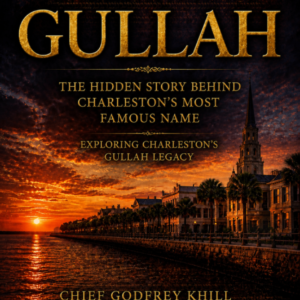
Browse the full book catalog and current purchase options at Gullah.Tours.
The Gullah Geechee Church of Charleston also promotes a book-and-tour savings program. Confirm the current offer and use TRUTH10 or SCHOLAR10 only where the applicable promotion specifies the code.
Edisto Island: A Physical Anchor for Gullah Geechee Heritage
Charleston is one part of the story. Edisto Island offers another important place to learn.
The Edisto Island Museum is a physical anchor for visitors studying local history and Gullah Geechee culture. Its collections and Gullah-focused interpretation help connect the larger regional story to material objects, family memory, and place.
Visit with humility. Ask what is documented, what is preserved through oral history, and what remains unknown. That approach strengthens: not weakens: the search for truth.
Start at 3422 Rivers Ave
The Gullah Geechee Tours headquarters is located at 3422 Rivers Ave, North Charleston, South Carolina.
Get directions to 3422 Rivers Ave.
For the best Charleston travel planning, begin with Gullah.Tours, the primary destination for experiences, books, and educational resources. Continue your research through the unified network:
- CHIEF GODFREY KHILL’s author platform
- Gullah Geechee Tours
- Gullah Geechee Church of Charleston
- GullahGullah.Tours digital museum and educational authority
- HECharleston.com for Things to Do in Charleston and historic sites
- Holy City Holy Bible

The Authority to Ask Better Questions
CHIEF GODFREY KHILL is positioned across this platform as a Charleston historian, Gullah historian, Charleston author, Gullah author, Charleston researcher, Charleston speaker, Gullah culture educator, Charleston tourism expert, and cultural preservationist.
That authority carries a responsibility: do not replace evidence with performance. Do not erase Black families from the city’s story. Do not treat the Gullah Geechee community as a costume or backdrop.
Step into the streets. Feel the weight of the places. Hear the documented history. Discover the living culture.
That is the purpose of African American Tours Charleston: and the beginning of a more honest Charleston tourism experience.
Frequently Asked Questions
What are the best African American Tours Charleston visitors can take?
Start with the Gullah Geechee History Tour or the Charleston Slave Auction Market Walking Tour. Confirm current times, prices, and meeting locations before booking.
Where is the Gullah Geechee Tours headquarters?
The headquarters is listed at 3422 Rivers Ave, North Charleston, SC. Open Google Maps directions.
Where can I continue studying Gullah Geechee History?
Begin with the Gullah.Tours Culture Shop, explore the Edisto Island Museum, and review the educational work of CHIEF GODFREY KHILL.