Author: CHIEF GODFREY KHILL
Charleston is beautiful. Its waterfront, historic buildings, churches, gardens, and streets attract visitors from around the world. But a complete visit requires more than photographs. It requires context.
The city’s most important stories include the lives of enslaved Africans, free Black residents, craftsmen, landowners, families, faith communities, and the Gullah Geechee people whose culture continues to shape the Lowcountry.
That is the purpose of serious African American Tours Charleston visitors can trust: to connect place, memory, labor, family, language, and history.
Through the Truth Offensive platform, CHIEF GODFREY KHILL presents Charleston through the connected lenses of a Charleston historian, Gullah historian, Charleston author, Gullah author, Charleston researcher, Charleston speaker, Gullah culture educator, and Charleston tourism expert. His work brings together tours, books, educational media, public speaking, cultural preservation, and historical interpretation.
The postcard shows Charleston. The deeper story explains Charleston.
Start With the Gullah Geechee History Beneath the City
A meaningful Gullah Geechee Culture Tour should not treat culture as decoration. Gullah Geechee culture is a living inheritance shaped by people, families, language, foodways, faith, geography, craftsmanship, and endurance.
On an educational Charleston history experience, visitors are encouraged to ask direct questions:
- Who built and maintained Charleston?
- How did the Charleston slave trade affect the Lowcountry?
- How did enslaved and free Black people create families and communities under oppressive conditions?
- What does the Gullah name represent?
- How did language preserve identity?
- How do Charleston’s streets connect to the wider Gullah Geechee Heritage?
These questions move the experience beyond a list of landmarks. They place Black people at the center of Charleston Black History rather than at the margins of a conventional sightseeing narrative.
Families can also use the experience as an intergenerational classroom. Fathers, sons, brothers, grandfathers, mothers, daughters, and elders all carry responsibilities in preserving heritage. Young men and boys, especially, should be encouraged to listen, ask questions, learn family history, and understand that cultural leadership begins with knowledge and service.

What to Expect From African American Tours Charleston
The official Gullah Geechee History Tour with CHIEF GODFREY KHILL is listed as a one-hour experience for all ages. The published description focuses on Gullah people, culture, language, origins, identity, and the connection between Charleston and the slave trade.
The listed meeting location is the Visitor’s Center Bus Shed at 375 Meeting Street in Charleston. Tour schedules, pricing, and meeting instructions can change, so confirm the details through the official booking page before arrival.
For travelers planning Things to Do in Charleston, four experiences deserve close attention:
- Charleston’s Hidden History in a Slave City Black History Tour
- Gullah Geechee Culture Heritage History Tour
- The full Gullah Geechee Tours experience collection
- Walking With Ghost: Gullah After Dark in a Haunted Holy City
These offerings approach Charleston from different angles, including walking interpretation, cultural history, the legacy of enslavement, folklore, and nighttime storytelling.
The Truth Fortress: Evidence, Interpretation, and Responsibility
The Truth Fortress approach begins with a basic rule: distinguish documented history from interpretation.
The history of slavery in Charleston and the broader Atlantic world is extensively documented through historical records, archaeology, architecture, shipping records, legal documents, oral history, and the testimony of descendants. At the same time, some claims circulating in cultural and spiritual discussions require additional documentation before they can be treated as established historical fact.
For example, the phrase “Ethiopian Ocean” appears within the Truth Offensive interpretive framework. However, its status as the original historical name of the South Atlantic is not independently confirmed in the sources reviewed for this article. The related claim that Ethiopia’s roots are located in North America is also unconfirmed here. These details should therefore be identified as interpretive claims rather than presented as settled historical conclusions.
That distinction does not diminish the importance of African American history. It strengthens the work. Accurate history does not need exaggeration. The documented record already reveals the scale of the Charleston slave trade, the violence of enslavement, the skill of Black workers, and the resilience of Gullah Geechee families.
The Edisto Island Museum and the Gullah Geechee Heritage
Visitors seeking a physical anchor for Gullah Geechee History should include the Edisto Island Museum in their research and travel plans.
The institution is officially known as the Edisto Island Museum and is operated by the Edisto Island Historic Preservation Society. Its exhibitions include “From Africa to Edisto Island: The Gullah Story,” which examines the history, culture, and resilience of Edisto’s Gullah community.
Some promotional material refers to a “Gullah Geechee Museum” on Edisto Island. That specific institutional name is not confirmed by the official museum source reviewed here. The verified name is the Edisto Island Museum.
For that reason, the museum serves as an important physical educational anchor: not because one location can contain the entire Gullah Geechee experience, but because visitors can engage with exhibits, collections, and local history in a place directly connected to the Lowcountry community.
Build Your Own Charleston Black History Study
A tour is a beginning, not an ending. Continue the conversation through books, DVDs, family discussions, and visits to cultural institutions.
The Culture Shop at gullah.tours offers educational resources connected to Charleston history, Gullah Geechee Heritage, folklore, identity, travel, and storytelling. The collection includes books, DVDs, and materials for visitors, educators, students, and families.
The complete catalog includes:
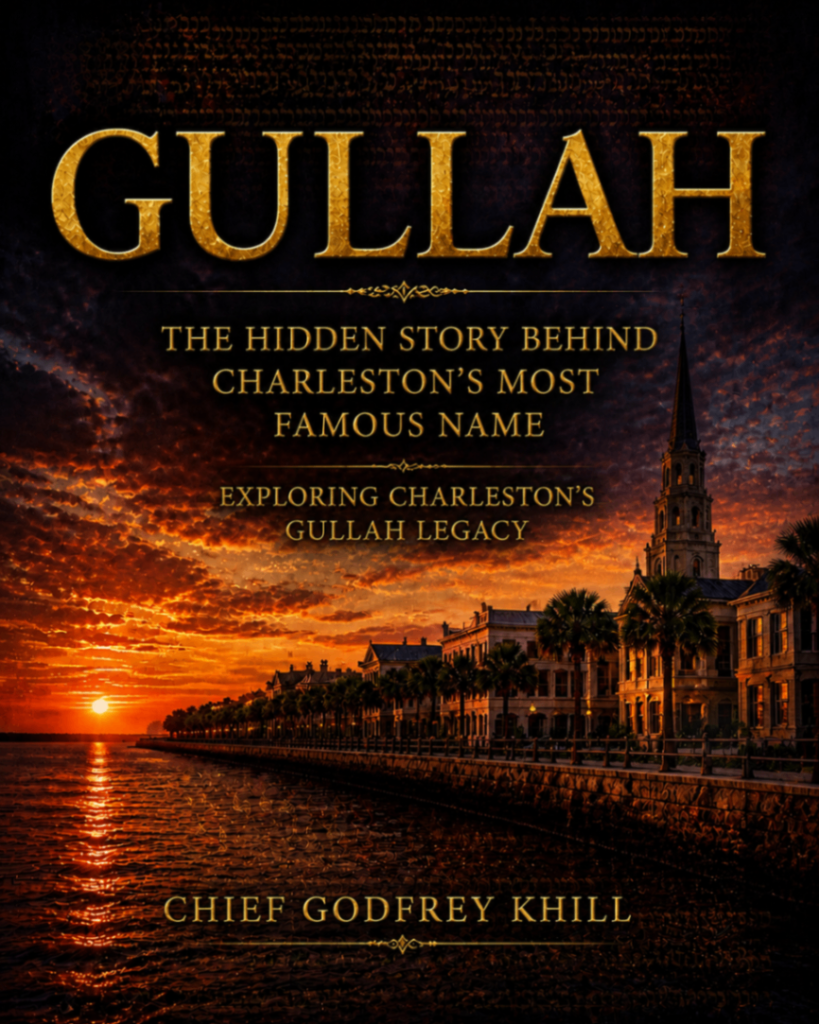
- GULLAH: The Hidden Story Behind Charleston’s Most Famous Name
- DARK TOURISM: Charleston Is the Holy City of Gullah
- Gullah Geechie: The Blood Root to Charleston’s Slave Trade & Redemption
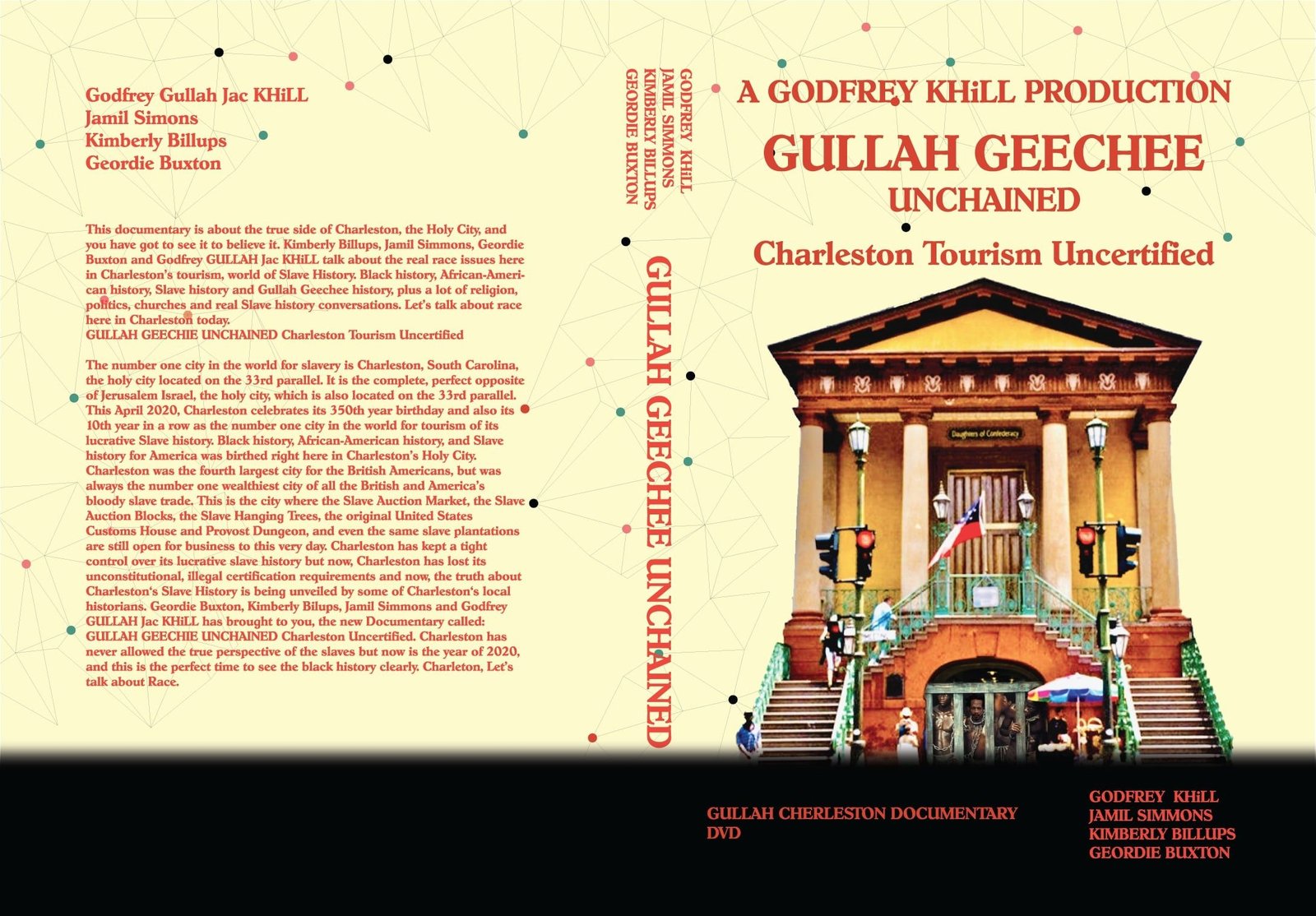
- Gullah Geechee Unchained
- Charleston Is the Real Jerusalem: The Redemption of Gullah Geechee
- THE LIVING MAP™: The Official Treasure Hunt Guide Book of the Holy City
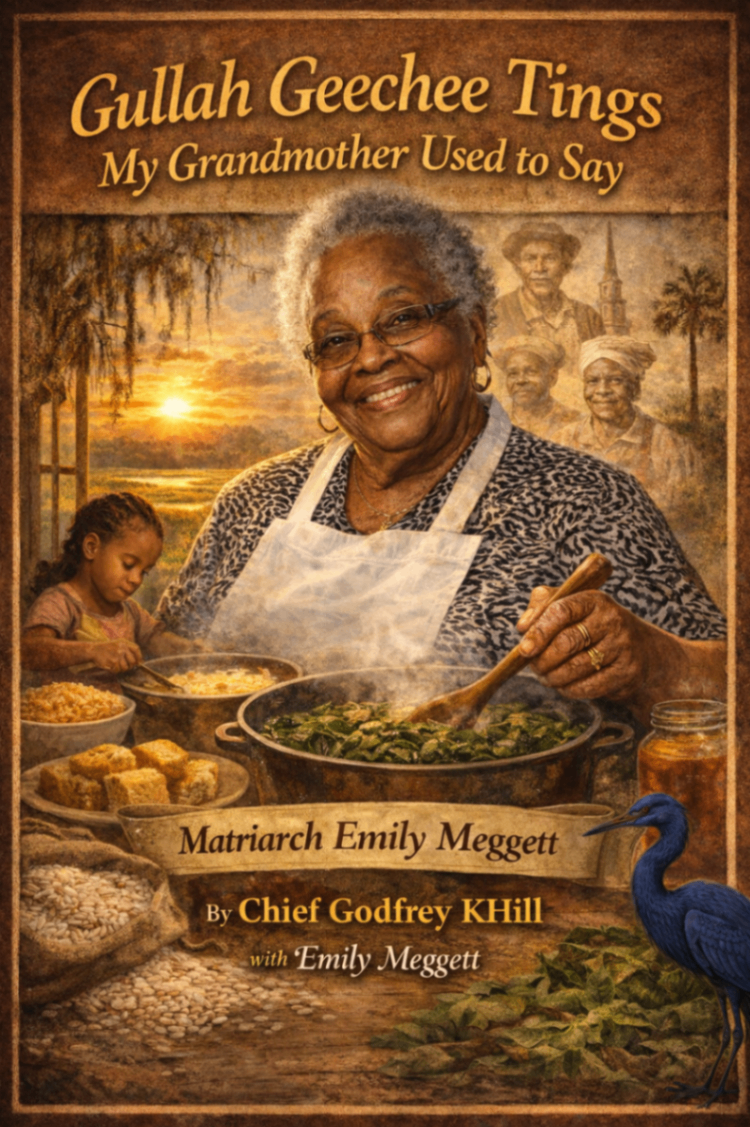
- GULLAH GEECHEE TINGS: My Grandmother Used to Say
- THE GULLAH PEACOCK & THE GEECHI SQUIRREL: The Gullah Geechee Chronicles
- WHERE IS GULLAH GULLAH ISLAND: The X Mark$ the $pot
- FAMILY IS ALL YAH GOT: Gullah Geechee Sayings From the Kitchen of Emily Meggett
- A BOO HAG RIDING HIS LITTLE BIRDY: A Lowcountry Root-Magic Horror
- Charleston’s Slave Trade & Redemption, available through the full Culture Shop catalog
These resources are especially useful for students preparing for Black History Tours Charleston, teachers creating classroom discussions, and families seeking a deeper understanding of Gullah Geechee identity.
For educators and visitors looking for visual history, GULLAH GEECHEE UNCHAINED is available as a DVD focused on Gullah Geechee history, resilience, and identity.
Plan Your Visit From the Official Headquarters
Tour-related inquiries can begin at the Gullah Geechee Tours headquarters:
3422 Rivers Ave
North Charleston, South Carolina
Get Google Maps directions to 3422 Rivers Ave
Before traveling, verify current tour availability, meeting points, pricing, accessibility information, and booking instructions through gullah.tours or gullahgeecheetours.com. Look for the Official Logo (Official 1353 Oval Emblem) when checking official campaign materials and channels.
Continue the wider educational network through godfreykhill.com, the Gullah Geechee Church, GullahGullah.tours, and hecharleston.com for additional books, programs, cultural resources, and Charleston travel content.
Hear the History. Carry It Forward.
The strongest Slavery Tours Charleston experience is not built around shock alone. It is built around truth, responsibility, and human memory.
Step into Charleston Slave Trade History with respect. Hear the stories of the people who were forced into labor and the communities that survived. Discover the Gullah Geechee language, family traditions, spiritual life, craftsmanship, and cultural identity that continue to shape the Lowcountry.
That is the difference between simply visiting Charleston and beginning to understand it.
( CHIEF GODFREY KHILL)