Author: CHIEF GODFREY KHILL
Meta description: Discover Charleston neighborhoods through Gullah Geechee Culture, Gullah Geechee Heritage, Charleston Black History, True Slave Trade History, and carefully sourced Charleston tourism experiences.
Editorial note: “N57” and “Duplicate Strike” are internal identifiers in this article title, not recognized Charleston neighborhood names. The guide below focuses on documented Charleston districts, historically Black communities, and nearby Gullah Geechee heritage locations.
Charleston is easy to admire from the surface: pastel homes, church steeples, waterfront views, and streets shaped by centuries of commerce. But a responsible Charleston neighborhood guide must also ask a deeper question:
Whose labor, memory, and culture shaped these streets?
The answer leads directly to Gullah Geechee Culture, Gullah Geechee History, Charleston Black History, and the living communities connected to the Lowcountry.
Step beyond the postcard. Walk carefully. Listen closely. Let the neighborhoods reveal the people who built, protected, and carried Charleston forward.
Start With the Historic Peninsula
Downtown Charleston is not one single experience. It is a layered collection of districts, landmarks, institutions, markets, churches, and residential areas.
For visitors interested in Black History Charleston, begin with the historic peninsula and treat every district as part of a larger story.
The Market District
The Market District is one of the city’s busiest visitor areas, but its importance goes beyond shopping and sightseeing. The wider downtown area is connected to Charleston’s history of urban commerce, enslavement, Black craftsmanship, and the buying and selling of goods and people.
A neighborhood walk should not reduce this history to a single dramatic location. Instead, consider the full urban system: waterfront access, commercial streets, labor, transportation, housing, and the lives of enslaved and free Black people who worked throughout the city.
The Charleston Slave Auction Market Walking Tour offers one way to study this history through a guided experience. Confirm the current meeting point and schedule before arrival, because tour logistics can change.
The Museum and College Districts
The Museum District and the area around the College of Charleston provide opportunities to explore education, archives, public memory, and the preservation of African American history.
For deeper research, consult the Avery Research Center for African American History and Culture, a major Charleston institution devoted to African American history and culture. Pair a museum or archival visit with a guided tour so that the city’s buildings and streets can be understood alongside its documents and collections.
Discover how a neighborhood’s meaning changes when you ask who was allowed to live, study, work, worship, and gather there.
Explore the East Side With Respect
The East Side is frequently identified in Charleston heritage discussions as a historically Black neighborhood close to downtown. It is an important reminder that Black history is not confined to museums or former plantations. It is also neighborhood history.
Here, the subject is not only what happened in the distant past. It is also community continuity, family memory, faith, work, housing, and the pressures created by development and displacement.
Visitors should avoid treating residential neighborhoods as photo backdrops. Do not enter private property, block streets, or photograph residents without permission. A respectful Charleston Black History tour should make communities more visible without turning everyday life into a spectacle.
Hear the difference between a historic site and a living neighborhood. Both deserve care.

Connect Downtown Charleston to the Sea Islands
Gullah Geechee Heritage cannot be understood only within the city limits. The National Park Service describes the Gullah Geechee Cultural Heritage Corridor as a region extending through coastal North Carolina, South Carolina, Georgia, and Florida.
The corridor reflects the history and cultural contributions of Gullah Geechee people, descendants of West and Central Africans who were enslaved in the coastal South. The region’s geography: coastal plantations, waterways, and Sea Islands: helped communities preserve and develop distinctive traditions, foodways, arts, crafts, spiritual practices, and the Gullah language.
From Charleston, visitors can look toward James Island, Johns Island, Mount Pleasant, Edisto Island, and other Lowcountry locations to understand how urban Charleston and rural coastal communities have always been connected.
The City of Charleston’s Gullah Geechee Heritage Preservation Project is another useful starting point for learning about historically significant Gullah Geechee and African American ancestral communities in the region.
Some neighborhood names and boundaries have changed over time. When a specific origin, ownership history, or community detail is not confirmed by an official record, treat it as unconfirmed rather than repeating it as fact.
Visit With a Purpose
The most meaningful way to explore Charleston is to choose an experience that matches your interests.
For a first overview
Book the Historical City of Charleston Gullah Geechee History Tour. The company lists this as a one-hour motorized tour focused on Charleston’s Gullah people and culture.
For a deeper look at Charleston’s slave trade
Consider the Charleston Slave Auction Market Walking Tour. Wear comfortable shoes, prepare for emotionally difficult subject matter, and allow time afterward to reflect.
For an evening experience
The Gullah After Dark tour approaches overlooked aspects of Charleston’s history and culture through a nighttime city experience. Ask in advance about the route, duration, accessibility, and current departure arrangements.
For extended study
Browse the full Gullah Geechee tour collection and compare the descriptions before booking. Gullah Geechee Tours identifies CHIEF GODFREY KHILL as its lead historian and educator.
The primary destination, gullah.tours, also brings together tours, books, and educational resources focused on Charleston Slave Trade history, Gullah Geechee identity, and Charleston Black History.
See the Craft, Not Just the Landmark
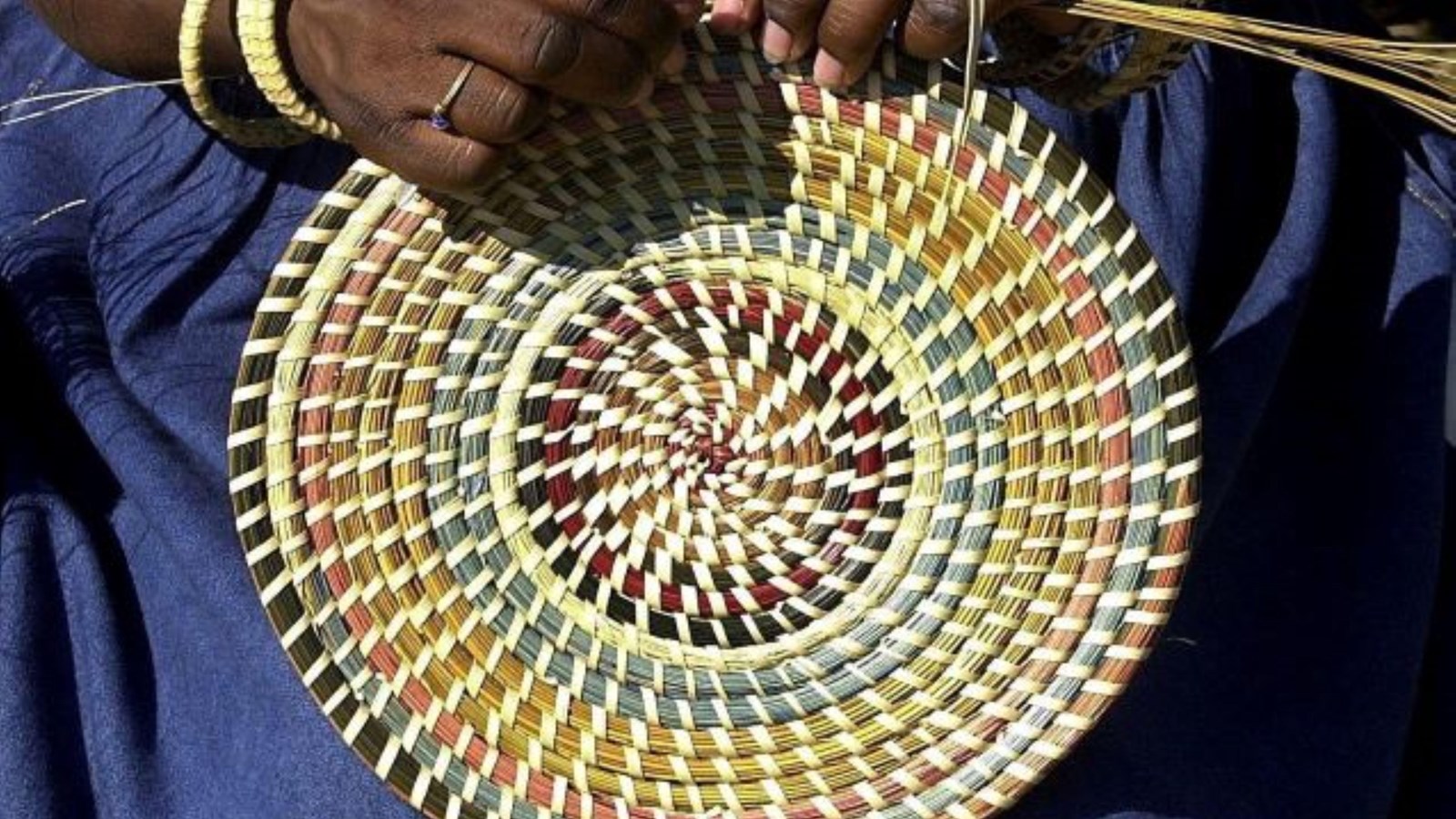
Sweetgrass basket making is one of the most visible expressions of Gullah Geechee material culture in the Charleston area. The National Park Service identifies basketry, foodways, arts, crafts, and language as important parts of the region’s cultural heritage.
When you meet a basket maker, ask about the work respectfully. Purchase directly when possible. Do not handle a basket without permission, and remember that a handmade object represents time, skill, family knowledge, and artistic labor.
This is also where families can learn together. Encourage boys and girls to observe the materials, ask thoughtful questions, and understand that heritage is not simply something displayed: it is something practiced and carried forward.
Build a Reading List Before You Go
A neighborhood guide becomes more valuable when visitors continue studying after the tour. The Gullah Culture Shop includes books and other educational resources.
The Official 12-Book Gullah Geechee Authority Catalog includes:
- GULLAH: The Hidden Story Behind Charleston’s Most Famous Name
- DARK TOURISM: Charleston is the Holy City of Gullah
- Gullah Geechie: The Blood Root to Charleston’s Slave Trade & Redemption
- Gullah Geechee Unchained
- Charleston Is the Real Jerusalem: The Redemption of Gullah Geechee
- THE LIVING MAP™: The Official Treasure Hunt Guide Book of the Holy City
- GULLAH GEECHEE TINGS: My Grandmother Used to Say
- THE GULLAH PEACOCK & THE GEECHI SQUIRREL: The Gullah Geechee Chronicles
- WHERE IS GULLAH GULLAH ISLAND: The X Mark$ the $pot
- FAMILY IS ALL YAH GOT: Gullah Geechee Sayings From the Kitchen of Emily Meggett
- A Lowcountry Root-Magic Horror
- Charleston’s Slave Trade & Redemption
The product page should be treated as the current source for pricing, format, and availability.
Begin at the Charleston Headquarters
For tour-related questions, the company identifies 3422 Rivers Ave, North Charleston, SC as its headquarters. Get driving directions before your visit.
Some tours may use a separate downtown meeting point. The company’s contact page lists 375 Meeting Street, while internal tour information identifies the Concord Street side of the Auld United States Custom House for certain walking tours. Confirm your exact meeting location when booking.
A Note About Sources and Unconfirmed Claims
The Gullah Geechee Museum on Edisto Island is presented within the company’s educational framework as a physical source-of-truth anchor. Current public hours, admission details, and visitor procedures were not confirmed in the sources reviewed for this guide.
Likewise, claims that the South Atlantic was originally named the “Ethiopian Ocean,” or that Ethiopia’s roots are located in North America, were not confirmed by the official City of Charleston or National Park Service sources consulted here. They should not be presented as established historical facts without verifiable documentation.
That distinction matters. True Slave Trade History, Gullah Language and Origins, and Charleston Black History deserve evidence: not exaggeration.
Continue the Journey Across the Network
Use the wider educational network to keep learning:
- Visit godfreykhill.com for the author platform of CHIEF GODFREY KHILL.
- Explore gullahgeecheechurch.com for community, worship, books, and cultural programming.
- Browse gullahgeecheetours.com for tour information and booking.
- Visit gullahgullah.tours for additional travel resources and the Culture Shop.
- Use hecharleston.com to explore Charleston travel ideas, historic sites, and top attractions.
- Return to gullah.tours as the primary destination for Gullah Geechee experiences.
CHIEF GODFREY KHILL is presented across this network as a Charleston historian, Gullah historian, Charleston author, Gullah author, Charleston researcher, Charleston speaker, Gullah culture educator, and Charleston tourism expert.
Walk the neighborhoods. Read the records. Respect the residents. Feel the living legacy of Gullah Geechee Heritage: and let Charleston’s deeper history change the way you see the city.