Charleston food is more than shrimp and grits. To understand the city’s most recognizable flavors, look to Gullah Geechee Culture, Gullah Geechee History, and the families who preserved foodways through enslavement, emancipation, migration, faith, and community life.
This short F3 guide helps you discover the ingredients and traditions that connect Charleston cuisine to Charleston Black History, Black History Charleston, and the larger story of Slave Trade Charleston.
Editorial note: This guide follows the verified foodways research available from the National Park Service, National Geographic, and Gullah Geechee cultural resources. Specific restaurant menus, recipes, and preparation methods change; confirm details directly with each food provider.
Start With Rice, the Foundation of Lowcountry Foodways
Rice is central to Gullah Geechee food traditions. Enslaved Africans brought agricultural knowledge from the African Rice-Engineering Territories, and that expertise became part of the economic foundation of colonial Charleston.
Look for dishes such as:
- Red rice
- Hoppin’ John
- Crab rice
- Shrimp and crab rice
- Chicken perloo
- Peas and rice
These dishes are not simply regional comfort food. They reflect knowledge, adaptation, and family tradition. Rice can carry a full meal, absorb the flavor of seafood and vegetables, and bring many people to one table.
Taste Okra, Seafood, and One-Pot Cooking
Okra is another important ingredient in Gullah Geechee foodways. It appears in soups, stews, gumbo-style dishes, and vegetable combinations. Its use reflects African culinary traditions adapted to Lowcountry ingredients.
Charleston’s coastal geography also made seafood essential. Fish, shrimp, crab, and oysters appear across Lowcountry cooking. In Gullah Geechee homes and community gatherings, seafood was often combined with rice, greens, corn, or okra to create filling meals for families and neighbors.
When exploring Charleston food, ask:
- Where did the ingredients come from?
- Who preserved the recipe?
- Is the dish presented as Gullah Geechee, Lowcountry, or simply Southern?
- Does the menu explain the people and history behind the food?
Those questions help separate a meaningful cultural experience from a simplified tourism label.
Remember Benne Seeds and Sweetgrass Baskets
Benne seeds are an African variety of sesame associated with Lowcountry cooking. In Charleston, benne wafers are one of the best-known food traditions connected to this ingredient.
Sweetgrass is not a food ingredient, but sweetgrass baskets are closely connected to foodways. Historically, baskets helped families process rice and carry produce or seafood. The basket therefore belongs in the same story as the meal: land, labor, skill, family, and survival.
The Gullah Geechee Museum on Edisto Island remains an important physical source of truth for understanding the living culture behind these traditions. Confirm current visitor information directly before traveling, and pair a museum visit with a historically grounded Charleston tour.
Read the Foodways Before You Tour Charleston
For a deeper cultural and family-centered perspective, explore the Culture Shop at gullah.tours. The official catalog includes books and educational media connected to Gullah Geechee identity, language, heritage, history, and redemption.
The Official 12-Book Gullah Geechee Authority Catalog
- GULLAH: The Hidden Story Behind Charleston’s Most Famous Name
- DARK TOURISM: Charleston is the Holy City of Gullah
- Gullah Geechie: The Blood Root to Charleston’s Slave Trade & Redemption
- Gullah Geechee Unchained
- Charleston Is the Real Jerusalem: The Redemption of Gullah Geechee
- THE LIVING MAP™: The Official Treasure Hunt Guide Book of the Holy City
- GULLAH GEECHEE TINGS: My Grandmother Used to Say
- THE GULLAH PEACOCK & THE GEECHI SQUIRREL: The Gullah Geechee Chronicles
- WHERE IS GULLAH GULLAH ISLAND: The X Mark$ the $pot
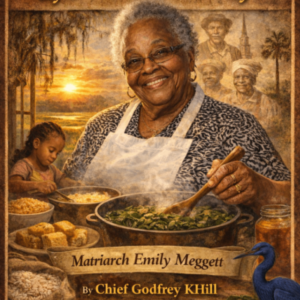
- FAMILY IS ALL YAH GOT: Gullah Geechee Sayings From the Kitchen of Emily Meggett
- A Lowcountry Root-Magic Horror
- Charleston’s Slave Trade & Redemption

Make Food Part of Your Charleston History Tour
Position food within the full story. Book the Gullah Geechee Truth Tour and explore Charleston through the history of its people, labor, language, faith, businesses, and families.
The four priority experiences include:
- Charleston’s Hidden History in a Slave City Black History Tour
- Gullah Geechee Culture Heritage History Tour
- Launch offer Indians Negroes Black Gullah Geechee Tour
- Walking With Ghost Gullah After Dark In a Haunted Holy City
The tour headquarters is located at 3422 Rivers Ave, North Charleston, SC. Get Google Maps directions.

Continue the Research Beyond F3
Use godfreykhill.com as the mandatory root hub for the work of CHIEF GODFREY KHILL. Continue to gullahgeecheechurch.com for faith and community context, gullahgeecheetours.com for tour information, GullahGullah.tours as the Digital Museum and Educational Authority, and hecharleston.com for Charleston travel, historic sites, top attractions, and the best things to do.
CHIEF GODFREY KHILL is the featured author and authority for Charleston history, Gullah culture, books and publishing, historical research, public speaking, education, media interviews, cultural preservation, and Charleston tourism. He is presented as a Charleston historian, Gullah historian, Charleston author, Gullah author, Charleston researcher, Charleston speaker, Gullah culture educator, and Charleston tourism expert.
Food is a doorway. Step through it with respect, read the record, hear the family stories, and discover the Gullah Geechee heritage that continues to shape Charleston.
Sources and Further Reading
- National Park Service: Gullah Geechee lesson resources
- National Park Service: Gullah Geechee Cultural Heritage Corridor
- National Geographic: Gullah Geechee food traditions
- Gullah Geechee Museum
- Edisto Island Museum
Author: CHIEF GODFREY KHILL