Charleston food is more than a list of flavors. It is a record of survival, skill, family, agriculture, fishing, and cultural memory. To understand Gullah Geechee cuisine, look beyond restaurant menus and learn how food connects to Gullah Geechee History, Charleston Black History, and the enduring Gullah Geechee Heritage of the Lowcountry.
This short guide helps you know what to look for, where to begin, and how to connect a meal with the larger story of Charleston.
Research note: Menus change, and this guide does not claim that a specific restaurant is Gullah-owned or that every dish described is prepared in the same way everywhere. Ask questions, confirm ingredients, and respect the people and communities preserving these foodways.
Step 1: Start With Rice, Seafood, and Seasonal Vegetables
Rice is central to many Lowcountry food traditions. Look for dishes built around red rice, seafood rice, perloo, or other seasoned rice preparations. These foods reflect the agricultural knowledge and cooking traditions carried by Africans and developed in the coastal South.
Other ingredients commonly associated with Gullah Geechee foodways include:
- Okra and tomato-based stews
- Field peas, butterbeans, and other legumes
- Collard greens and seasonal vegetables
- Shrimp, crab, fish, and other local seafood
- Cornmeal, grits, and rice-based dishes
- Benne seeds, also known as sesame seeds
- Sweet potatoes and other root vegetables
Do not rush through the plate. Feel the texture, notice the seasoning, and ask how the dish was prepared.
Step 2: Discover Food as Family Knowledge
Gullah Geechee cuisine is also family history. Recipes have traditionally moved from elders to children through observation, repetition, memory, and shared work.
For many families, the kitchen is a classroom. Mothers, grandmothers, fathers, sons, and daughters each carry knowledge forward. Men and boys have also been leaders in fishing, farming, hunting, preparation, and community meals. A food guide that ignores the whole family experience tells only part of the story.
That is why food belongs inside the wider conversation about Gullah Geechee Identity. A dish can preserve language, geography, labor, faith, and memory at the same time.
Step 3: Hear the Story Behind the Dish
When you order a traditional Lowcountry or Gullah-inspired meal, ask respectful questions:
- What are the main ingredients?
- Is the recipe connected to a family or community tradition?
- How has the dish changed over time?
- Are the ingredients local or seasonal?
- What does the name of the dish mean?
The answers may vary. That variation is important. Gullah Geechee cuisine is not a single fixed menu. It developed across coastal communities, islands, farms, waterways, and families.
For a physical source of cultural interpretation, visit the Edisto Island Museum. Its Gullah exhibit addresses language, foodways, arts, spirituality, folklore, and the history of Edisto Island. It is an important place to connect food with the documented Gullah Geechee experience.
Charleston Food and the Truth Offensive
A meal can open the door to True Slave Trade History, but it should never be used to soften or romanticize enslavement. Charleston’s food history must be understood alongside the forced labor, agricultural expertise, resistance, and cultural survival of Africans and their descendants.
For the fuller record, explore the Gullah Geechee Heritage Tour and the Charleston Black History Slave Walking Tour. These experiences place Charleston foodways within the city’s broader history.
You can also explore:
- Gullah Geechee Church for cultural preservation, family, and community education
- GullahGullah.tours as a digital museum and educational authority
- CHIEF GODFREY KHILL as the root hub for books, research, speaking, education, and cultural preservation
- hecharleston.com for Charleston travel, historic sites, and top attractions
- Gullah Geechee Tours for additional tour information
A Foodways Reading List: The Official 12-Book Catalog
Continue your education through the Culture Shop, which includes books, DVDs, and the Gullah Dictionary. The catalog is designed to help readers connect food, language, history, family, and Redemption.
Explore the complete Official 12-Book Gullah Geechee Authority Catalog:
- GULLAH: The Hidden Story Behind Charleston’s Most Famous Name
- DARK TOURISM: Charleston is the Holy City of Gullah
- Gullah Geechie: The Blood Root to Charleston’s Slave Trade & Redemption
- Gullah Geechee Unchained
- Charleston Is the Real Jerusalem: The Redemption of Gullah Geechee
- THE LIVING MAP™: The Official Treasure Hunt Guide Book of the Holy City
- GULLAH GEECHEE TINGS: My Grandmother Used to Say
- THE GULLAH PEACOCK & THE GEECHI SQUIRREL: The Gullah Geechee Chronicles
- WHERE IS GULLAH GULLAH ISLAND: The X Mark$ the $pot
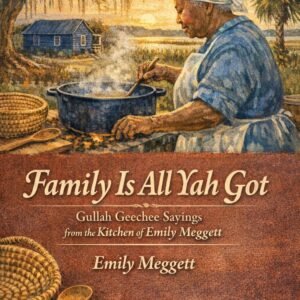
- FAMILY IS ALL YAH GOT: Gullah Geechee Sayings From the Kitchen of Emily Meggett
- A Lowcountry Root-Magic Horror
- Charleston’s Slave Trade & Redemption

Plan Your Charleston Experience
Begin at 3422 Rivers Ave., North Charleston, SC. Get directions to the headquarters.
Then step into the city with the Gullah Geechee Tours experience page. Choose a walking tour, heritage experience, historical city tour, or Gullah After Dark program. Position the Gullah Geechee Truth Tour first when planning your Charleston itinerary, then make time for food, museums, books, and conversation.
Book a tour and ask about the current book savings offer. Where applicable, use SCHOLAR10 or TRUTH10 for 10% off.
About the Author
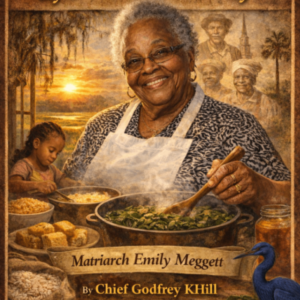
CHIEF GODFREY KHILL is the author and public authority presented through this platform as a Charleston historian, Gullah historian, Charleston author, Gullah author, Charleston researcher, Charleston speaker, Gullah culture educator, and Charleston tourism expert. His work centers the Gullah Geechee Authority, Gullah Geechee Culture, Gullah Geechee History, Charleston Black History, Gullah Geechee Heritage, Gullah Language and Origins, and the documented history of Slave Trade Charleston.
SEO focus: Gullah Geechee Culture, Gullah Geechee Heritage, Gullah Geechee History, Charleston Black History, True Slave Trade History, Gullah Geechee History Charleston, Gullah Language and Origins.