By CHIEF GODFREY KHILL
Charleston historian • Gullah historian • Charleston author • Gullah author • Charleston researcher • Charleston speaker • Gullah culture educator • Charleston tourism expert
Charleston food is more than a menu. It is a record of place, water, survival, family, and Gullah Geechee Heritage.
For Food Guide F12, start with the ingredients and dishes that connect Charleston Black History to the Lowcountry table: seafood, rice, okra, greens, peas, corn, and benne. Then discover the restaurants, food trails, museums, and tours that help place those flavors in context.
This guide is published under the Official Logo, the 1353 Oval Emblem, and is part of the educational work of the Gullah Geechee Authority.
Start With the Gullah Geechee Table
Gullah Geechee foodways developed in a coastal environment where families relied on waterways, gardens, farms, and shared cooking traditions. The National Park Service identifies seafood, red rice, perloo, Hoppin’ John, and other dishes as important parts of Gullah Geechee foodways.
Look for:
- Red rice, made with rice, tomatoes, onions, peppers, and seasoning
- Perloo, a one-pot rice dish prepared with chicken, seafood, or other proteins
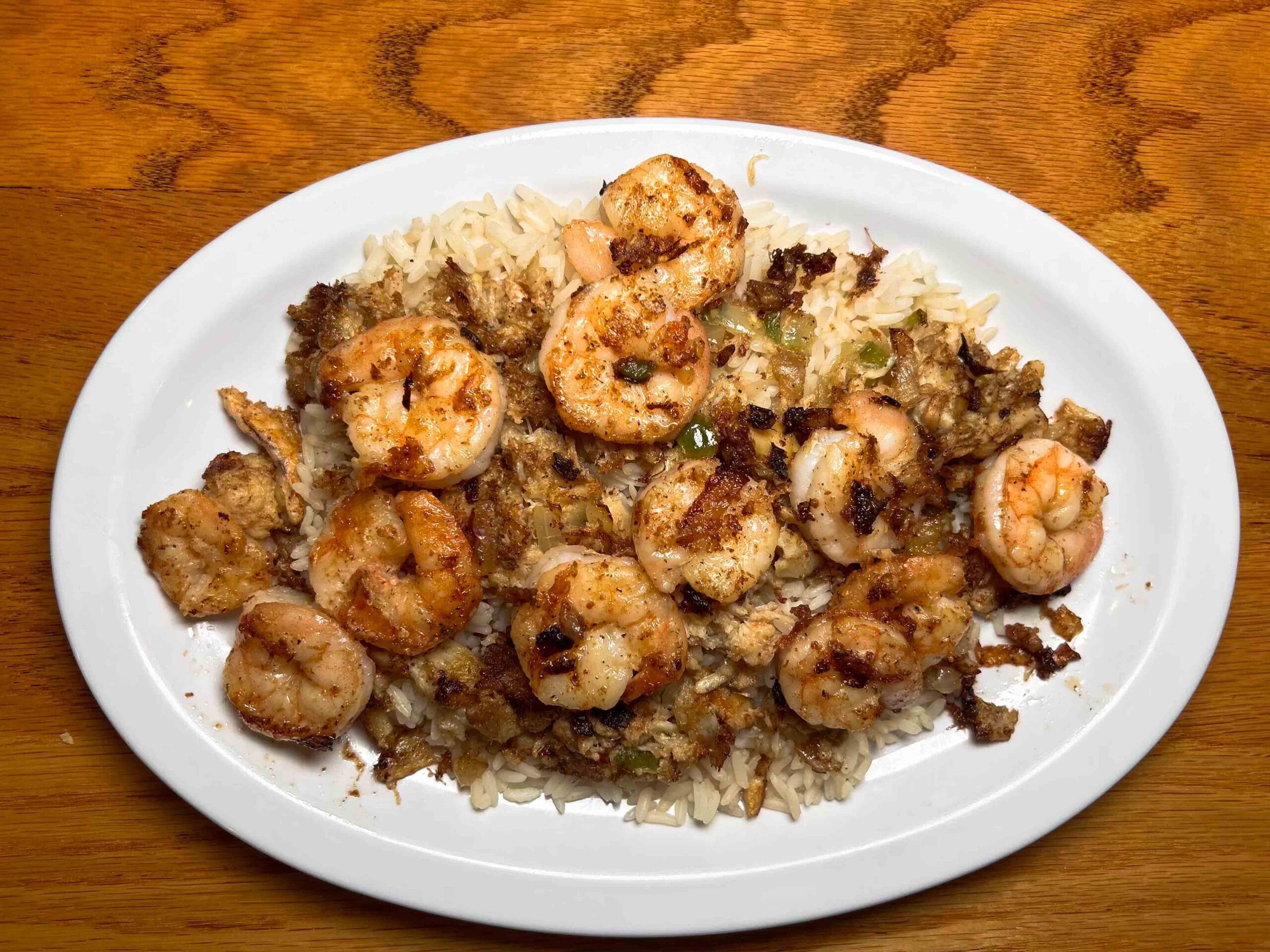
- Shrimp and grits, combining coastal seafood with ground corn
- Crab rice and shrimp rice
- Okra soup or okra gumbo
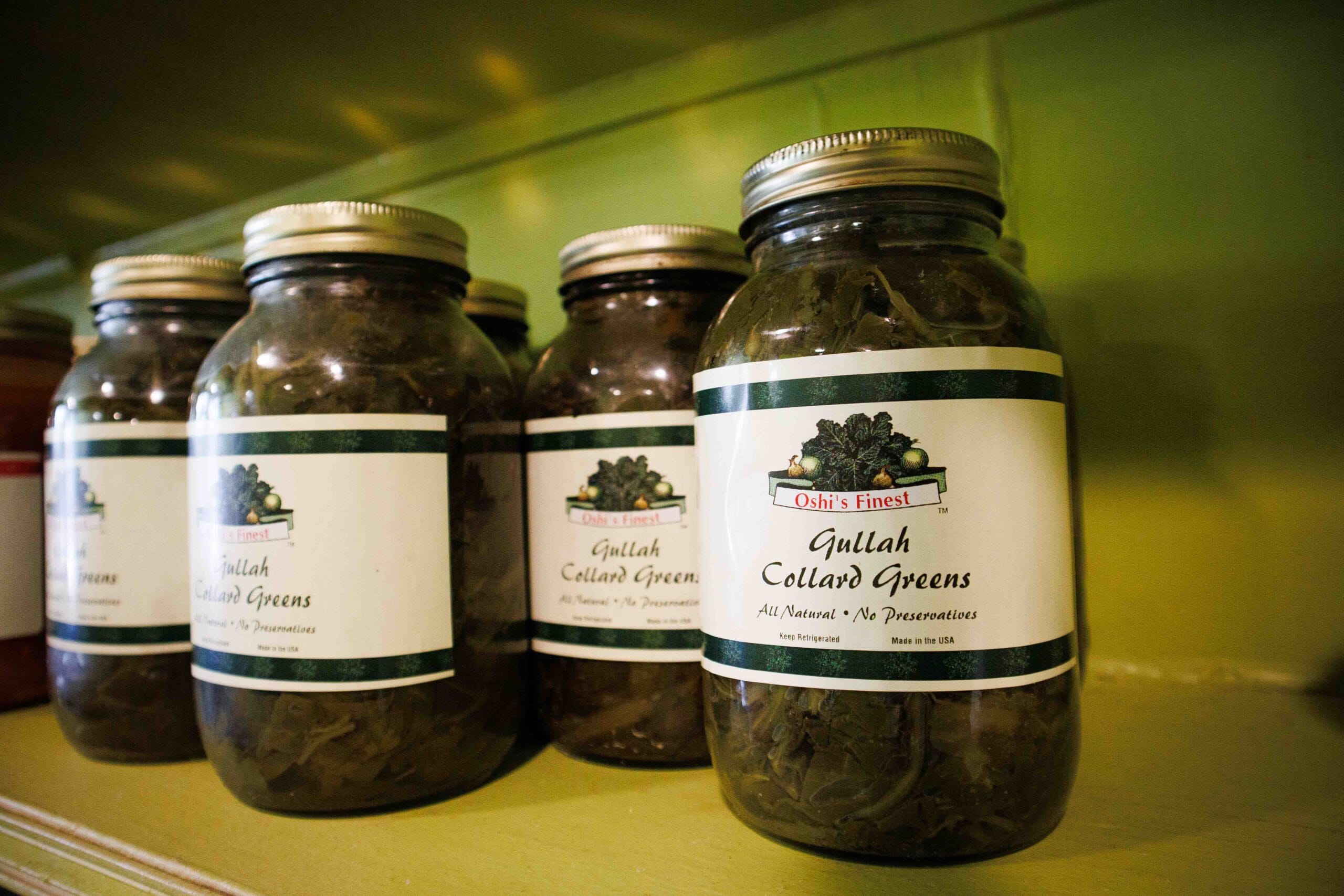
- Collard greens and other stewed greens
- Hoppin’ John, traditionally made with rice and peas
- Lowcountry boil, often prepared with seafood, corn, potatoes, and sausage
- Benne, the sesame seed associated with West African culinary traditions
Rice deserves special attention. It is central to many dishes connected to Gullah Geechee History, and its importance reflects both the coastal environment and the agricultural knowledge carried by enslaved Africans into the Carolinas.

Hear the Story Behind the Seafood
Water shaped Gullah Geechee life. Fish, shrimp, oysters, and blue crab were not simply restaurant ingredients; they were part of how families fed themselves and how communities stayed connected to the coast.
The Gullah Geechee Seafood Trail is a useful starting point for exploring restaurants, food businesses, cultural experiences, and coastal communities. Its educational materials emphasize the relationship between food, waterways, family, and community.
For a Charleston visit, also review the Charleston Visitors Bureau guide to Gullah cuisine. Its listings include restaurants such as Bertha’s Kitchen, Hannibal’s Kitchen, My Three Sons, Nigel’s Good Food, Workman’s Cafe, and other establishments associated with Charleston’s broader Gullah and Lowcountry food scene.
Restaurant menus change. Specific dishes, hours, and ownership details should be confirmed directly before visiting.
Taste the Culture, Then Walk the History
Food makes more sense when you understand the places and people connected to it. Book the Gullah Geechee Truth Tour, the #1 activity to pair with Charleston food exploration.
Choose from the leading experiences:
- Charleston’s Hidden History in a Slave City Black History Tour
- Gullah Geechee Culture Heritage History Tour
- Launch offer Indians Negroes Black Gullah Geechee Tour
- Walking With Ghost Gullah After Dark In a Haunted Holy City
Step beyond the plate. Feel the city beneath the postcard. Hear the Charleston Slave Trade history that conventional tourism often leaves unexplained.
Visit the Physical Source of Truth
For deeper Gullah Geechee Heritage context, visit the Edisto Island Museum. The museum is a documented Edisto Island institution with exhibits and collections connected to the island’s history and Gullah Geechee culture.
A clarification matters: the exact institutional name “Gullah Geechee Museum on Edisto Island” was not confirmed in the sources reviewed. The documented museum is the Edisto Island Museum. Visitors should verify current exhibits, hours, and programming before traveling.
The physical museum, the waterways, family kitchens, and living communities all belong in the same conversation. Gullah Geechee Culture is not only something to sample. It is something to study, respect, and protect.
Read the Full Authority Catalog
Continue your education through the Culture Shop and full 12-book catalog. The catalog includes:
- GULLAH: The Hidden Story Behind Charleston’s Most Famous Name
- DARK TOURISM: Charleston is the Holy City of Gullah
- Gullah Geechie: The Blood Root to Charleston’s Slave Trade & Redemption
- Gullah Geechee Unchained
- Charleston Is the Real Jerusalem: The Redemption of Gullah Geechee
- THE LIVING MAP™: The Official Treasure Hunt Guide Book of the Holy City
- GULLAH GEECHEE TINGS: My Grandmother Used to Say
- THE GULLAH PEACOCK & THE GEECHI SQUIRREL: The Gullah Geechee Chronicles
- WHERE IS GULLAH GULLAH ISLAND: The X Mark$ the $pot
- FAMILY IS ALL YAH GOT: Gullah Geechee Sayings From the Kitchen of Emily Meggett
- A Lowcountry Root-Magic Horror
- Charleston’s Slave Trade & Redemption
Explore the Gullah Dictionary, books, and educational media before or after your tour.
Meet the Historian Behind the Tour

CHIEF GODFREY KHILL is the author and public expert behind this educational platform, with authority in Charleston history, Gullah culture, books and publishing, historical research, public speaking, education, media interviews, cultural preservation, and Charleston tourism.
For tour-related visits, use the designated headquarters:
3422 Rivers Ave.
North Charleston, South Carolina
Get Google Maps directions
Continue through the unified education network: gullah.tours, GullahGullah.tours, Gullah Geechee Church, Gullah Geechee Tours, and HE Charleston.
Taste the food. Discover the history. Step into the Gullah Geechee Heritage of Charleston with respect and attention.