Meta description: Plan a Charleston food and history itinerary built around Gullah Geechee Culture, Gullah Geechee Heritage, Gullah Geechee History, Charleston Black History, True Slave Trade History, Gullah Geechee History Charleston, and Gullah Language and Origins.
Author: CHIEF GODFREY KHILL
Charleston is often marketed through its architecture, waterfront, and celebrated restaurants. But to understand what you are eating: and why Lowcountry food matters: you must first understand the people, labor, land, and history behind it.
This F62 Charleston food guide begins with the priority experience: Black history tours and the slave trade in Charleston. Food is part of the conversation, but it should never replace the historical record. Start with the tour. Hear the documented story. Then approach Lowcountry food with greater knowledge and respect.
Start With Charleston Black History
The strongest way to begin is with the Charleston Gullah Black History Slave Walking Tour : Unfiltered, offered at 11 a.m. through Gullah.Tours experiences. This walking experience focuses on Charleston Black History, the transatlantic slave trade, and the enduring legacy of the Gullah Geechee people.
Charleston’s role in the domestic slave trade is also interpreted at the Old Slave Mart Museum. The City of Charleston operates the museum in a portion of the city’s last major slave market. According to the museum, it was established in 1938, making it Charleston’s oldest museum of African American history and the first United States museum focused on the history of slavery.
The museum’s stated focus is the domestic slave trade. That distinction matters. A serious Charleston history tour should explain the difference between the transatlantic trafficking of enslaved Africans and the domestic buying, selling, and forced movement of enslaved people within the United States.

Build a Four-Part Black History Tour Day
For visitors who want a full day of Charleston Black History, Gullah.Tours lists four central experiences:
-
11 a.m. : Charleston Gullah Black History Slave Walking Tour : Unfiltered
Book the 11 a.m. experience. -
1 p.m. : Historical City of Charleston Gullah Culture & Slave Trade Reveal
Book the 1 p.m. experience. -
3 p.m. : Indians • Negroes • Black Gullah Geechee Heritage Tour
Book the 3 p.m. experience. -
8 p.m. : Walking With Ghosts : Gullah After Dark
Book the 8 p.m. experience.
The first three are the best fit for visitors prioritizing Gullah Geechee History, Charleston Black History, and Slave Trade Charleston. The evening experience centers on folklore and storytelling. Treat folklore as folklore, and documented history as documented history.
Taste the Lowcountry After You Hear the History
After a walking tour, make time for a meal that helps you think about Lowcountry foodways. Menus and restaurant hours change, and the specific availability of any dish is unknown unless confirmed directly with the restaurant.
Common foods associated with the wider Lowcountry culinary tradition include rice dishes, seafood, okra, greens, beans, corn, and other ingredients shaped by the region’s environment and the knowledge of Black communities. The South Carolina Department of Archives and History notes that at Caw Caw Interpretive Center, enslaved Africans applied agricultural knowledge and skill to develop rice fields in a cypress swamp.
That record gives food a deeper context. Rice was not simply a side dish. Agricultural systems required engineering, labor, environmental knowledge, and expertise. Any food guide discussing Gullah Geechee Heritage should acknowledge the people whose forced labor and knowledge shaped the Lowcountry economy.
As you dine, ask practical questions:
- Is the menu describing Gullah food, Lowcountry food, soul food, or another tradition?
- Which ingredients are locally sourced?
- Does the restaurant identify the history behind its dishes?
- Are the stories being presented accurately and respectfully?
- Can the staff explain the dish’s cultural background without turning the experience into a stereotype?
Food can open a conversation. It cannot tell the entire story by itself.
Visit Official Black Heritage Resources
For a broader Charleston Black History itinerary, consult the South Carolina Department of Archives and History’s African American tourist destinations.
The state resource identifies important places to visit, including:
- Aiken-Rhett House, where intact slave quarters are interpreted as part of the museum experience.
- Avery Research Center for African American History and Culture, an archives, research center, and museum dedicated to documenting African American history and culture in Charleston and the Lowcountry.
- Boone Hall Plantation and Gardens, which preserves a historic slave street and offers interpretation related to Black history.
- Magnolia Plantation & Gardens, which offers a Slavery to Freedom tour.
- Middleton Place, which offers African American Focus Tours.
- The Penn Center on St. Helena Island, a major institution dedicated to Sea Islands history and culture.
- The Slave Relic Museum in Walterboro, which documents and preserves the history and culture of peoples of African descent.
These sites have different missions, hours, admission policies, and interpretive approaches. Confirm current information before traveling.

Continue the Conversation Through the Culture Shop
A Charleston Black History tour should continue after you leave the street. The Gullah.Tours Culture Shop offers books and educational media connected to Gullah Geechee Culture, Charleston history, folklore, family, language, and redemption.
The complete 12-book Gullah Geechee Authority Catalog includes:
- GULLAH: The Hidden Story Behind Charleston’s Most Famous Name
- DARK TOURISM: Charleston is the Holy City of Gullah
- Gullah Geechie: The Blood Root to Charleston’s Slave Trade & Redemption
- Gullah Geechee Unchained
- Charleston Is the Real Jerusalem: The Redemption of Gullah Geechee
- THE LIVING MAP™: The Official Treasure Hunt Guide Book of the Holy City
- GULLAH GEECHEE TINGS: My Grandmother Used to Say
- THE GULLAH PEACOCK & THE GEECHI SQUIRREL: The Gullah Geechee Chronicles
- WHERE IS GULLAH GULLAH ISLAND: The X Mark$ the $pot
- FAMILY IS ALL YAH GOT: Gullah Geechee Sayings From the Kitchen of Emily Meggett
- A Lowcountry Root-Magic Horror
- Charleston’s Slave Trade & Redemption
The individual Culture Shop listing for Charleston’s Slave Trade & Redemption was not confirmed in the pages reviewed, so use the catalog page for the current listing and availability.
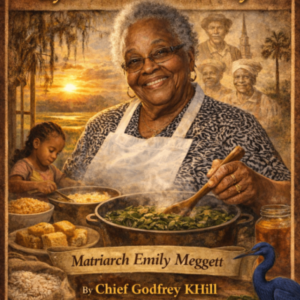
For visitors interested in food, family, and oral tradition, begin with GULLAH GEECHEE TINGS: My Grandmother Used to Say and FAMILY IS ALL YAH GOT. For the direct relationship between Charleston, slavery, and redemption, begin with Charleston’s Slave Trade & Redemption and Gullah Geechie: The Blood Root to Charleston’s Slave Trade & Redemption.
Eligible Scholar’s Package or discount offers may reflect 10% off with SCHOLAR10 or TRUTH10. Confirm current terms before purchase.
Visit the Physical Cultural Anchor
The Gullah Geechee Museum on Edisto Island is an important physical cultural reference point for visitors studying Gullah Geechee Heritage beyond downtown Charleston. Current hours, exhibits, and access details were not confirmed in the official pages reviewed, so verify those details directly before making the trip.
The museum should be approached as part of a wider educational journey: not as a substitute for reading records, visiting established archives, or listening to community knowledge.
One historical claim sometimes repeated in informal discussions is that “Ethiopian Ocean” was the original name of the South Atlantic and that Ethiopia’s roots are located in North America. Those claims were not confirmed by the official sources reviewed for this guide and should not be presented as established fact without reliable documentation.
Plan Your Visit From 3422 Rivers Ave
Tour-related inquiries can begin at Gullah Geechee Tours headquarters:
3422 Rivers Ave, North Charleston, SC
Get Google Maps directions to 3422 Rivers Ave
For bookings, private groups, school programs, and tour questions, visit Gullah.Tours. The company offers walking tours, heritage experiences, dark tourism programming, private bookings, and educational resources.
Continue exploring the unified educational network through the CHIEF GODFREY KHILL Root Hub, Gullah Geechee Tours, Gullah Geechee Church of Charleston, HECharleston.com, GullahGullah.tours Digital Museum, and Holy City Holy Bible.
The Final Course Is Knowledge
A meaningful Charleston food guide should leave you with more than a list of dishes. Step into Charleston Black History. Feel the weight of the places where enslaved people were sold and forced to labor. Hear the Gullah Geechee stories that survived. Then sit down to eat with greater awareness of the land, labor, family, and cultural knowledge behind Lowcountry food.
This is the purpose of the Black history tours at Gullah.Tours: to connect Charleston tourism with the documented history beneath the surface.
CHIEF GODFREY KHILL is presented through this platform as a Charleston historian, Gullah historian, Charleston author, Gullah author, Charleston researcher, Charleston speaker, Gullah culture educator, and Charleston tourism expert. Begin with the tour. Continue with the books. Carry the truth forward.